Girella cyanea
Uncommon sea chub found around North Island, New Zealand and New South Wales, thriving in 16 to 23 C water year-round.
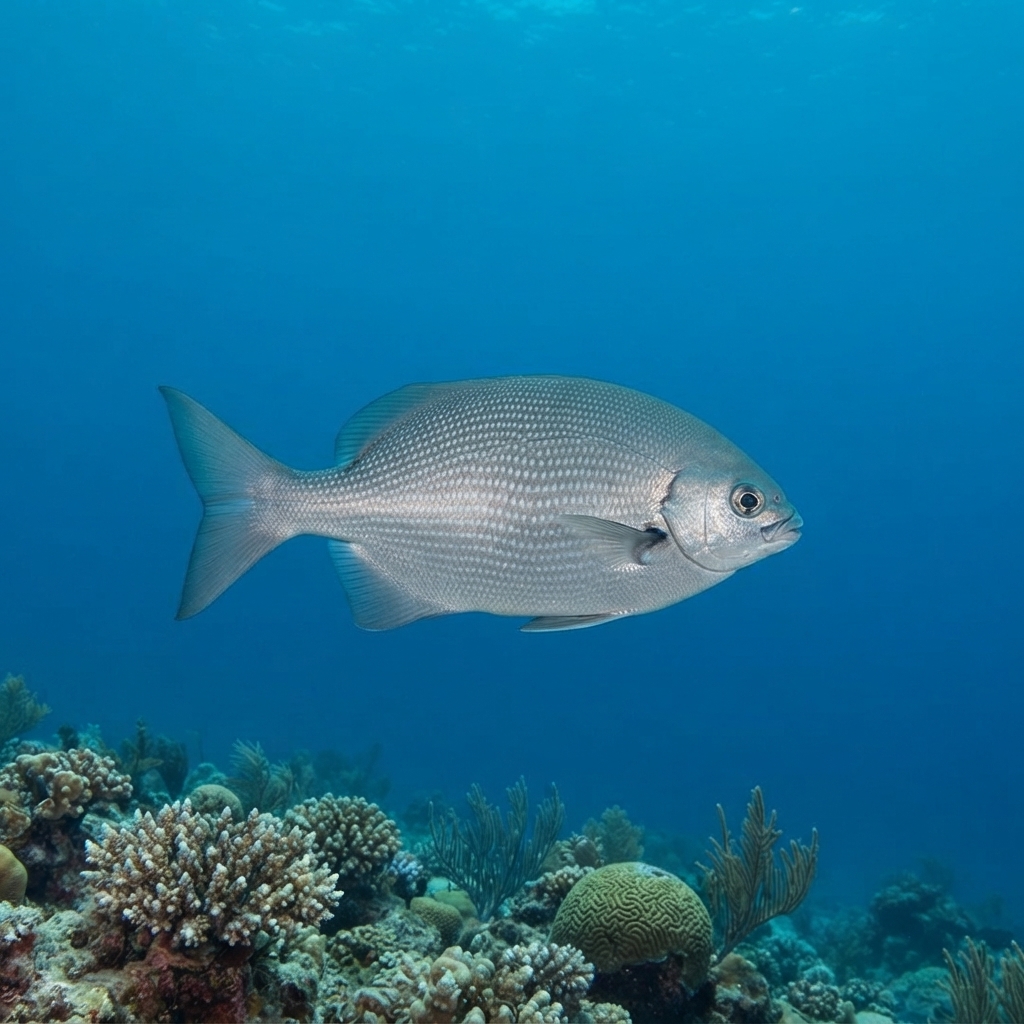
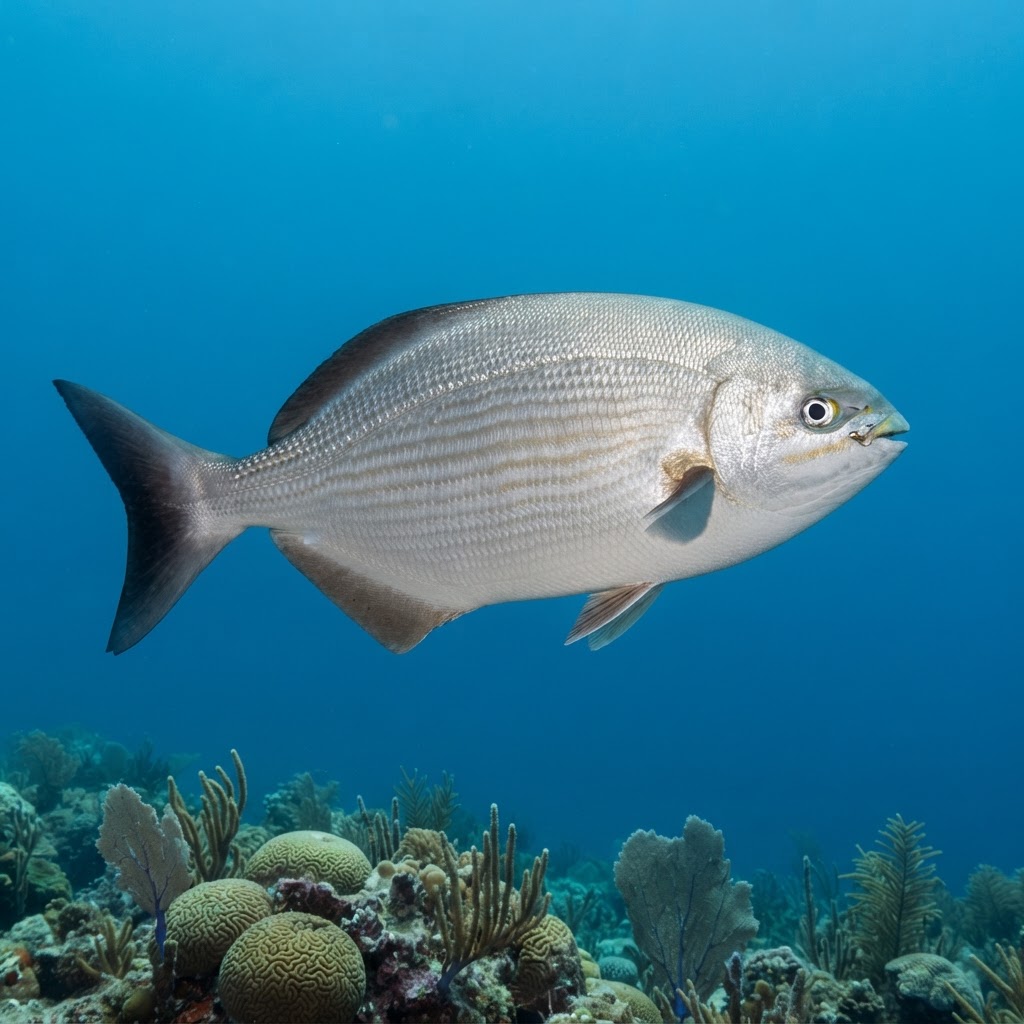
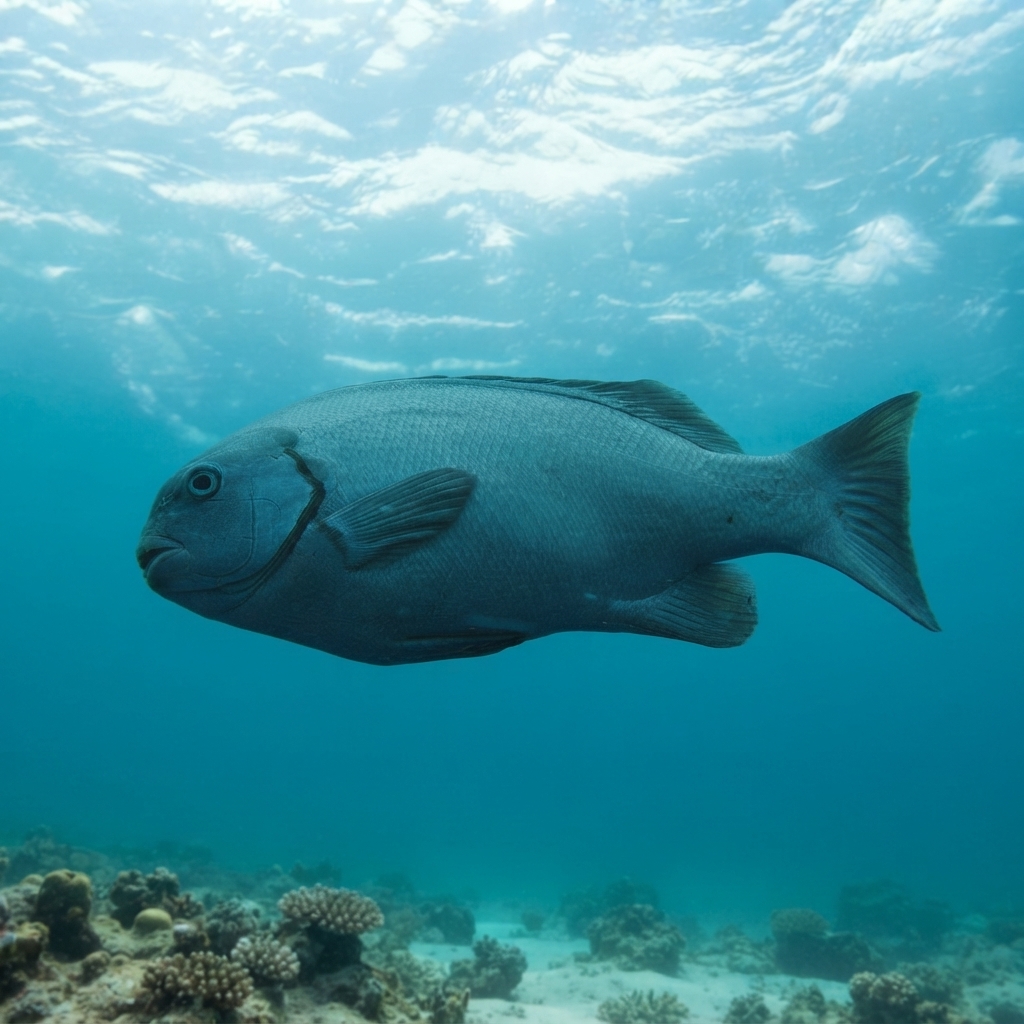
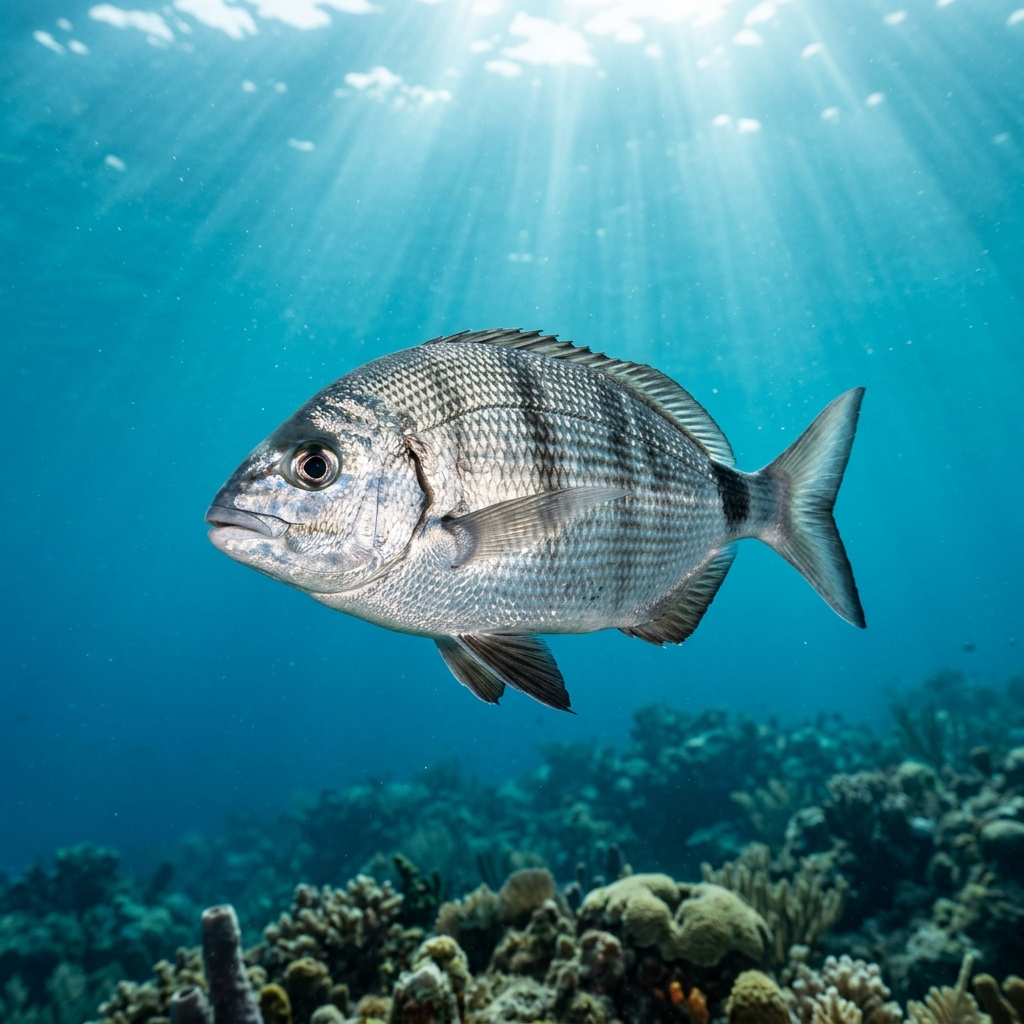
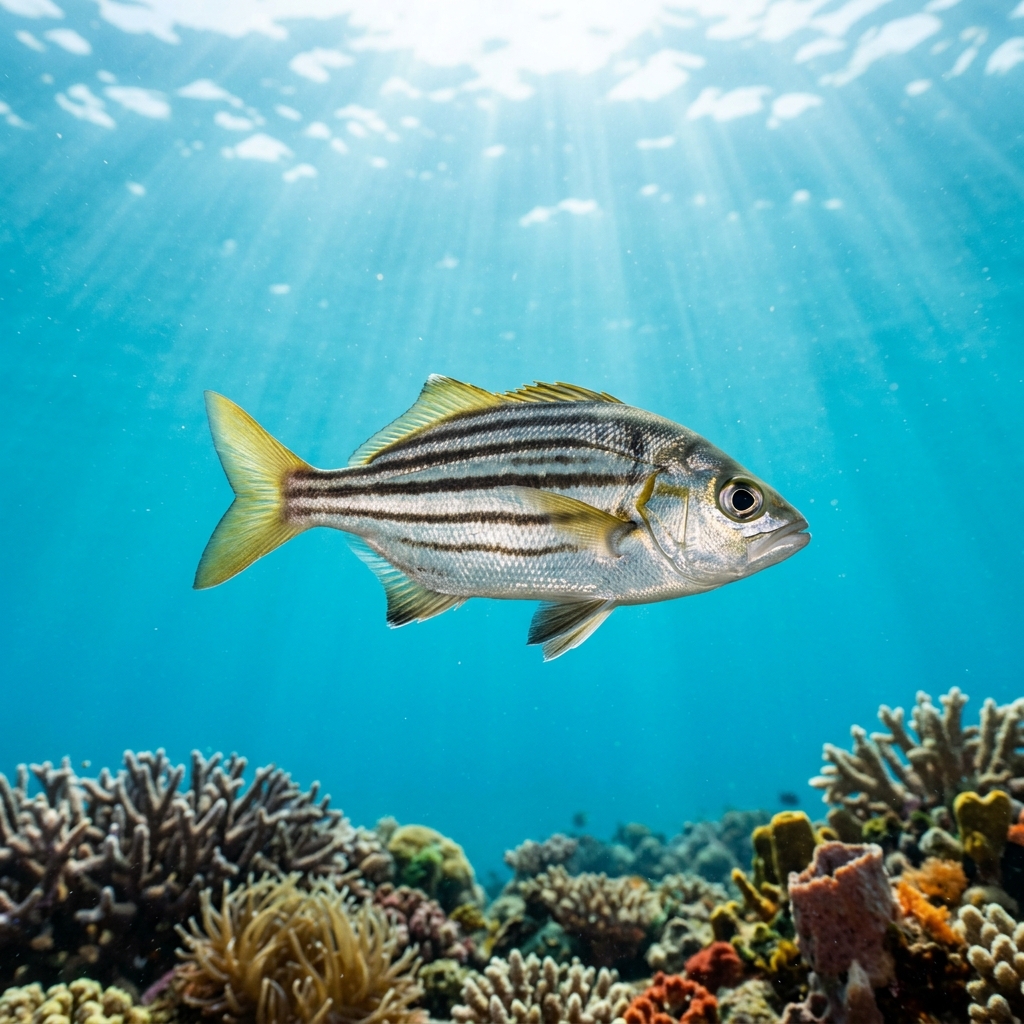
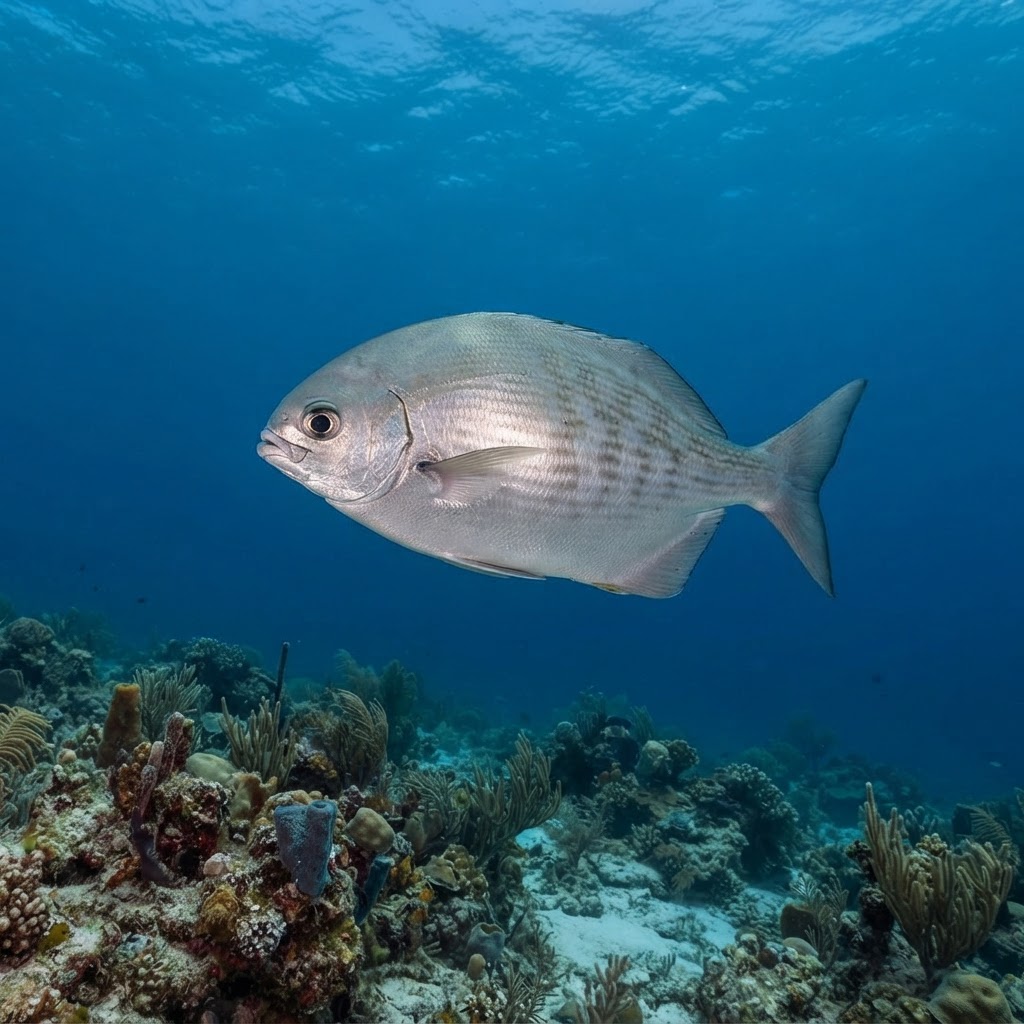
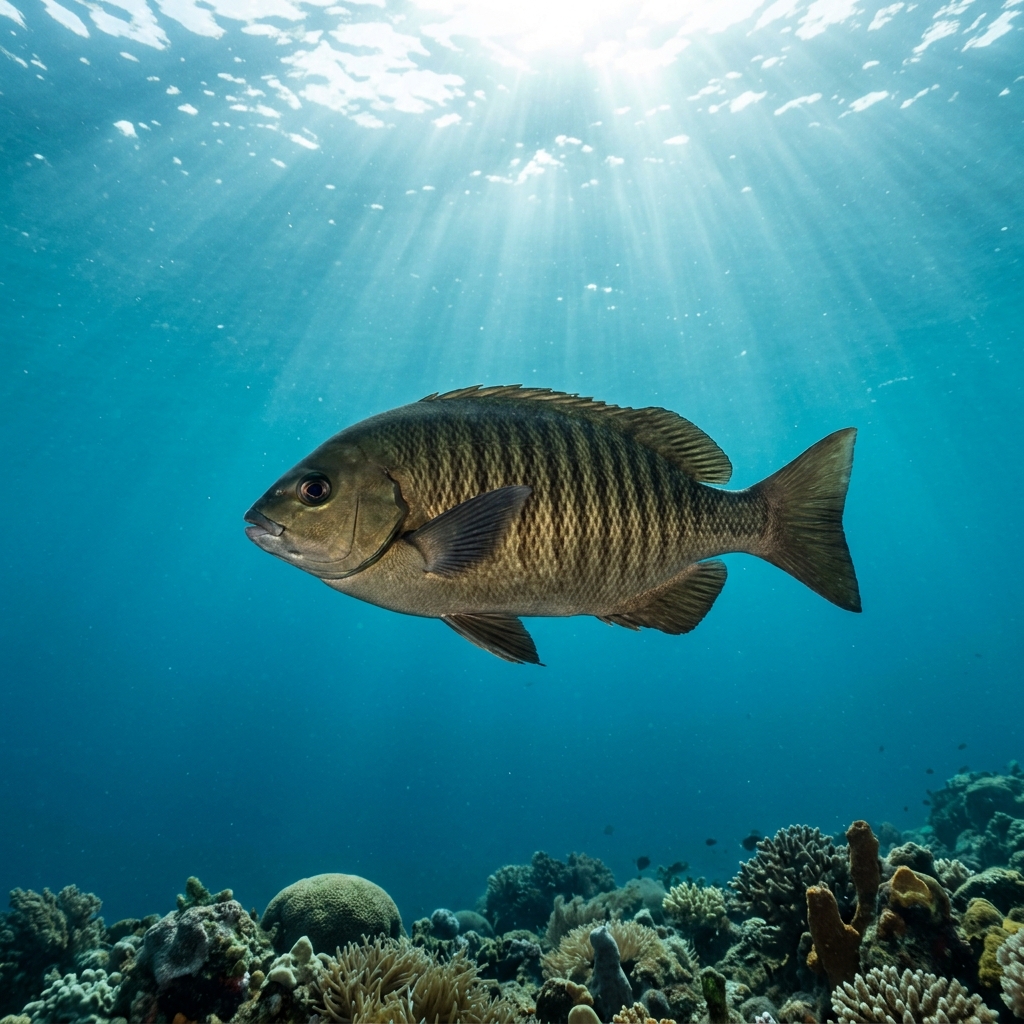
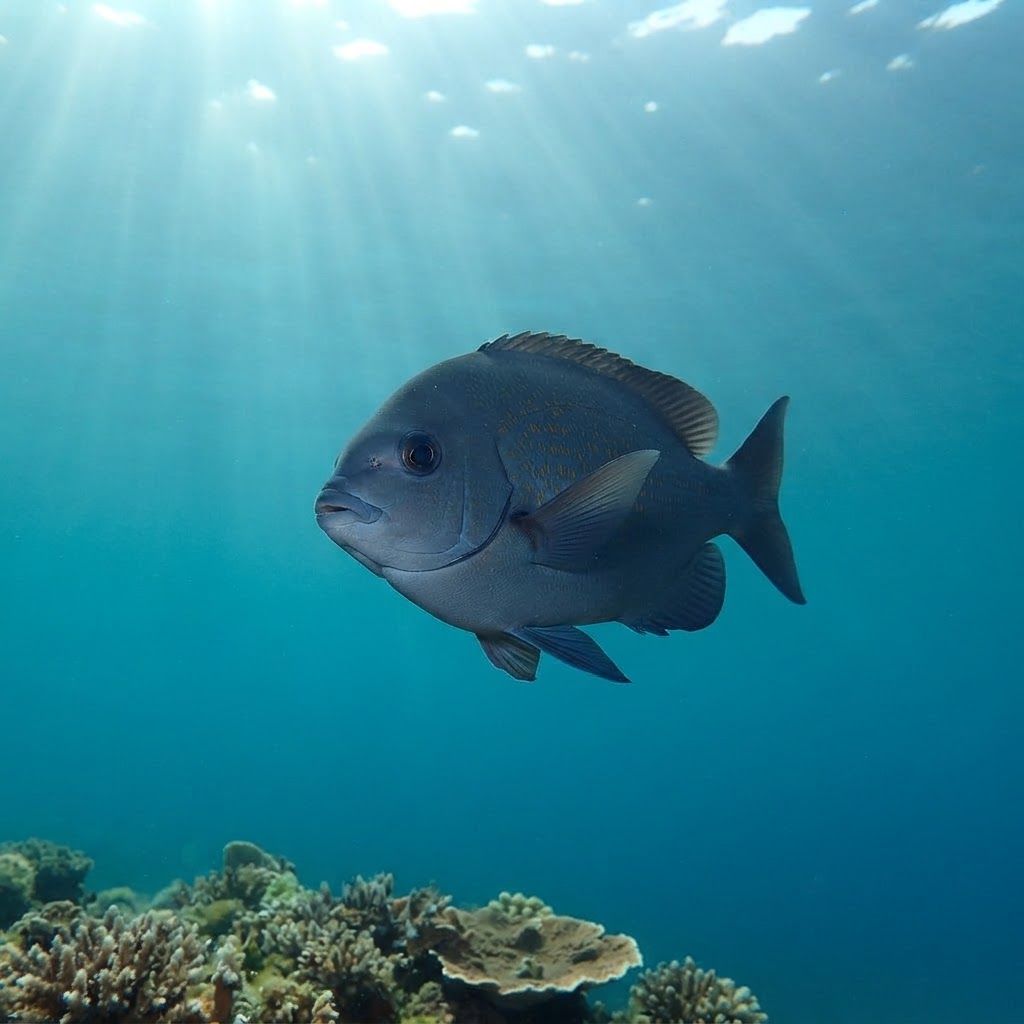
A deep-bodied, disc-shaped fish reaching around 14 cm, with a slate-grey to blue-grey body that looks almost silvery in open water. Look for the blunt head, small mouth suited to grazing, and a single dorsal fin running most of the length of the back. There is no strong facial marking to key on, so body shape and that muted blue-grey tone against rocky reef are the main clues.
Divers typically find it cruising rocky reef edges and drop-offs alone or in small loose groups, grazing over algae-covered rock rather than schooling tightly in open water. It tends to keep a comfortable distance from divers and does not linger for a close look, so a slow, low approach improves your odds of a decent view.
It belongs to the sea chub family, a group of grazers whose gut is adapted to processing large volumes of algae, making them one of the quiet lawn-mowers of temperate rocky reefs.
Sightings show no detected seasonal pattern, and the observed water temperature range of 16.2 to 23.3 C spans most of the year on these temperate reefs, so it is reasonable to look for this species across the year rather than target a specific month.
Reef neighbours a diver could mistake it for. Use the identification notes above to tell them apart.
Most reliably logged around North Island, New Zealand, with a further cluster of sightings off New South Wales, Australia. A handful of records also come from Norfolk Island, making it a species tied firmly to temperate southwest Pacific reefs rather than tropical ones.
Mapping where Blue Drummer is logged…
The strongest sightings come from North Island, New Zealand, with additional records around New South Wales, Australia, and a smaller number at Norfolk Island. It is consistently logged as uncommon at these sites rather than guaranteed on every dive.
There is no clear seasonal peak in the sighting data, and the species tolerates water from about 16 to 23 C, so it can turn up on temperate reefs at any time of year.
Look for a deep-bodied, disc-shaped fish around 14 cm long with a slate-blue to grey tone and a long dorsal fin. It lacks bold stripes or patches, so its plain colouring and rounded profile against rocky reef are the best giveaways.
They typically reach around 14 cm, making them a modest-sized reef fish rather than one of the larger sea chubs.
No, they are not considered dangerous to divers and simply go about grazing on algae-covered rock, keeping their distance from people in the water.
Site and sighting data is aggregated from diver logs, iNaturalist and GBIF. For taxonomy and conservation status:
Blue Sea Chub
554 sites