Anampses melanurus
An uncommon 8cm wrasse logged in Sulawesi and the Visayas, at home on warm reefs between 25 and 29C year-round.
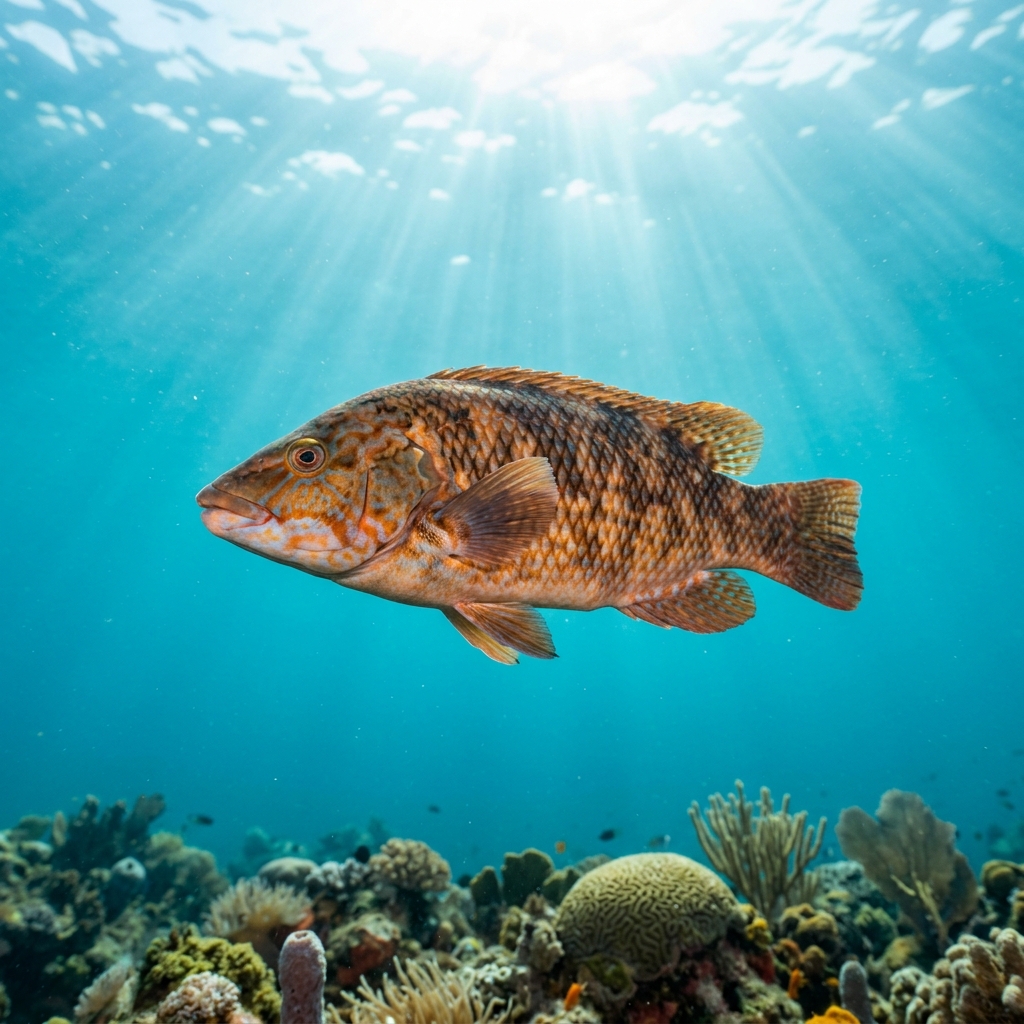
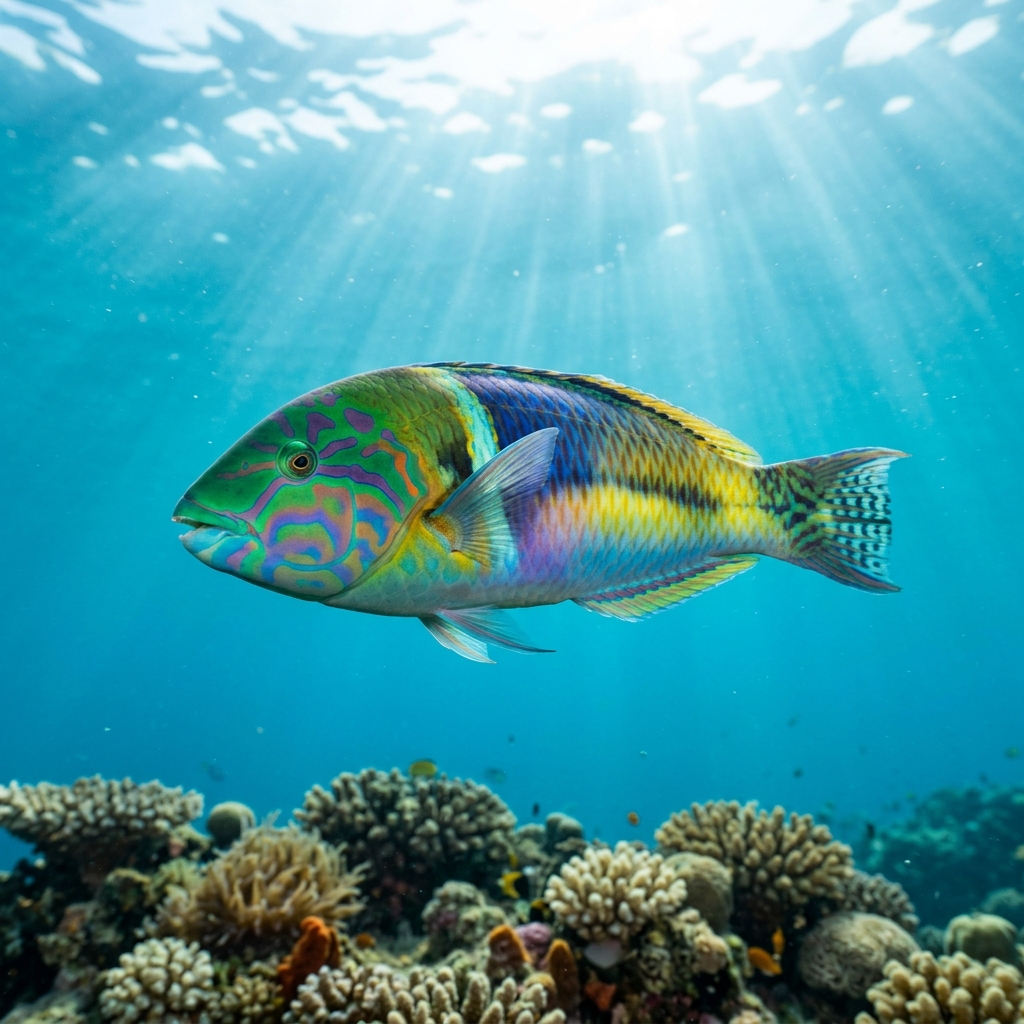
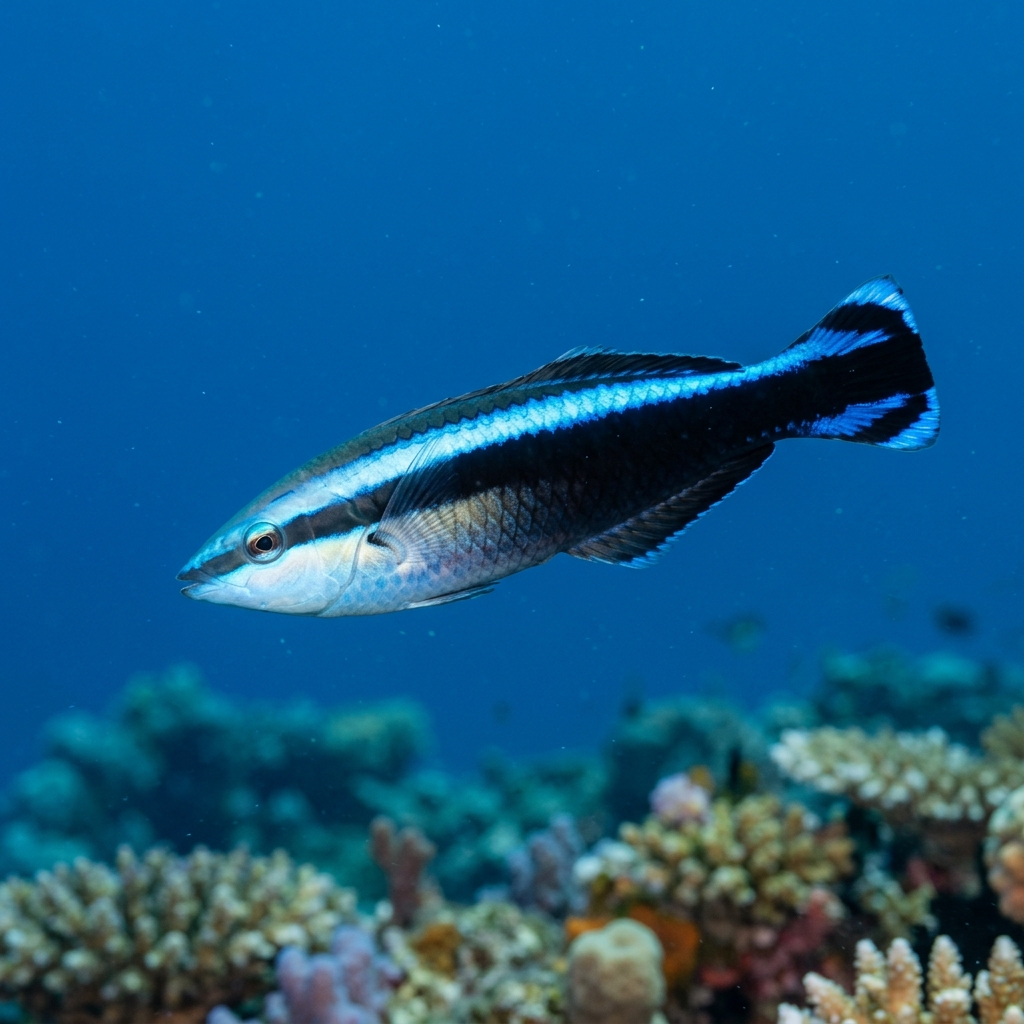
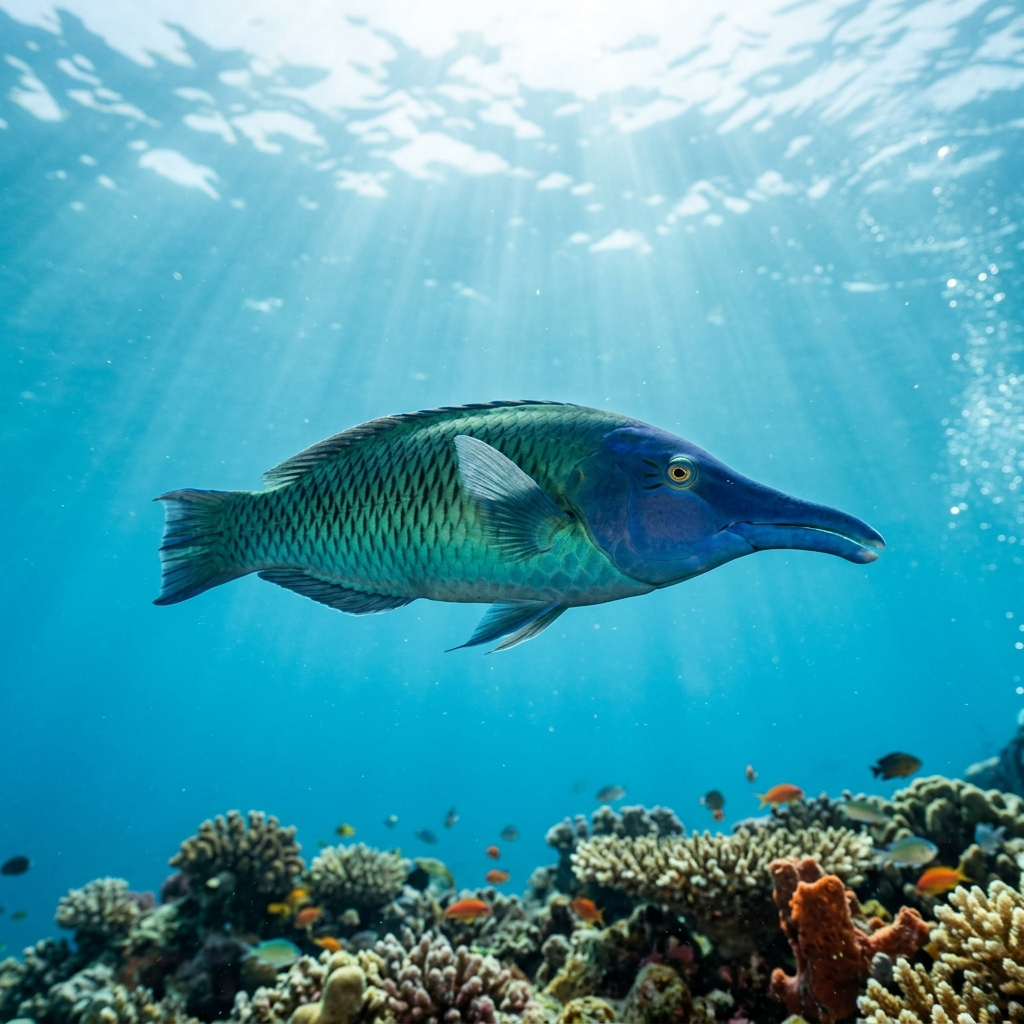
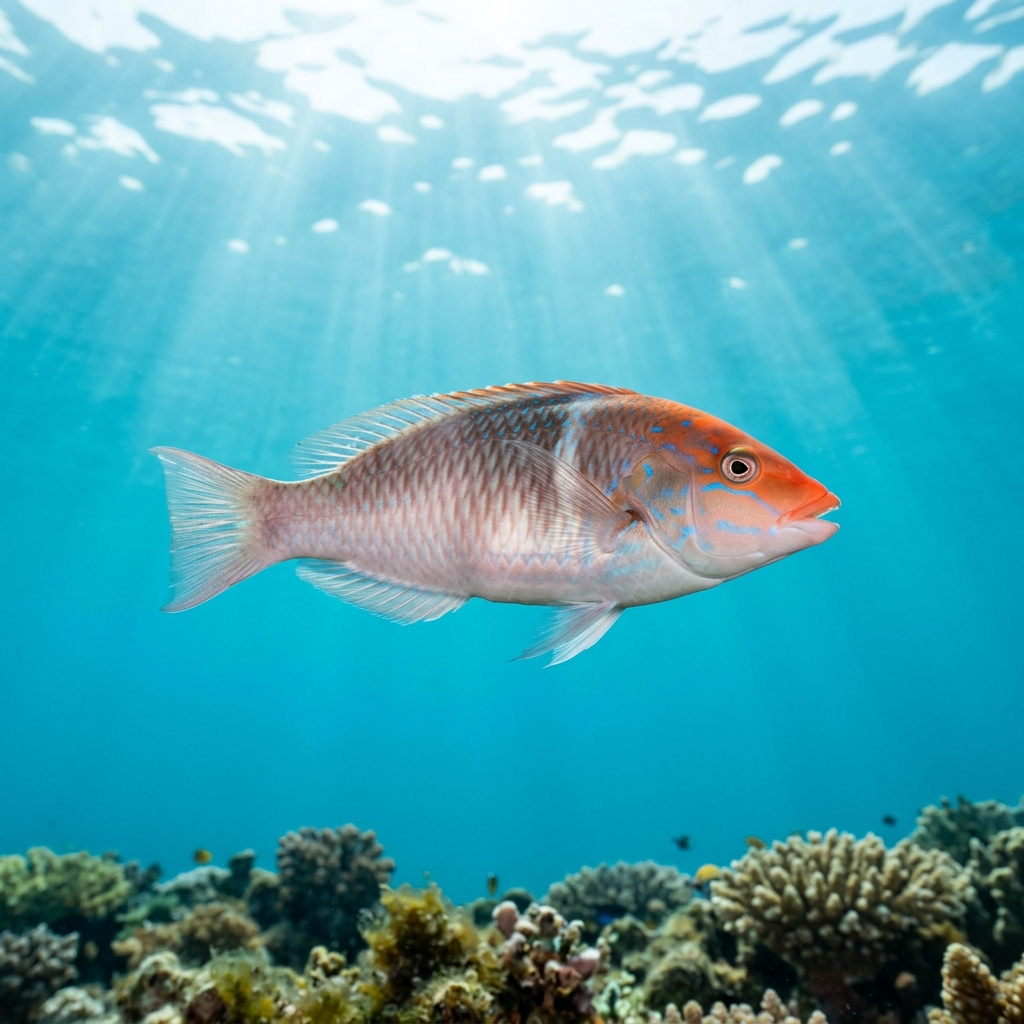
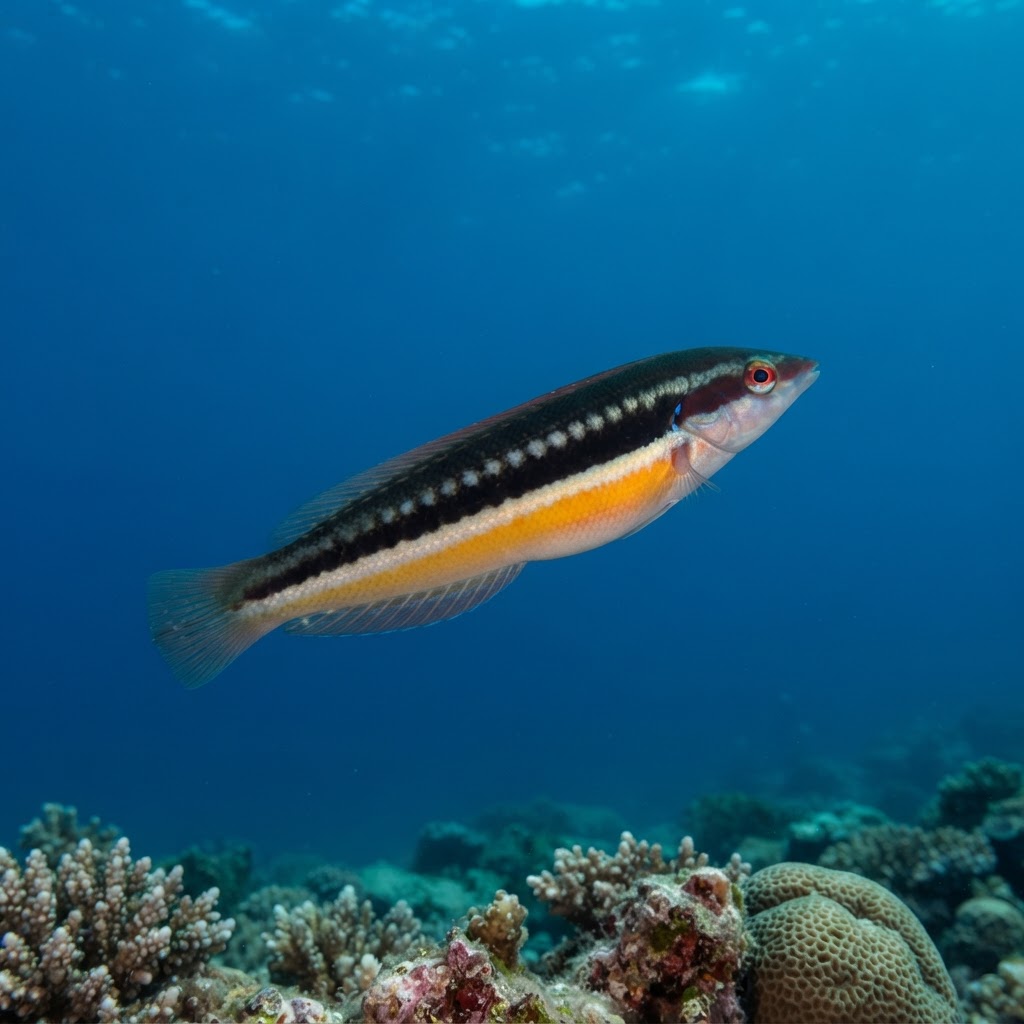
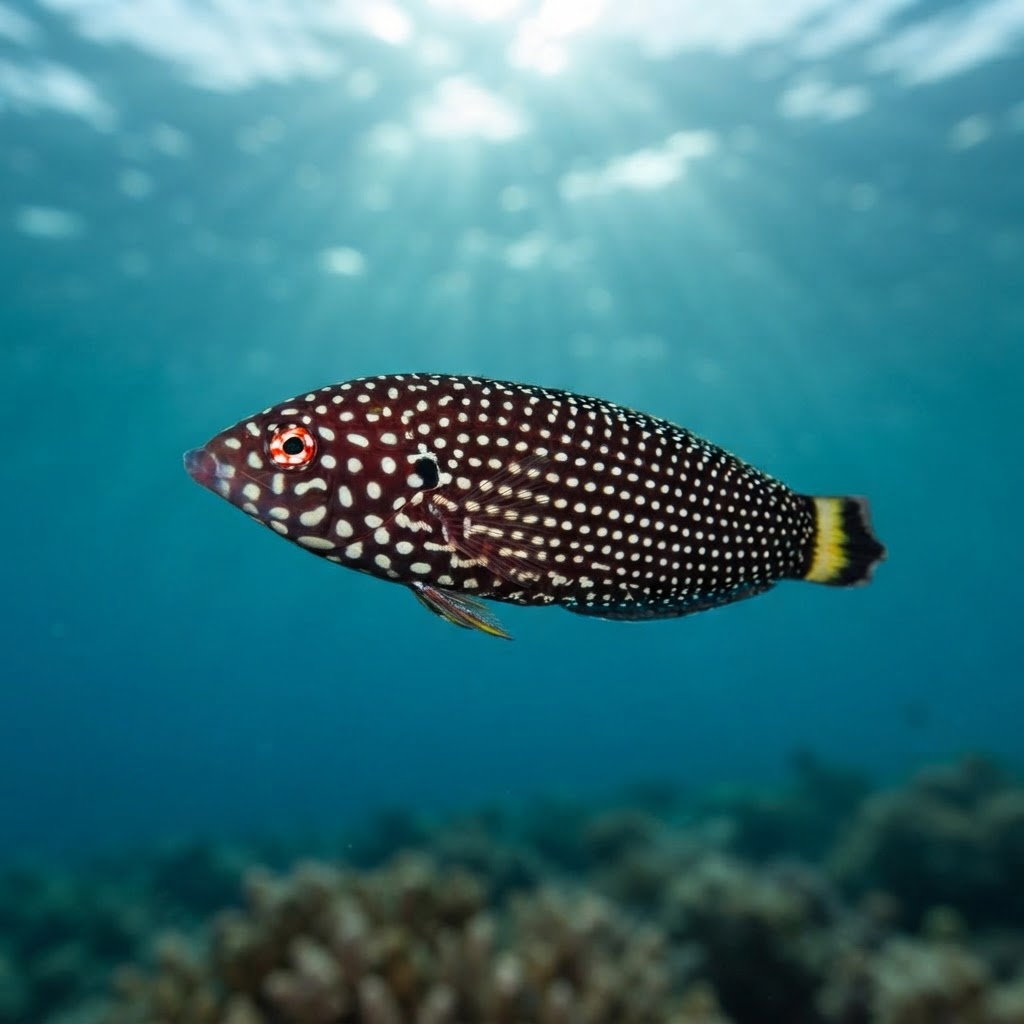
A small, slender wrasse topping out around 8 cm, easiest to pick out by the dark blotch at the base of its tail that gives it its name. The body carries a mix of muted stripes and speckling typical of Anampses wrasses, and it swims with the quick, darting strokes common to small reef wrasses rather than a cruising glide. Look for it low on the reef, close to sand patches or rubble where it forages, rather than out in open water.
Divers report it as an uncommon find even at the sites where it does turn up, so sightings tend to be a bonus rather than a given on any single dive. Expect it low in the water column, picking around sand, rubble, or the reef base, darting for cover rather than lingering when divers approach. Like most small wrasses it is most active by day, working the same patch of reef repeatedly rather than roaming far.
Anampses wrasses bury themselves in sand at night and when startled, a defensive trick that also makes them easy to miss on a reef even when they are actually present.
No clear seasonal pattern shows up in the sighting data, and the observed water temperature range of 25.3 to 29.0C matches typical year-round conditions on the reefs where it is found. Treat it as a possible sighting on any dive in Sulawesi or the Visayas rather than something tied to a particular month.
Logged sites cluster in Sulawesi, Indonesia and the Visayas in the Philippines, making these two regions the most reliable places to look for it. Sightings so far are limited to these Indonesian and Philippine reefs, so divers chasing this species should plan a trip through the Coral Triangle rather than further-flung wrasse territory.
Mapping where Blacktail Wrasse is logged…
The most reliable regions logged so far are Sulawesi in Indonesia and the Visayas in the Philippines. Outside these two areas, confirmed sightings are currently scarce.
There is no detected seasonal pattern, and the species sits comfortably in water between 25.3 and 29.0C, which holds year-round on its home reefs. Any dive trip to Sulawesi or the Visayas has a shot at a sighting.
Look for a small wrasse, around 8 cm, with a dark blotch marking the base of the tail. It stays low near sand and rubble and darts quickly rather than cruising in open water.
They are a small wrasse species, typically reaching about 8 cm in length, so they are easy to overlook against busier reef scenery.
It is logged as uncommon even at the sites where it does occur, so spotting one is more of a lucky find than a guaranteed sighting on a typical dive.
Site and sighting data is aggregated from diver logs, iNaturalist and GBIF. For taxonomy and conservation status:
Bird Wrasse
3,632 sites