Pomacentrus stigma
Small dusky damselfish holding tight over Visayas reefs at around 28.5C, an uncommon but steady find for sharp-eyed divers.
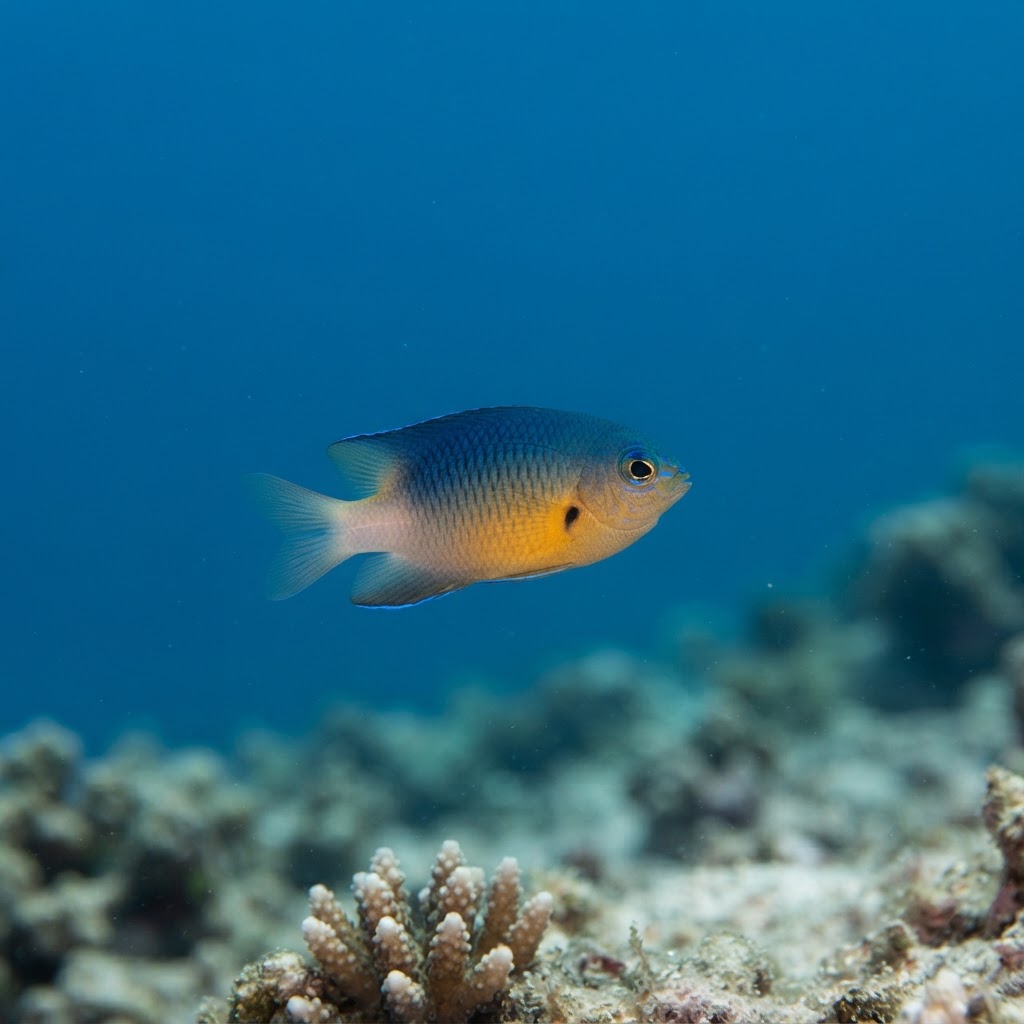
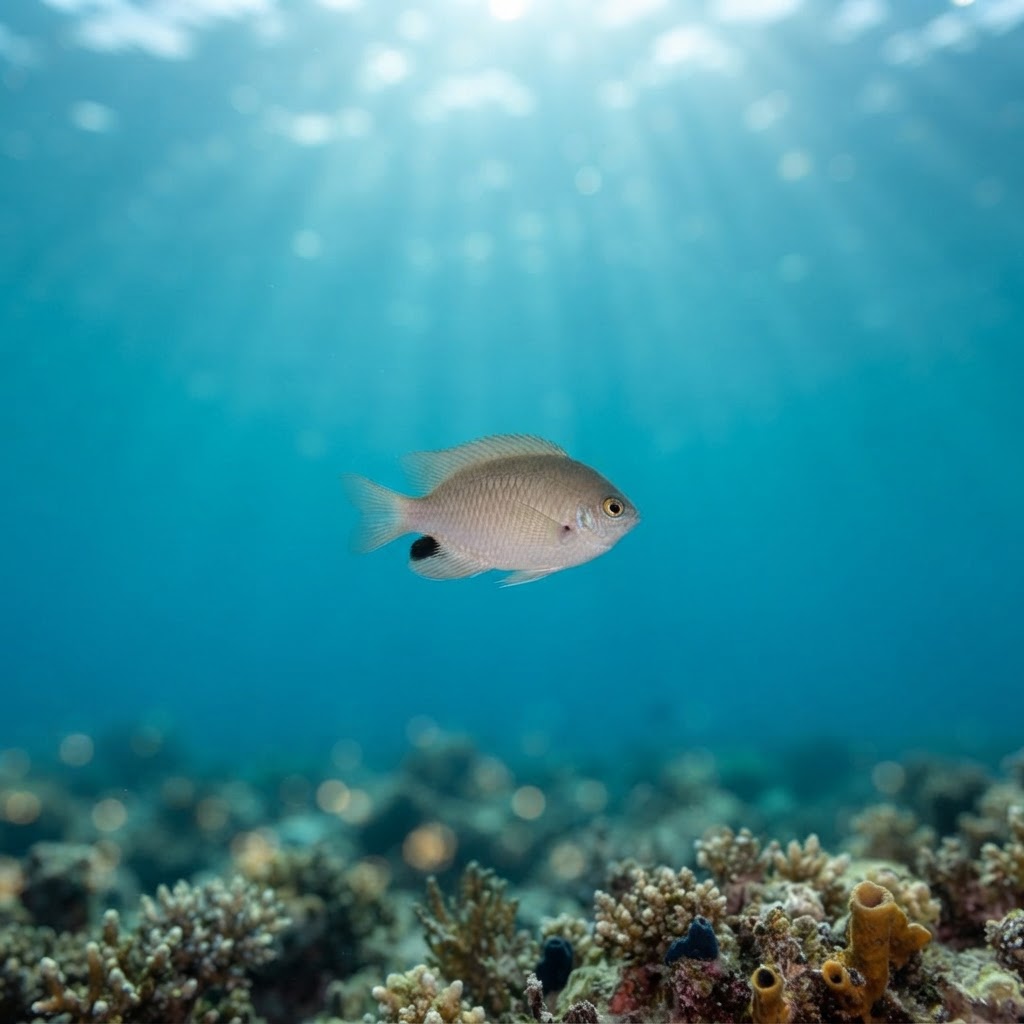
A small, deep-bodied damselfish reaching about 9 cm, usually seen as a dusky grey-brown shape hovering just off the reef. The name-giving mark is a faint dark spot near the upper base of the tail, which is the detail worth checking when you find one. Body shape is the classic damselfish oval, flattened side to side, with quick, darting movements rather than a slow cruise.
Expect to find it holding a small patch of reef or rubble, darting out a short distance to feed and ducking straight back to cover when a diver gets close. It is not a fish that follows you or postures aggressively, and logged sightings are consistently rated uncommon, so it tends to reward a slow, close look rather than a quick reef scan.
Like most Pomacentrus damselfish, it likely guards a small patch of algae-covered substrate against other reef grazers, a behaviour typical of the genus even though this species has not been specifically studied in detail.
Sightings show no detectable seasonal pattern, and the observed water temperature sits in a narrow 28.4 to 28.9C band typical of warm tropical reefs year-round, so any month should do.
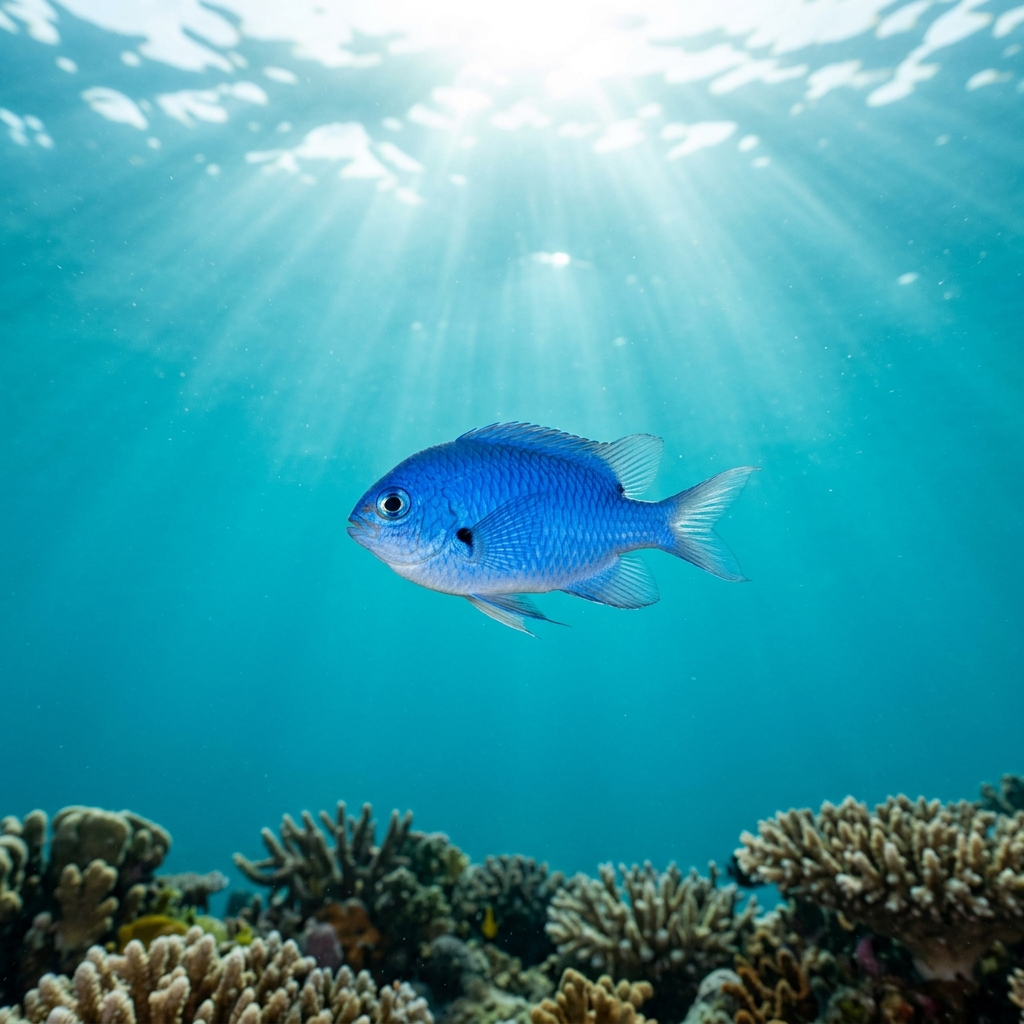
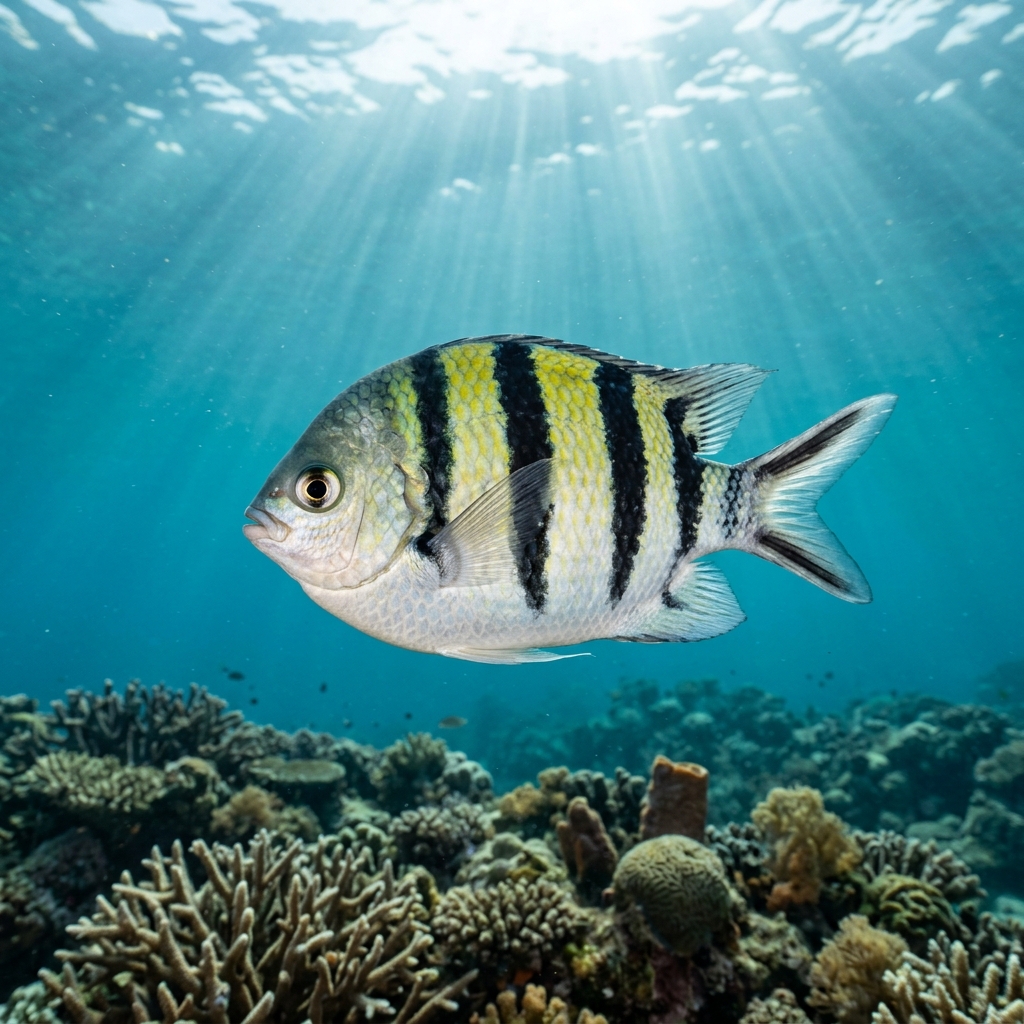
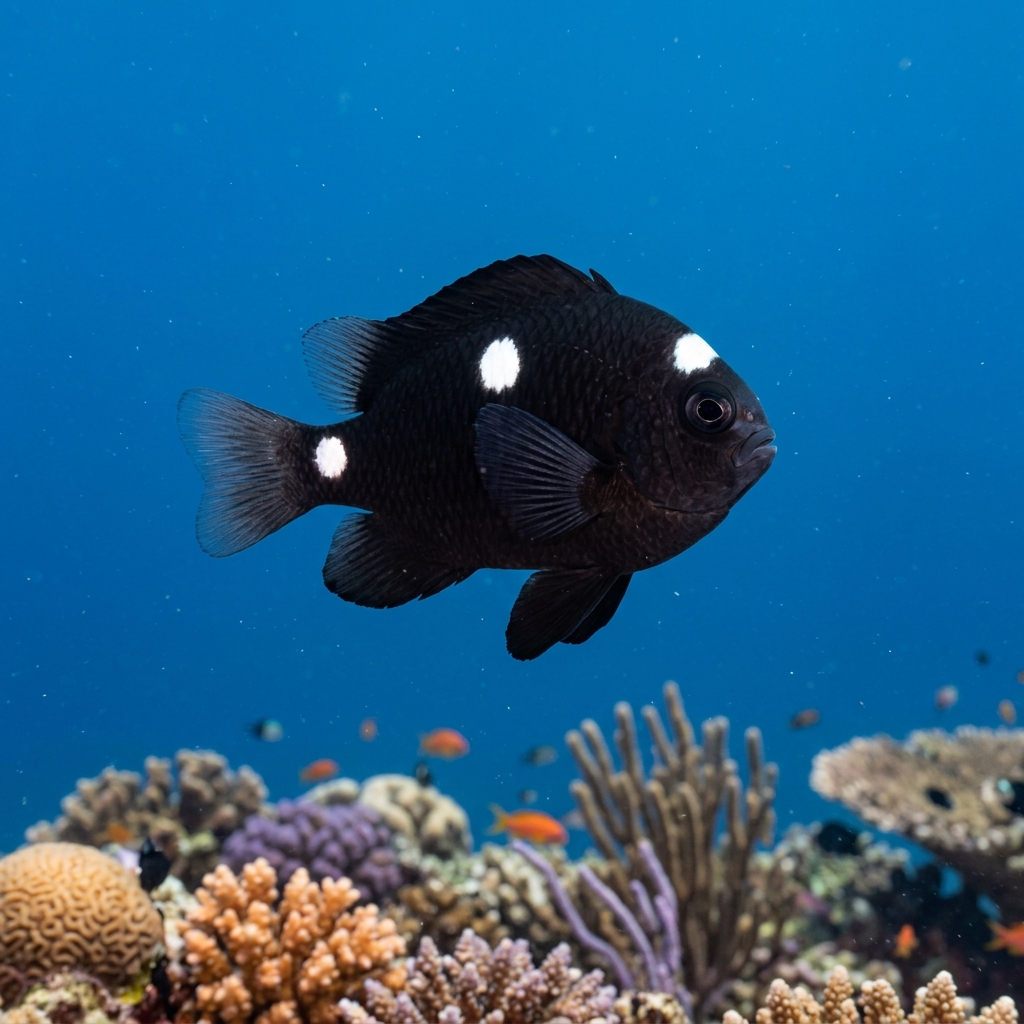
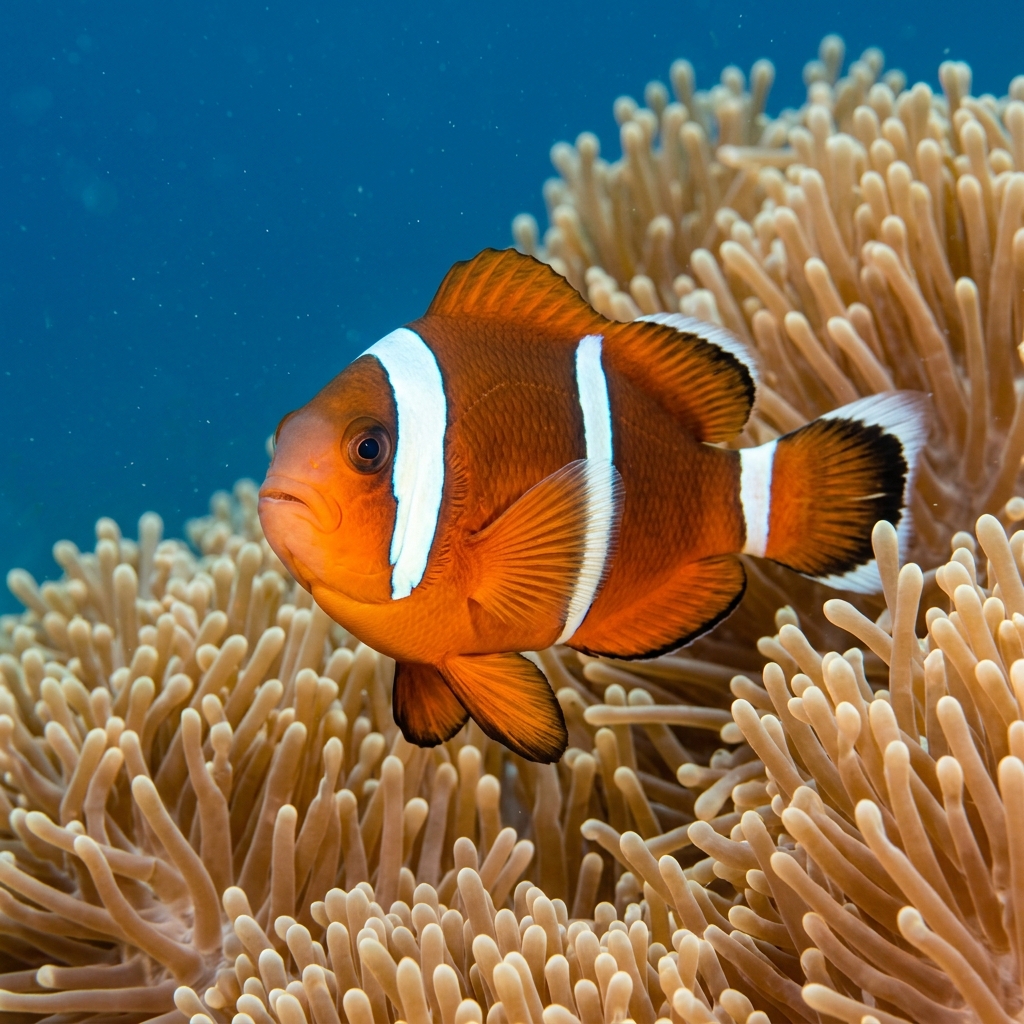
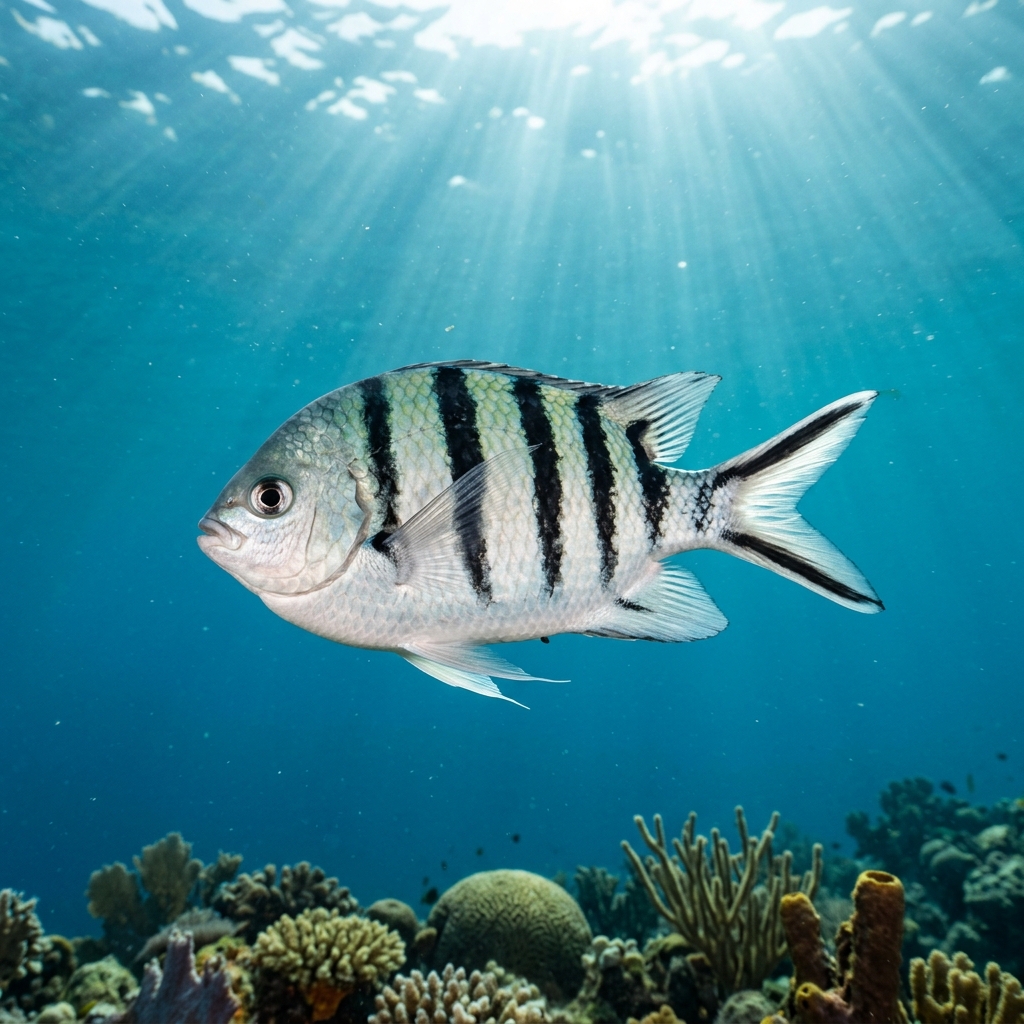
Reef neighbours a diver could mistake it for. Use the identification notes above to tell them apart.
Almost every logged sighting comes from the Philippines, especially the Visayas region, with Luzon adding a scattered record and a single site in Sabah, Malaysia rounding out the picture. If you are hunting this one specifically, Visayas reefs are the reliable bet rather than a wide search across Southeast Asia.
Mapping where Blackspot Damselfish is logged…
The strongest records are from the Visayas region of the Philippines, with additional sightings in Luzon and one site in Sabah, Malaysia. It is not a species with a wide known range in diver logs, so the Philippines is the place to focus a search.
There is no clear season in the sighting data, and it sits in warm water around 28.4 to 28.9C, so it is considered a year-round find on the reefs where it occurs.
Look for a small, oval-bodied damselfish around 9 cm, grey-brown overall, with a faint dark spot near the top of the tail base. It hovers close to the reef and darts for cover quickly when approached.
They reach around 9 cm, putting them at the smaller end of the damselfish family and easy to miss on a casual reef pass.
No. They pose no threat to divers and simply retreat to cover if approached too closely.
Site and sighting data is aggregated from diver logs, iNaturalist and GBIF. For taxonomy and conservation status:
Dascyllus
3,697 sites