Chaetodon nigropunctatus
A reef staple across the Daymaniyat Islands and Muscat, Oman, seen year-round in warm 25-29C water. Here's how to spot one.
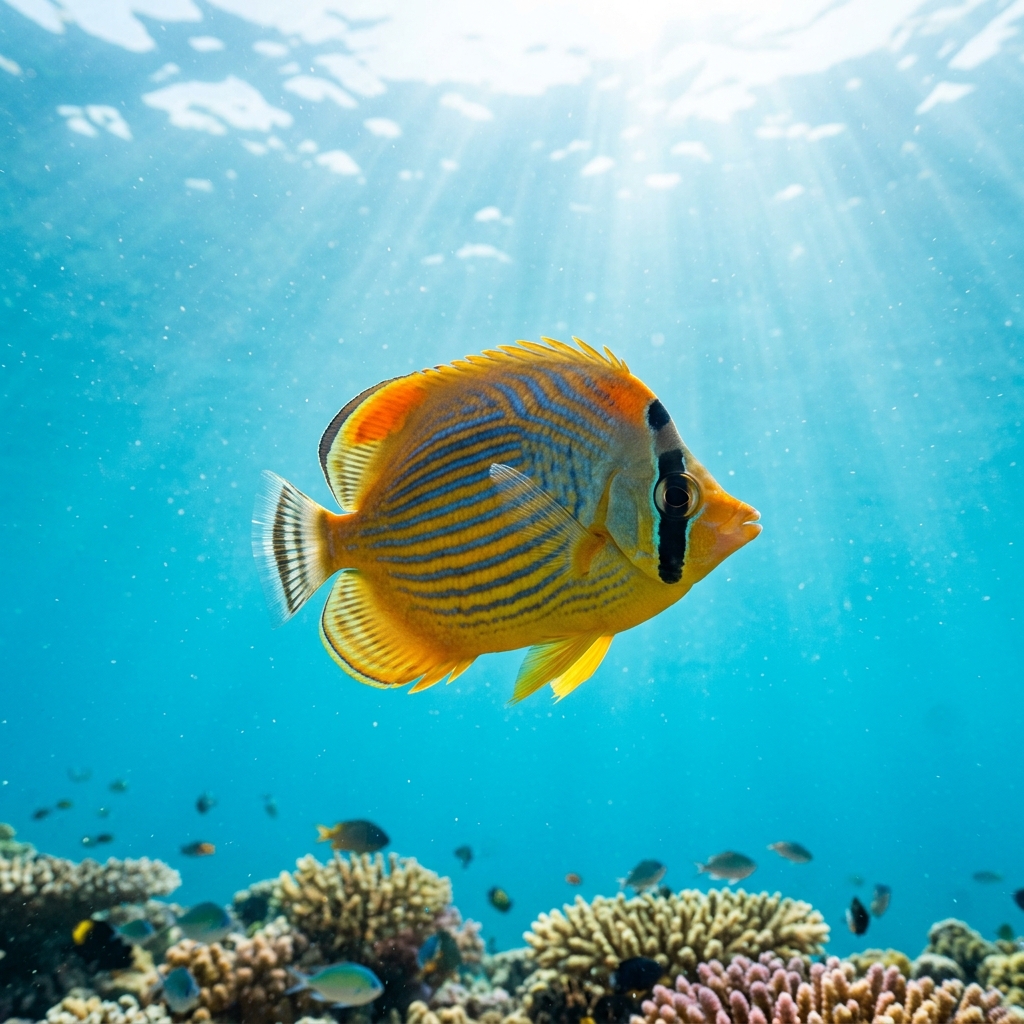
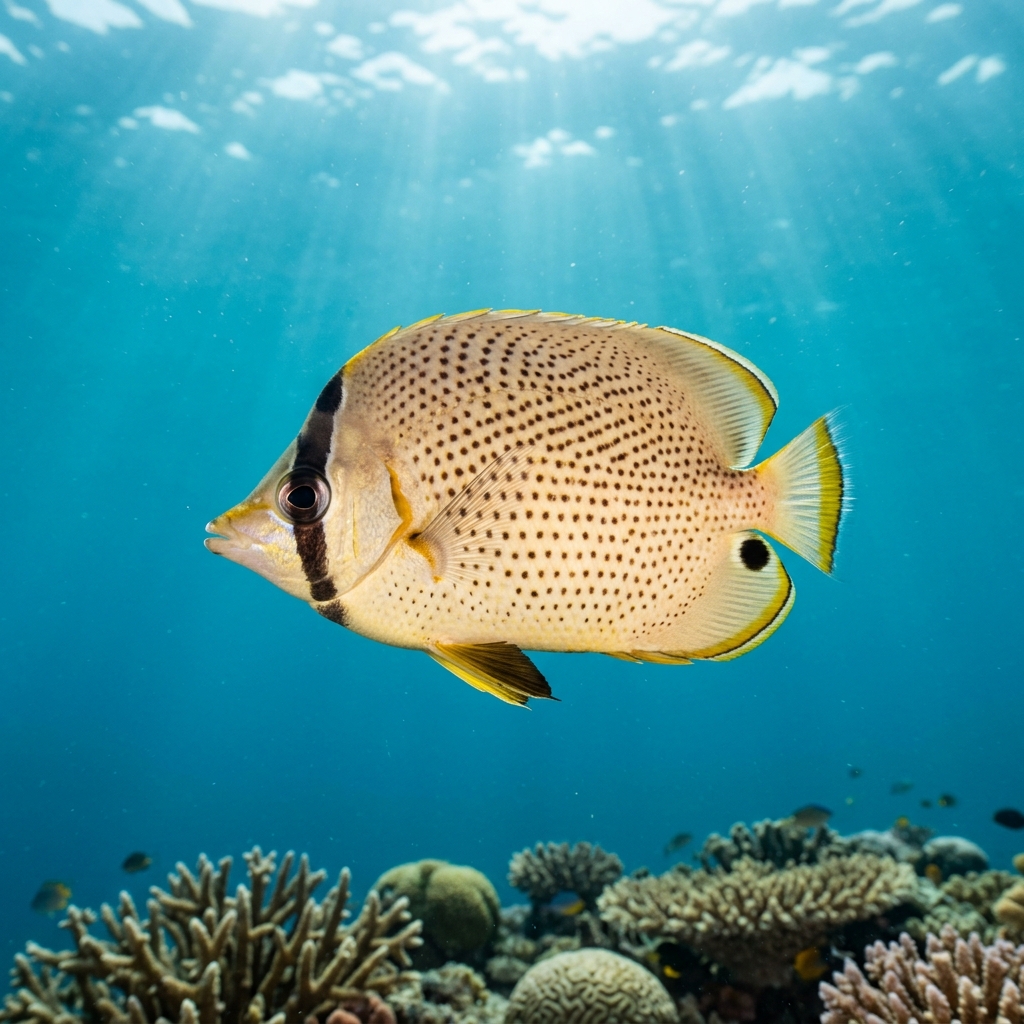
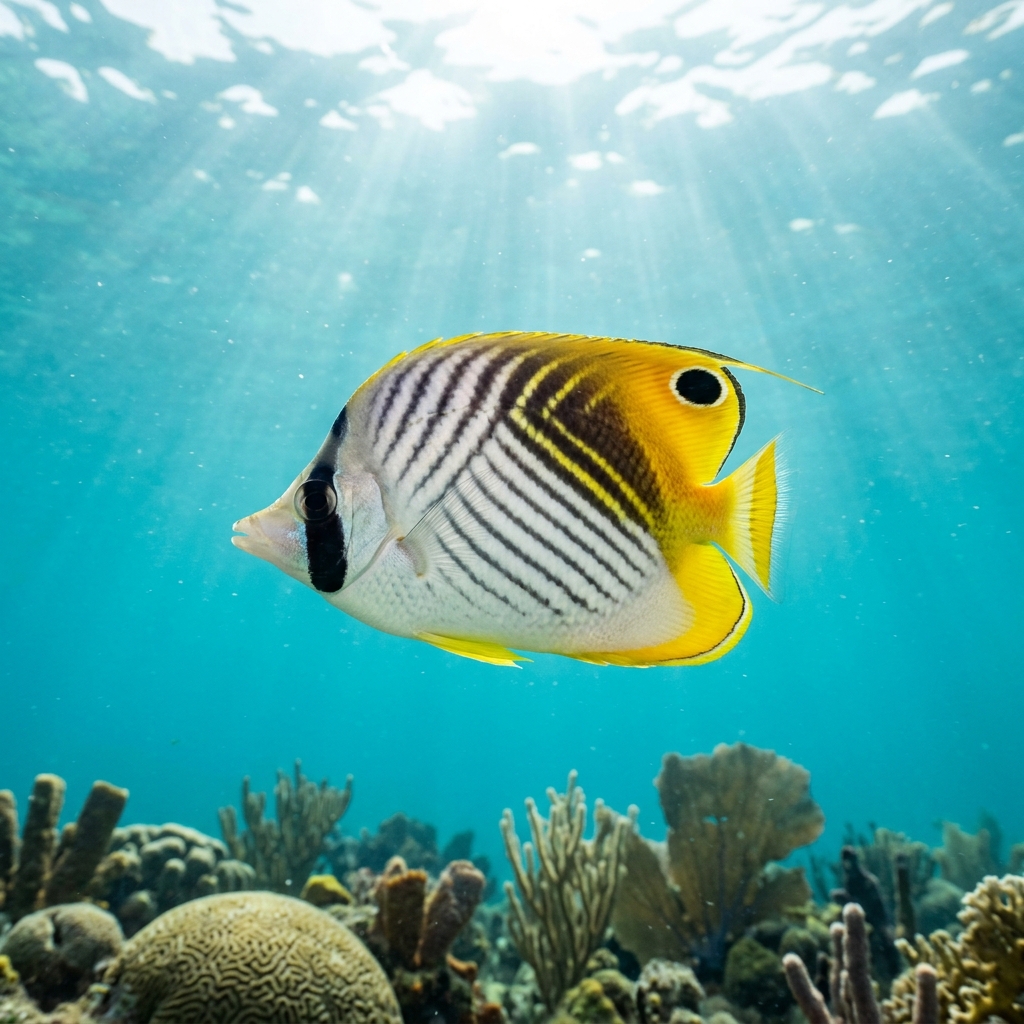
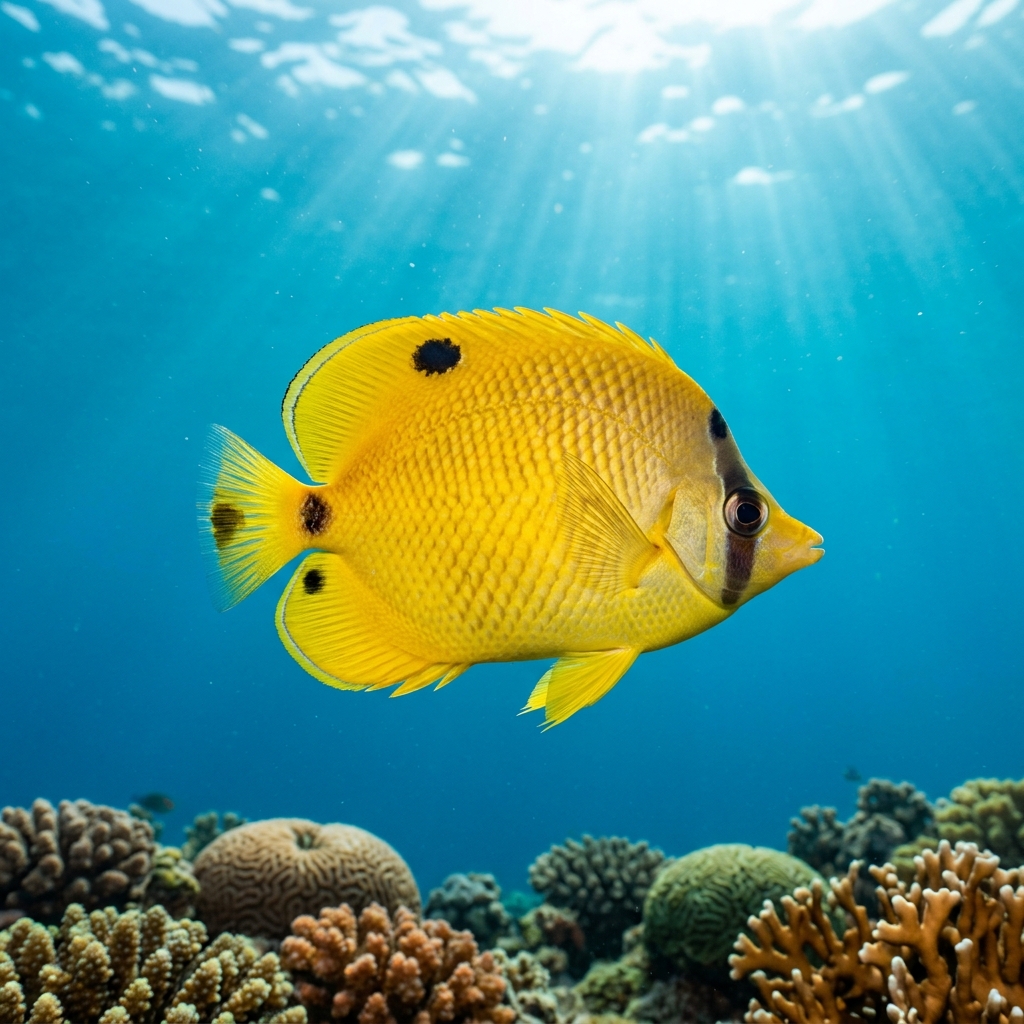
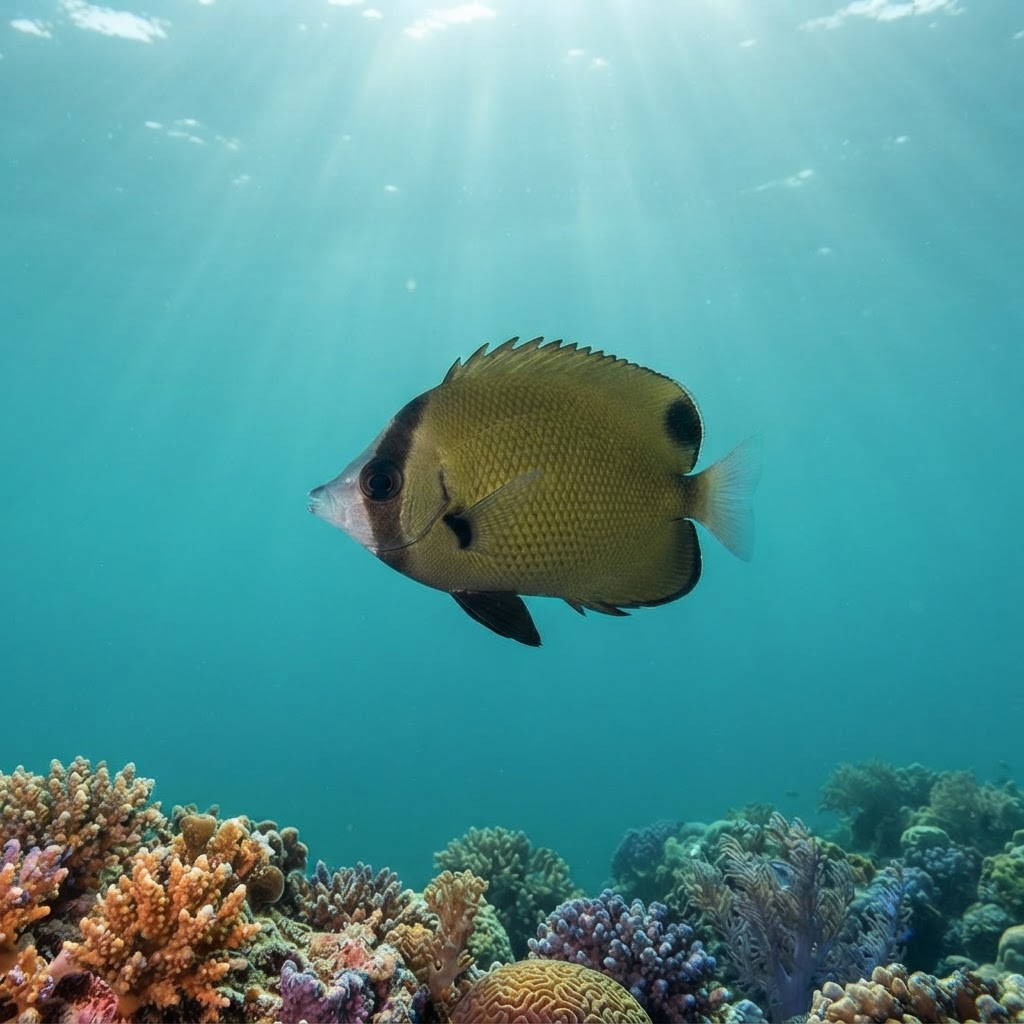
Small disc-shaped fish, around 10 cm, with a pale grey to whitish body covered in fine dark speckles that give it its name. Look for a dark band running through the eye and a narrow dark bar near the tail base, both classic butterflyfish camouflage marks. It swims in the typical upright, laterally flattened butterflyfish posture, often solo or in loose pairs picking over the reef surface.
Typically seen picking at the reef surface alone or in loose pairs, working over rock and coral rubble rather than schooling in open water. It keeps a fairly relaxed distance from divers, neither bolting nor approaching, and is usually spotted during daytime dives cruising low over the reef structure rather than up in the water column.
Like most butterflyfish, its eye-band and false tail-spot markings work together to confuse predators about which end is the head, buying it a split-second head start when startled.
Sighting records don't show a clear seasonal pattern, and with a comfortable range of 25.2 to 29.2C it's present on these reefs year-round rather than tied to a particular month.
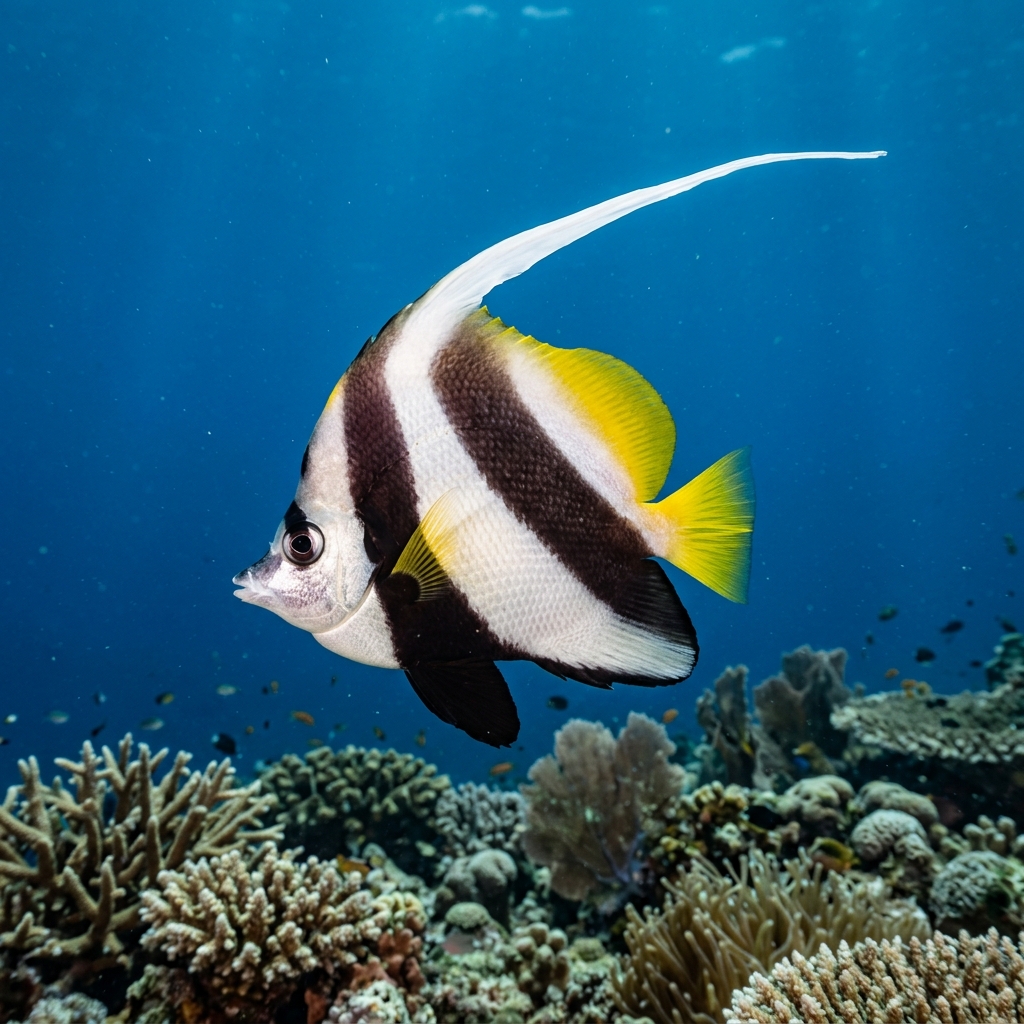
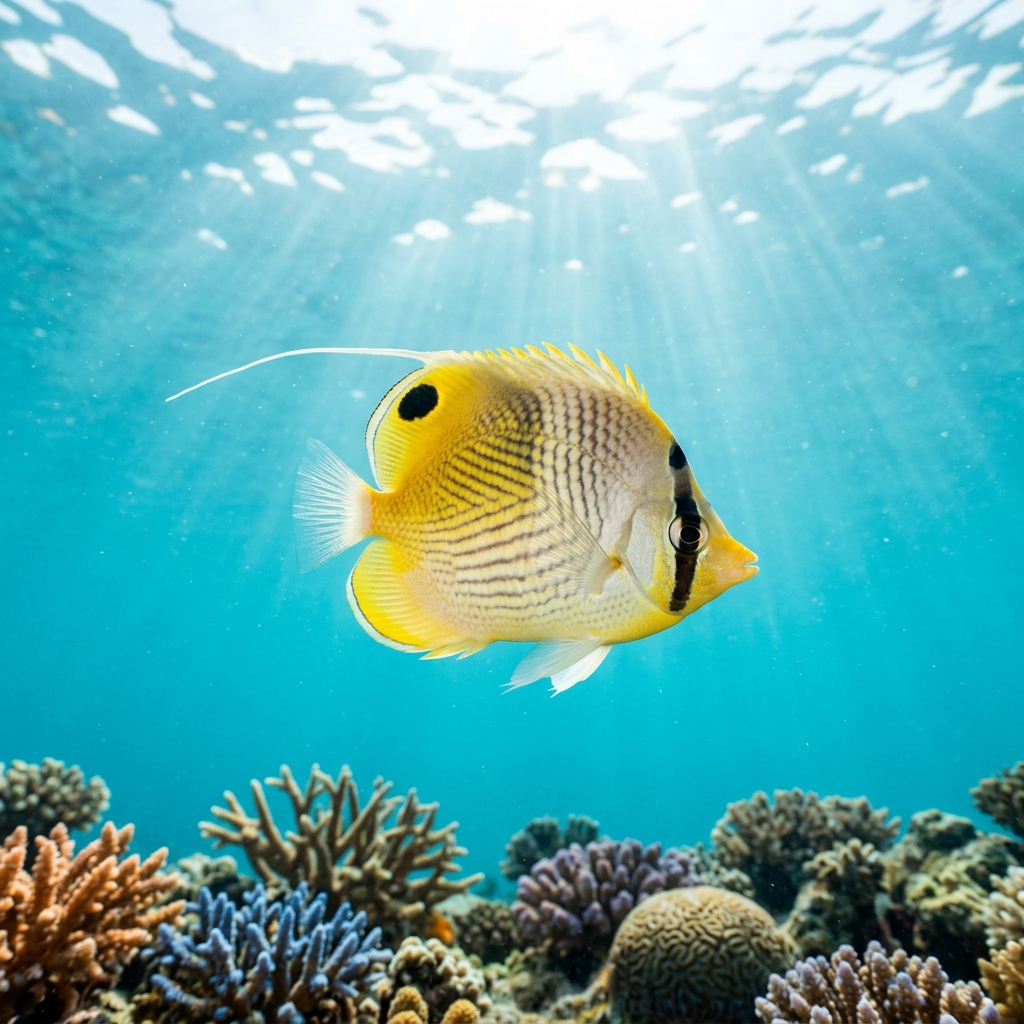
Reef neighbours a diver could mistake it for. Use the identification notes above to tell them apart.
This is very much an Oman fish on the current data, most reliably logged around the Daymaniyat Islands and Muscat, with a smaller but steady presence on the East Coast of the United Arab Emirates. Divers spending time on Oman's rocky reefs should expect it as one of the more dependable butterflyfish sightings in the area.
Mapping where Black-spotted Butterflyfish is logged…
Oman is the stronghold, especially the Daymaniyat Islands and the Muscat coastline, with additional sightings on the East Coast of the United Arab Emirates. It's one of the more dependable butterflyfish to spot on Omani reef dives.
There's no strong seasonal pattern in the sighting data, and the species tolerates a warm 25 to 29C range, so it's a year-round fixture on the reefs where it occurs rather than a seasonal visitor.
Look for a small, disc-shaped fish around 10 cm with a pale grey body covered in fine dark speckles, a dark eye-band, and a narrow dark mark near the tail. It's usually seen alone or in pairs grazing low over the reef.
They stay small, reaching around 10 cm, in keeping with most reef butterflyfish species.
No, they pose no danger to divers. They're a harmless reef grazer that will simply carry on foraging as you swim past.
Site and sighting data is aggregated from diver logs, iNaturalist and GBIF. For taxonomy and conservation status: