Sebastes melanops
Cold-water rockfish logged mostly in British Columbia and California, seen in 4 to 8 C water, year-round though usually rare and easy to miss.
Safety warning
The spines carry venom and snap off easily in the skin. Do not touch it, and never rest a hand or knee on the reef near one; the spines drive in on the lightest contact.
If you're stung
Venomous spinesGeneral first-aid guidance, not a substitute for professional medical care. In an emergency, call your local emergency number.
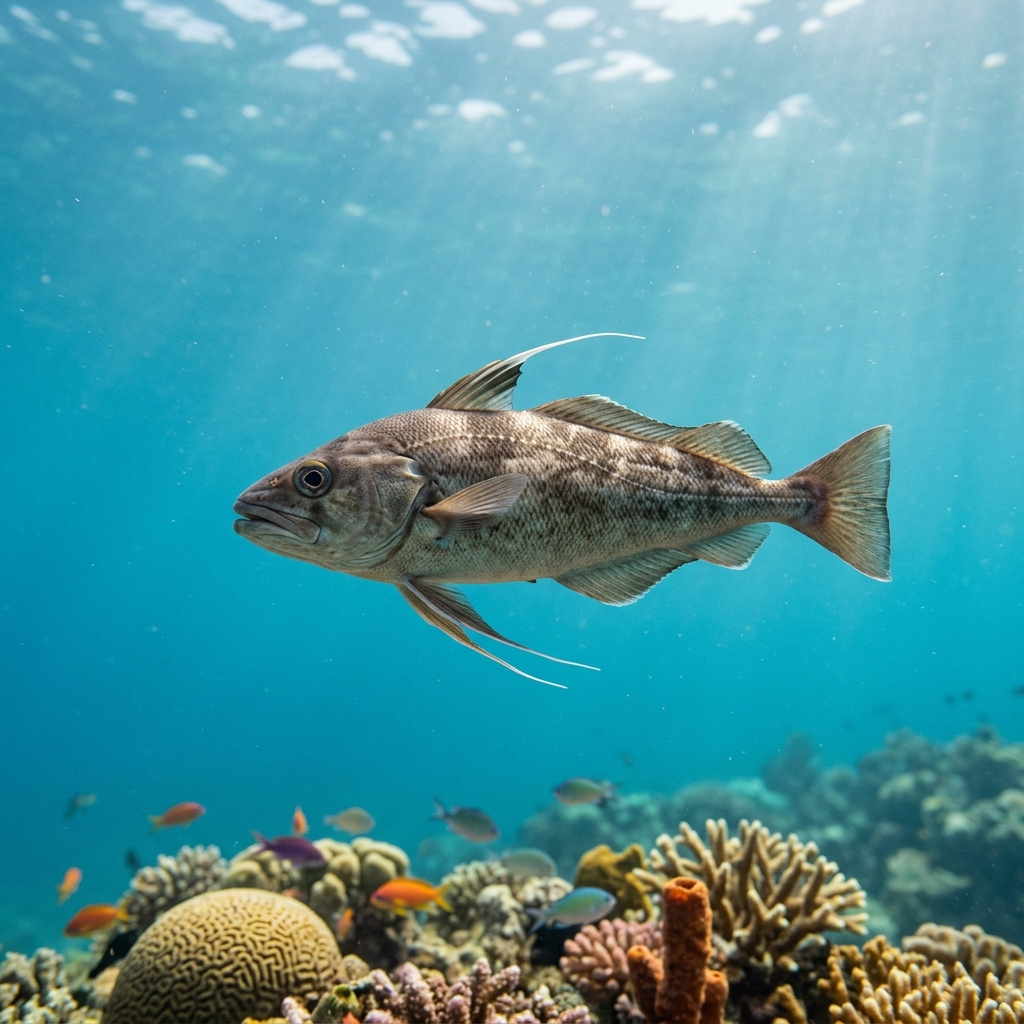
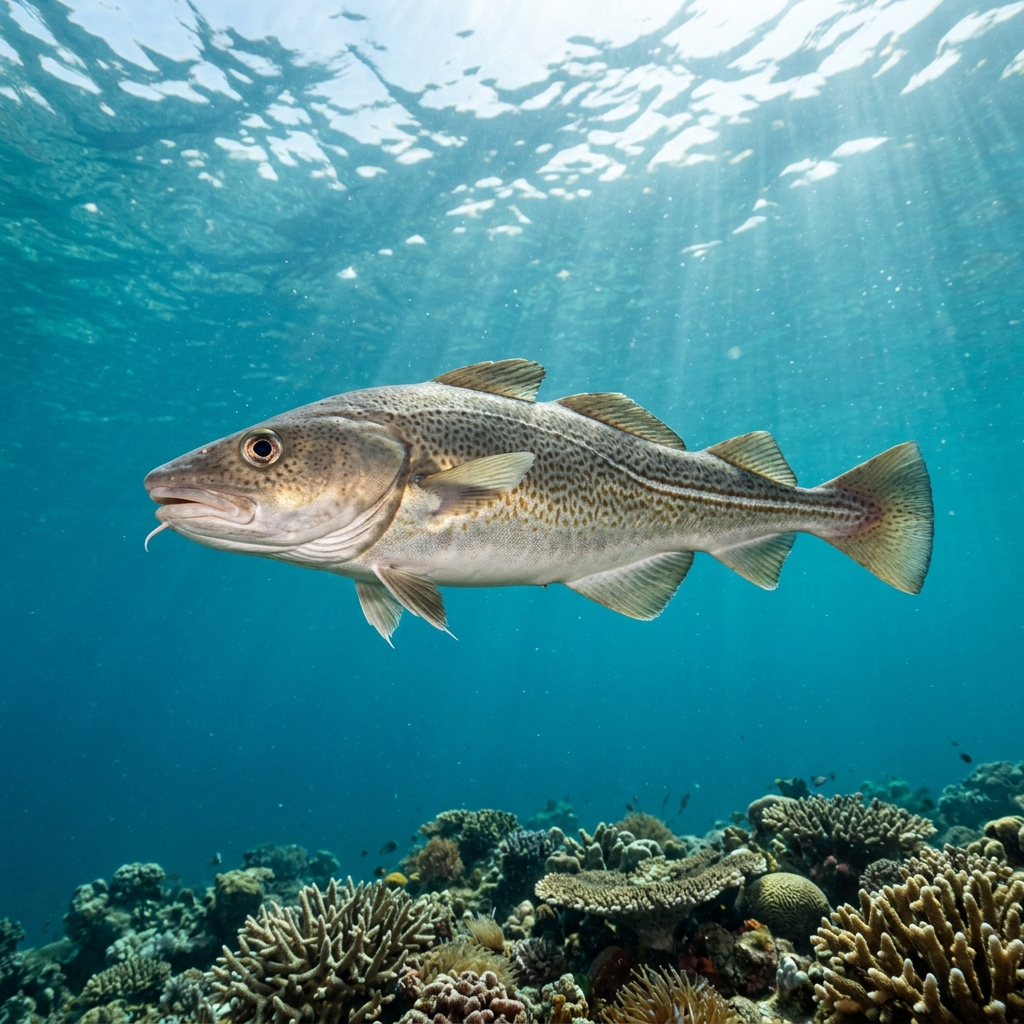
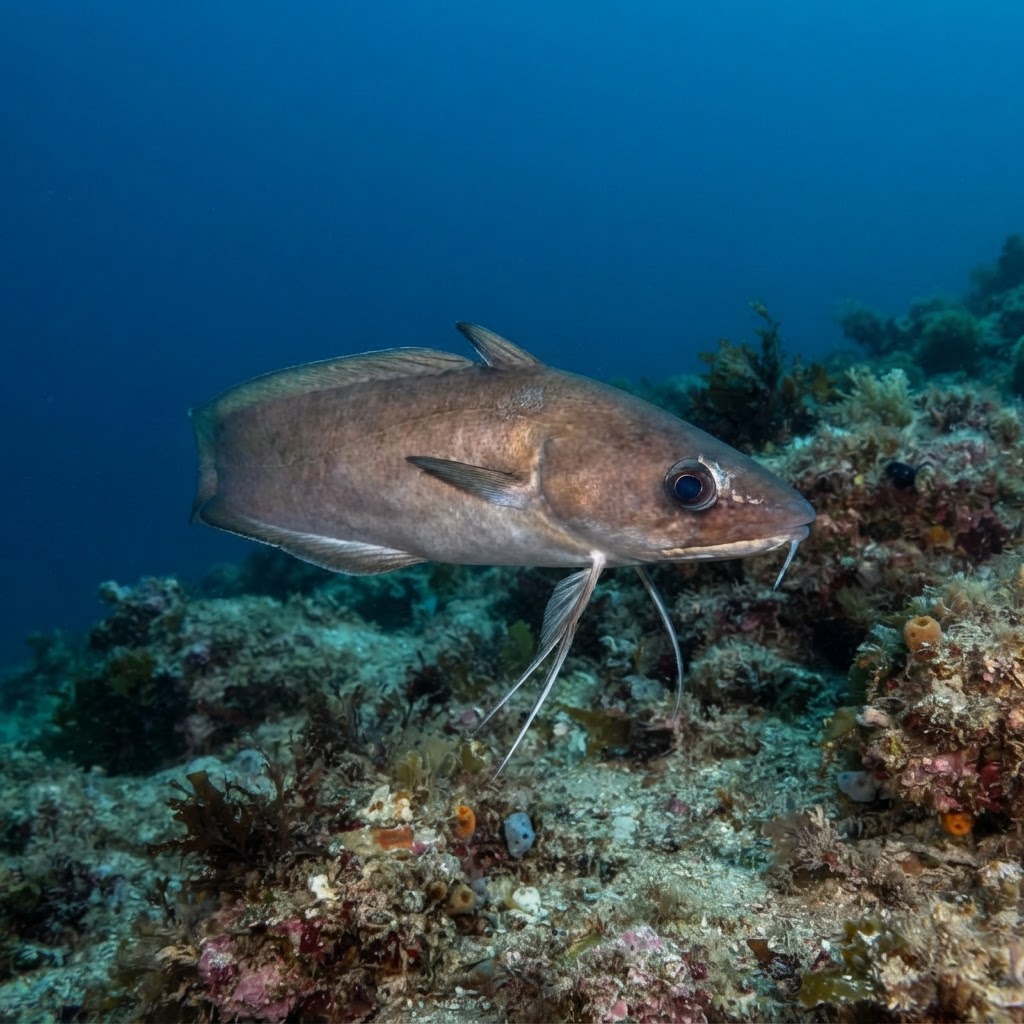
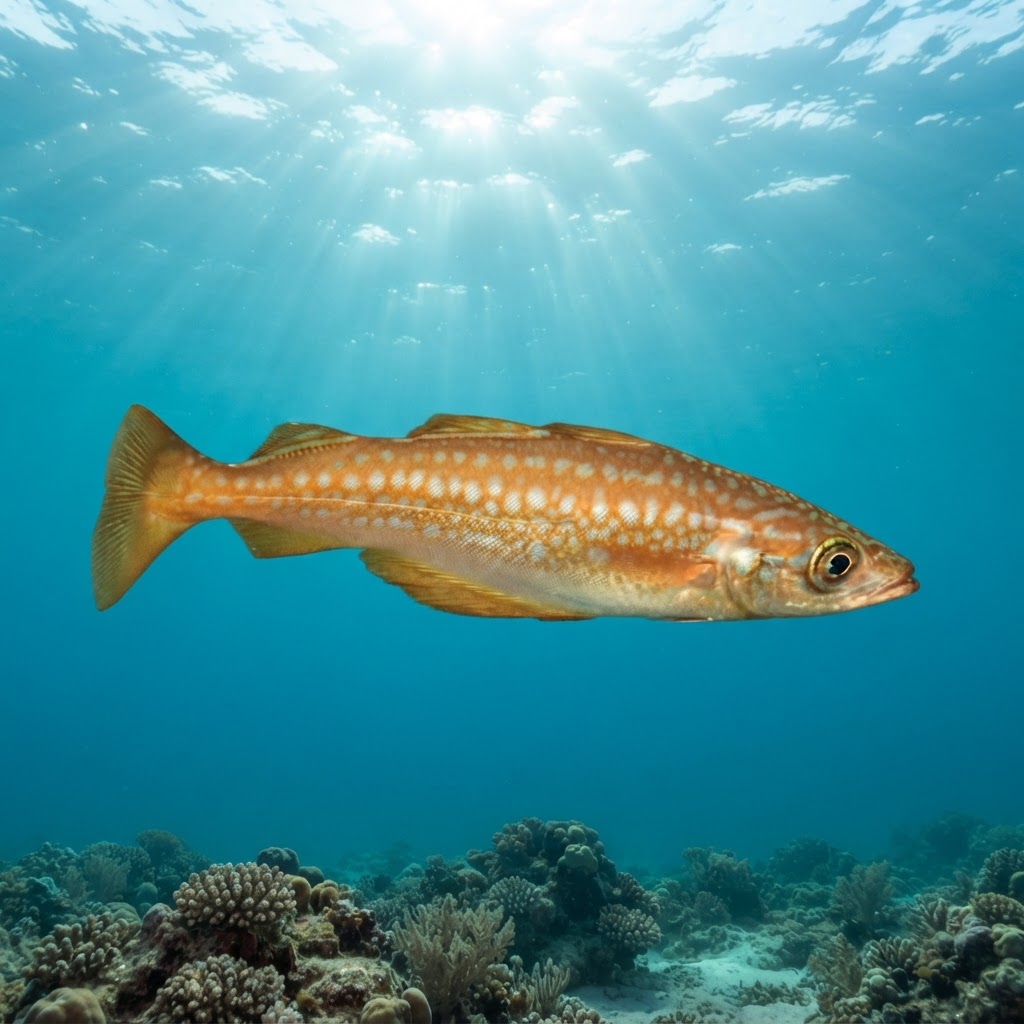
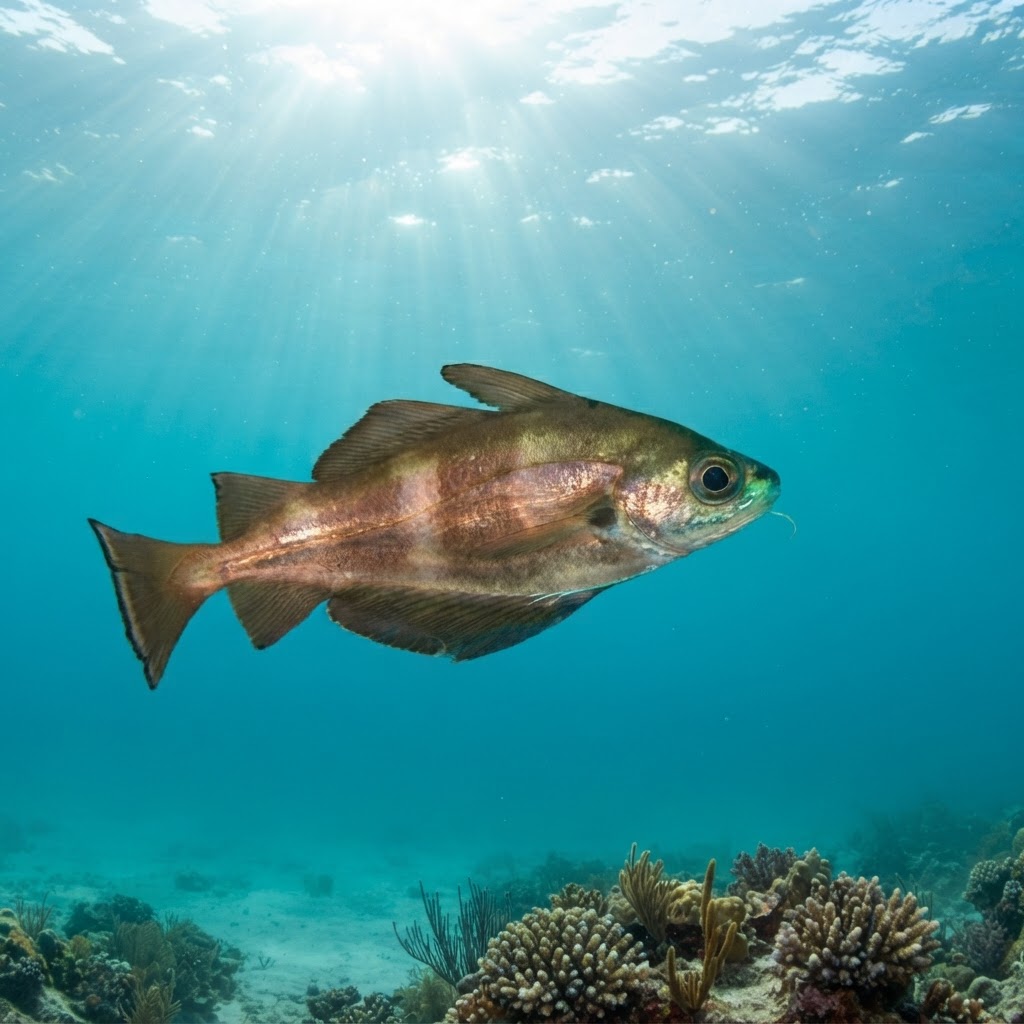
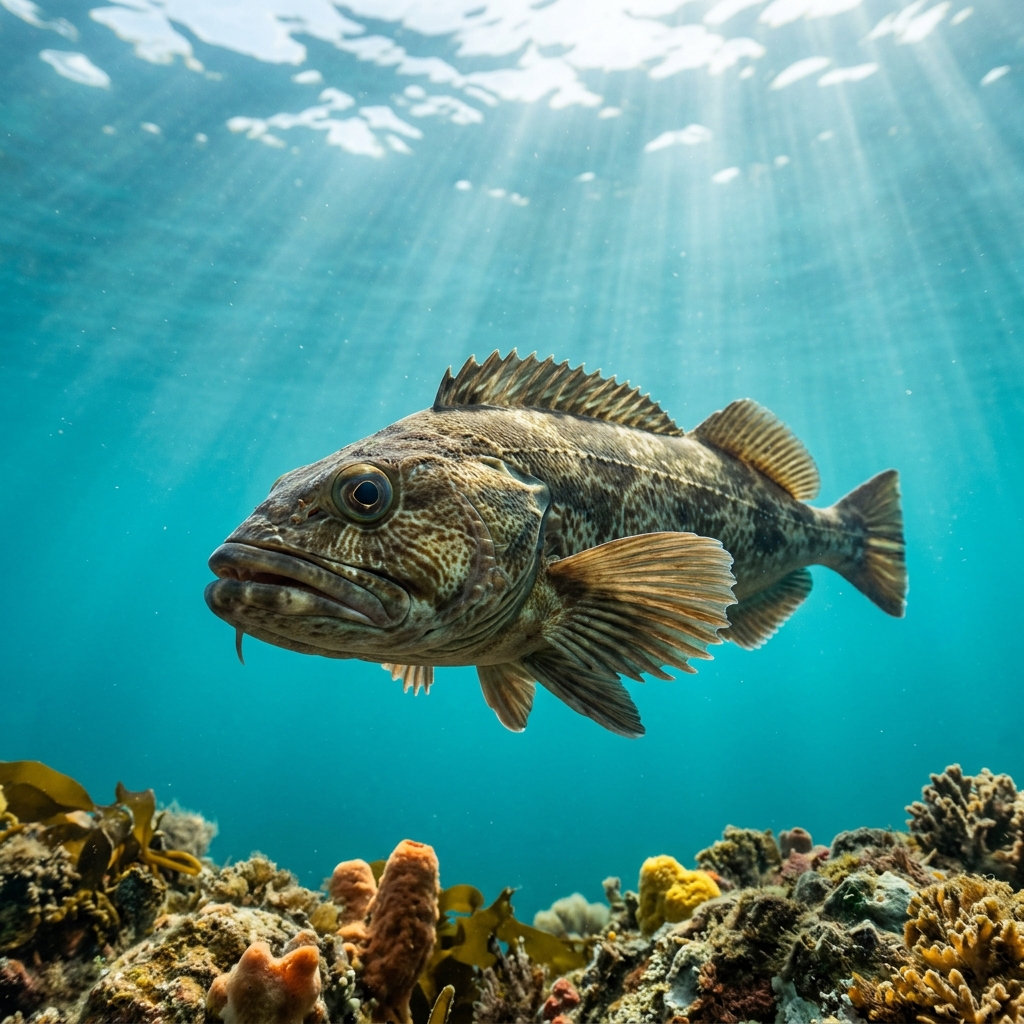
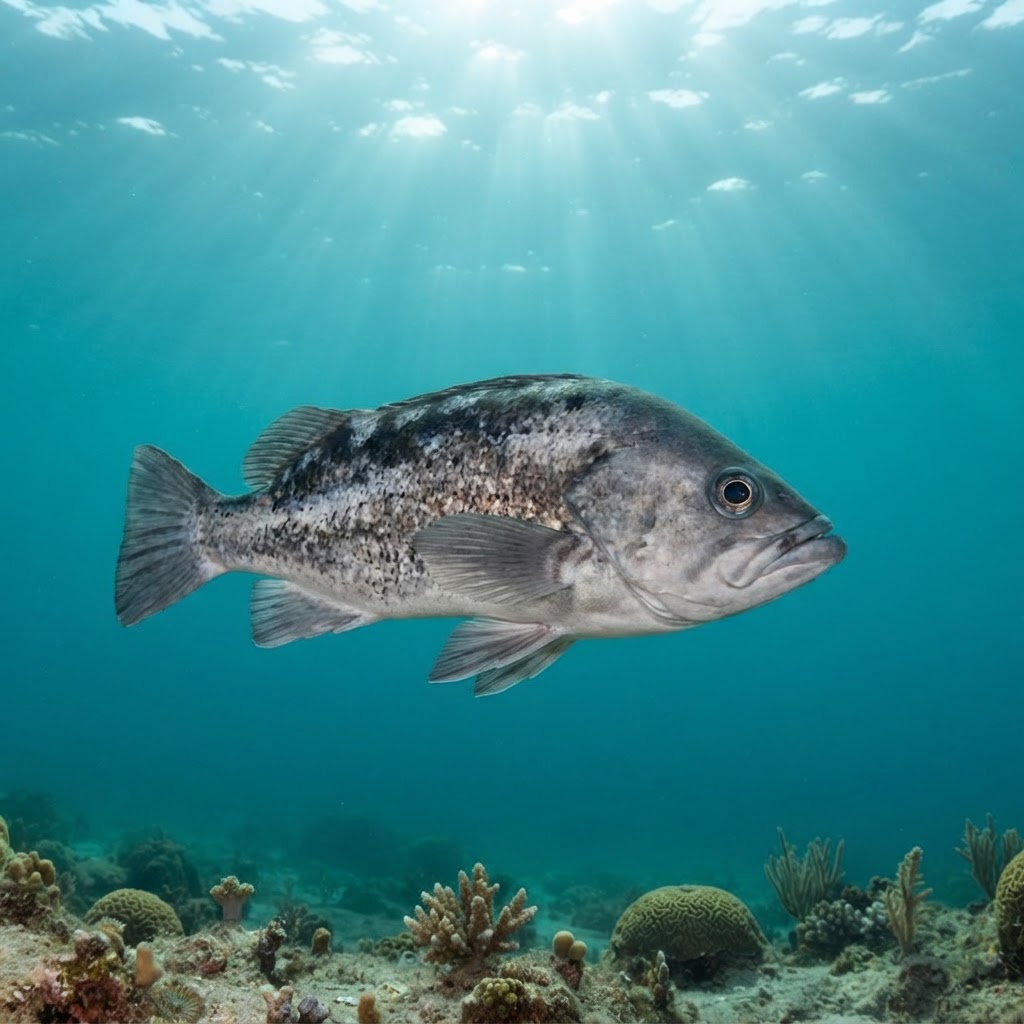
Look for a deep-bodied, slightly compressed fish up to about 44 cm, mottled dark grey to black over the back fading paler on the belly, with a large mouth and spiny dorsal fin held erect. It often hangs at an angle in mid-water rather than resting flat on the bottom, which is a useful cue against other rockfish species that hug the reef. There is no strong colour split between sexes reported, so identification comes down to body shape and that dorsal spine profile.
Divers most often find black rockfish holding steady in mid-water along rocky reefs and walls, sometimes in loose aggregations rather than tight to the substrate like many of their relatives. They tend to be cautious around divers, drifting off to a comfortable distance rather than bolting, and are logged mostly as single or scattered sightings rather than large groups. Most reports describe them as rare at a given site, so a sighting is more a matter of checking mid-water column carefully than expecting a guaranteed encounter.
Rockfish in this genus are known for unusually long lifespans for a fish this size, with some relatives documented living well past 50 years, which makes population recovery slow if local numbers drop.
Sightings show no detectable seasonal pattern, so treat this as a year-round possibility wherever the water sits in that 4 to 8 C range typical of British Columbia and the Pacific Northwest. Cold-water divers can look for it on any trip rather than planning around a particular month.
British Columbia is by far the strongest spot for this species, with California and the wider Pacific Northwest of the United States also producing regular logs. Divers in these cold-water regions should watch mid-water and along rocky walls rather than expecting a reef-bottom encounter.
Mapping where Black Rockfish is logged…
British Columbia in Canada is the strongest region for logged sightings, with California and the broader Pacific Northwest of the United States also producing regular records. Expect cold-water rocky reef and wall dives rather than tropical reef settings.
There is no clear seasonal pattern in the sighting data, so they are considered a year-round possibility in the cold waters they inhabit, typically 4 to 8 C. Plan around the region's dive season rather than a specific month.
Look for a deep-bodied fish to about 44 cm with a mottled dark grey to black back, paler belly, a large mouth, and a spiny dorsal fin held upright. It often hovers at an angle in mid-water rather than lying flat on the reef.
They typically reach around 44 cm in length, making them a mid-sized member of the rockfish family that divers can spot at a glance against smaller reef fish.
No, they are not considered dangerous to divers. They tend to keep a cautious distance rather than approach, so no special precautions are needed.
Like many of their rockfish relatives, they can live for decades, a trait unusual among fish of their size and one reason local populations can take a long time to bounce back if disturbed.
Site and sighting data is aggregated from diver logs, iNaturalist and GBIF. For taxonomy and conservation status:
Pollack
282 sites