Macropharyngodon negrosensis
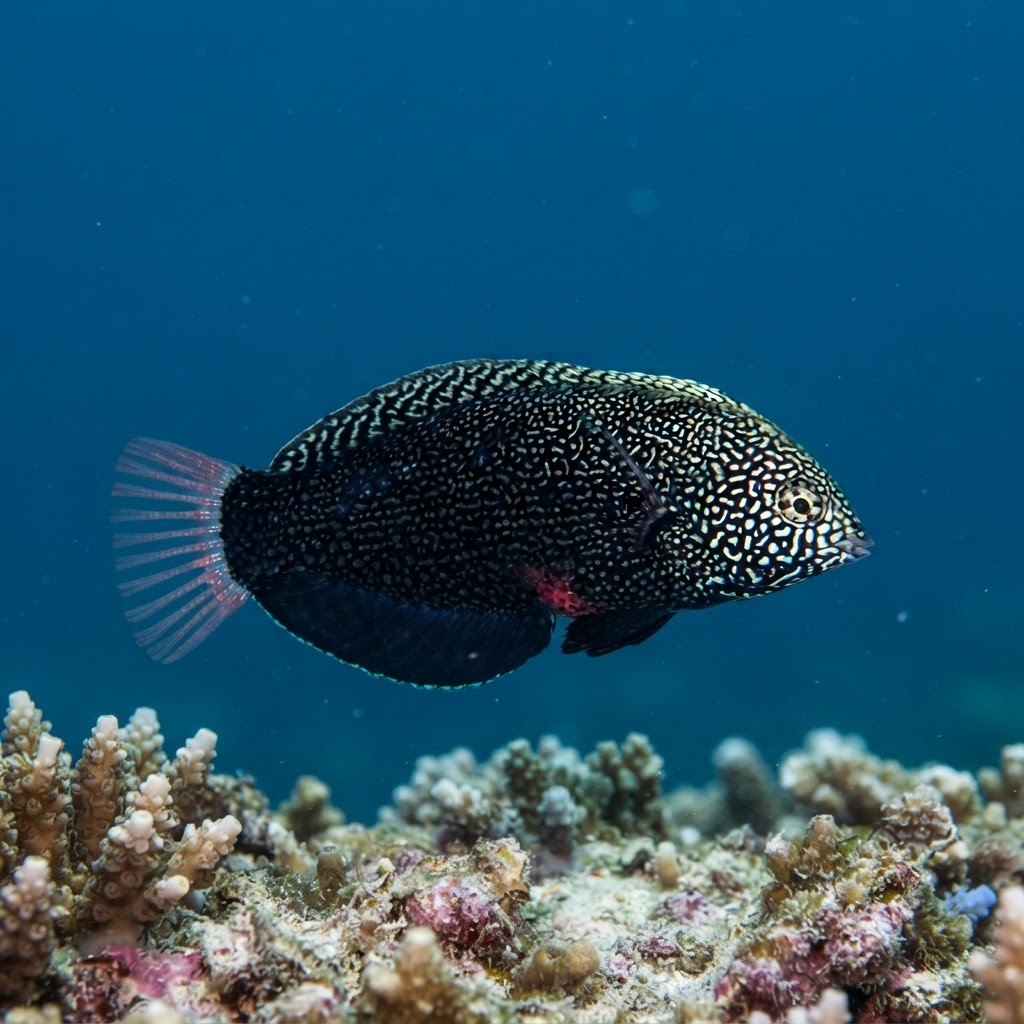
White body covered in black leopard spots, most reliably found on reefs across the Visayas, Philippines, in 25-29C water.
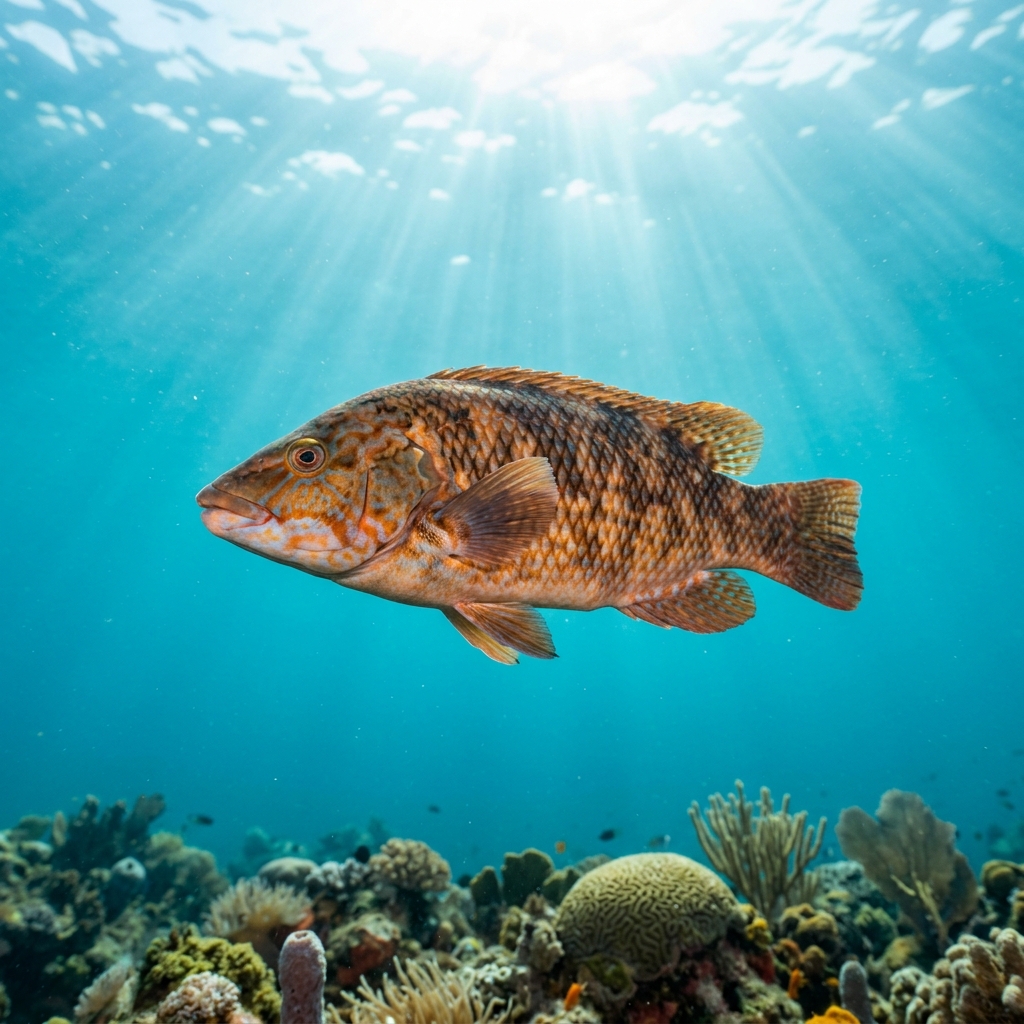
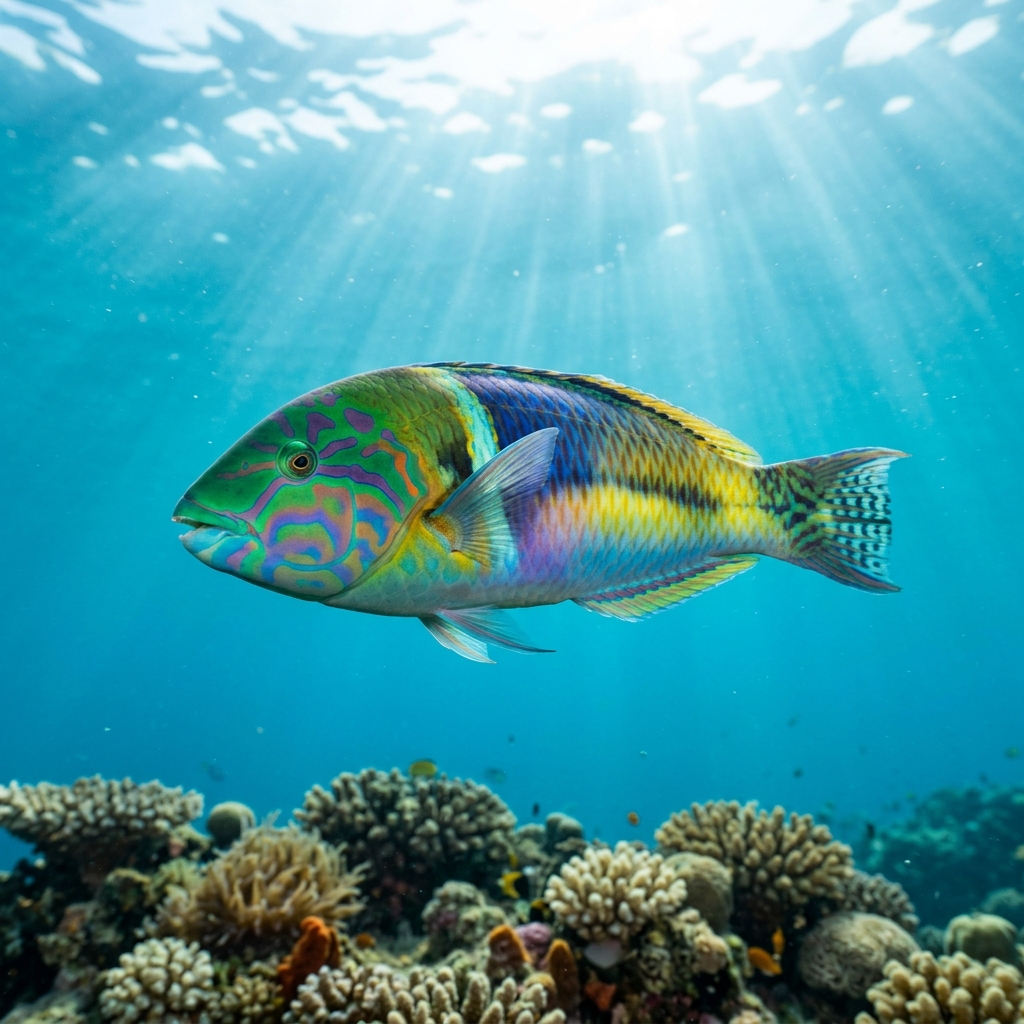
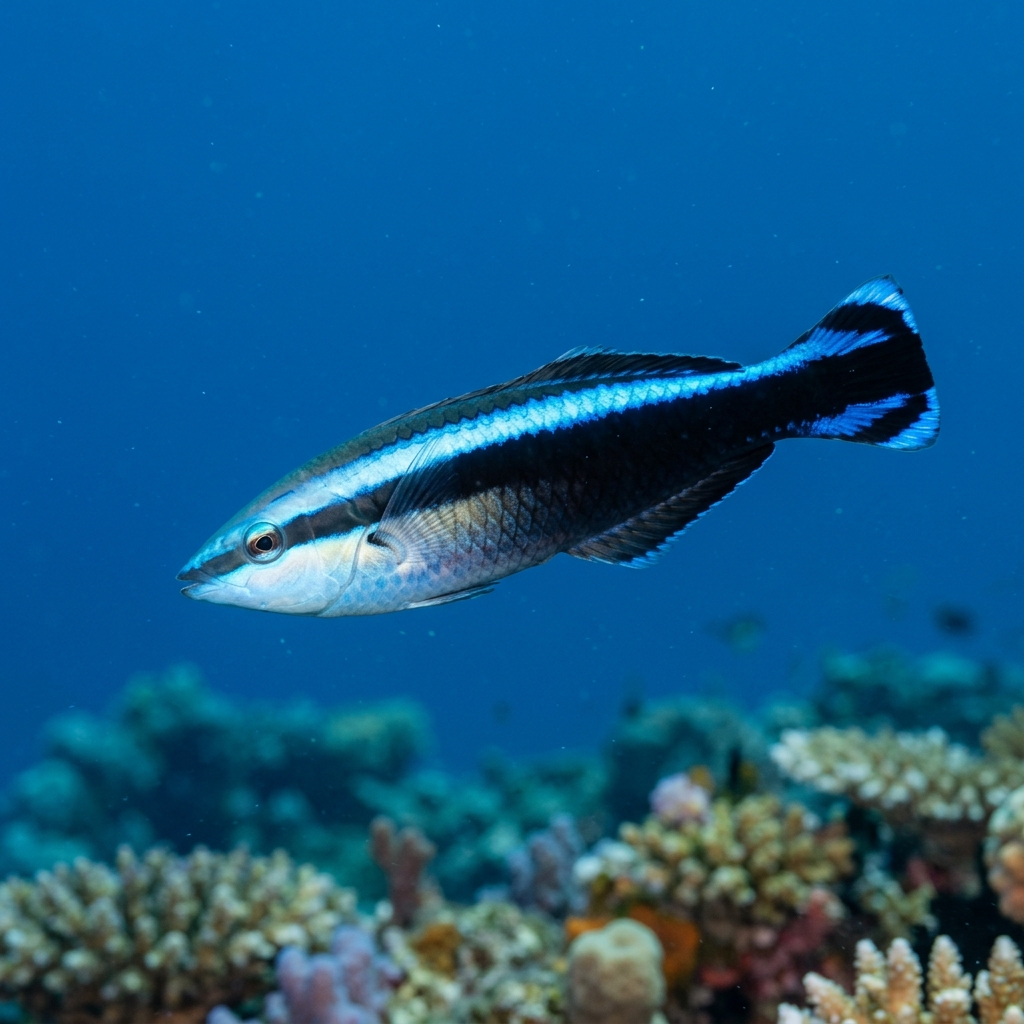
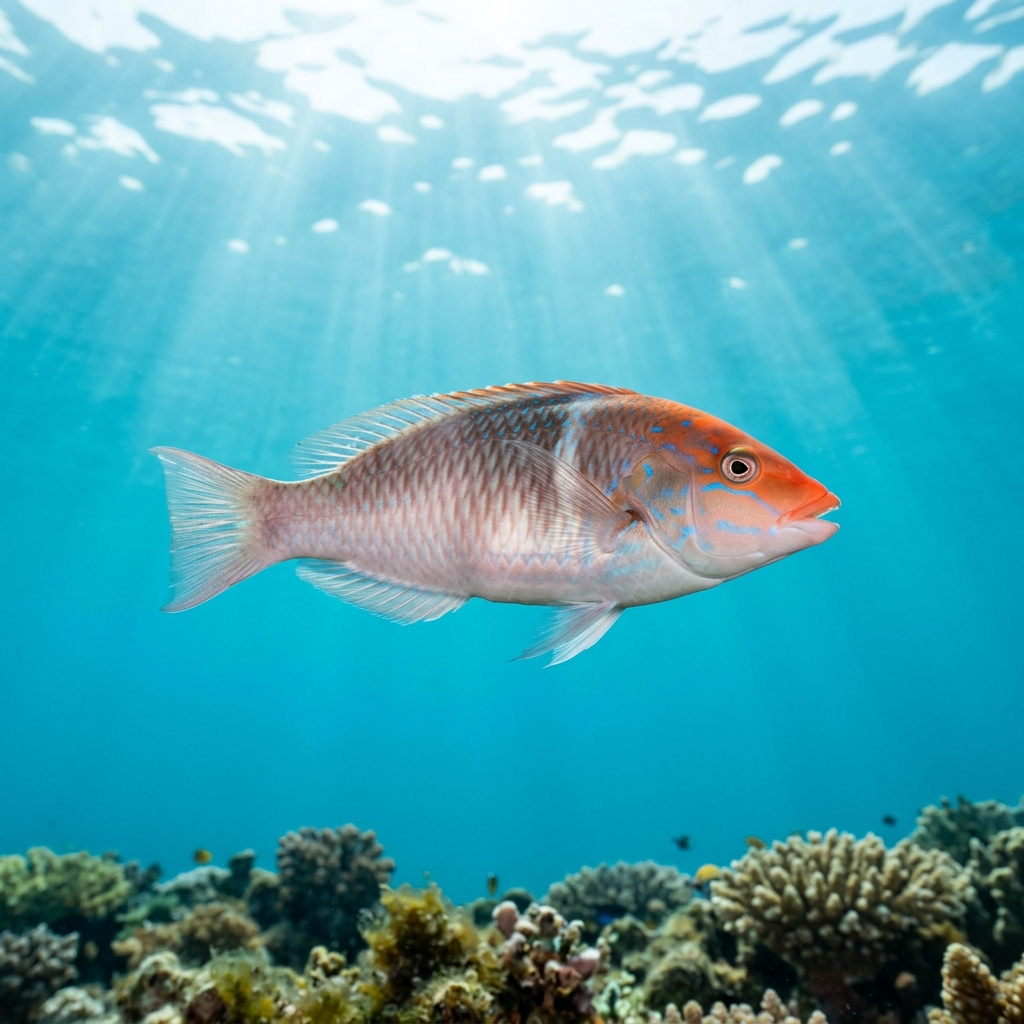
A small wrasse, around 8 cm, with a white to pale-grey body covered edge to edge in bold black leopard-print spots, giving it a distinctive polka-dot look against reef sand and rubble. It swims with a darting, stop-start motion low over the substrate rather than cruising open water. Look for a slightly pointed snout and a slim, elongated body shape typical of sand-dwelling wrasses.
Spends most of its time picking through sand and rubble patches at the base of the reef, hunting small invertebrates hidden in the substrate. It tends to be flighty and quick to dart for cover when divers get close, so slow, low approaches give the best chance of a good look. Sightings cluster in the 8 to 32 m range, putting it firmly in the realm of reef and rubble slopes rather than shallow snorkel zones.
Like other sand wrasses, it buries itself in loose sand when startled or at night, using the substrate as instant cover rather than fleeing into the reef.
No clear seasonal pattern shows up in the sightings, and with a comfortable temperature range of 25.2 to 29.0C it stays active on tropical reefs year-round. Plan around good visibility and calm conditions for spotting it rather than a particular month.
Most reliably logged in the Philippines, especially across the Visayas and Luzon, which together account for the bulk of recorded sightings. Indonesia is the next best bet, with records from Sulawesi, Nusa Tenggara and Bali, and it has also been spotted off Longdong in Taiwan. Across its range it turns up as an uncommon find rather than a guaranteed sighting, so treat it as a bonus spot on a reef dive rather than the main target.
Mapping where Black Leopard Wrasse is logged…
The Visayas and Luzon in the Philippines are the most productive regions, with further sightings across Sulawesi, Nusa Tenggara and Bali in Indonesia, and occasional records off Taiwan.
There is no strong seasonal pattern in the data, and it stays within a warm 25.2 to 29.0C range year-round, so sightings are possible on any dive trip to its range.
Look for a small, slender wrasse with a white body covered in dense black leopard-style spotting, darting low over sand and rubble patches near the reef base.
They stay small, typically around 8 cm long, making them one of the more petite wrasses divers spot while scanning sand patches.
They show up as an uncommon sighting at most sites where they have been logged, with only a handful of locations reporting them as a common find, so spotting one is a nice surprise rather than a sure thing.
Site and sighting data is aggregated from diver logs, iNaturalist and GBIF. For taxonomy and conservation status:
Cleaver Wrasse
2,700 sites