Anampses neoguinaicus
Small reef wrasse most reliably logged around Queensland and Taveuni, Fiji, in warm 24-29C water year-round.
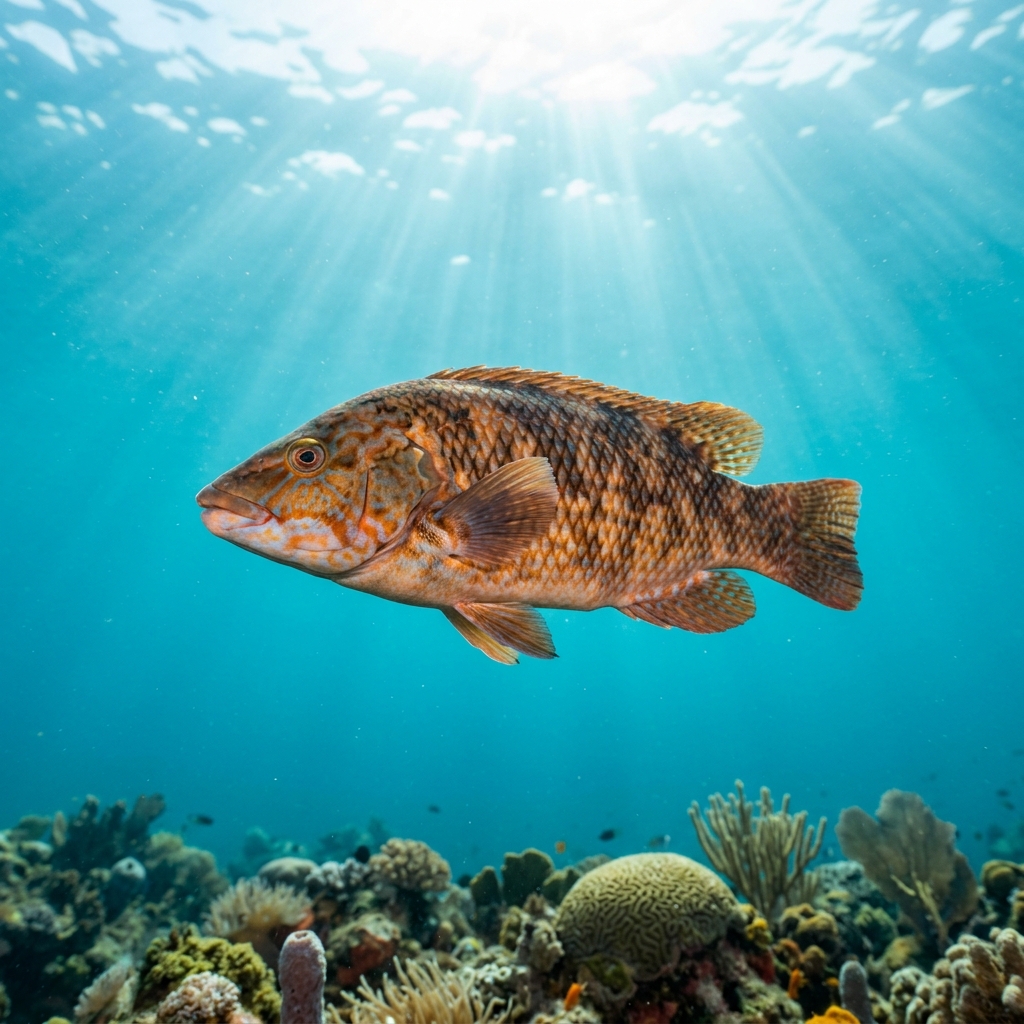
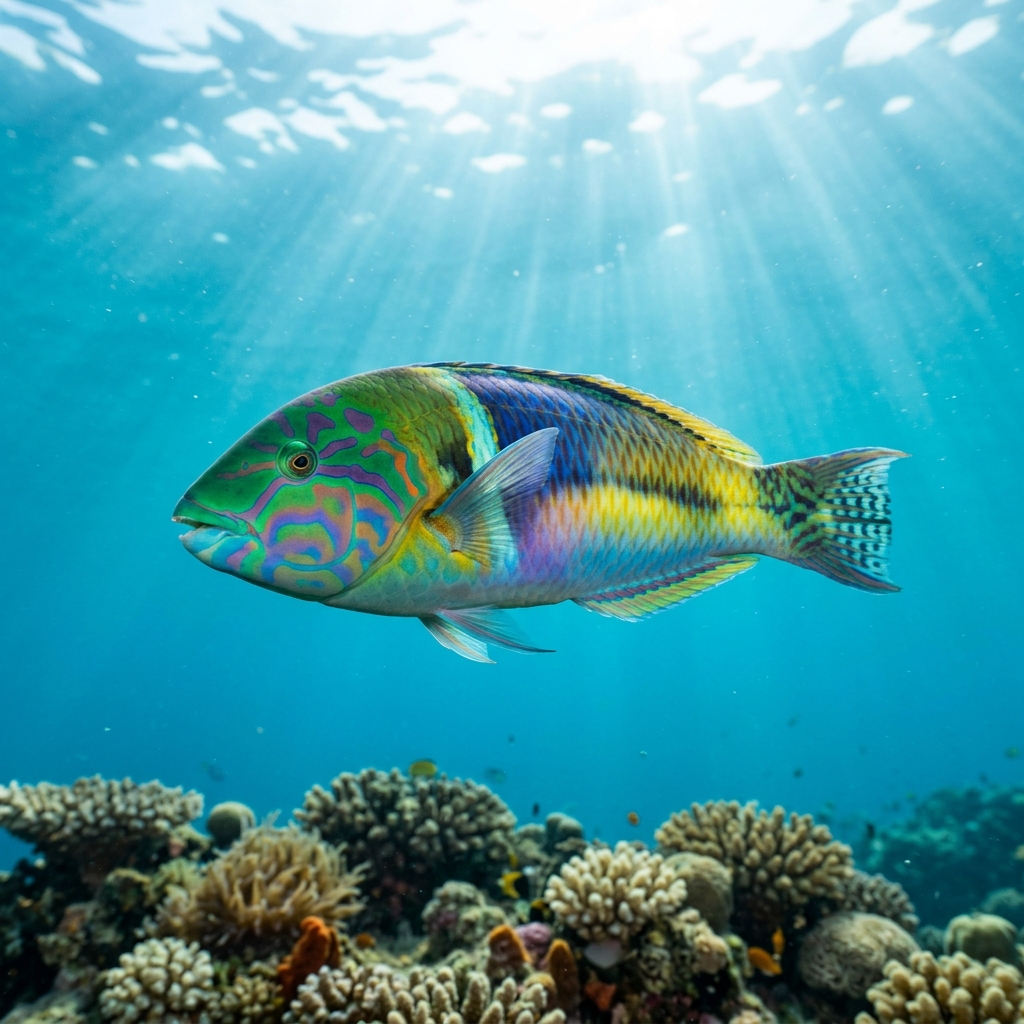
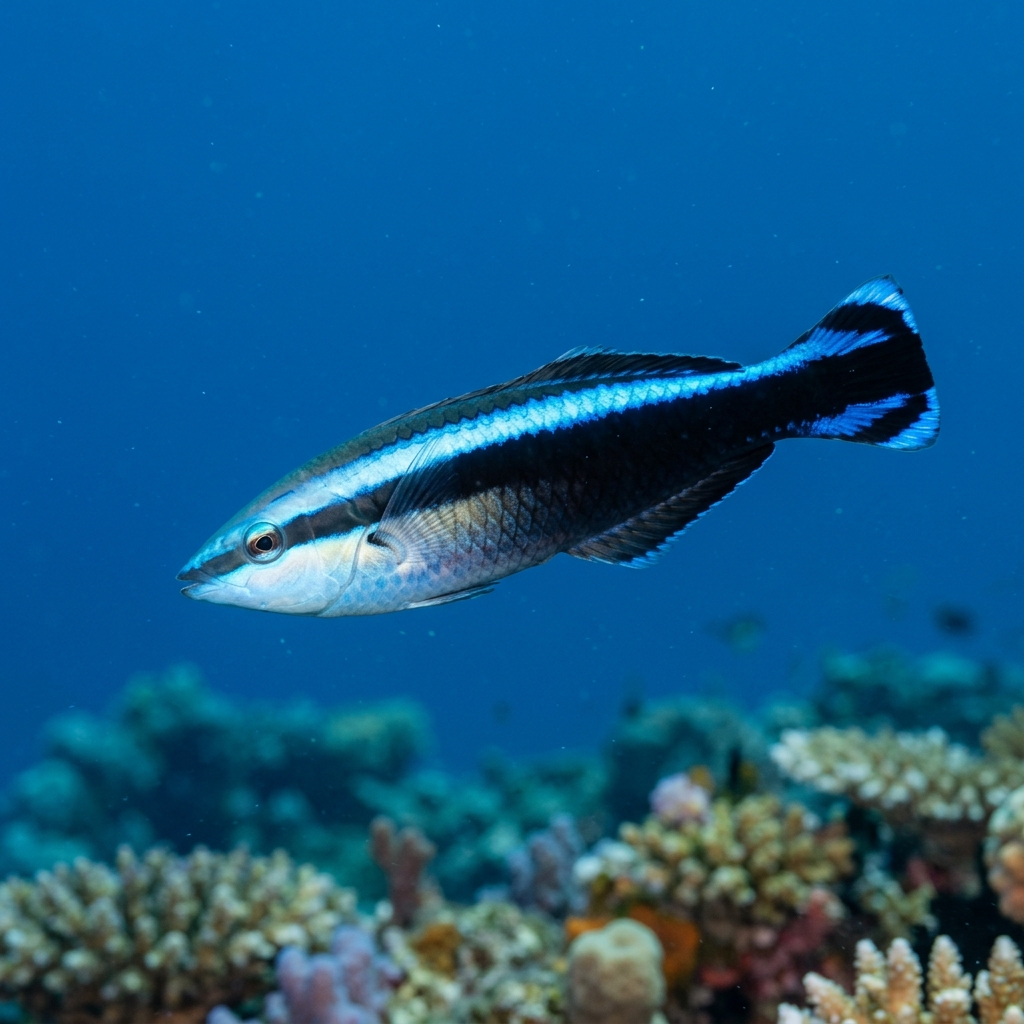
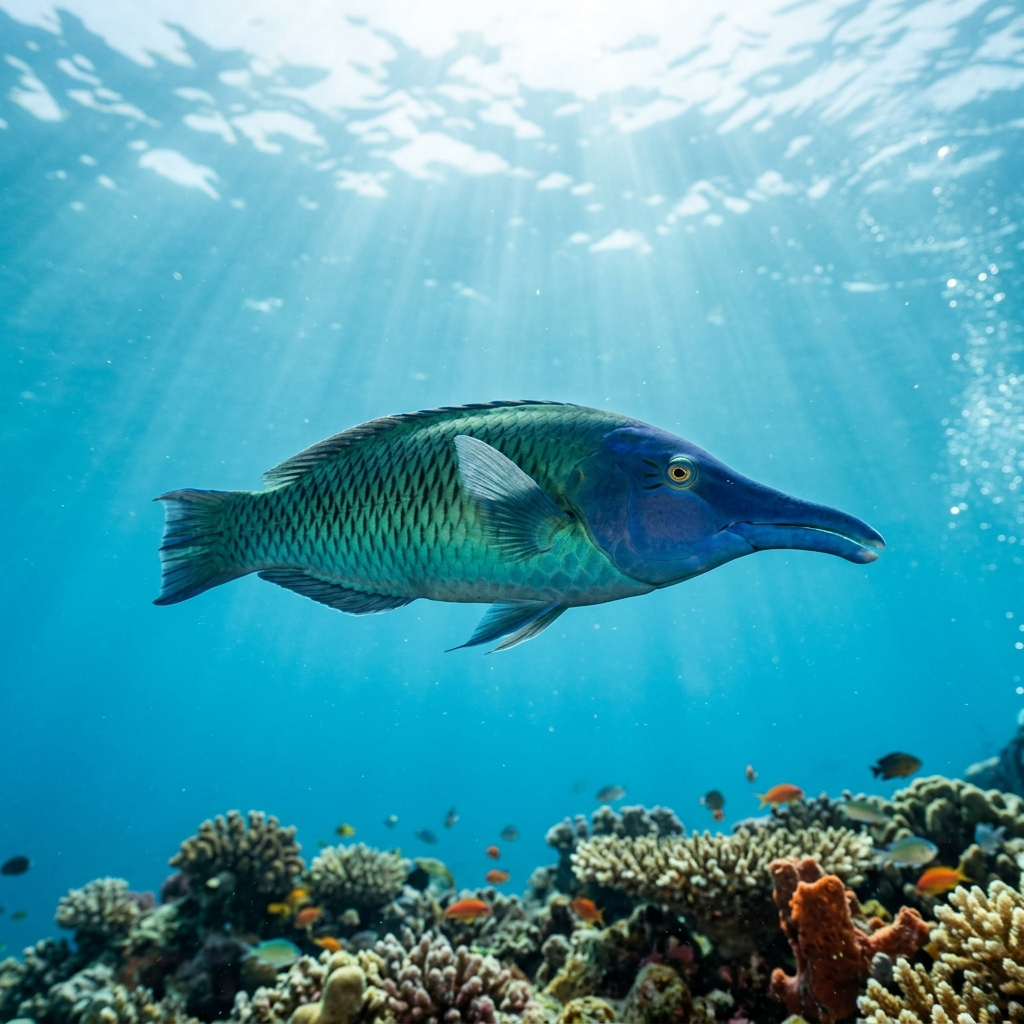
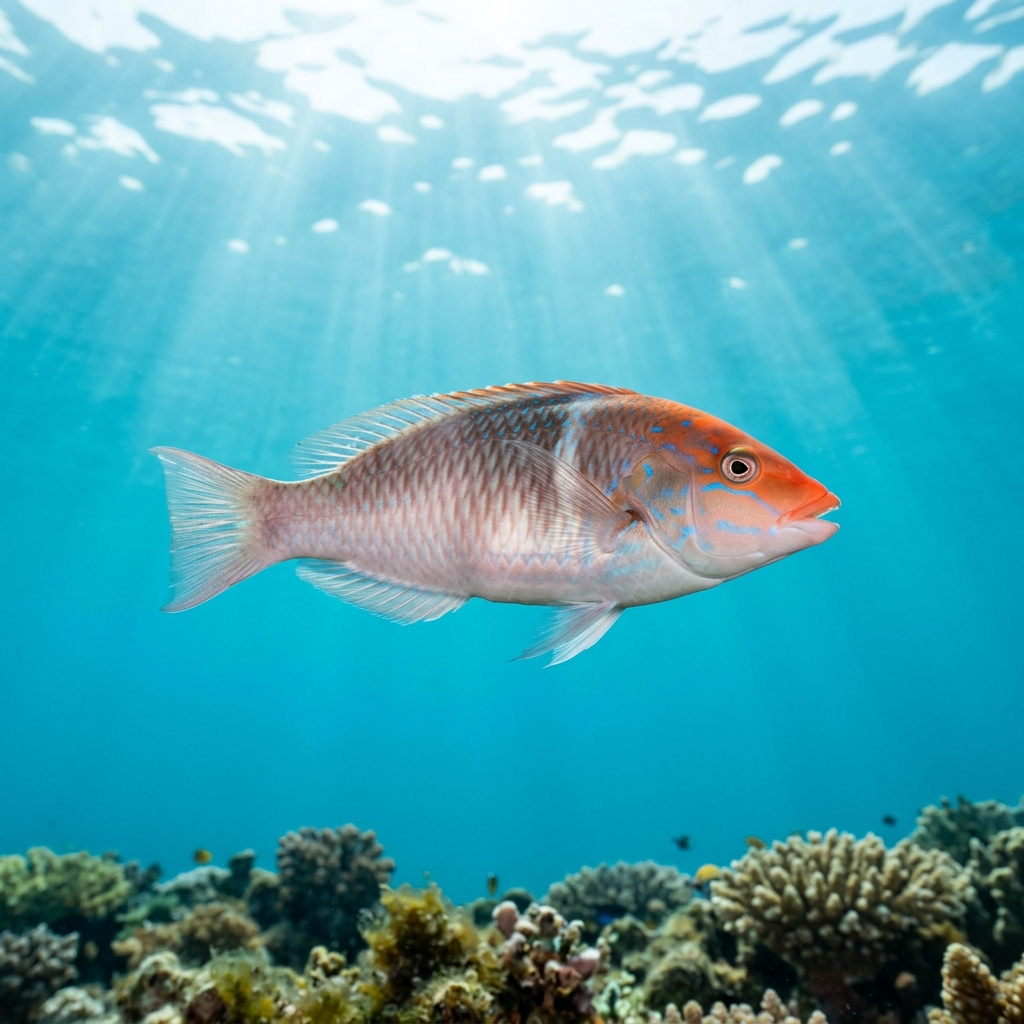
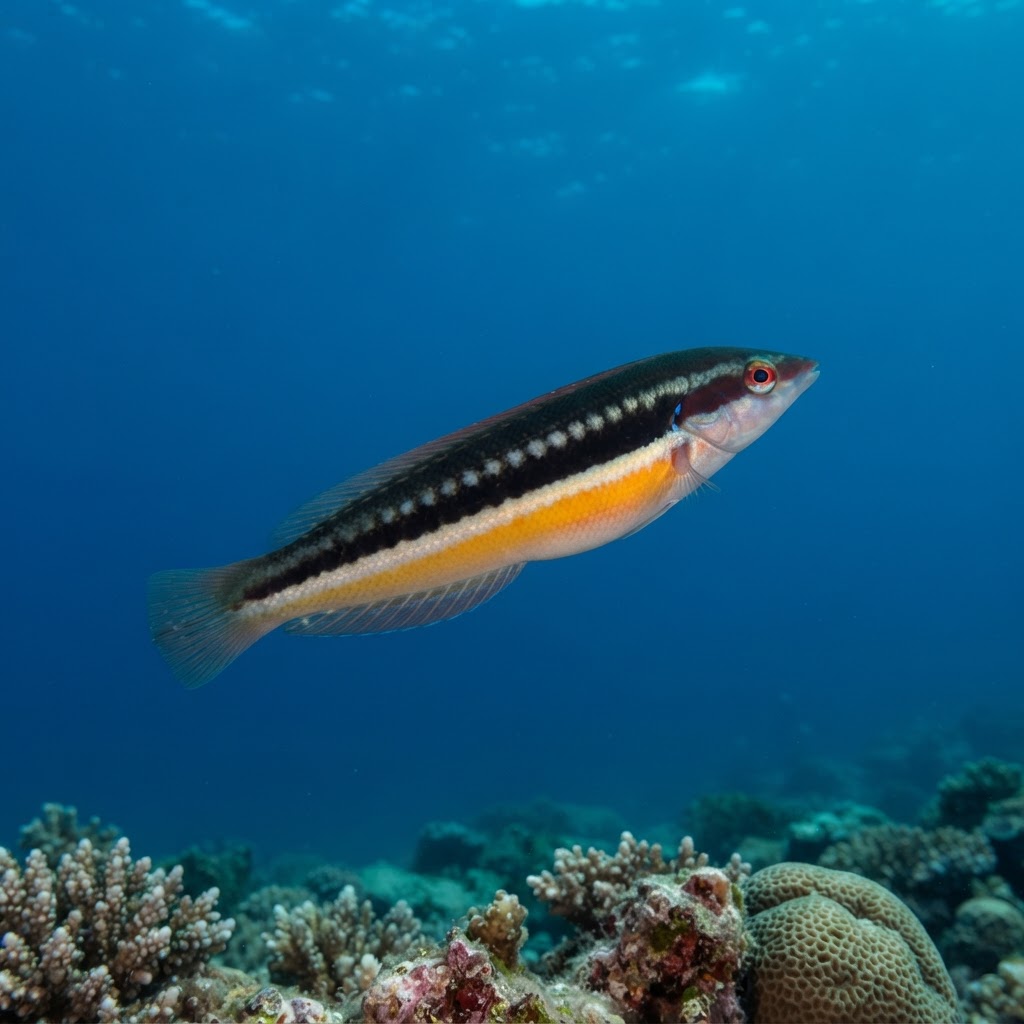
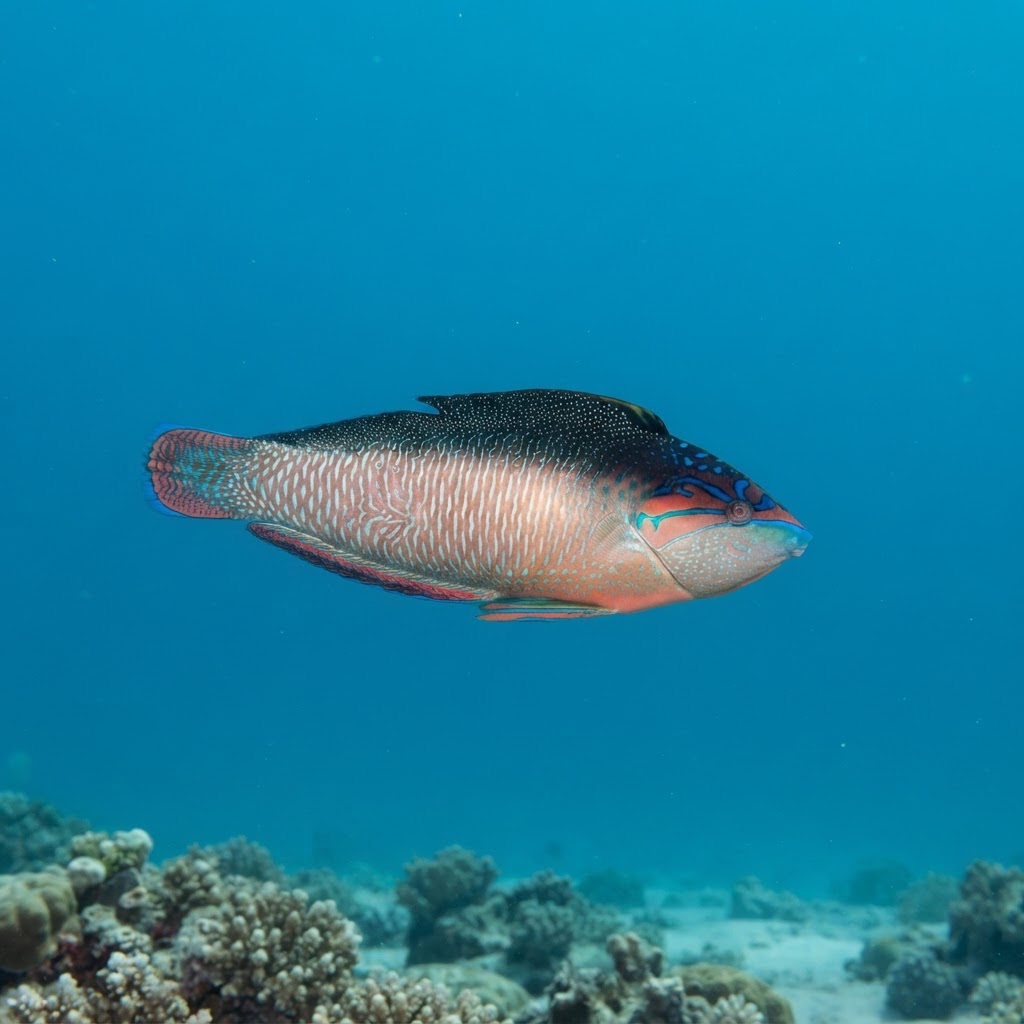
A slim, small wrasse topping out around 14 cm, easy to overlook against a busy reef backdrop. Look for the dark bands crossing a lighter body, giving it a barred rather than spotted look, with a pointed snout typical of the genus. It swims low over the reef in short darting bursts rather than cruising in open water.
Divers typically find it picking over rubble patches and reef crevices at shallow to moderate depth, hunting small invertebrates rather than schooling in open water. It tends to keep a low profile, darting between bommies and coral heads when approached rather than holding still for a photo. Most sightings come from reef flats and slopes down to around 30 metres, logged as uncommon at most sites and common at a smaller cluster of them.
Like other Anampses wrasses, it likely buries itself in sand at night or when startled, a defence trick that makes daytime sightings the only realistic way to spot one.
No clear seasonal pattern shows up in the sightings, and with a comfortable range of 24.6 to 29.3C it stays active on these reefs year-round. Plan around good visibility and calm conditions at your chosen site rather than a particular month.
Most consistently logged on reefs off Queensland, Australia, with a strong secondary population around Taveuni in Fiji. Smaller numbers turn up around Nouméa and Hienghène in New Caledonia, and it has also been recorded once off New South Wales.
Mapping where Black-banded Wrasse is logged…
Queensland, Australia is the most reliable region, with Taveuni in Fiji a strong second. Smaller populations are logged around Nouméa and Hienghène in New Caledonia.
There is no strong seasonal signal in the sightings, and warm water in the 24.6 to 29.3C range keeps it on these reefs all year, so any month works.
Look for a small wrasse, around 14 cm, with dark bands crossing a paler body and a pointed snout. It stays low over the reef, darting between crevices rather than swimming in open water.
They reach roughly 14 cm, making them one of the smaller reef wrasses divers log on Indo-Pacific reefs.
No, they pose no danger to divers. They are small, reef-associated carnivores that keep their distance and pose no threat.
Site and sighting data is aggregated from diver logs, iNaturalist and GBIF. For taxonomy and conservation status:
Bird Wrasses
3,632 sites