Cheiloprion labiatus
Rare, thick-lipped damselfish tied to Acropora coral around Nouméa and Raja Ampat in 27-29C water year-round.
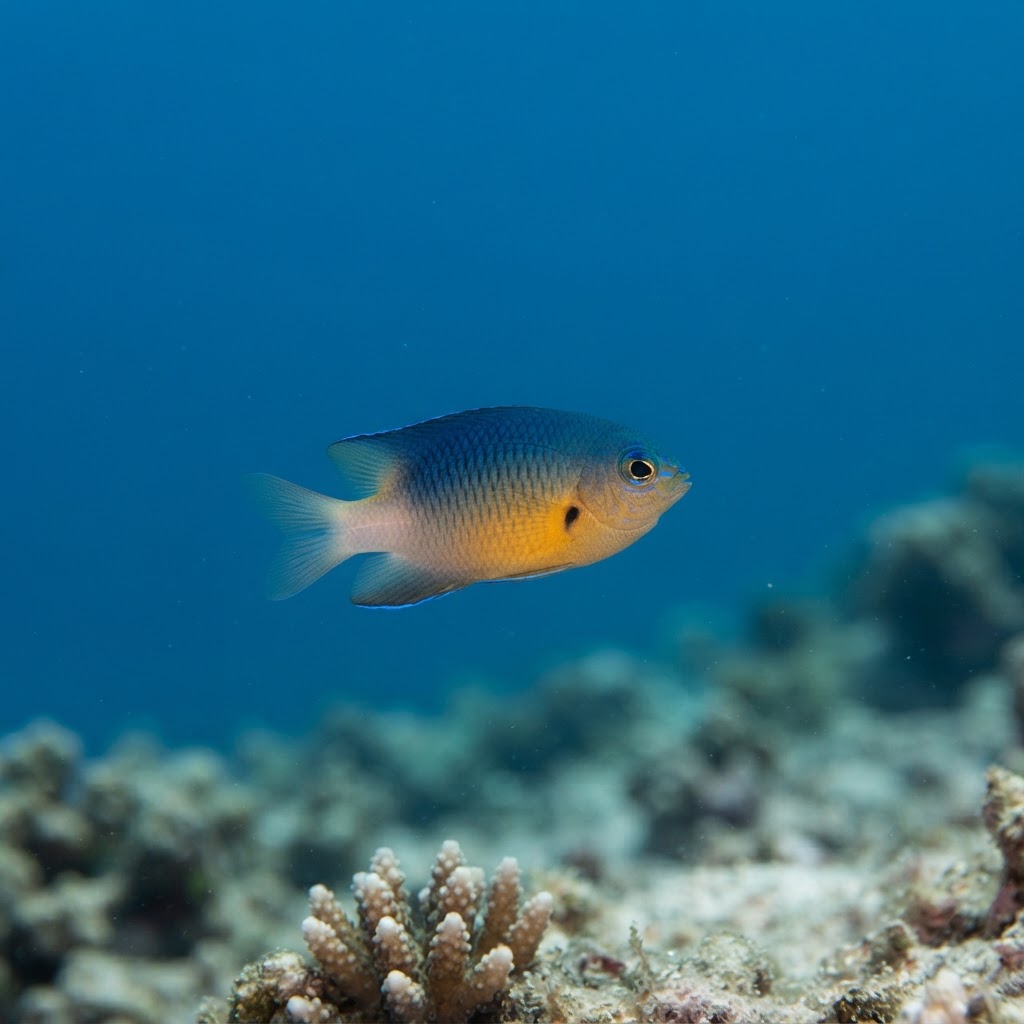
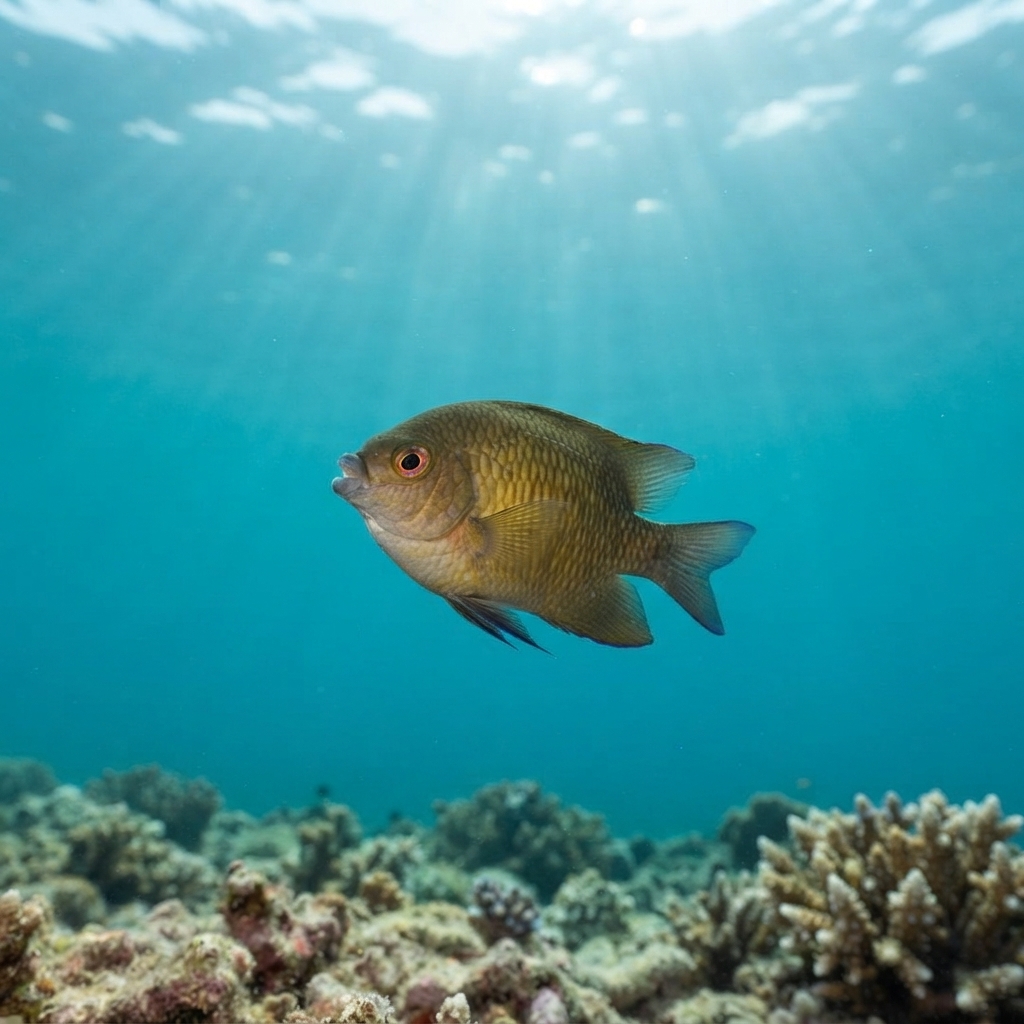
Small at around 4 cm, with a stocky grey-brown body and a noticeably thick, swollen upper lip that gives the species its name. Look for a dark smudgy bar or blotch through the eye and a pale rear body, though the colouring can look plain from a distance. It rarely strays far from a single coral head, which is often the fastest way to pick it out from other small damselfish nearby.
Sticks close to its home coral colony, usually a bushy Acropora, darting in and out of the branches rather than roaming the open reef. Divers report it as shy and quick to retreat into cover when approached, so a slow, patient hover near the right coral head gives the best chance of a good look. Most sightings happen during the day on shallow to mid-depth reef flats where its host coral grows thickest.
Its swollen lips aren't decorative, they're thought to help it feed almost exclusively on the tissue and mucus of live Acropora coral, a diet shared by very few other damselfish.
No clear seasonal pattern shows up in the data, and the 27.1 to 29.3C range it's been recorded in is typical of tropical reefs year-round, so any time you're diving Nouméa or Raja Ampat is fair game.
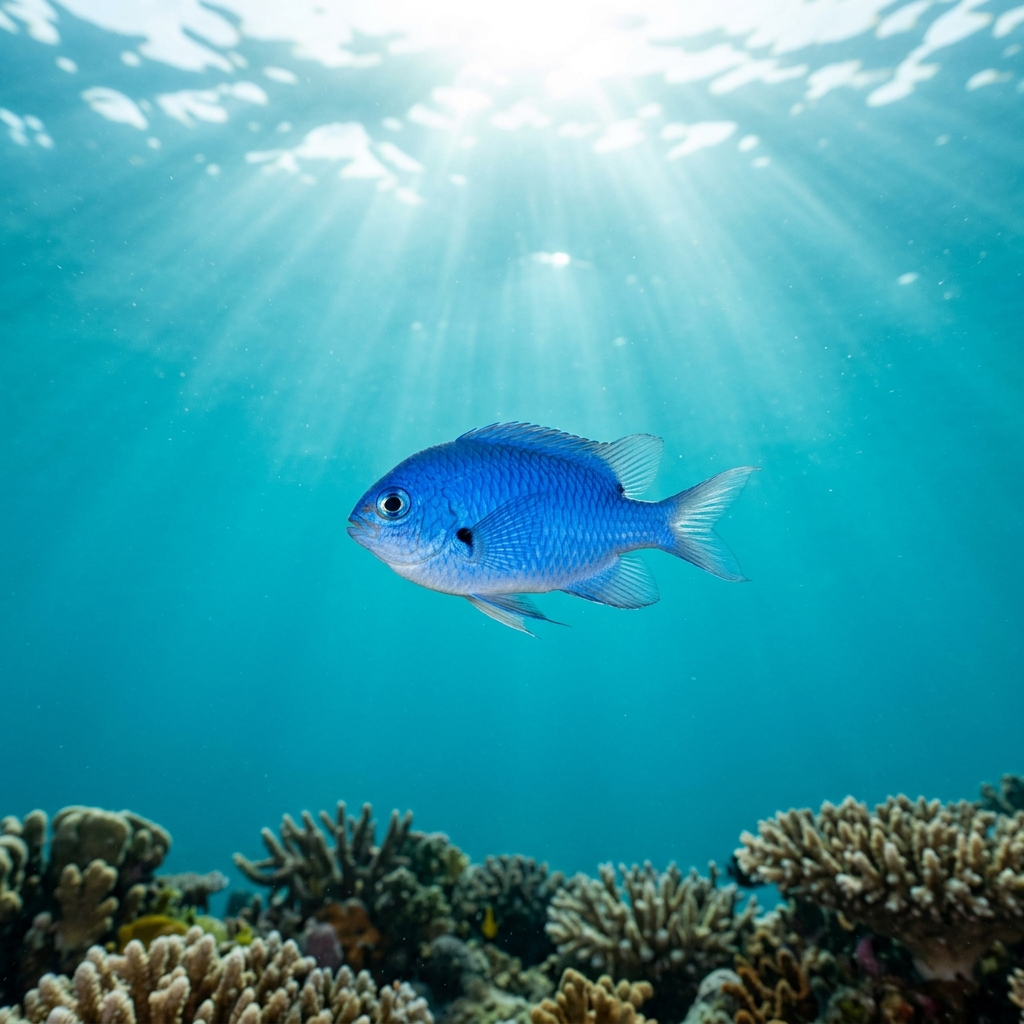
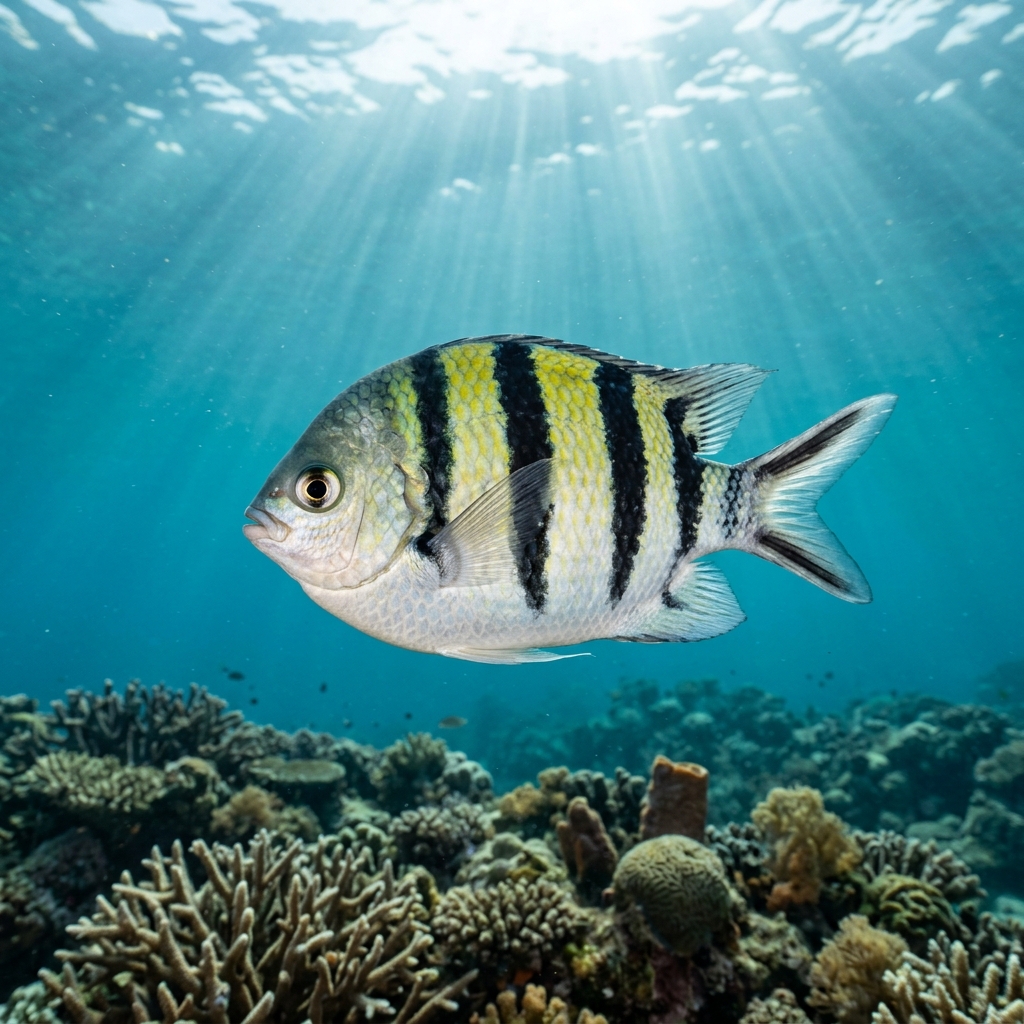
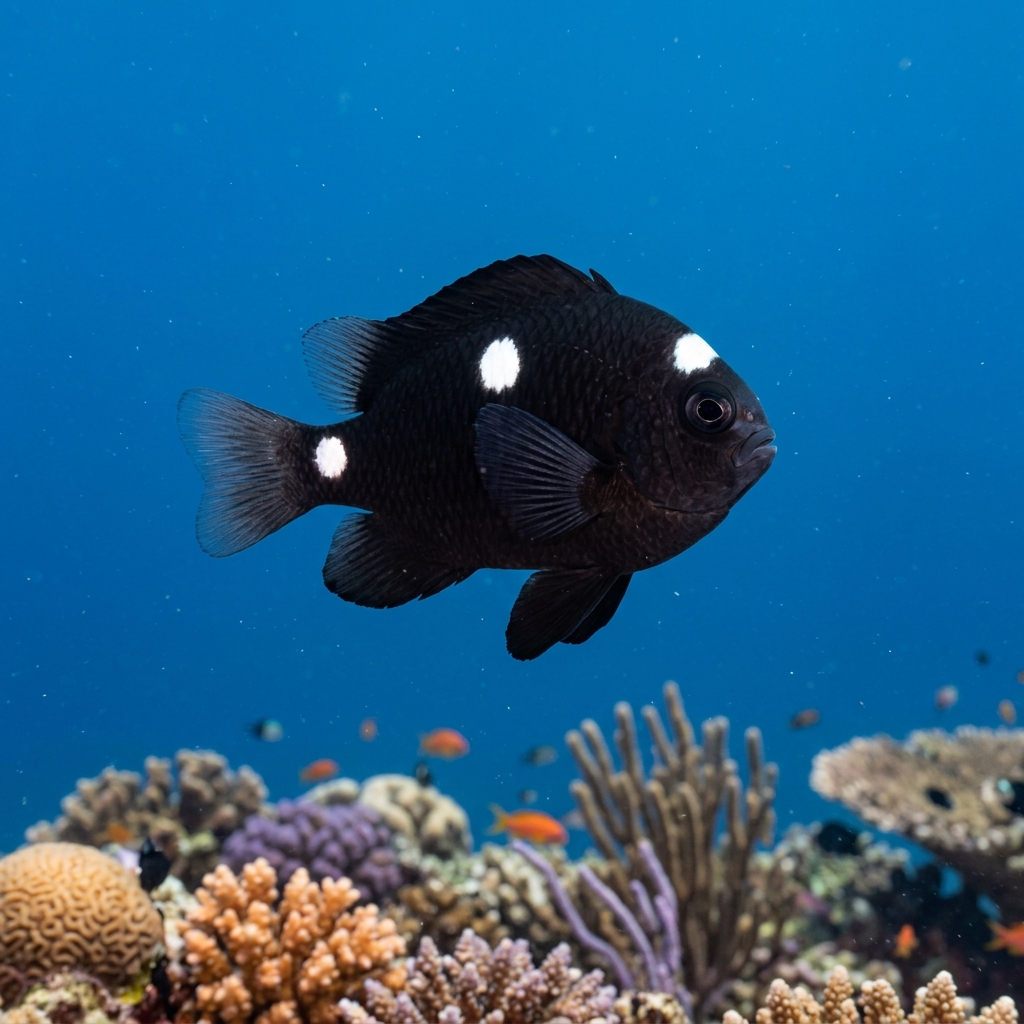
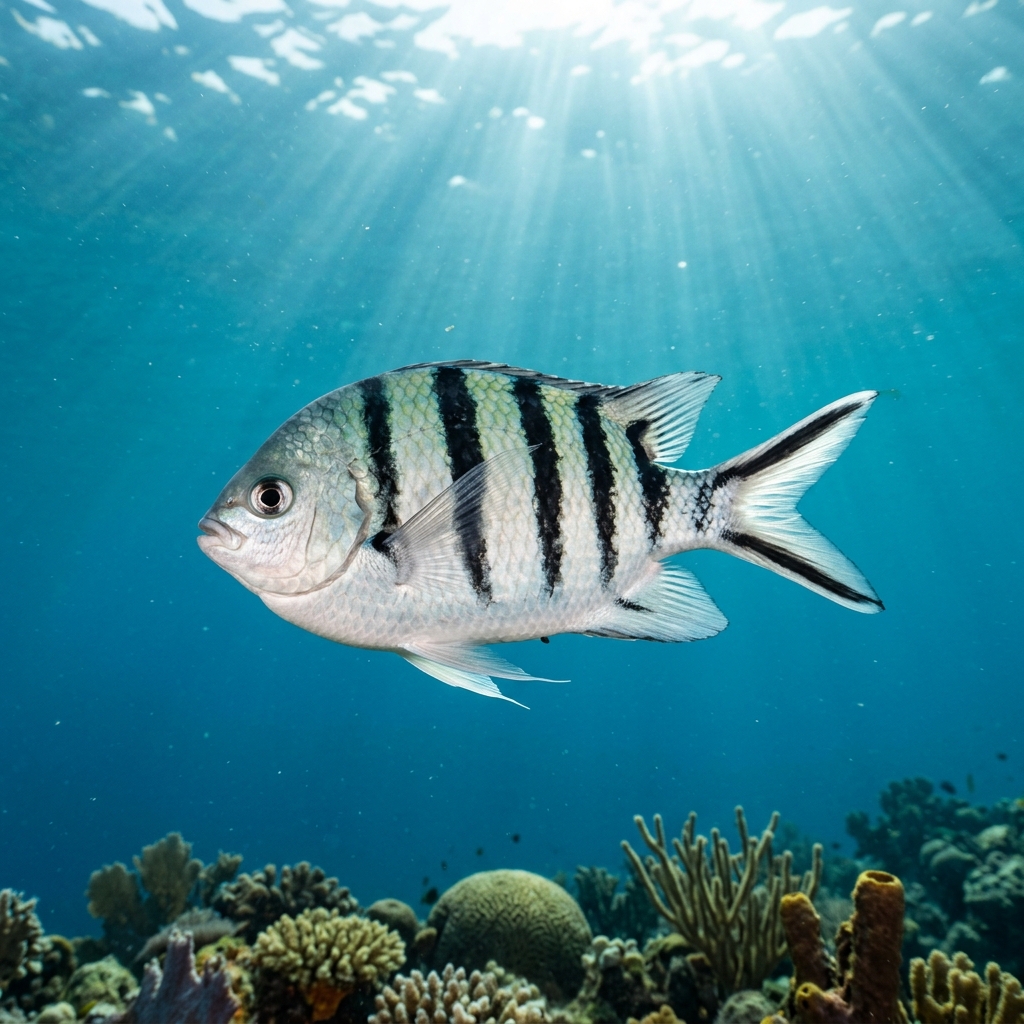
Reef neighbours a diver could mistake it for. Use the identification notes above to tell them apart.
Currently logged mostly around Nouméa in New Caledonia, with a further site in Raja Ampat, Indonesia, making it a rare but reliable find on Indo-Pacific reefs with healthy Acropora growth. Sightings are described as rare to uncommon even where it turns up, so this is one for divers actively hunting coral-dwelling damselfish rather than a species you stumble on by chance.
Mapping where Biglip Damselfish is logged…
The most consistent sightings come from around Nouméa in New Caledonia, with an additional record from Raja Ampat, Indonesia. It's tied closely to healthy Acropora coral, so look there rather than open reef.
There's no detected season in current sighting data. It's recorded in water between 27.1 and 29.3C, typical of tropical reefs year-round, so timing your trip around the coral it lives on matters more than the calendar.
Look for a small, grey-brown damselfish around 4 cm long with a distinctly thick, swollen upper lip and a dark bar through the eye. It stays tucked close to a single Acropora coral colony rather than swimming freely over the reef.
They're small, topping out at around 4 cm, making them one of the more petite damselfish divers encounter on Indo-Pacific reefs.
Its oversized lips are adapted for feeding directly on live Acropora coral tissue and mucus, a specialised diet that very few other damselfish share.
No. It's a small, shy reef fish with no venom or aggressive behaviour towards divers, and it typically retreats into coral branches rather than approaching.
Site and sighting data is aggregated from diver logs, iNaturalist and GBIF. For taxonomy and conservation status:
Dascyllus
3,697 sites