Parma oligolepis
An uncommon damselfish spotted on Queensland reefs, most reliably logged in the 24 to 28C waters off eastern Australia.
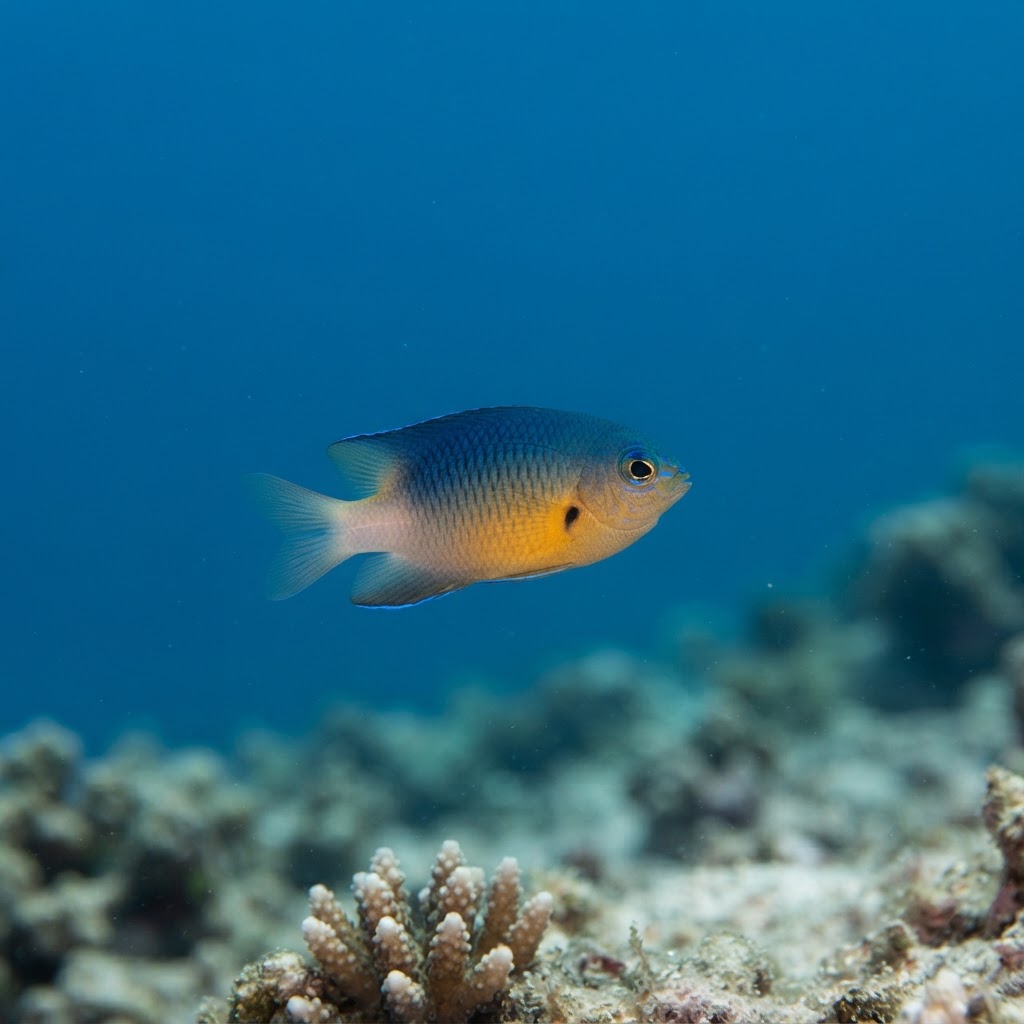
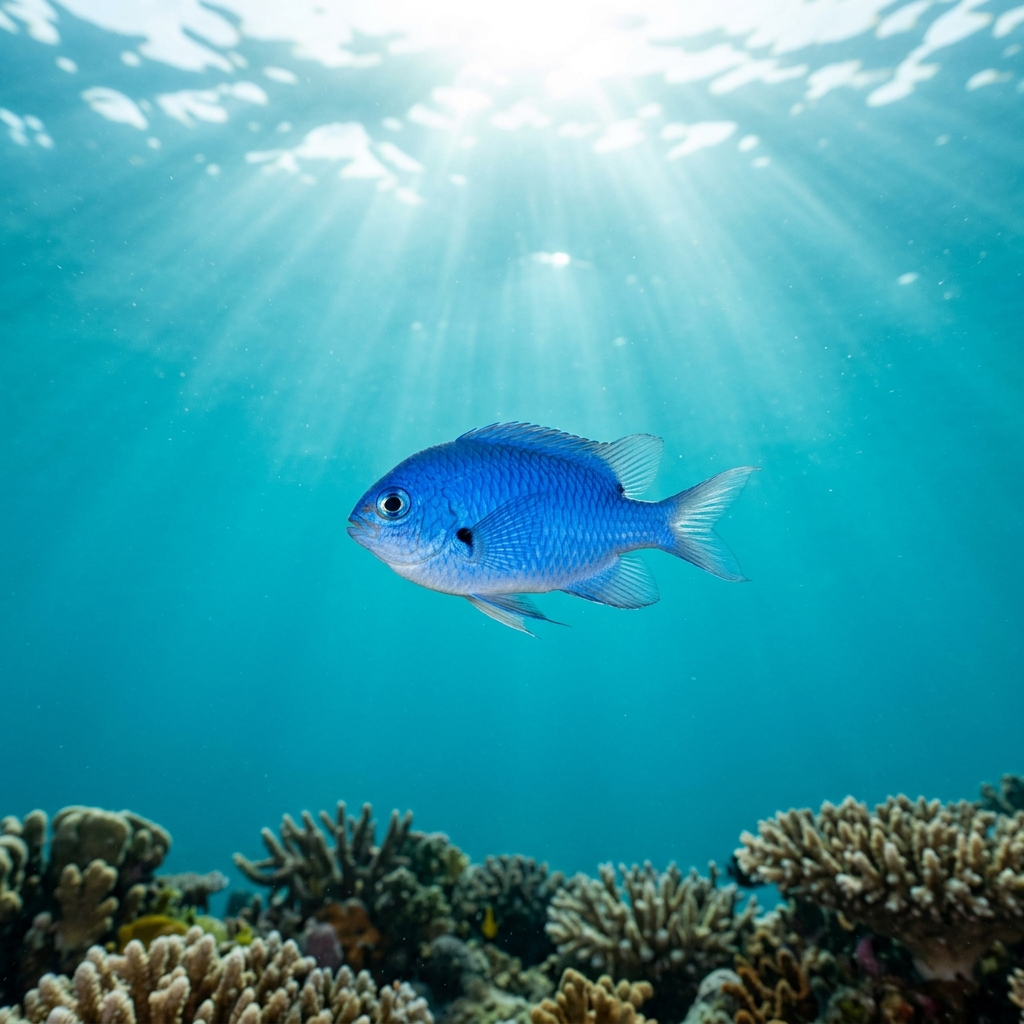
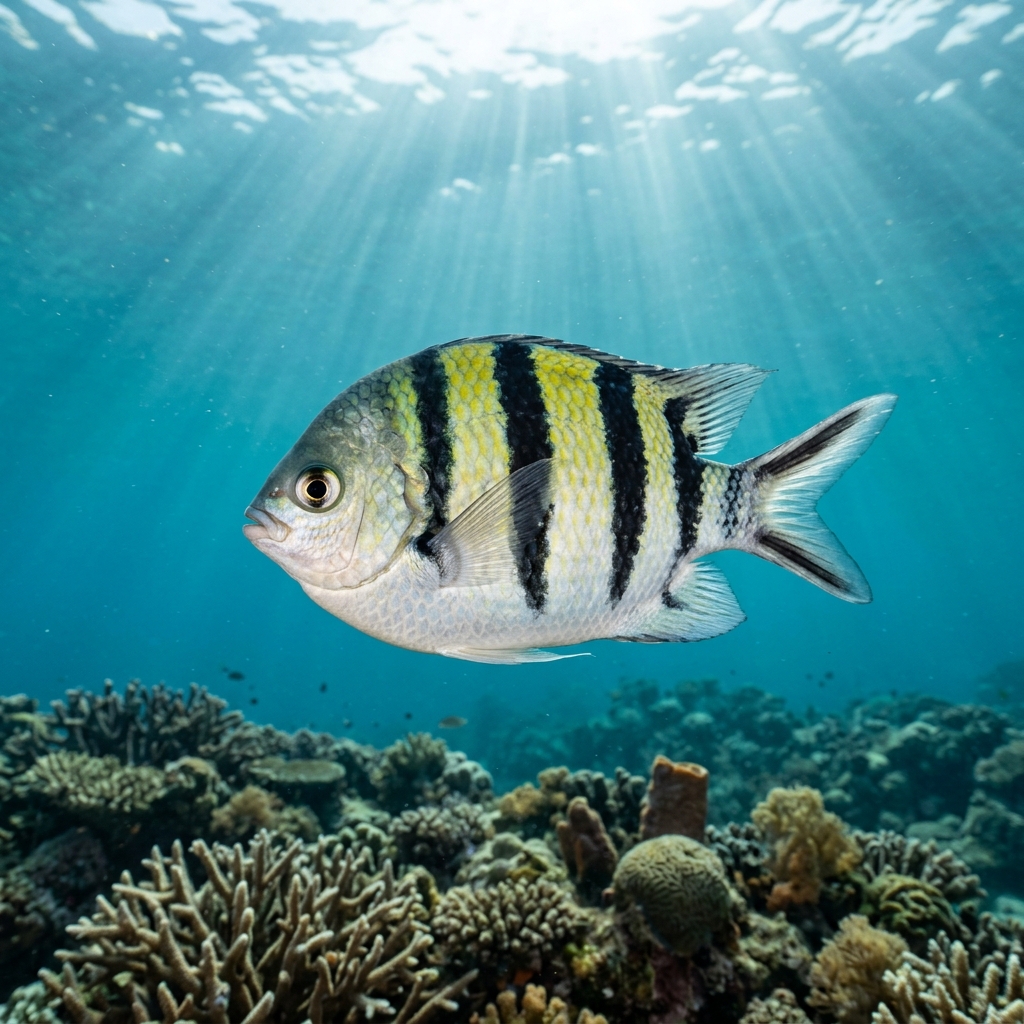
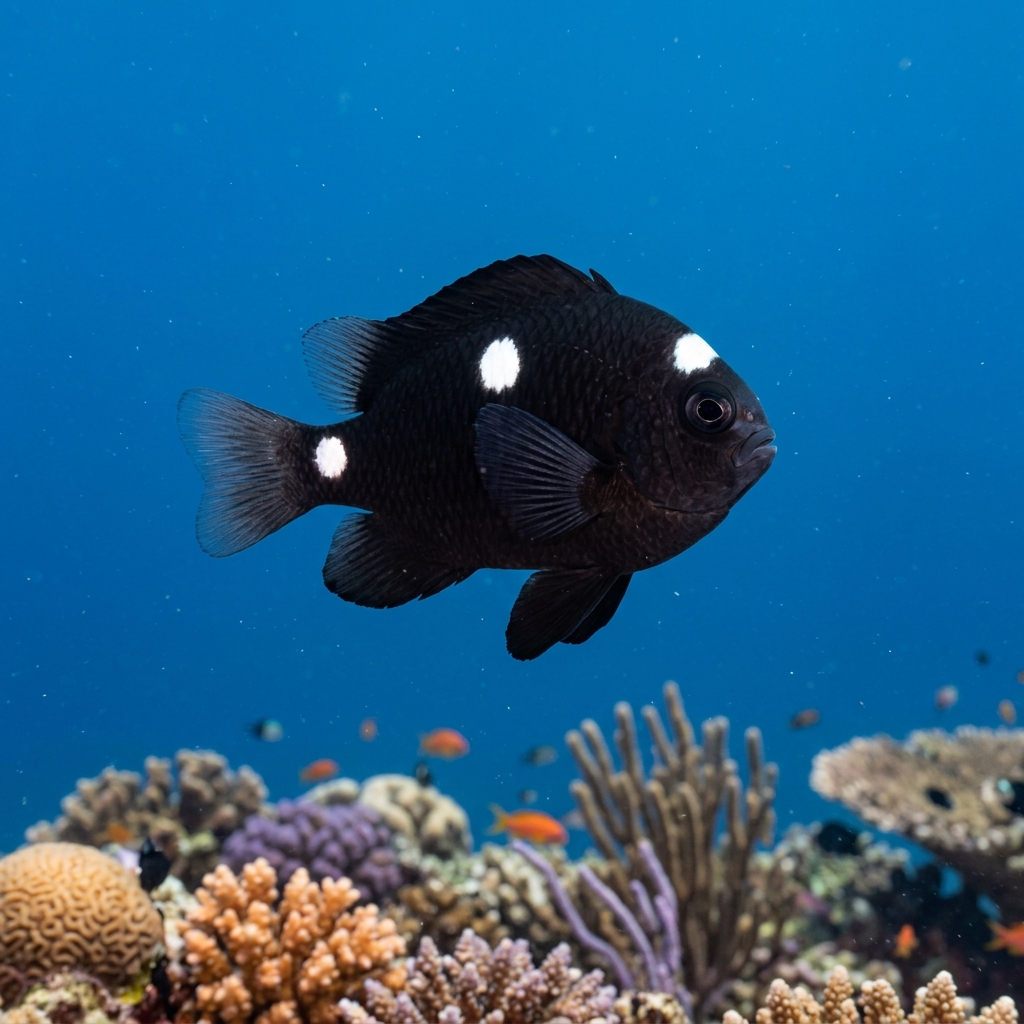
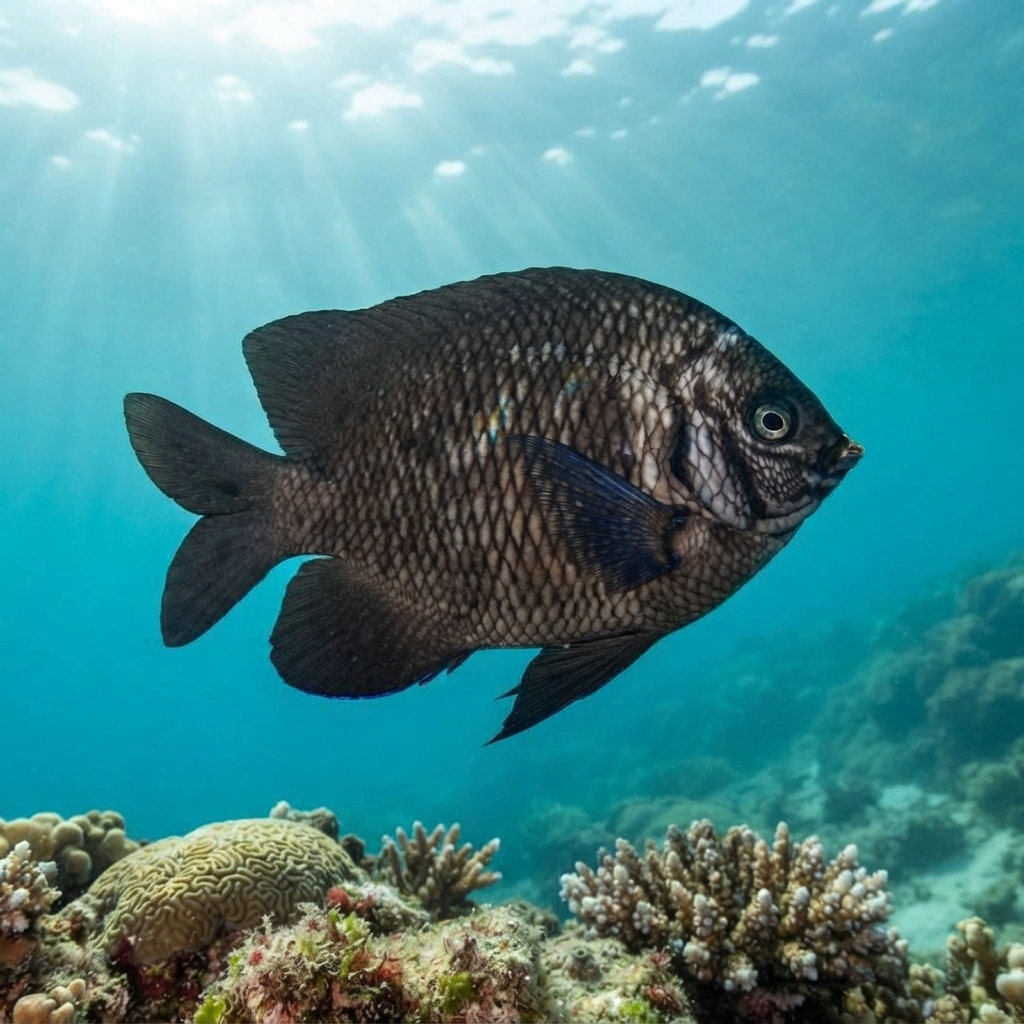
A stocky, oval damselfish reaching around 11 cm, usually dark grey to brown overall with a slightly paler saddle or patch toward the tail. It holds a low profile close to rock and reef structure rather than swimming out in the open. Look for the deep-bodied, almost squarish outline typical of Parma species and a single-toned body without the bold bars or stripes seen on many reef damselfish.
Divers typically find it holding station close to reef structure, tucked near rocky ledges and crevices rather than out in open water. It tends to sit still or move in short bursts when approached, behaviour consistent with a site-attached damselfish defending a patch of reef rather than roaming. Most encounters are brief, single-fish sightings rather than groups.
Like other Parma damselfish, individuals are thought to hold and defend a home patch of reef, which is why divers usually see just one fish rather than a shoal.
Sightings show no detected seasonal pattern, and the observed temperature range of 24.3 to 28.2C fits a year-round presence rather than a narrow window. Plan around general Queensland and New South Wales dive conditions rather than a specific month.
Reef neighbours a diver could mistake it for. Use the identification notes above to tell them apart.
Almost every logged sighting comes from Australia, with Queensland the clear stronghold and a scattering of records further south in New South Wales. It turns up as an uncommon to rare find on temperate and subtropical rocky reef sites rather than on classic tropical coral reef.
Mapping where Big-scale Parma is logged…
It is almost entirely an Australian sighting, with Queensland producing the most logged encounters and a smaller number from New South Wales. Expect it on rocky or subtropical reef sites rather than classic tropical coral reef.
There is no clear seasonal pattern in the sighting data, and it sits comfortably in water from about 24 to 28C, so it is a year-round possibility on the sites where it occurs.
Look for a deep-bodied, squarish damselfish around 11 cm, dark grey-brown with a paler patch toward the tail, holding close to rocky structure rather than swimming in open water.
They reach about 11 cm, a modest size typical of the damselfish family.
It is logged as uncommon at most sites where it appears and rare at others, so it is not a guaranteed sighting even on the Queensland reefs where it is most often recorded.
Site and sighting data is aggregated from diver logs, iNaturalist and GBIF. For taxonomy and conservation status:
Dascyllus
3,697 sites