Lotella rhacina
Uncommon reef fish logged at 44 sites in New South Wales and 17 in North Island NZ, in 14.7-21.4°C water year-round.
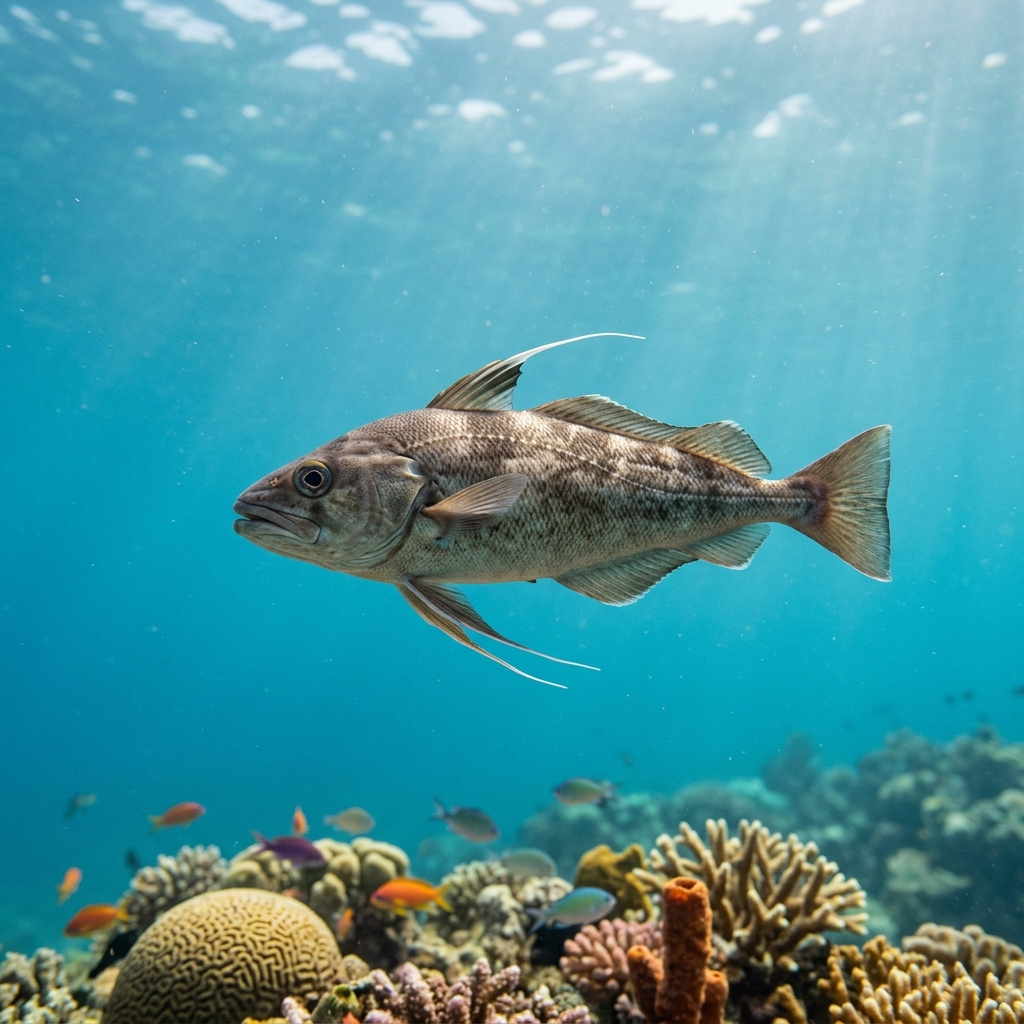
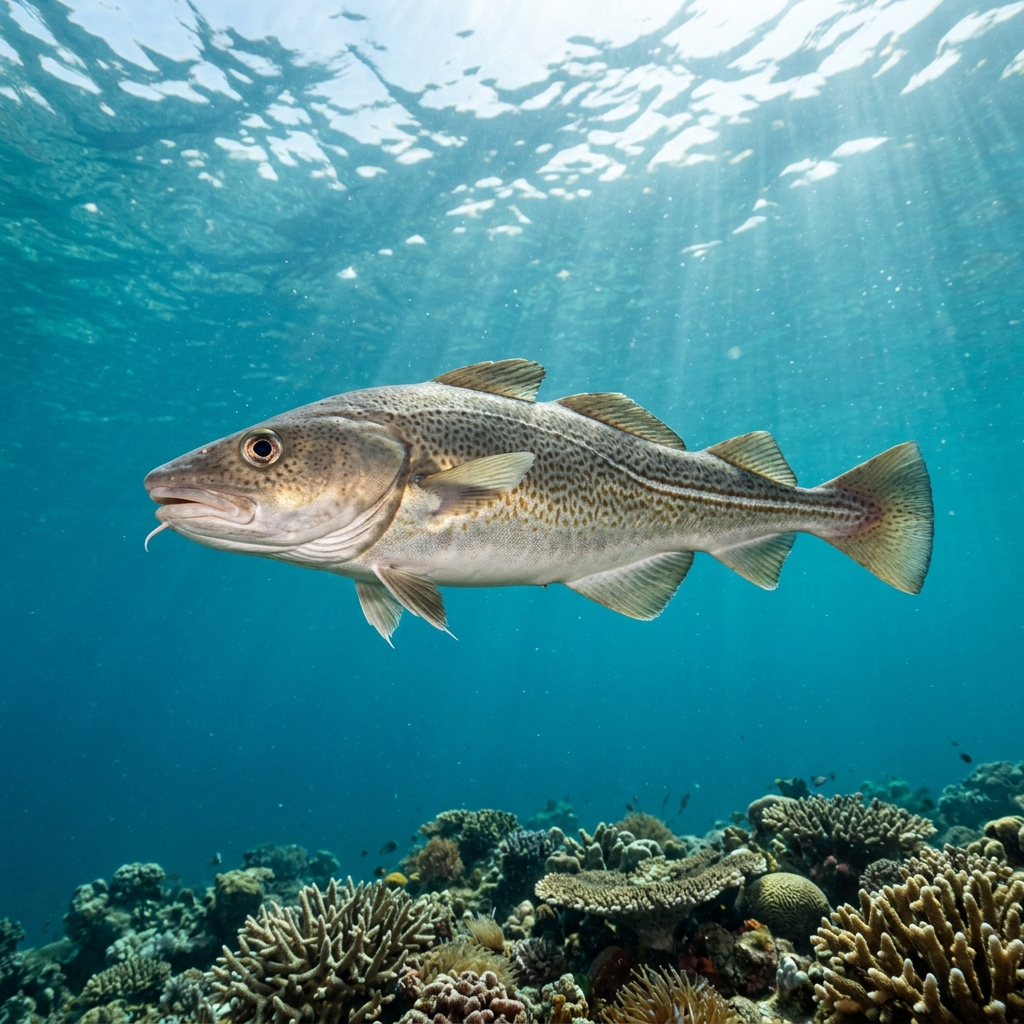
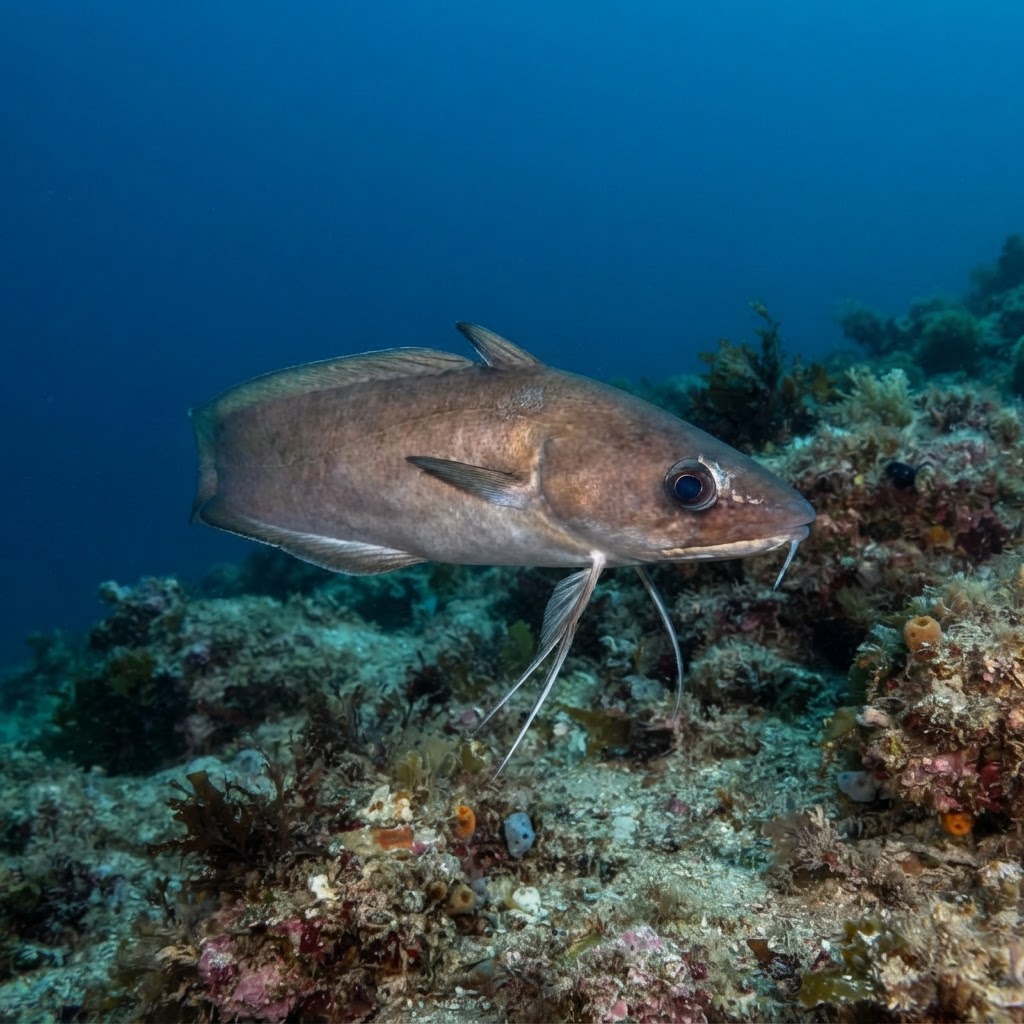
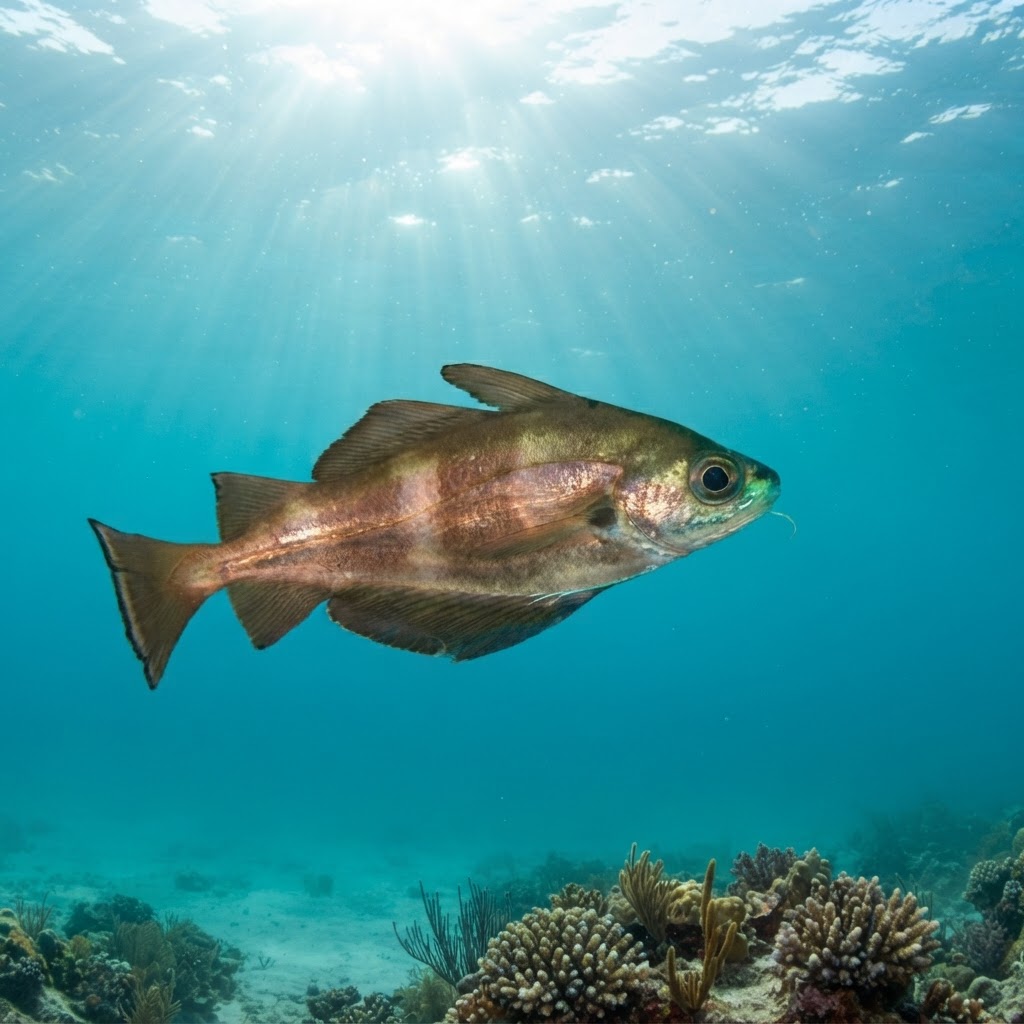
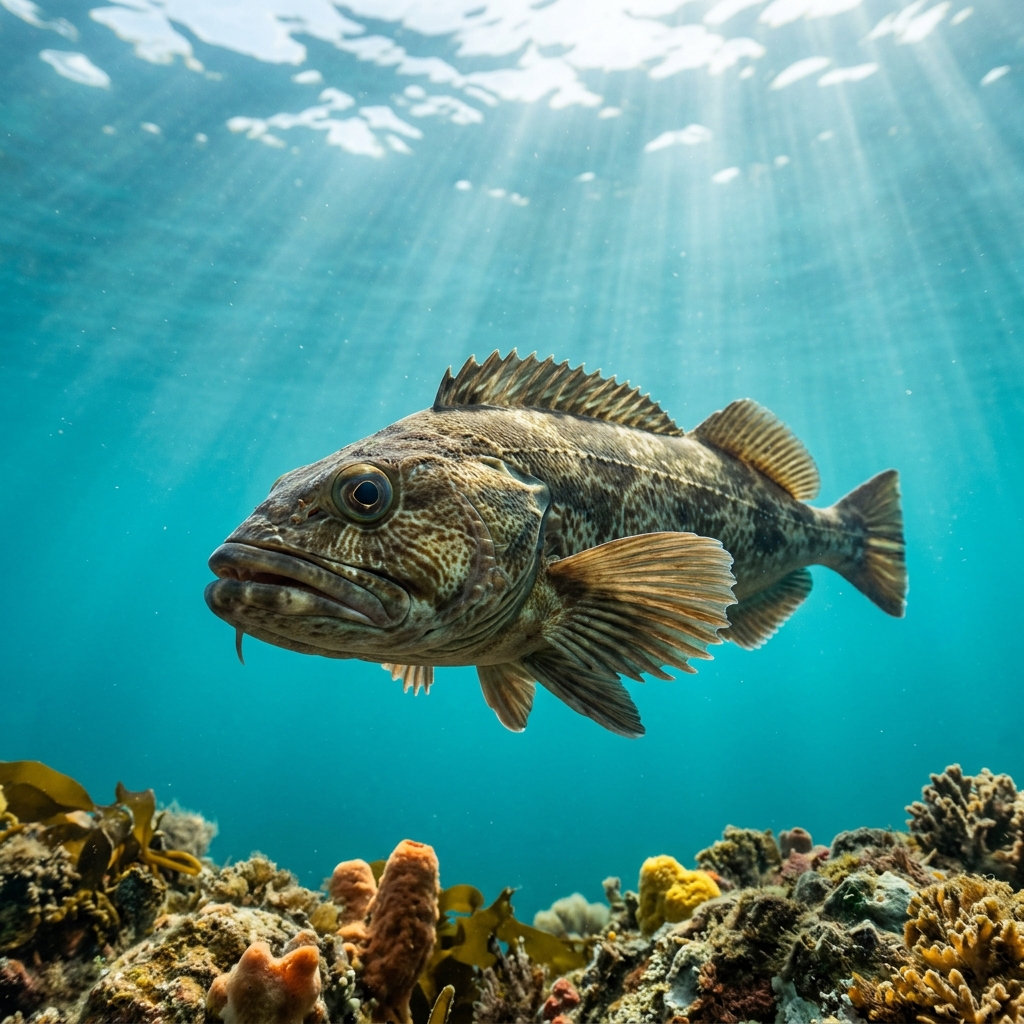
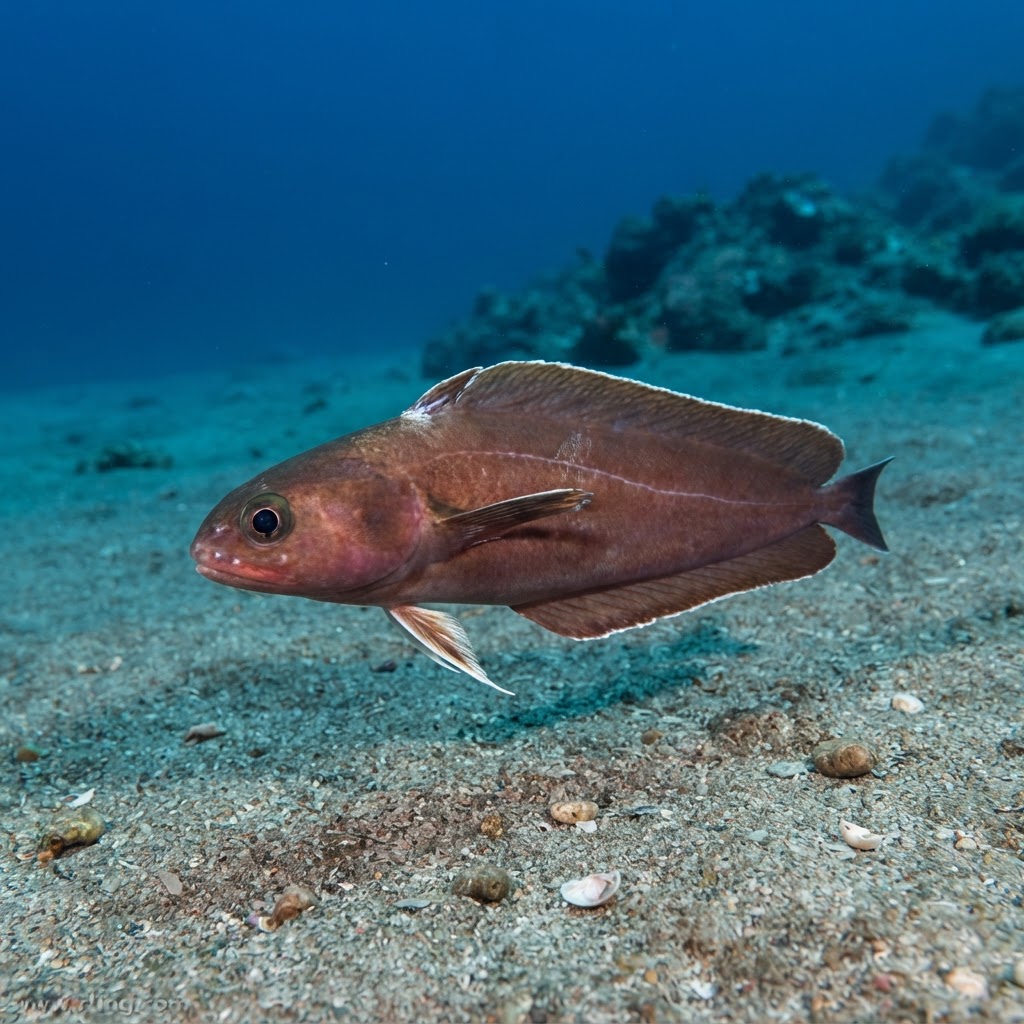
Grows to around 35 cm, with a stocky, tapered body and a mottled brown to grey-brown colouring that blends into rocky reef and rubble. Look for the single long barbel (a whisker-like sensory organ) under the chin, a key feature for telling it apart from other bottom-dwelling reef fish. It sits low and still against the substrate rather than swimming in open water, so divers usually spot it by scanning ledges and crevices rather than mid-water.
Typically found tucked against rock ledges, in crevices or on rubble bottoms between 10 and 90 metres, using its chin barbel to feel out food on the seabed rather than actively hunting in open water. It tends to hold its position when divers approach rather than bolting, making for a good close look if you spot one in the open. Most encounters are solitary, single fish resting in shaded pockets of the reef.
That chin barbel is a taste-and-touch organ, letting it feel around dark crevices and silty bottoms for food without relying on sight, handy for a fish that spends its life tucked into low-light reef structure.
No clear seasonal pattern shows up in the data, so treat sightings as year-round. It's recorded across a 14.7 to 21.4°C range, consistent with the cooler temperate waters of New South Wales and North Island NZ holding steady through the seasons.
Most reliably logged in New South Wales, Australia, where the bulk of sightings come from, with a smaller but steady presence in North Island, New Zealand. Divers should expect an uncommon to rare find rather than a guaranteed sighting even in these strongholds, so check ledges, overhangs and rubble zones on temperate rocky reefs.
Mapping where Beardie is logged…
New South Wales, Australia is the most reliable region, with a smaller number of sightings from North Island, New Zealand. It's an uncommon to rare find even at these sites, so it rewards divers who check ledges and rubble patches closely.
There's no strong seasonal pattern in the sighting data, so it's considered a year-round species in its temperate range. Water temperatures where it's found run from about 14.7 to 21.4°C across the year.
Look for a stocky brown to grey-brown fish around 35 cm long, resting on or near the bottom rather than swimming freely. The single barbel hanging under its chin is the clearest giveaway, distinguishing it from other reef fish sharing the same rocky ledges.
They typically reach around 35 cm in length, making them a medium-sized bottom-dweller rather than a small reef fish.
Its chin barbel works as a sensory feeler, letting it detect food by touch and taste in dark crevices and low-visibility rubble where eyesight alone wouldn't help much.
No, they're not considered dangerous. They're a bottom-dwelling fish that tends to sit still rather than react defensively to divers.
Site and sighting data is aggregated from diver logs, iNaturalist and GBIF. For taxonomy and conservation status:
Pollack
282 sites