Bodianus neilli
An uncommon little wrasse best found around Koh Lipe and Koh Phi Phi, Thailand, in warm reef water of 27.7 to 29.4 C.
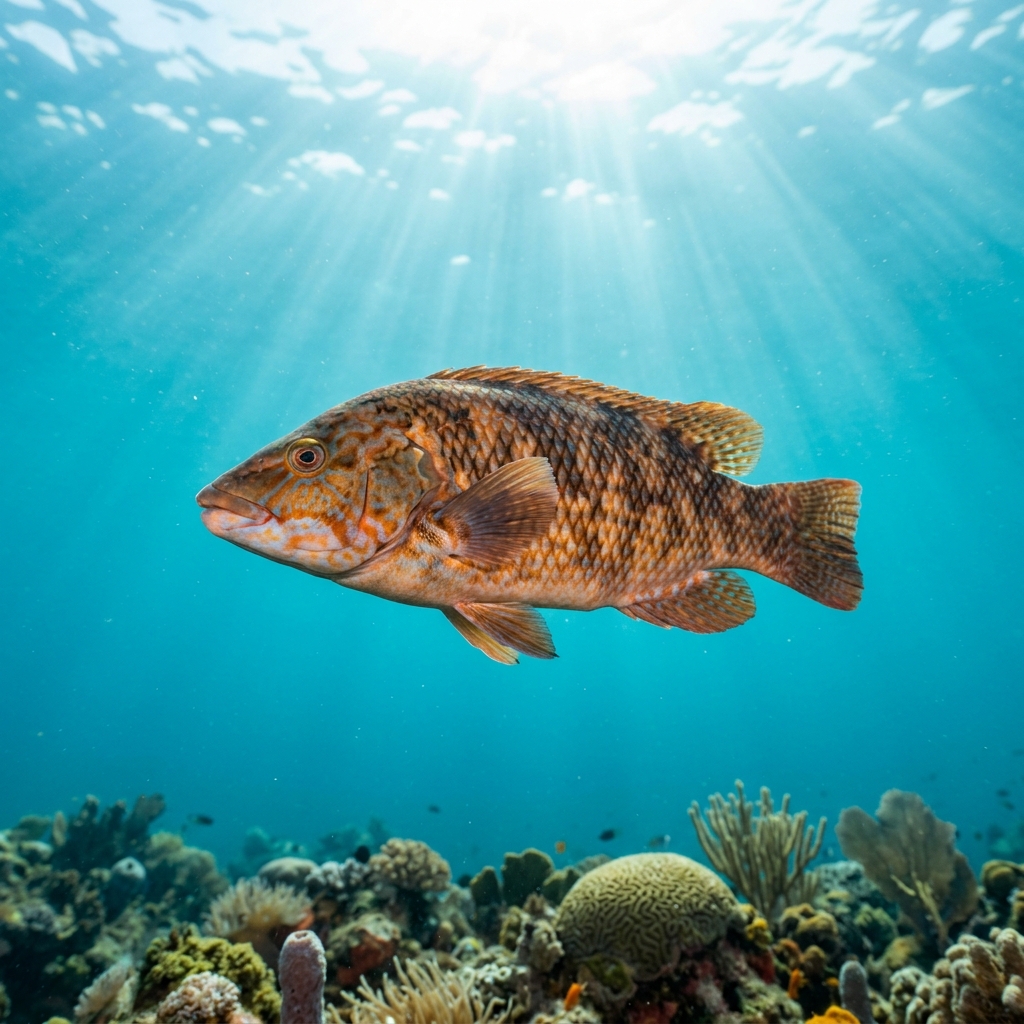
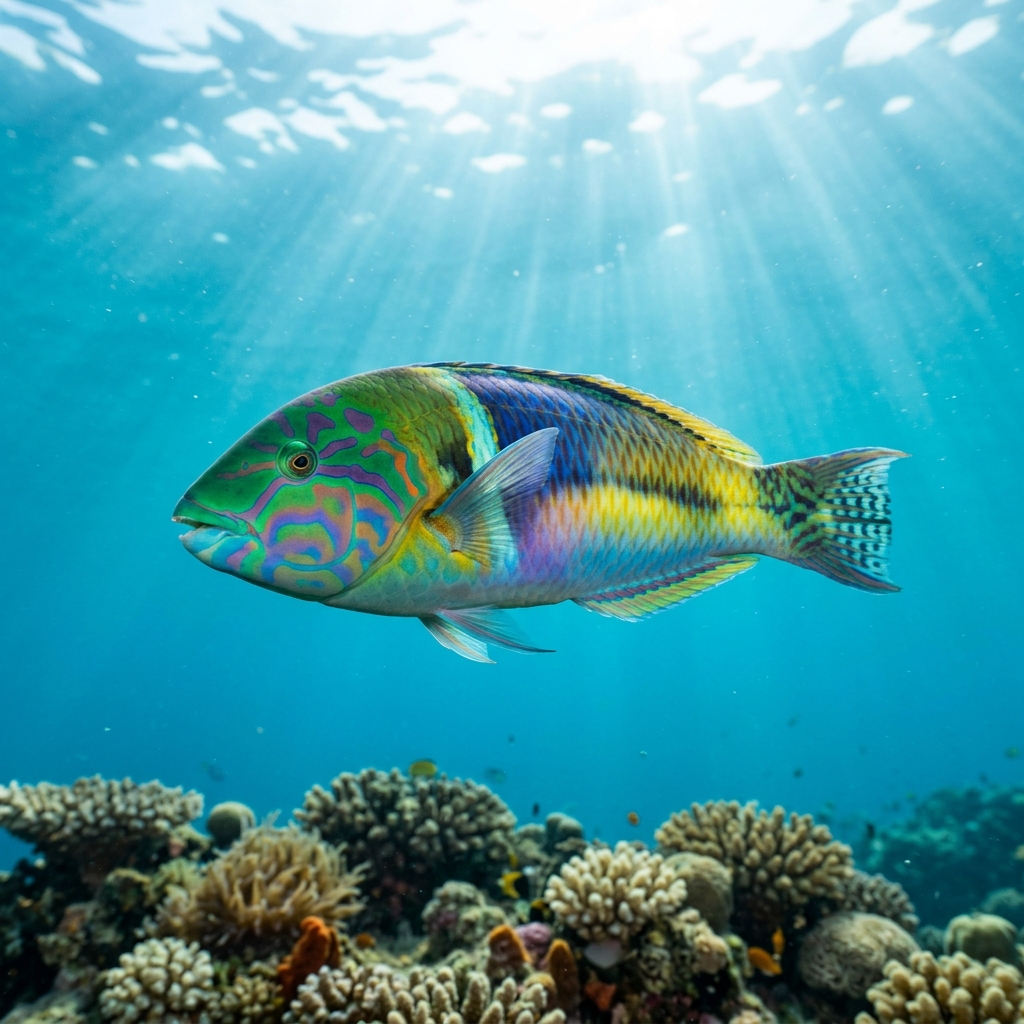
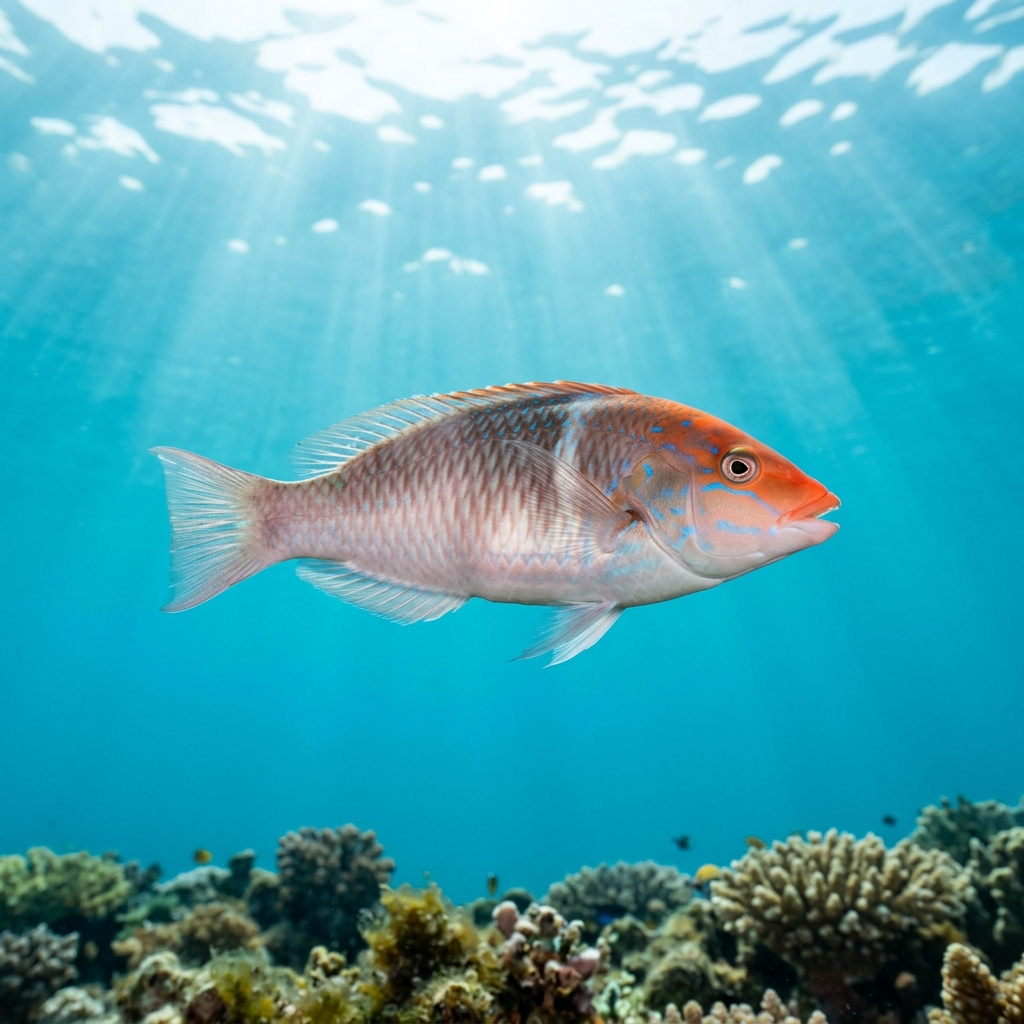
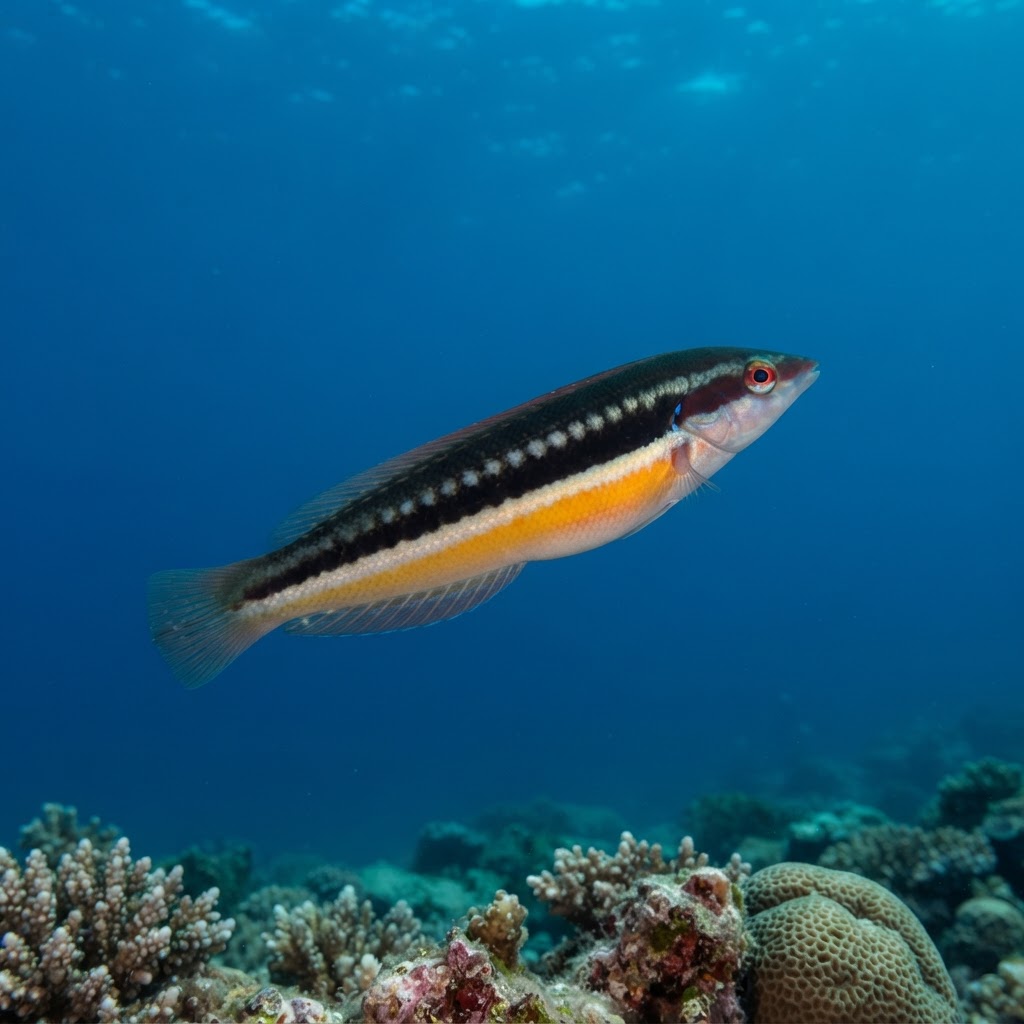
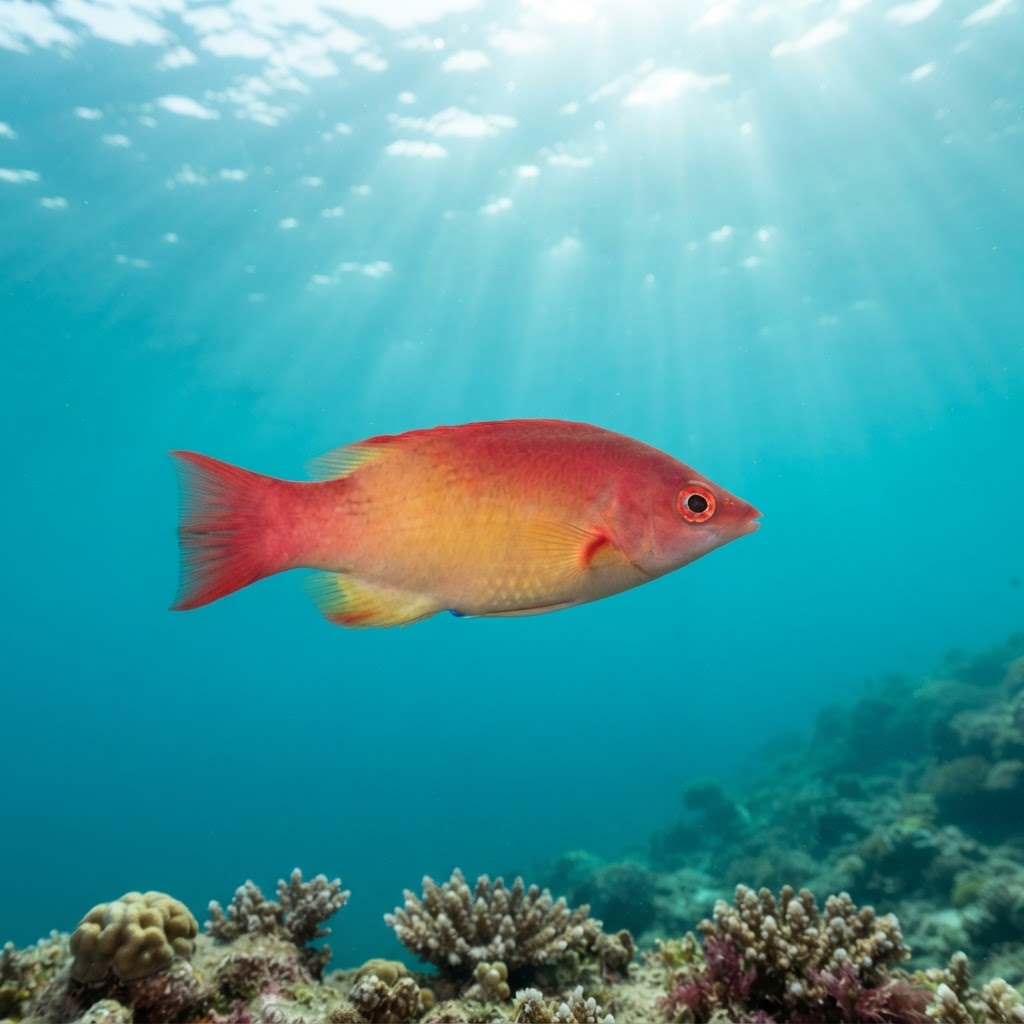
A small wrasse, topping out around 14 cm, with a stocky, slightly humped profile typical of hogfish. Look for a mottled reddish-brown to pinkish body with irregular blotching rather than clean stripes, usually seen close to the reef structure rather than out in open water. Its small size and patchy colouring make it easy to overlook against rubble and coral rock.
Divers log this hogfish as an uncommon find, generally poking around low on the reef among rubble and coral rock rather than swimming in the open. It tends to keep close to shelter and is easy to miss unless you slow down and look into crevices rather than scanning the water column. Expect brief, low-key encounters rather than any bold approach towards divers.
Like other hogfish in the wrasse family, it likely starts life as a female and can change sex to male later on, a trait common across many Bodianus species.
No clear seasonal pattern shows up in the sightings, and the observed water temperature range of 27.7 to 29.4 C is typical of Thailand's reefs year-round, so there is no obvious best month to target it over another.
This one is very much a Thailand fish in the logged data, with sites concentrated around Koh Lipe and Koh Phi Phi, and smaller numbers of sightings in Krabi and Phuket. Koh Lipe stands out as the most reliable spot, with Koh Phi Phi a close second for divers wanting to tick this species off.
Mapping where Bay Of Bengal Hogfish is logged…
Thailand is the country with logged sightings, most reliably around Koh Lipe and Koh Phi Phi, with smaller numbers of records from Krabi and Phuket.
There is no strong seasonal signal in the sightings, and warm water of around 27.7 to 29.4 C is present on these reefs year-round, so it can turn up on any dive trip.
Look for a small, stocky wrasse around 14 cm long with a mottled reddish-brown body and no bold stripes. It usually sits low near rubble or coral rock rather than swimming in open water, so check crevices rather than the water column.
They are a small member of the hogfish group, typically reaching around 14 cm, so they are easy to miss on a reef full of larger fish.
No, they pose no danger to divers and simply go about their business low on the reef, ignoring passing divers.
Like many wrasses in the Bodianus genus, they are thought to start out female and some individuals change to male as they mature, a common pattern in this family.
Site and sighting data is aggregated from diver logs, iNaturalist and GBIF. For taxonomy and conservation status:
Bird Wrasses
3,632 sites