Latridopsis forsteri
Spot Bastard Trumpeter on cool-water reefs in New Zealand and Tasmania. Best chances Jan, May in water from 14 to 21°C. Here's how to find and ID one.
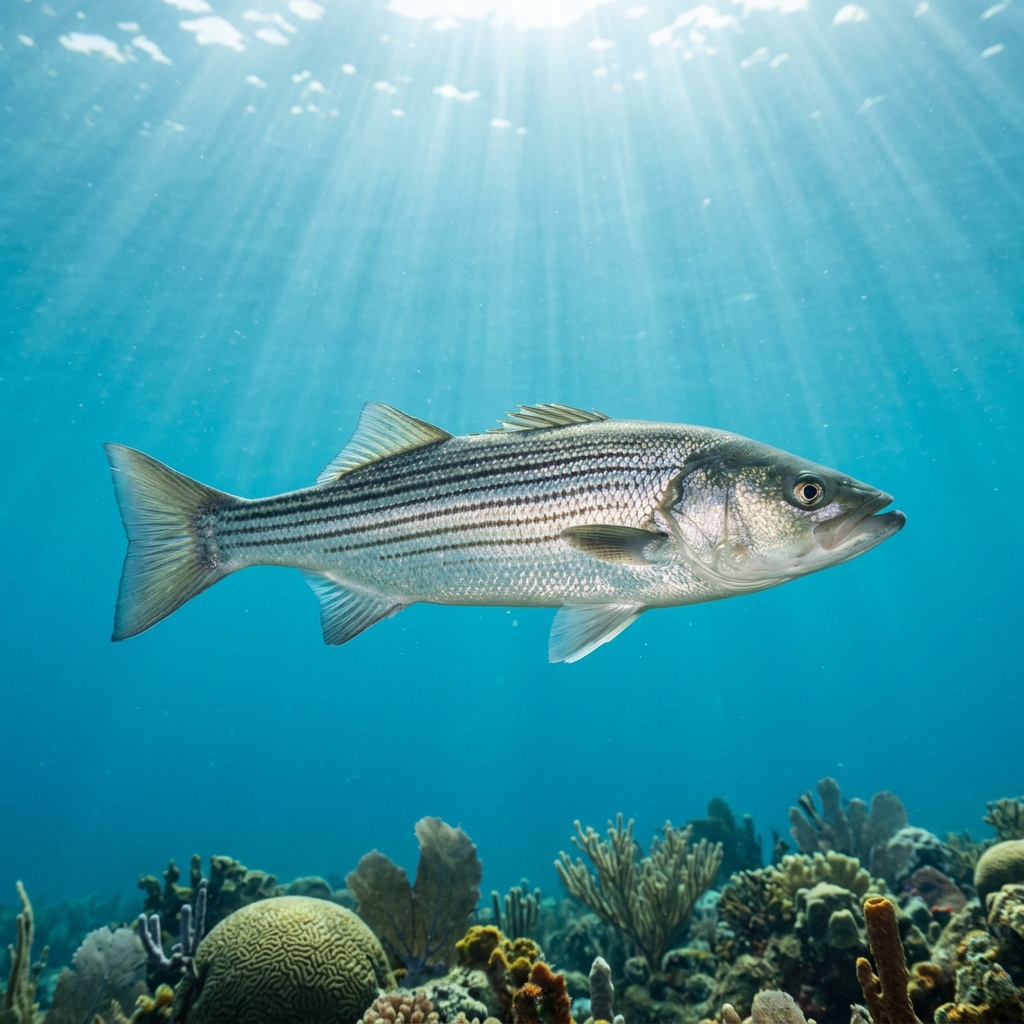
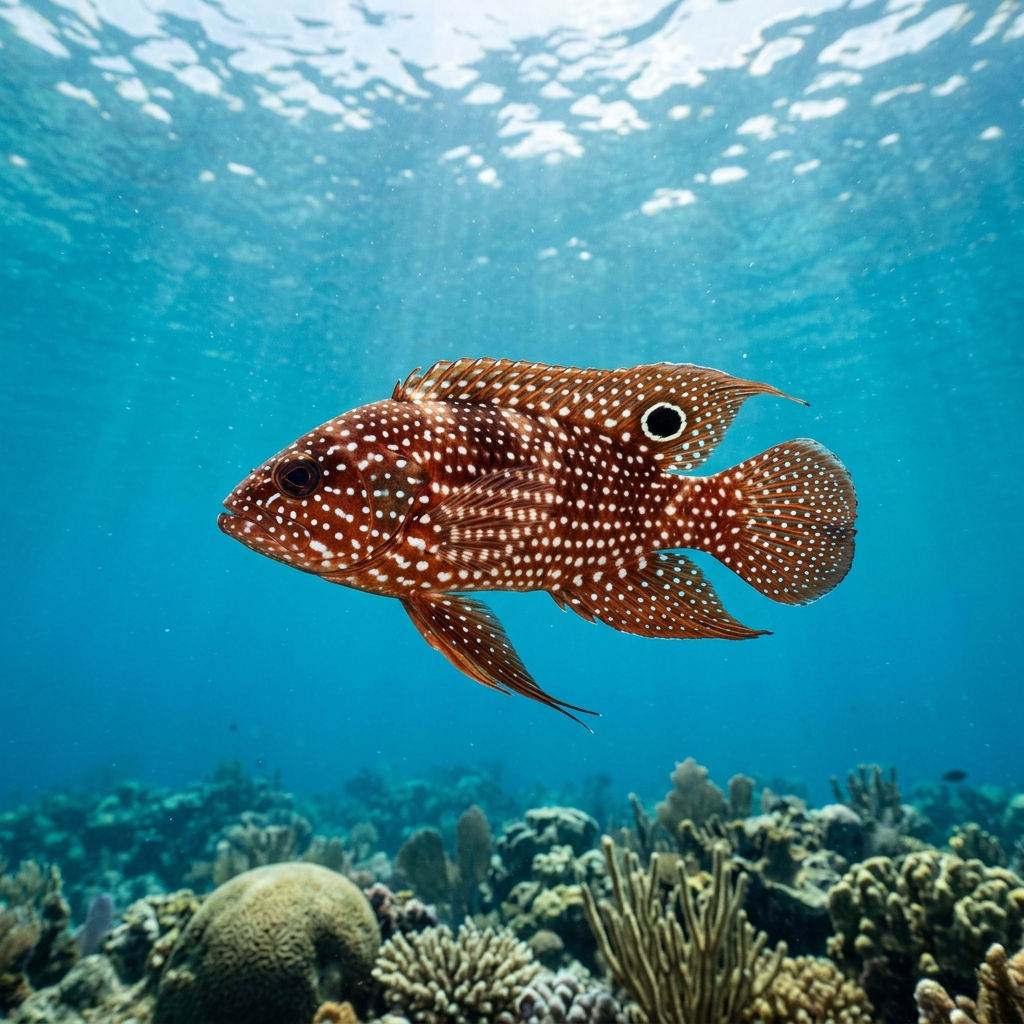
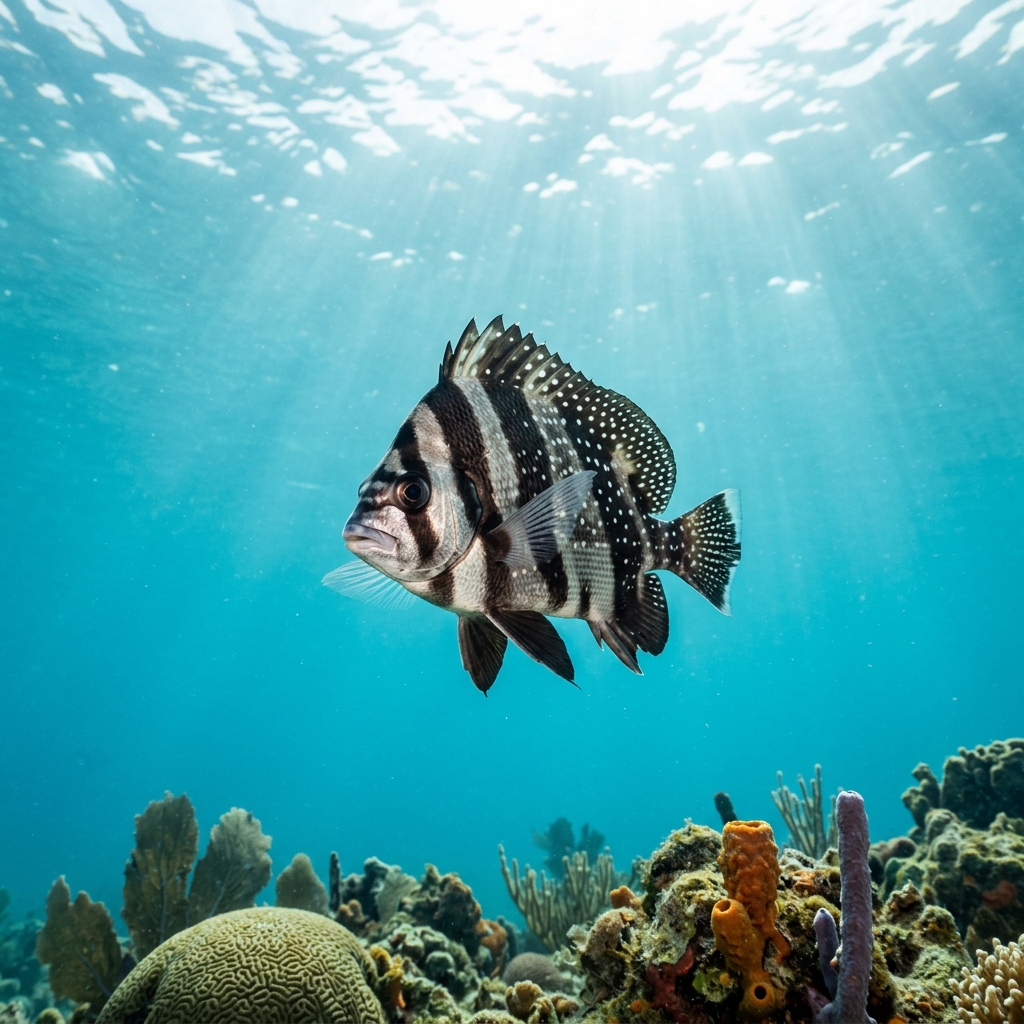
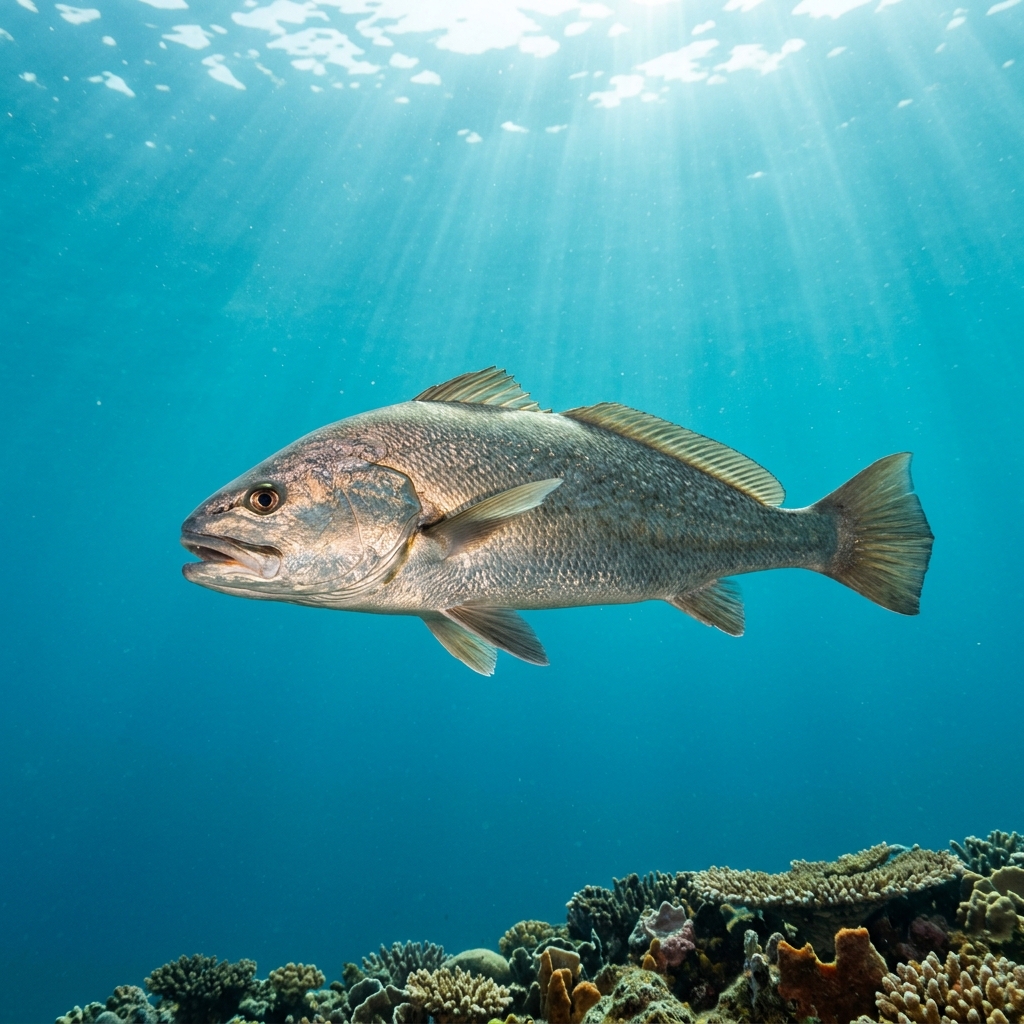
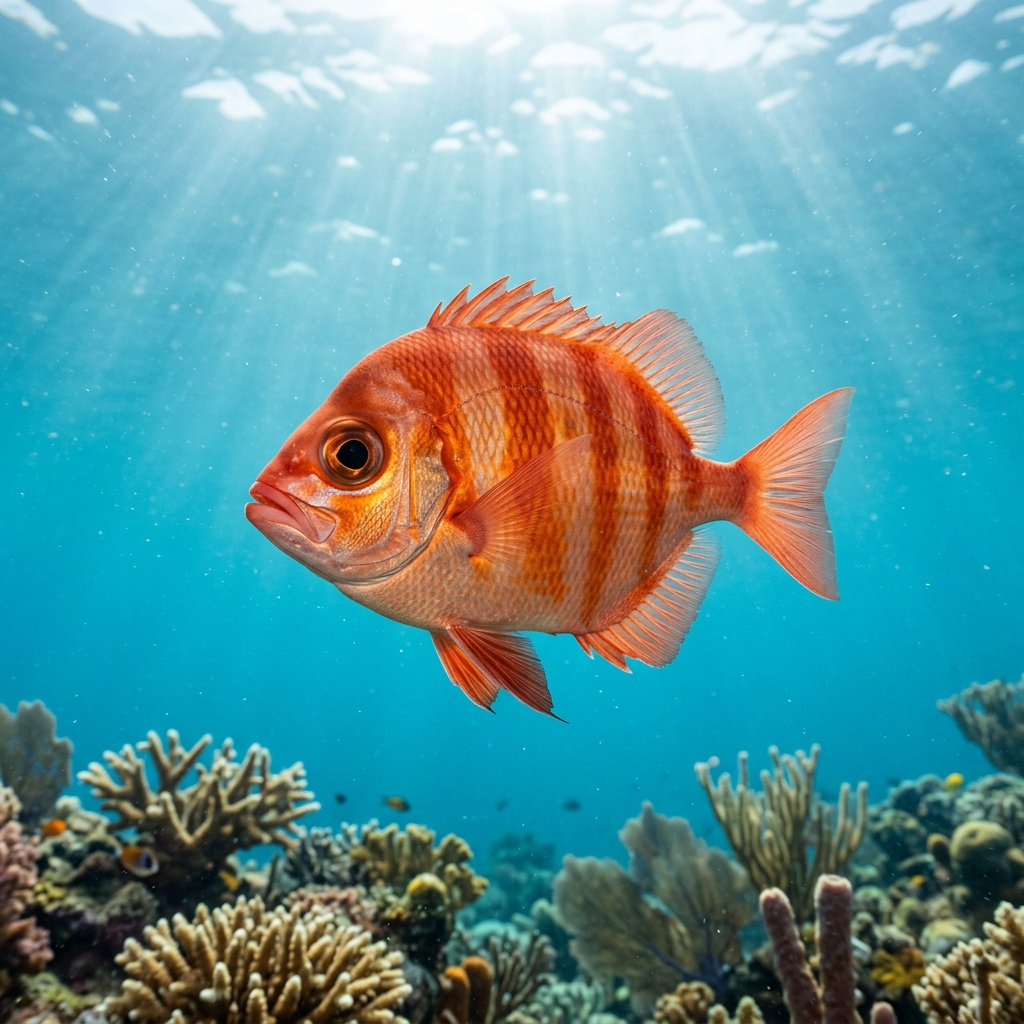
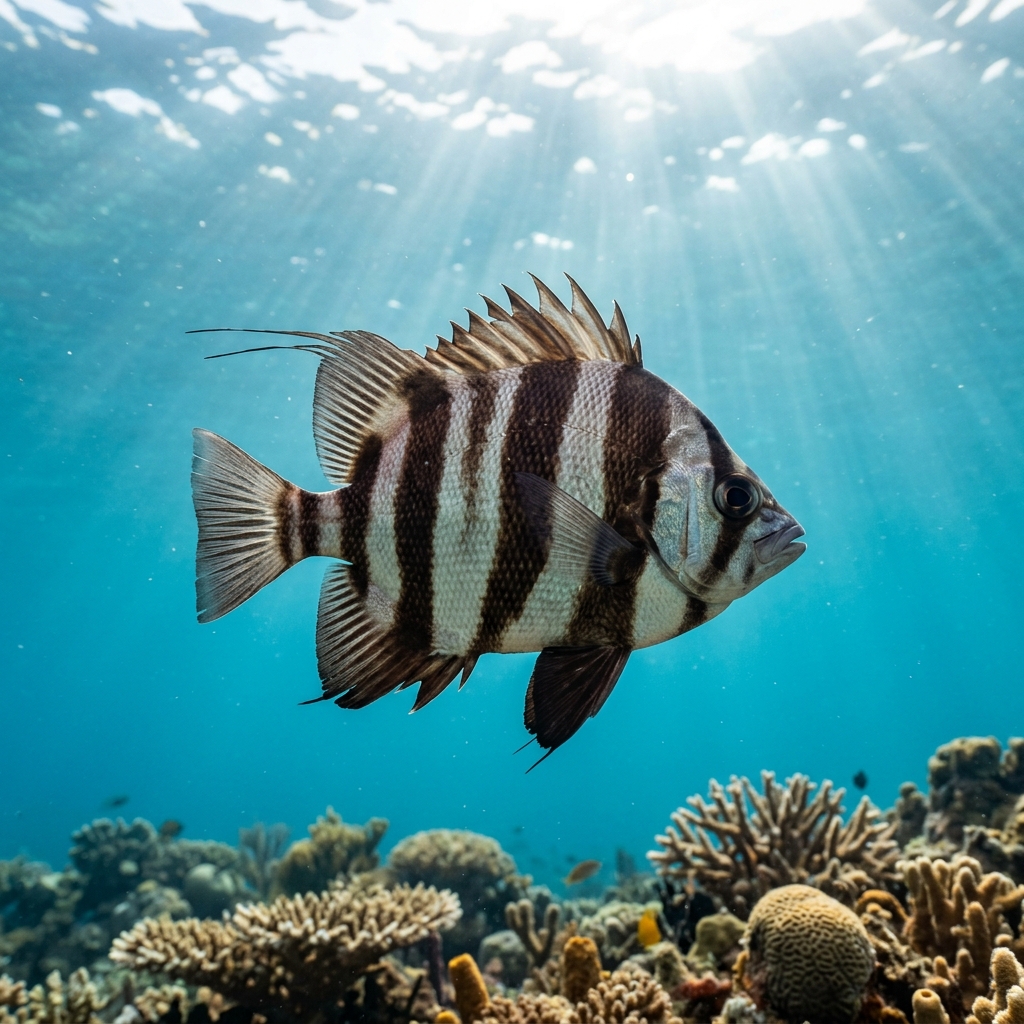
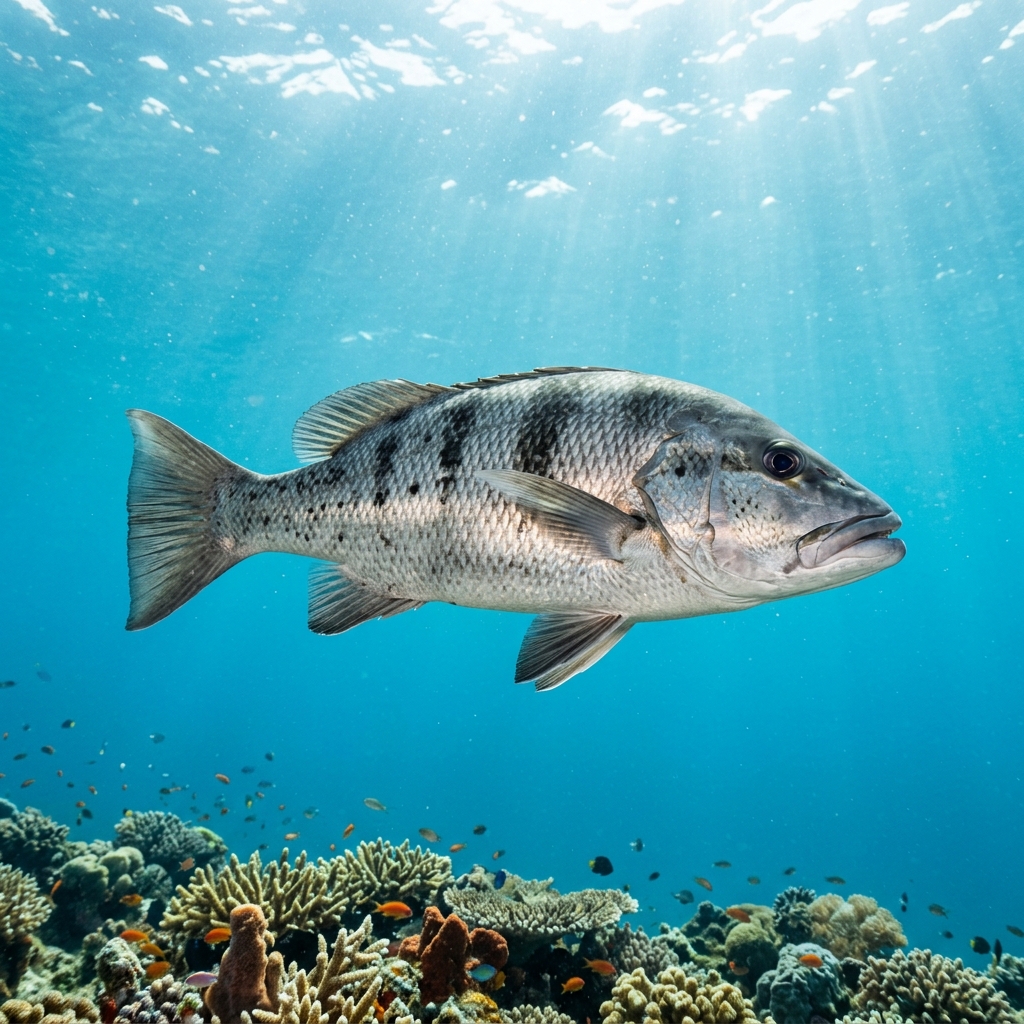
A deep-bodied, laterally compressed fish reaching around 45 cm, with a silvery to grey-green colouration and a distinctly steep forehead profile. Look for the small, slightly upturned mouth and a single long dorsal fin running most of the body length. On the reef it tends to hold close to the bottom, which helps narrow it down quickly among similar-sized temperate species.
Bastard trumpeter are demersal fish, meaning they hug the bottom and are almost always seen foraging or resting close to rocky reef structure rather than in open water. They tend to be calm around divers but will slowly move off if approached too directly. Sightings typically happen at mid-depth on reef slopes, and encounters are unhurried enough that you get a proper look if you move quietly.
Despite the eye-catching name, the "trumpeter" group (family Latridae) is found only in the cool temperate waters of the Southern Hemisphere, making this a species you simply cannot tick off anywhere else on the planet.
In the Southern Hemisphere, sightings concentrate between January and May, which aligns with the warmer end of its temperature niche (up to around 21°C) as late-summer and autumn water temperatures persist.
New Zealand accounts for the majority of logged sightings, with the strongest records spread across Central New Zealand, Northland and Auckland, the Coromandel and Bay of Plenty coasts, and Fiordland. In Australia, Tasmania is the stand-out region, followed by South Australia and Victoria.
Mapping where Bastard Trumpeter is logged…
Most logged sightings come from New Zealand, particularly Central New Zealand, Northland and Auckland, the Coromandel coast, and Fiordland. In Australia, Tasmania is the most reliable region, with smaller records from South Australia and Victoria.
Sightings concentrate between January and May in the Southern Hemisphere. This late-summer to autumn window corresponds with the warmer end of the species' temperature preference, roughly 18 to 21°C, when fish may be more active on shallower reef slopes.
Key features are a deep, compressed body around 40 to 45 cm long, a steep forehead, a small upturned mouth, and an overall silvery to grey-green colour. The long single dorsal fin and bottom-hugging behaviour on rocky temperate reefs are reliable pointers.
They typically reach around 45 cm in length. In the water they look stocky relative to their length because of their deep, laterally compressed body shape.
It is considered rare at most sites where it has been recorded, with a handful of sites logging it as uncommon. You are more likely to encounter one in New Zealand or Tasmanian waters during the autumn months, but it is never a guaranteed sighting.
Site and sighting data is aggregated from diver logs, iNaturalist and GBIF. For taxonomy and conservation status:
Meagre
1,159 sites