Bodianus axillaris
Small reef wrasse with a jet-black rump spot, most reliably logged around Okinawa, the Seychelles and French Polynesia in 24-29C water.
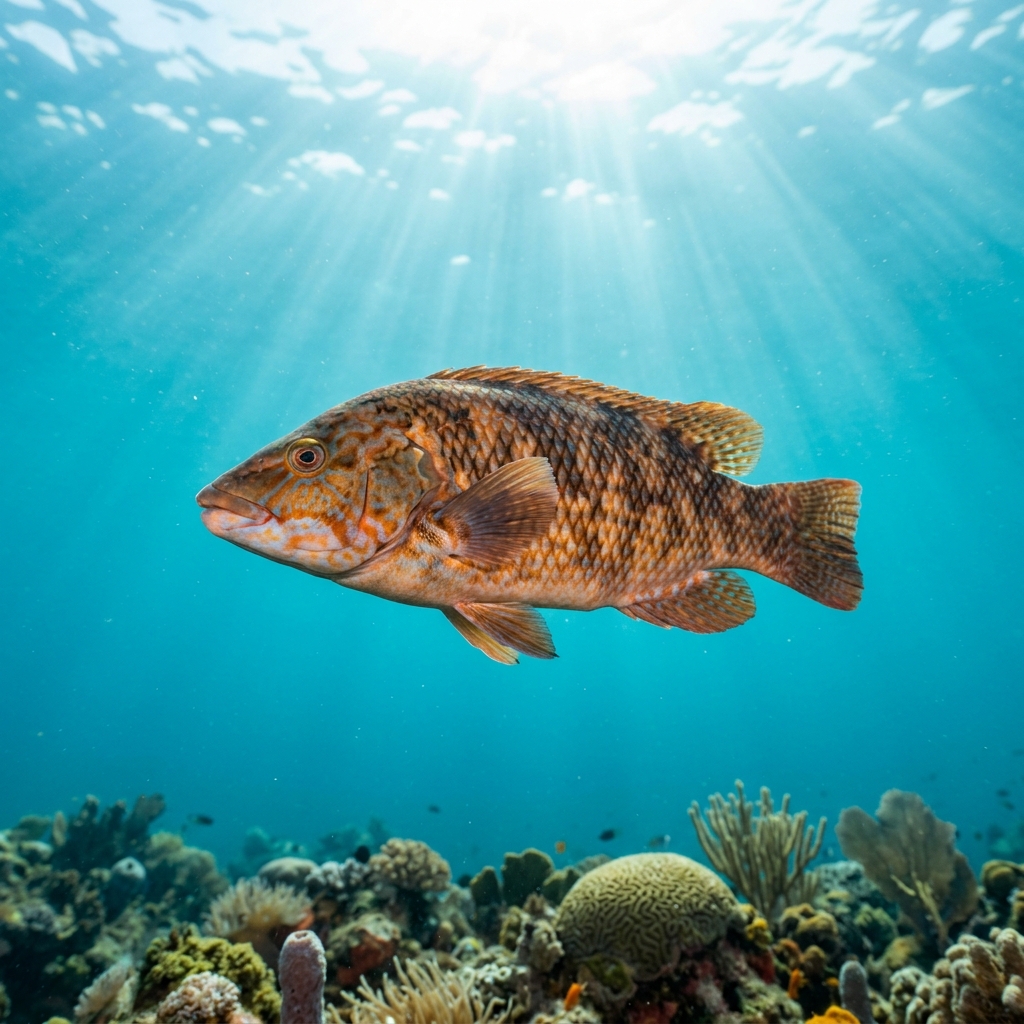
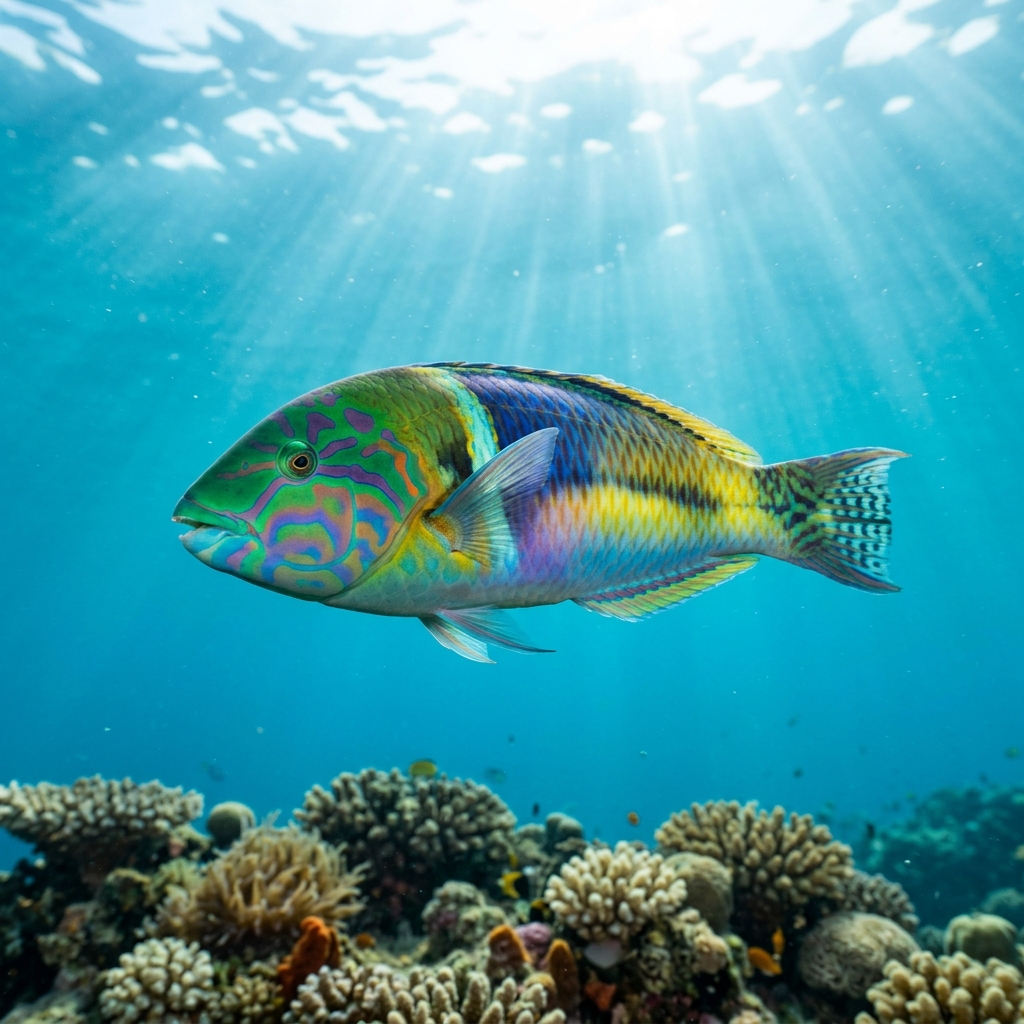
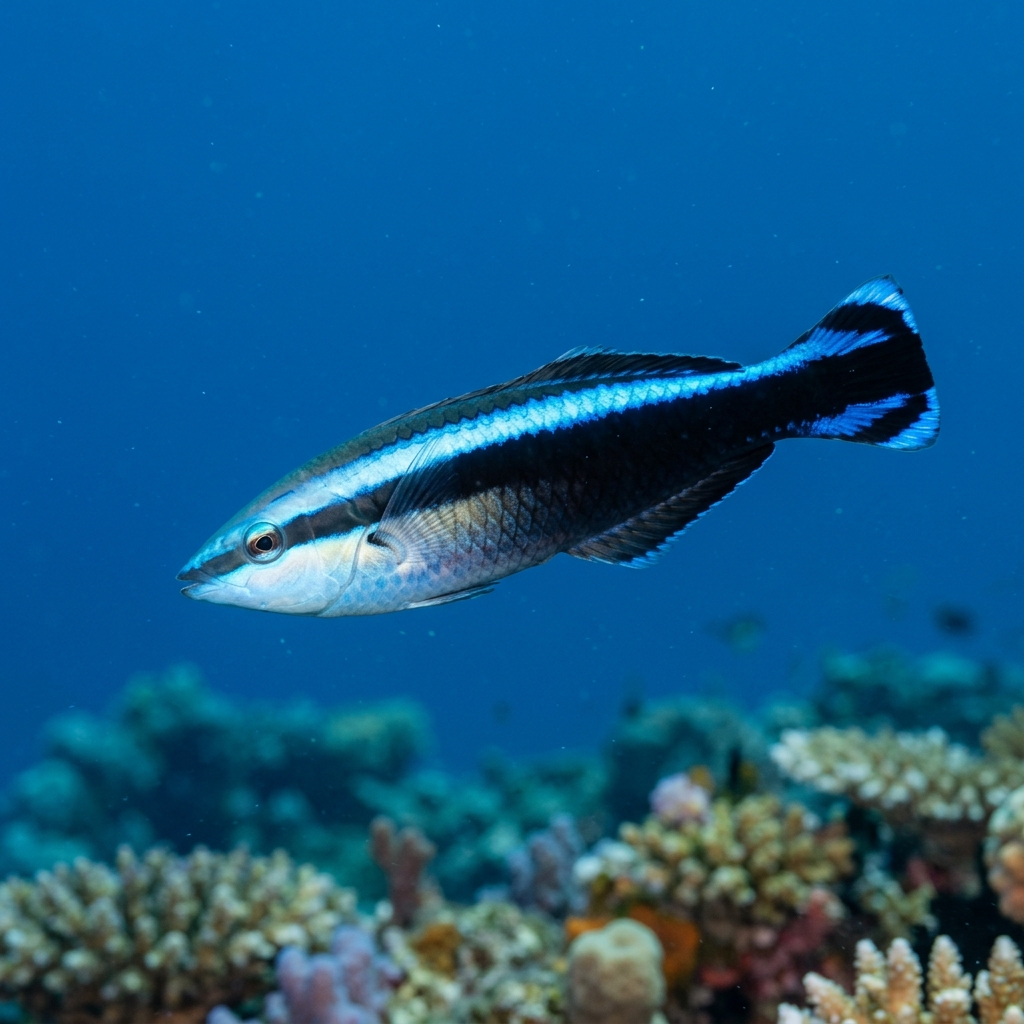
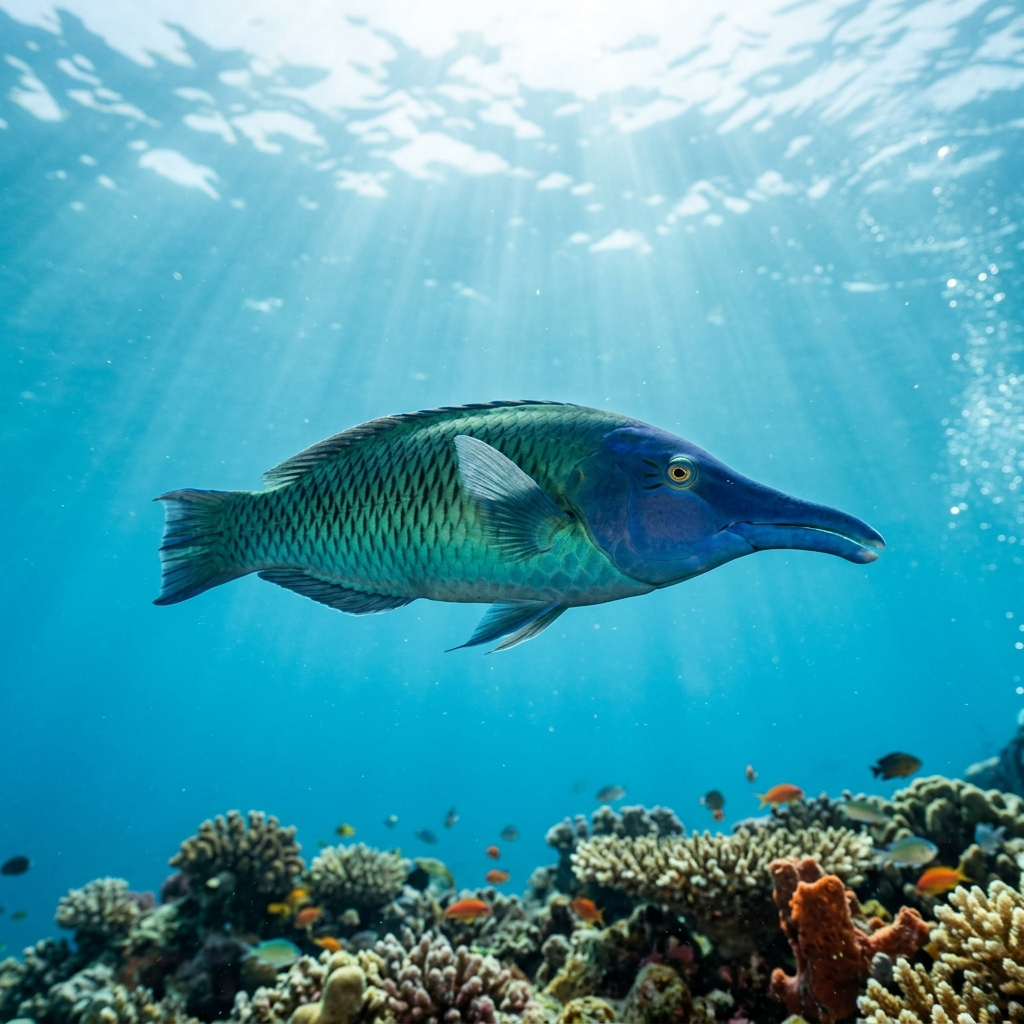
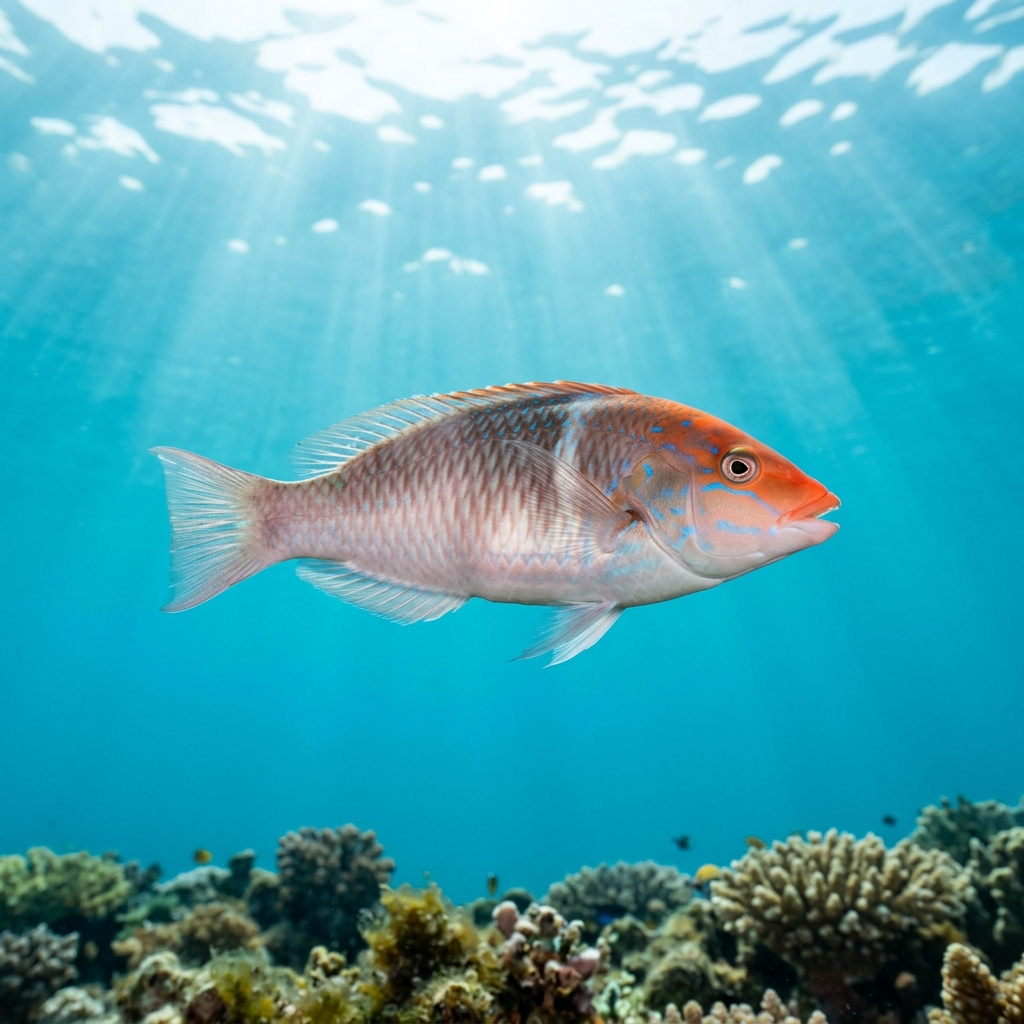
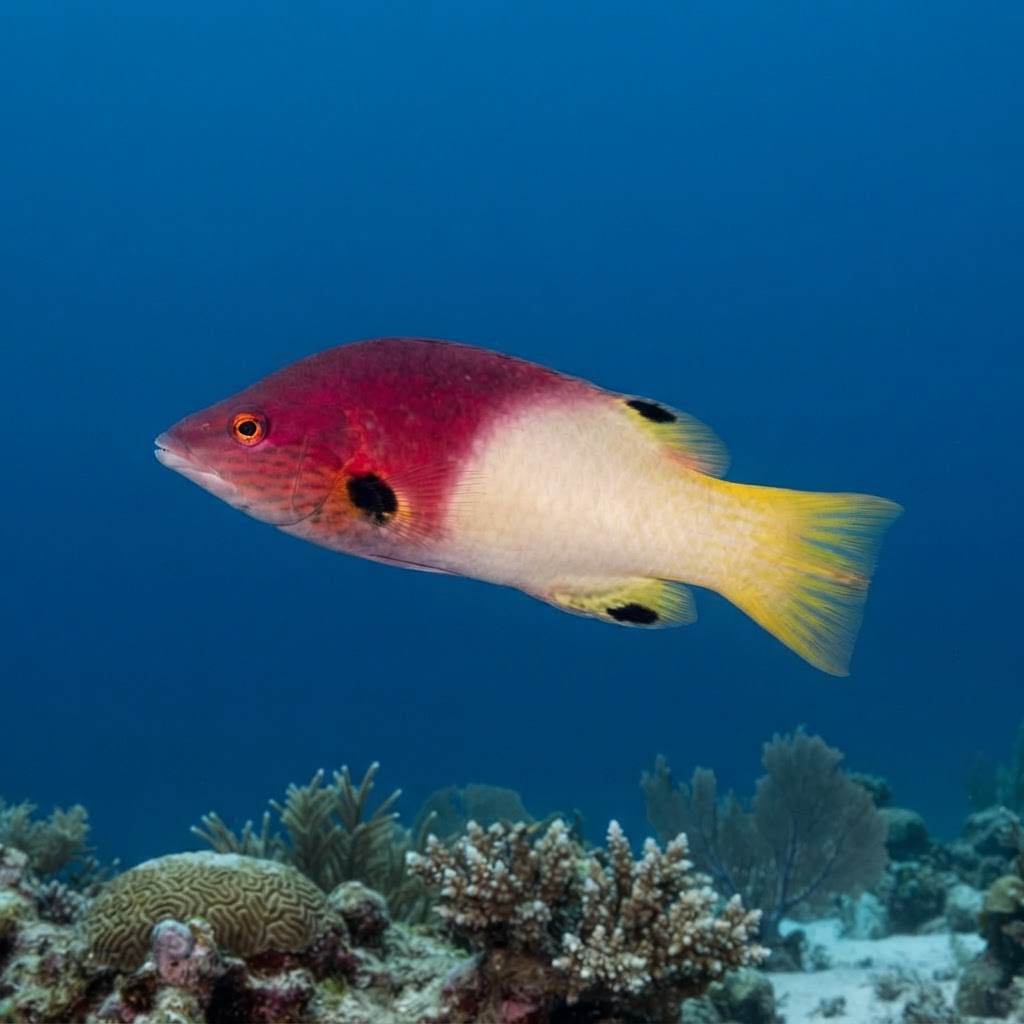
A small, deep-bodied wrasse around 14 cm, easiest to pick out by the bold black spot sitting just above the base of the pectoral fin, which gives the species its name. The head and front half of the body carry a dark mask-like patch, fading to white or pale pink toward the tail. It swims with the quick, darting wrasse motion low over the reef rather than cruising in open water, and its small size and stocky shape rule out most of the bigger wrasses divers confuse it with.
Look for it picking around coral rubble and crevices low on the reef, hunting small invertebrates rather than schooling or patrolling open water. It tends to stay close to shelter and dart for cover when approached too fast, so divers who hang back and watch a patch of reef for a minute or two get the better look. Most sightings are logged as uncommon rather than common, so it rewards a slow, methodical scan of the reef base more than open-water searching.
Like many hogfish and wrasses, it hunts by picking small crustaceans and molluscs out of crevices and rubble, making it a useful bioindicator of a healthy, invertebrate-rich reef base.
No clear seasonal pattern shows up in the sightings, and with a comfortable water-temperature range of roughly 24 to 29C across its reefs, it is a year-round find rather than a seasonal one.
Most consistently logged in Japan, particularly Okinawa and the wider Ryukyu Islands, and in the Seychelles' Inner Islands. It also turns up reliably in French Polynesia's Society Islands, on reefs around Queensland in Australia, off Green Island in Taiwan, and along the Red Sea and Gulf of Aqaba coasts of Egypt, Israel and Jordan.
Mapping where Axilspot Hogfish is logged…
Best logged around Okinawa and the Ryukyu Islands in Japan and the Inner Islands of the Seychelles, with reliable sightings also in French Polynesia's Society Islands, Queensland in Australia, Taiwan's Green Island, and the Red Sea coasts of Egypt, Israel and Jordan.
There is no strong seasonal pattern in the sightings, and its comfortable range of roughly 24 to 29C water means it is present on tropical reefs throughout the year.
Check for a small, deep-bodied wrasse around 14 cm with a dark facial patch, pale rear body, and a distinctive black spot just above the pectoral fin base. It stays low over the reef darting between crevices rather than cruising in open water.
They typically reach about 14 cm, making them one of the smaller reef wrasses divers encounter, easily overlooked against coral rubble and reef nooks.
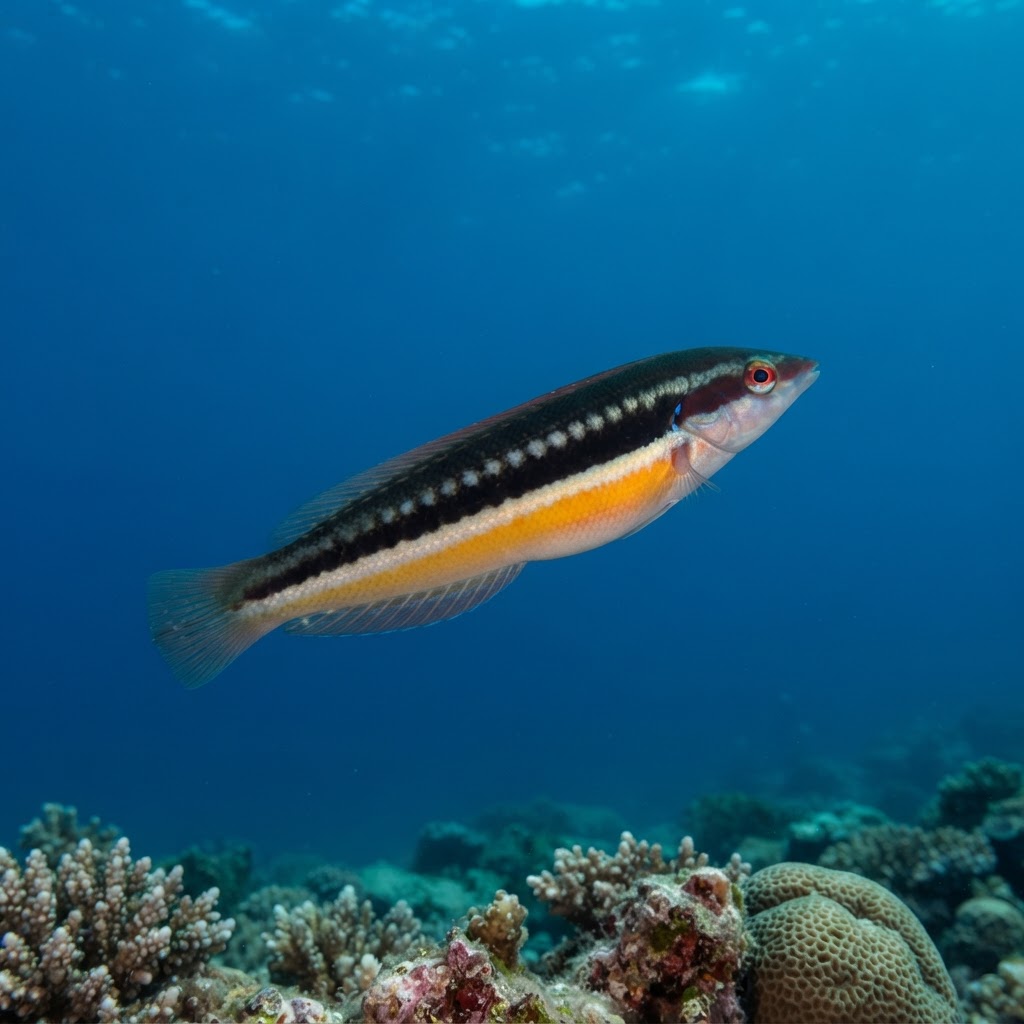
Juveniles look nothing like the adults: a dark maroon to blackish body scattered with white spots, plus a bold black-and-white false eyespot on the rear dorsal fin, likely a defence against predators.
No, they pose no risk to divers. They are small, shy reef fish that dart for cover rather than confront anything larger than themselves.
Site and sighting data is aggregated from diver logs, iNaturalist and GBIF. For taxonomy and conservation status:
Bird Wrasses
3,632 sites