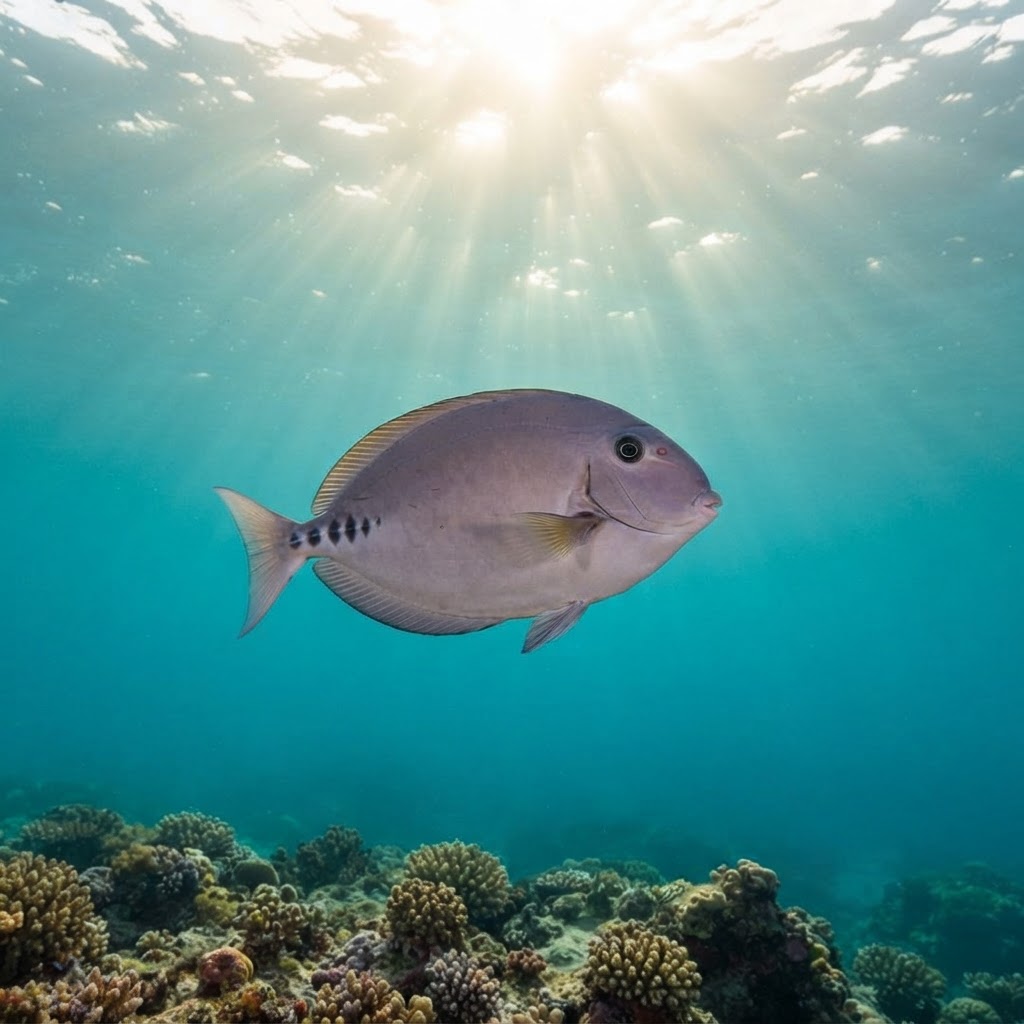
Prionurus microlepidotus
Grey-bodied surgeonfish with a pale saddle, most reliably seen on reefs in New South Wales at 18 to 25C, year-round.
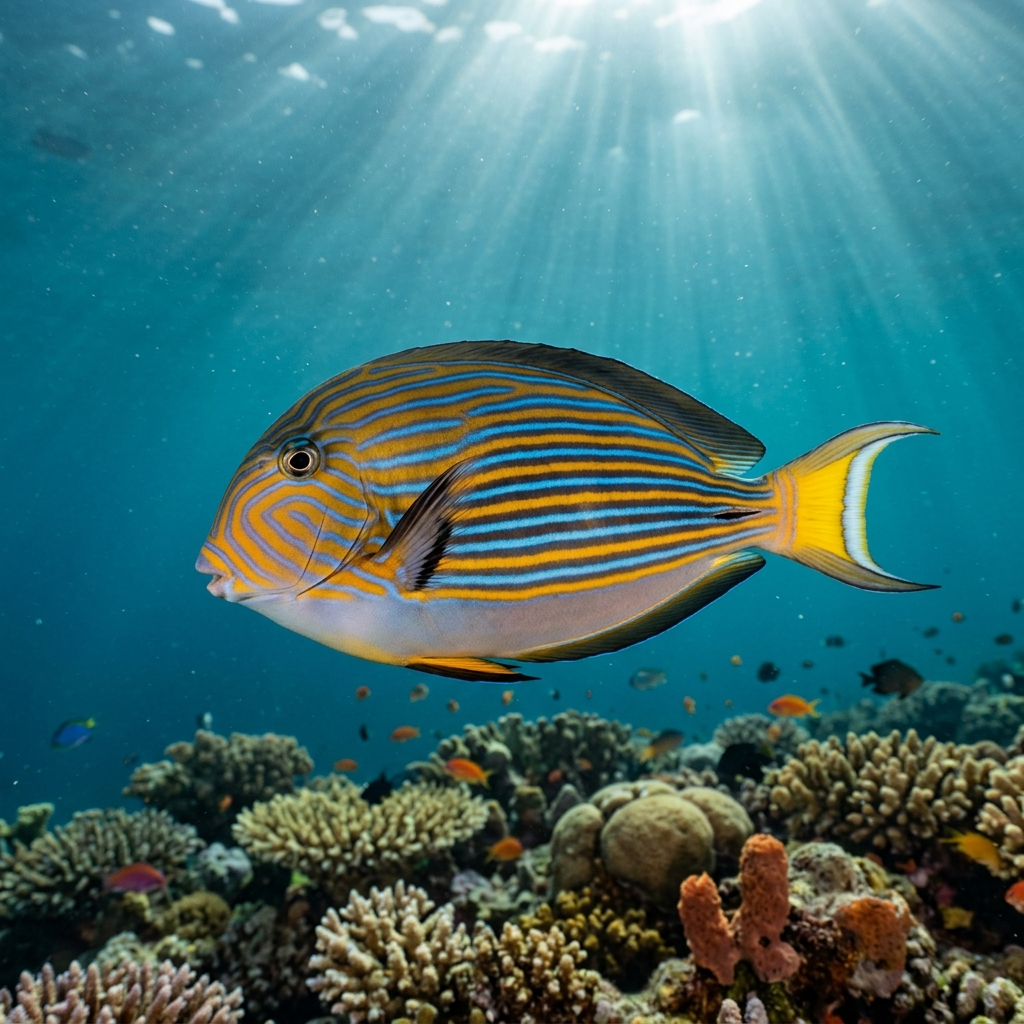
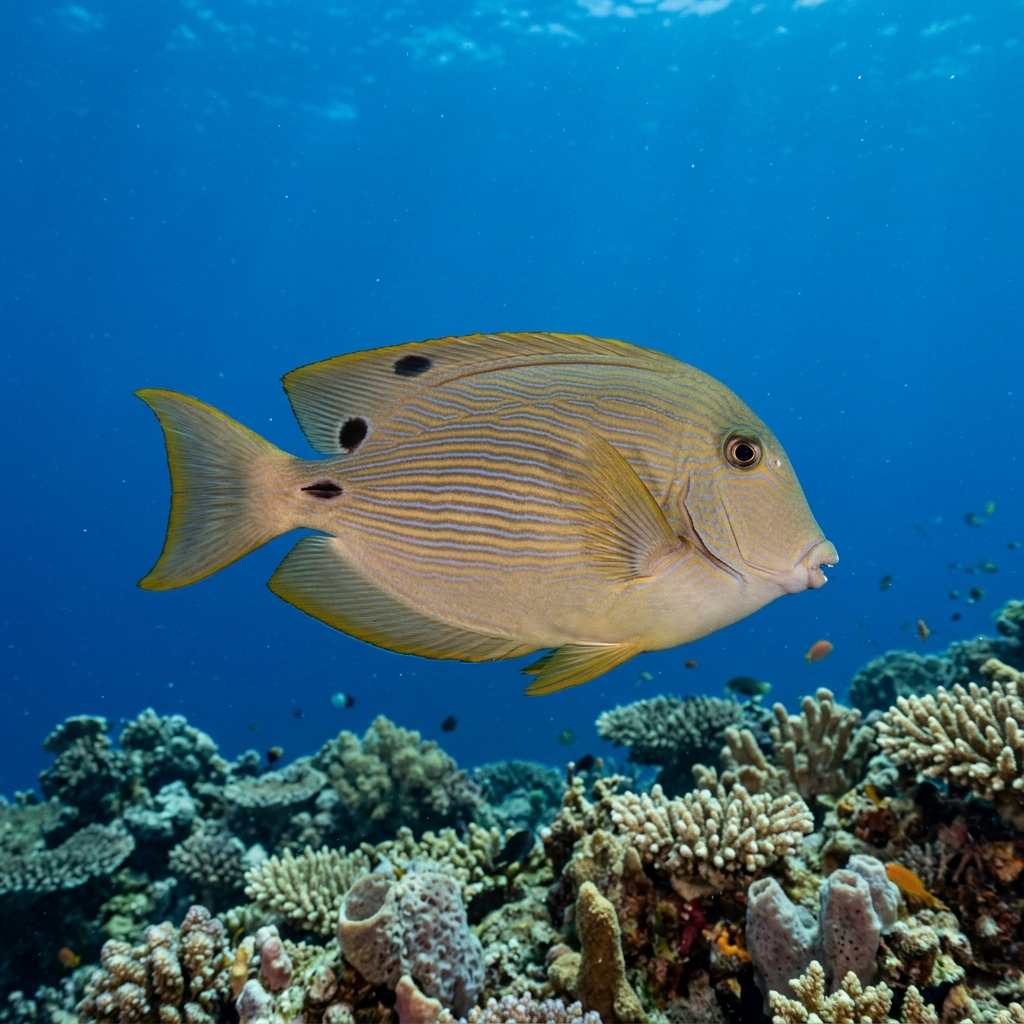
A deep, oval-bodied surgeonfish reaching around 49cm, coloured in muted grey to brown with a paler saddle-like patch across the mid-body that most divers key on. Look for the small, sharp scalpel-like spines near the tail base (the feature the family is named for) and a slightly protruding, bristly-looking mouth used for grazing algae off rock and reef. It often moves in loose groups over reef and rocky bottom rather than sitting still.
Divers most often find it grazing steadily over rock and reef surfaces, sometimes alone but frequently in small loose groups working the same patch of algae-covered rock. It tends to keep a comfortable distance rather than approach, continuing to feed as divers pass rather than bolting for cover. Most sightings come from open reef and rocky terrain rather than caves or crevices.
Those small fixed spines near the tail base are a real defensive weapon, common to surgeonfish generally, and part of why this family gets its common name.
No clear seasonal pattern shows up in the sighting data, and its comfort range of roughly 18 to 25C spans both the cooler and warmer months on these reefs, so it is a fair bet on any dive trip to New South Wales or Queensland.
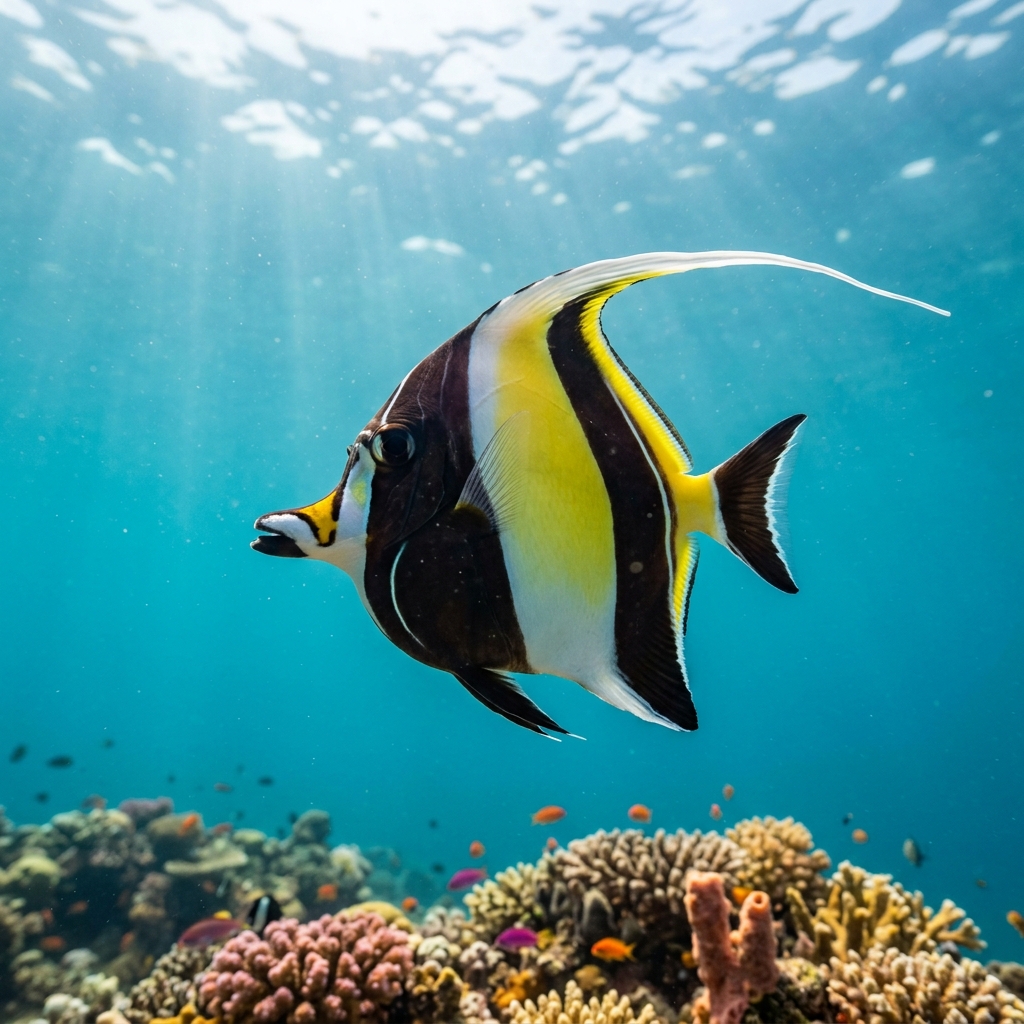
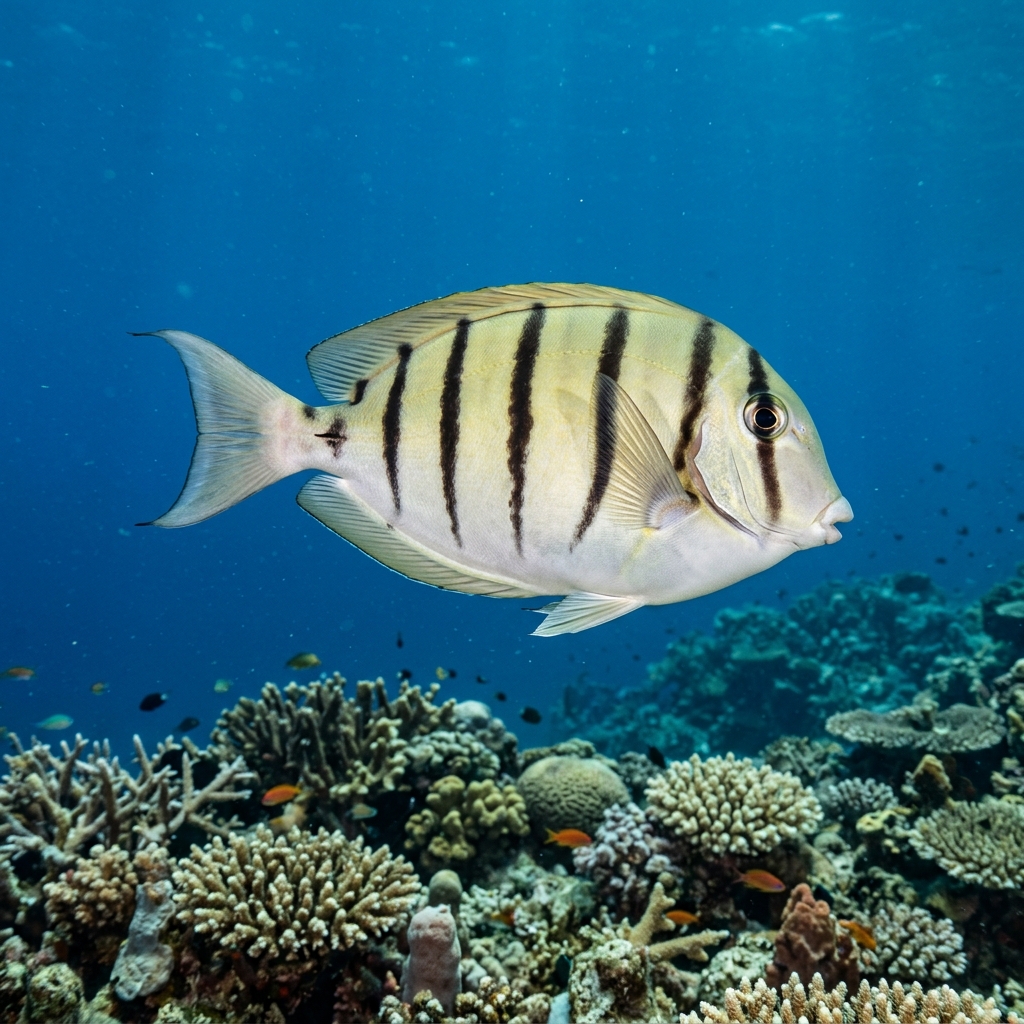
Reef neighbours a diver could mistake it for. Use the identification notes above to tell them apart.
This one is very much an Australian speciality, most consistently logged along New South Wales, with a smaller but reliable presence further north in Queensland. If you are diving temperate reefs around Sydney and the NSW coast, it turns up often enough to expect rather than hope for.
Mapping where Australian Sawtail is logged…
New South Wales is the strongest area for sightings, with Queensland reefs offering a smaller but real chance too. Both regions of Australia account for effectively all logged encounters.
There is no strong seasonal signal in the sightings, and its temperature niche spans roughly 18 to 25C, so it is seen across the year on New South Wales and Queensland reefs rather than in one particular season.
Look for a grey to brown, deep-bodied surgeonfish around half a metre long with a paler saddle patch across the middle of its body. The giveaway up close is the small sharp spine near the base of the tail, a family trait shared with other surgeonfish.
They typically reach around 49cm in length, making them one of the larger surgeonfish divers will encounter on Australian reefs.
No, they pose no real threat to divers and are not considered dangerous. Like other surgeonfish they carry small defensive spines near the tail, but these are not a concern unless the fish is handled.
Site and sighting data is aggregated from diver logs, iNaturalist and GBIF. For taxonomy and conservation status:
Striped Surgeonfish
3,289 sites