Asteronotus cespitosus
Spot the Starback Tentacled Dorid in warm Indo-Pacific waters from Taiwan to Guam. ID tips, top dive sites, and when to look for this cryptic nudibranch.
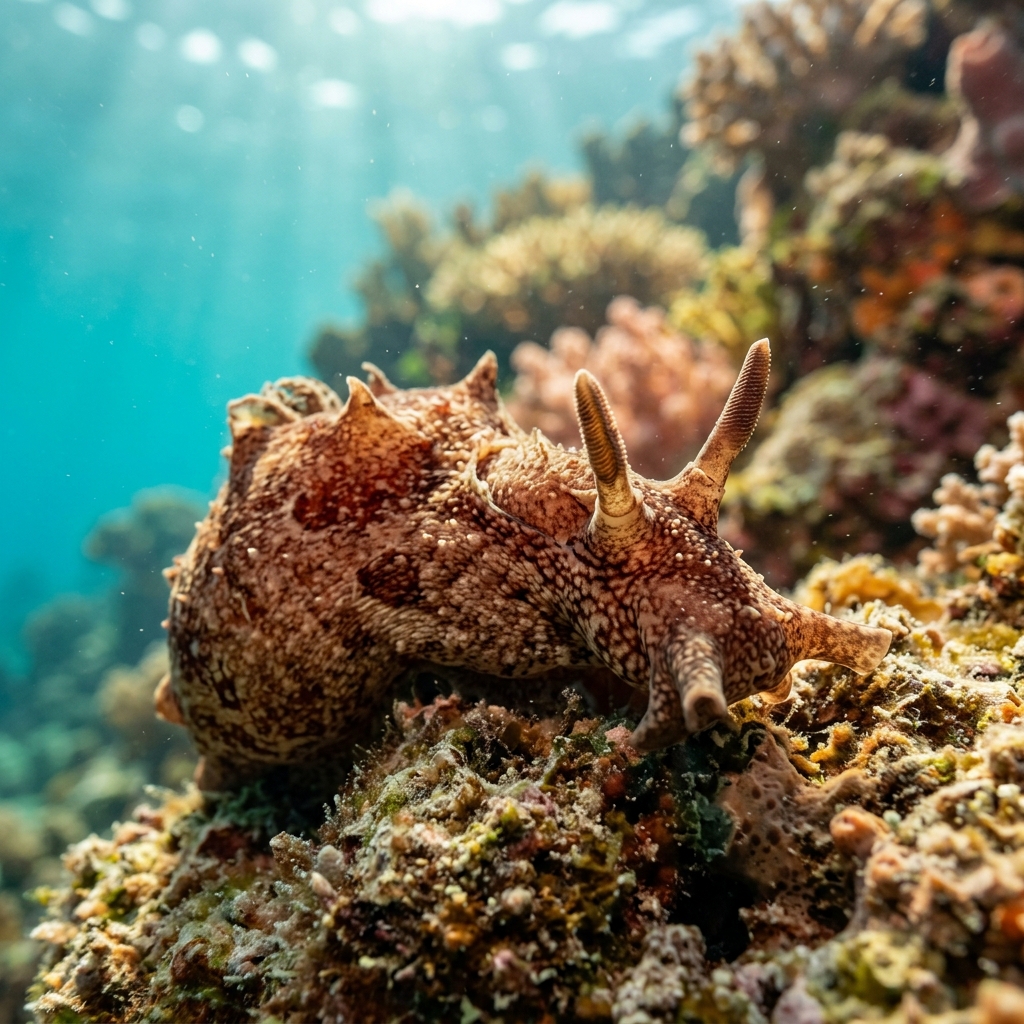
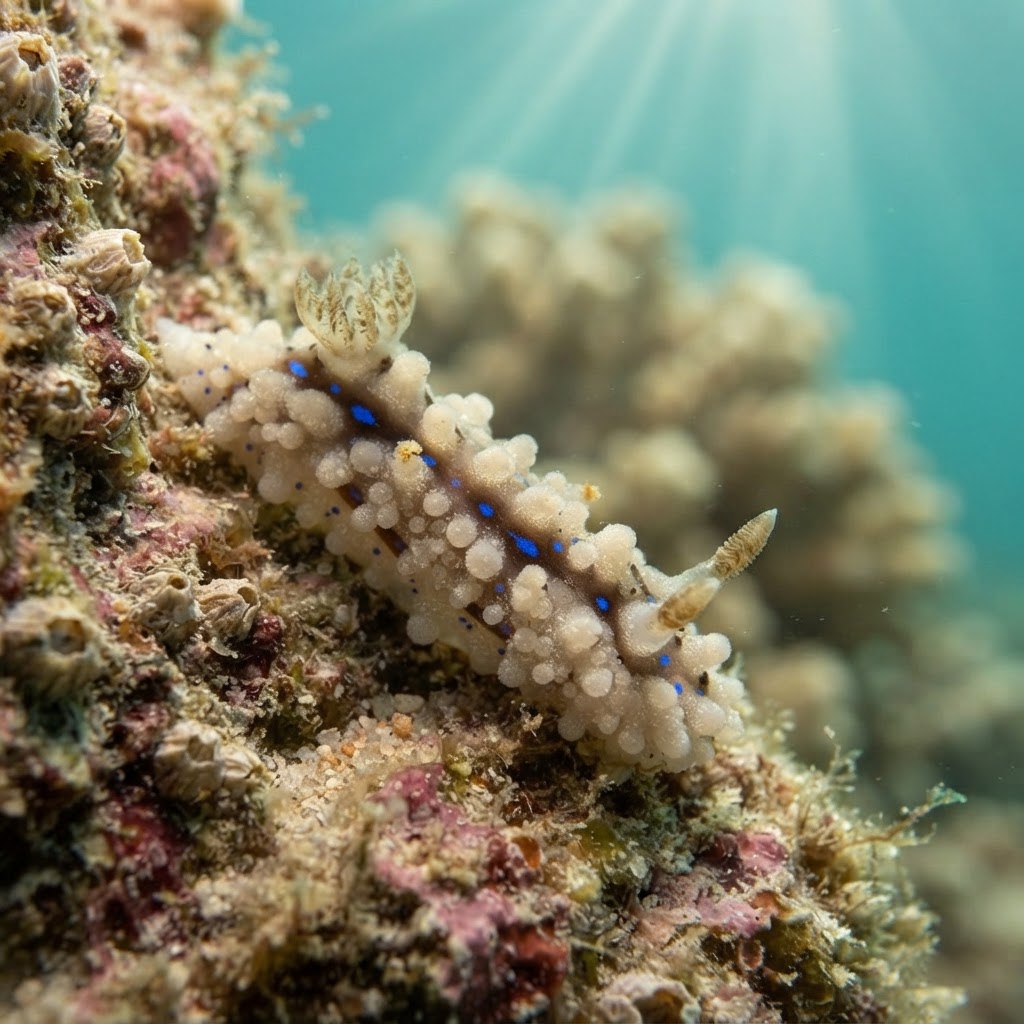
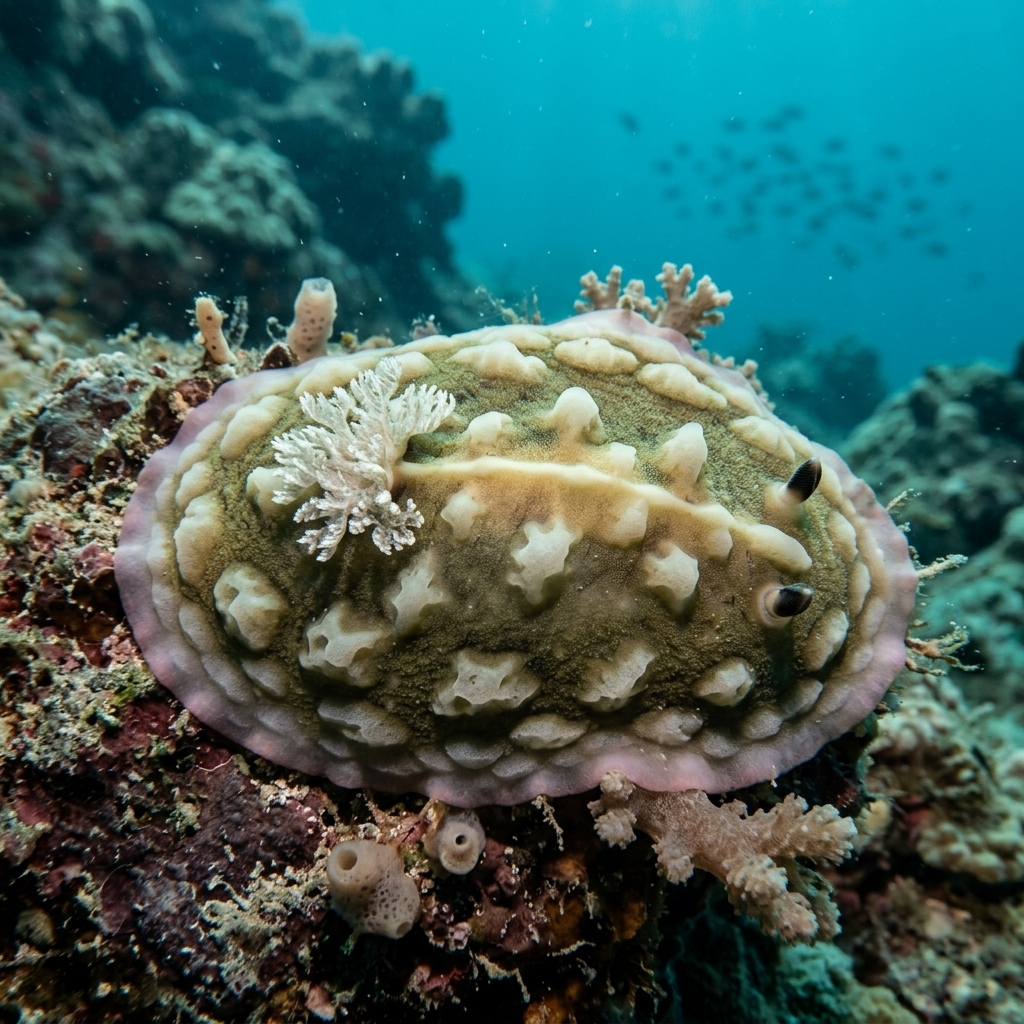
A large, flattened dorid nudibranch with a thick, bumpy mantle heavily mottled in shades of brown, cream, and grey, making it look remarkably like encrusting sponge or rubble. The most useful field mark is the scattered raised tubercles (bumps) across the mantle surface, which vary in colour and give the back a textured, star-scattered appearance. At dive sites in the Indo-Pacific, you are unlikely to see it moving quickly; it tends to sit flush against the substrate, relying on camouflage rather than fleeing. The gill plume and rhinophores (sensory horns at the front of the mantle) are usually visible if you look closely.
When encountered, it is almost always motionless or very slowly moving across rocky rubble, coral rubble, or encrusting sponge, which its camouflaged mantle closely resembles. Most divers spot it only because they are searching slowly and methodically at close range; it does not react dramatically to approach and rarely moves away quickly. It is primarily a bottom-hugging, cryptic species, so torchlight (even in daylight) helps reveal its outline against the substrate.
Its extraordinary camouflage is not passive decoration. The Starback Tentacled Dorid is widely thought to sequester noxious compounds from the sponges it feeds on, so the combination of chemical deterrence and visual disguise makes it one of the harder nudibranchs to detect and even harder for predators to target.
No clear seasonal peak has emerged from the data, so this species is best treated as a year-round resident of warm tropical reefs. Its observed water temperature range of roughly 25 to 29 °C matches the steady warmth of the Indo-Pacific sites where it is most often found.
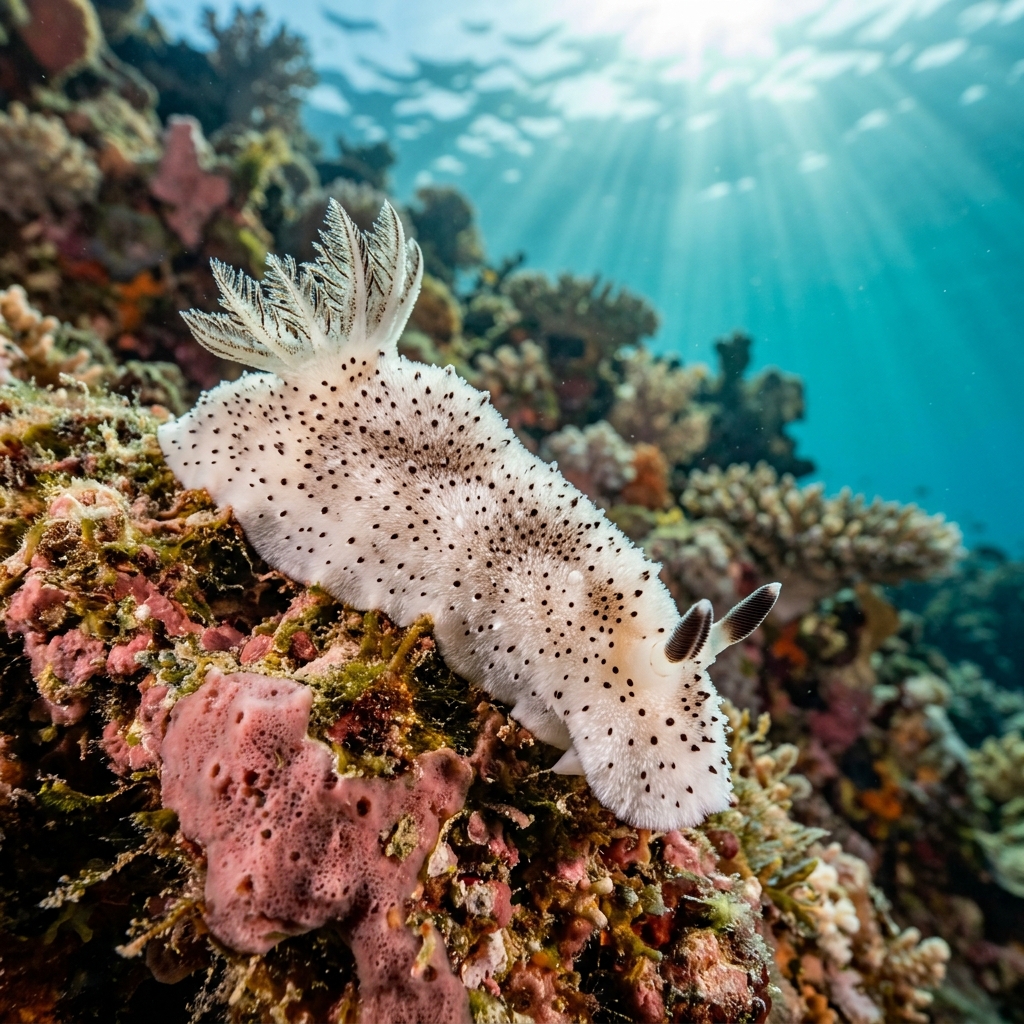
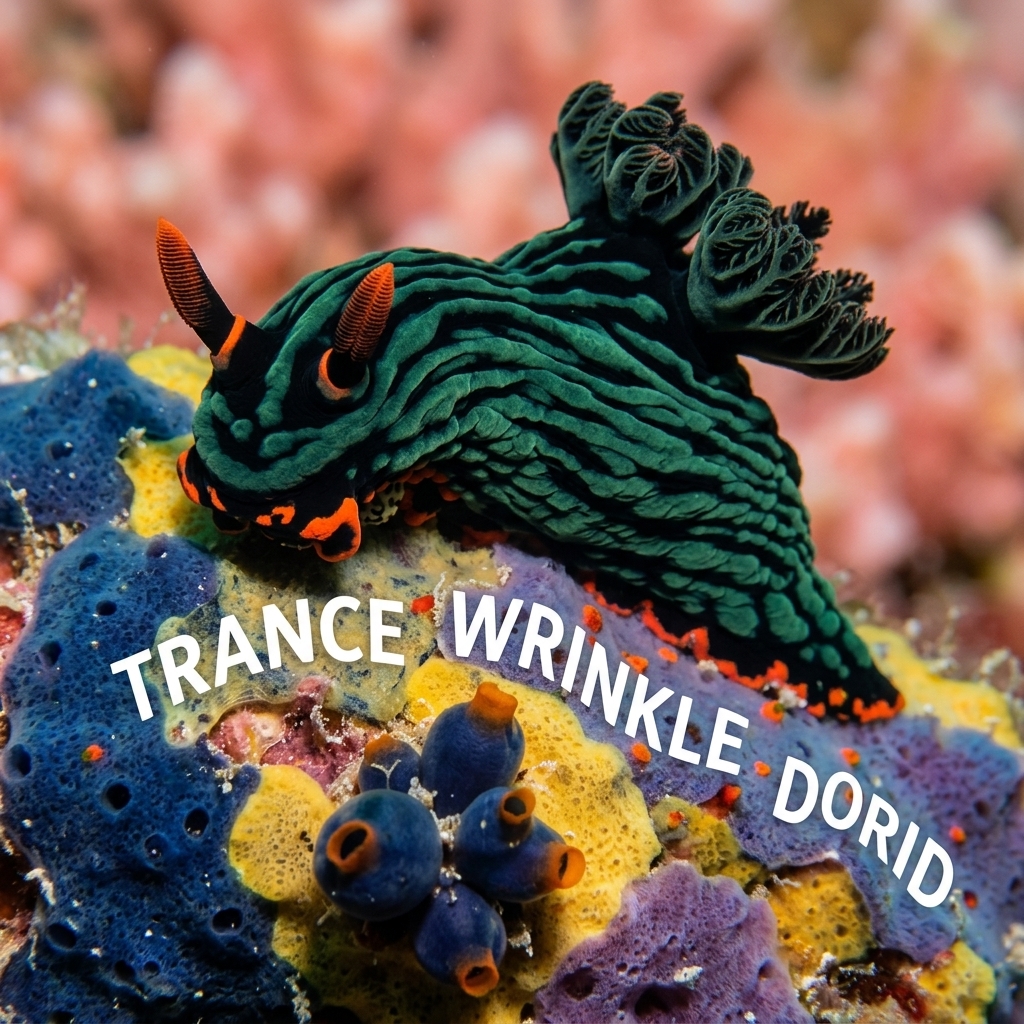
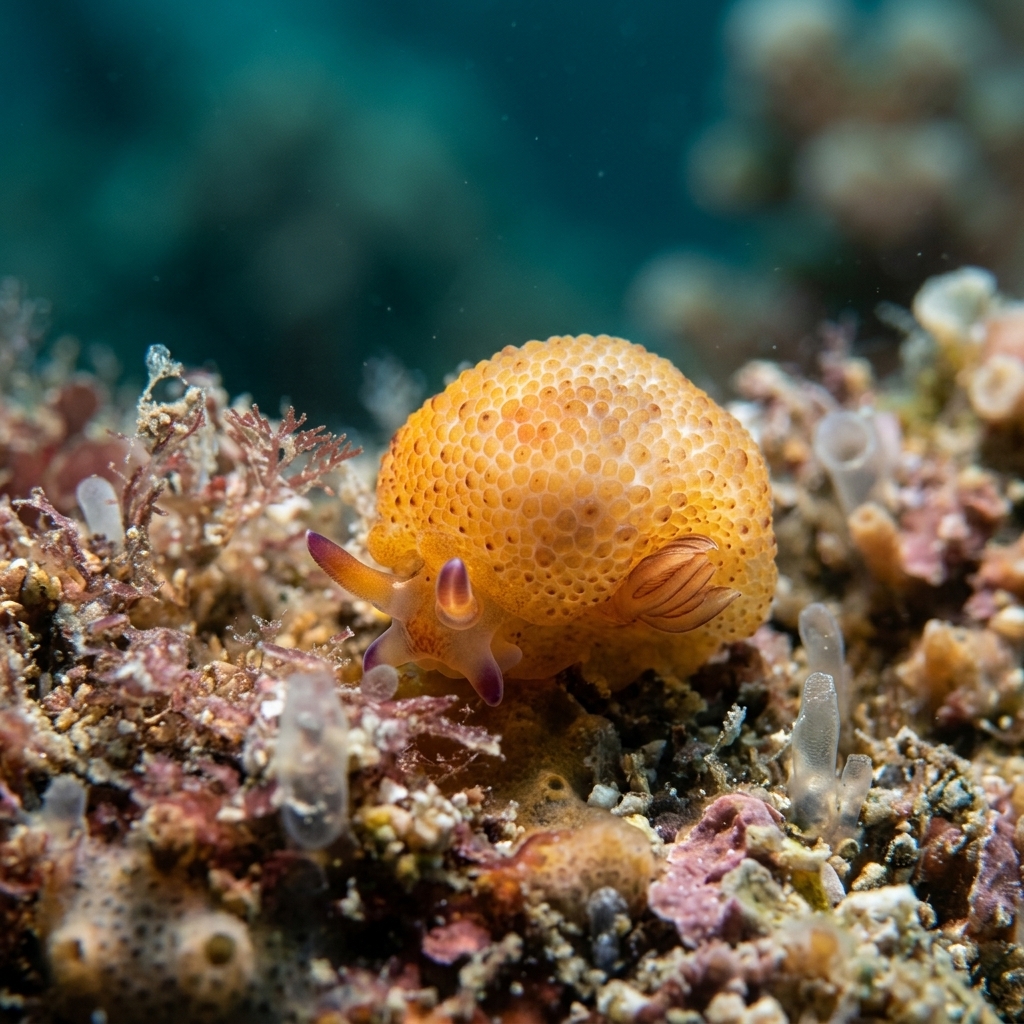
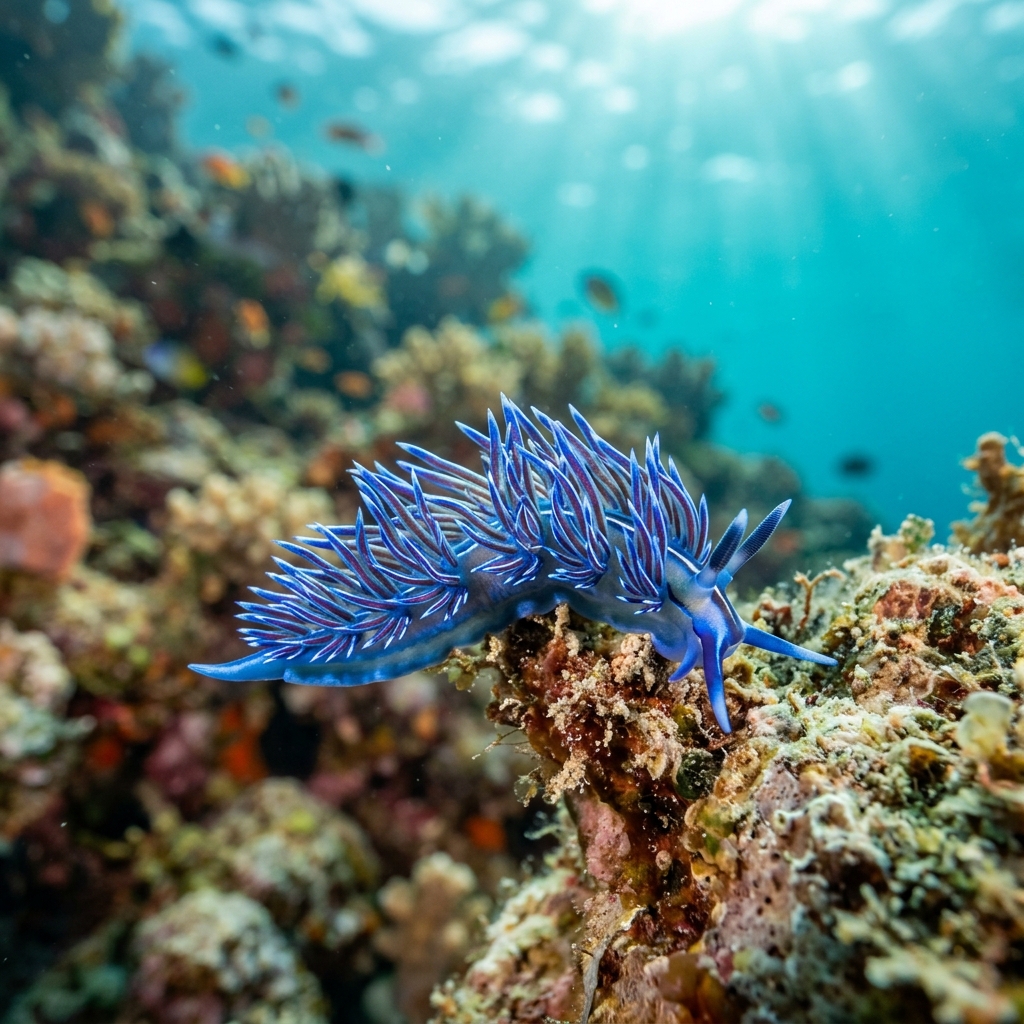
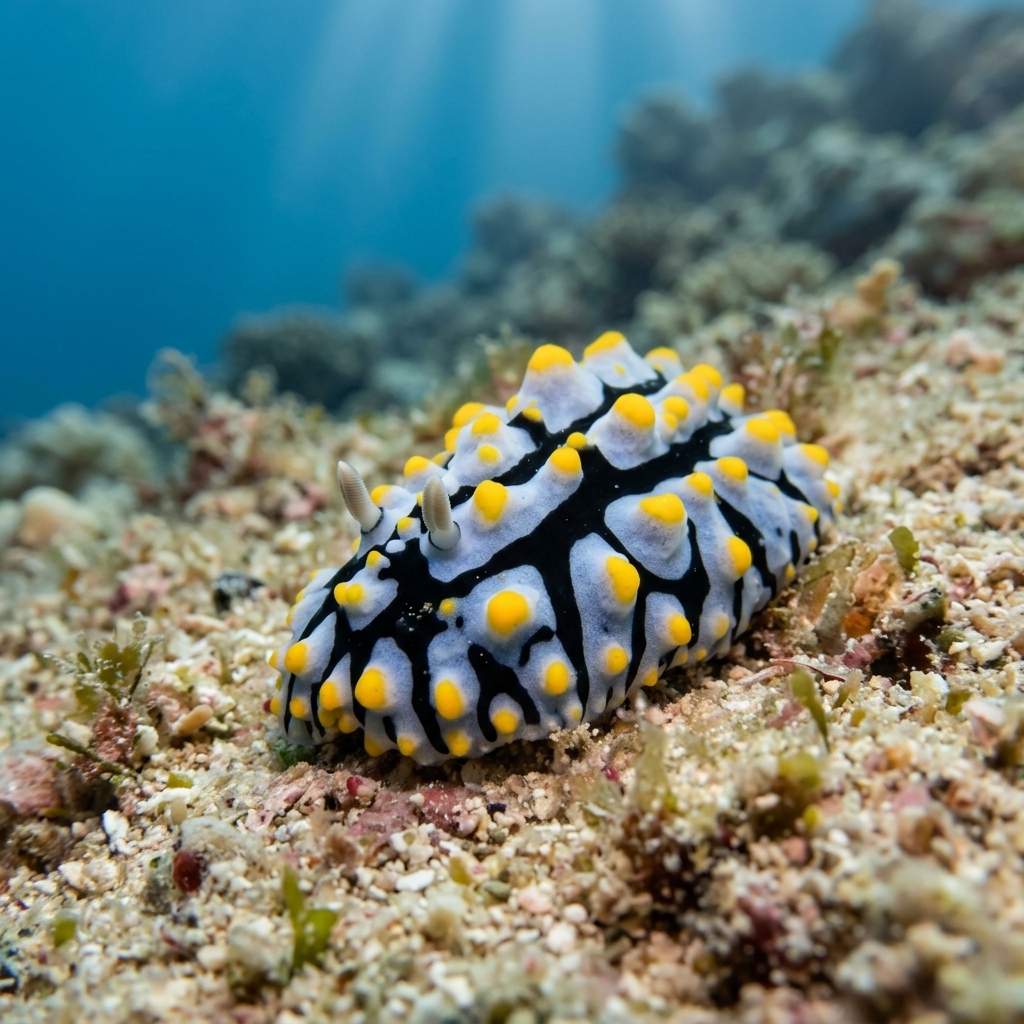
Reef neighbours a diver could mistake it for. Use the identification notes above to tell them apart.
Most consistently logged at sites around Green Island in Taiwan and across Saipan in the Northern Mariana Islands, which together account for the largest share of recorded sightings. Strong populations are also documented in Bali and surrounding Indonesian waters, throughout Tumon Bay in Guam, and across Luzon in the Philippines, with additional records from Hawaii, Réunion, and Kwajalein Atoll in the Marshall Islands.
Mapping where Starback Tentacled Dorid is logged…
It is most reliably logged around Green Island in Taiwan and Saipan in the Northern Mariana Islands. Good chances also exist at sites across Bali, Guam's Tumon Bay, Luzon in the Philippines, and Hawaii. Smaller numbers of records come from Réunion and Kwajalein Atoll in the Marshall Islands.
Available sighting data does not point to a concentrated season, so it can realistically be encountered year-round at its known sites. It occupies warm tropical reefs sitting between roughly 25 and 29 °C, which remain stable throughout the year across most of its Indo-Pacific range.
Look for a large, flat nudibranch with a heavily mottled brown, cream, and grey mantle covered in raised bumps. It blends almost perfectly with sponge-encrusted rubble, so the key is scanning slowly at close range. The raised, variably coloured tubercles scattered across the back are the clearest distinguishing feature once you have your eye in.
It is classed as uncommon at the majority of sites where it is recorded, and rare at many others. Even at its best-known locations like Green Island or Saipan, you should not expect to see it on every dive. Slow, methodical reef searches at close range give the best odds.
No. They pose no threat to divers and can be approached and observed closely without concern. Like many nudibranchs, they may carry noxious chemicals sequestered from their prey, but these are a defence against reef predators, not humans.
Site and sighting data is aggregated from diver logs, iNaturalist and GBIF. For taxonomy and conservation status:
Light-spotted Aegires
3,168 sites