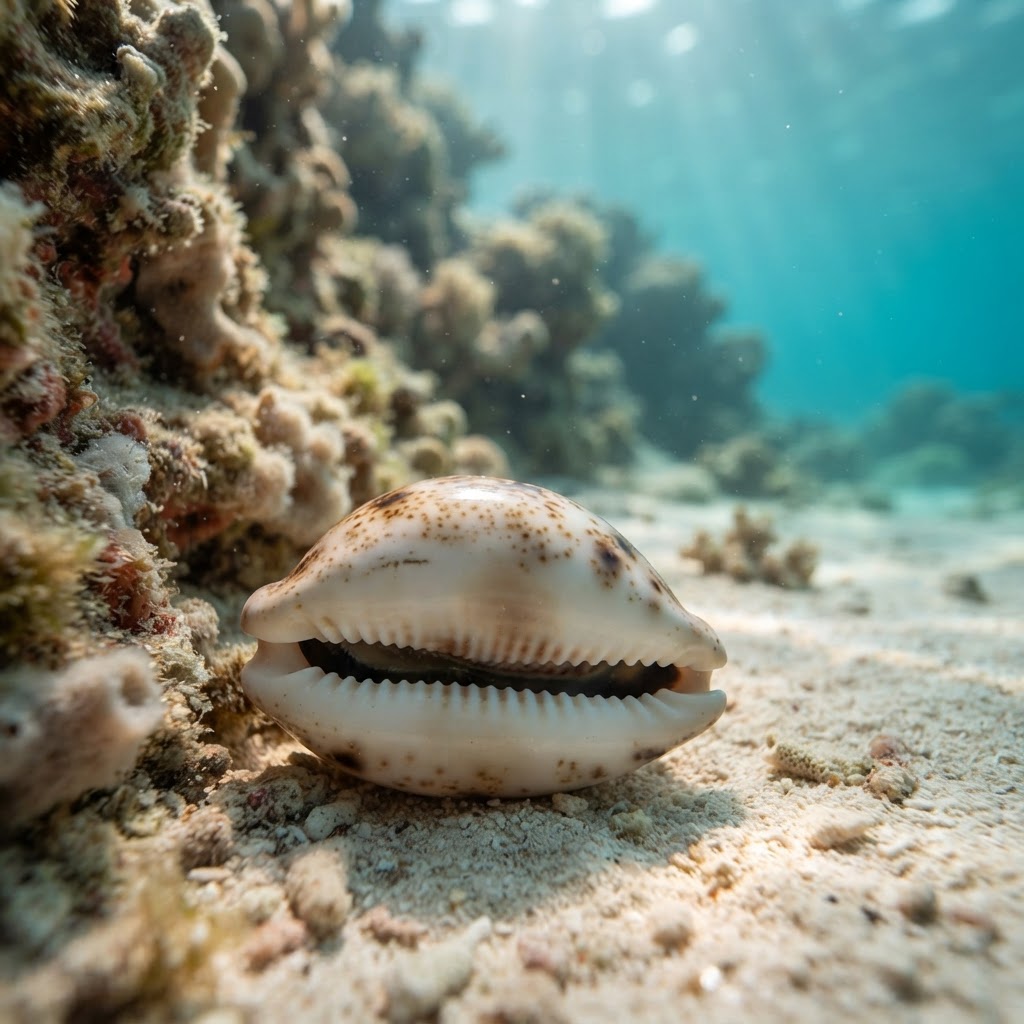
Luria cinerea
A 2cm grey shell hiding on reefs from Saint Croix to Grand Cayman, warm water year-round, easy to miss if you don't look close.
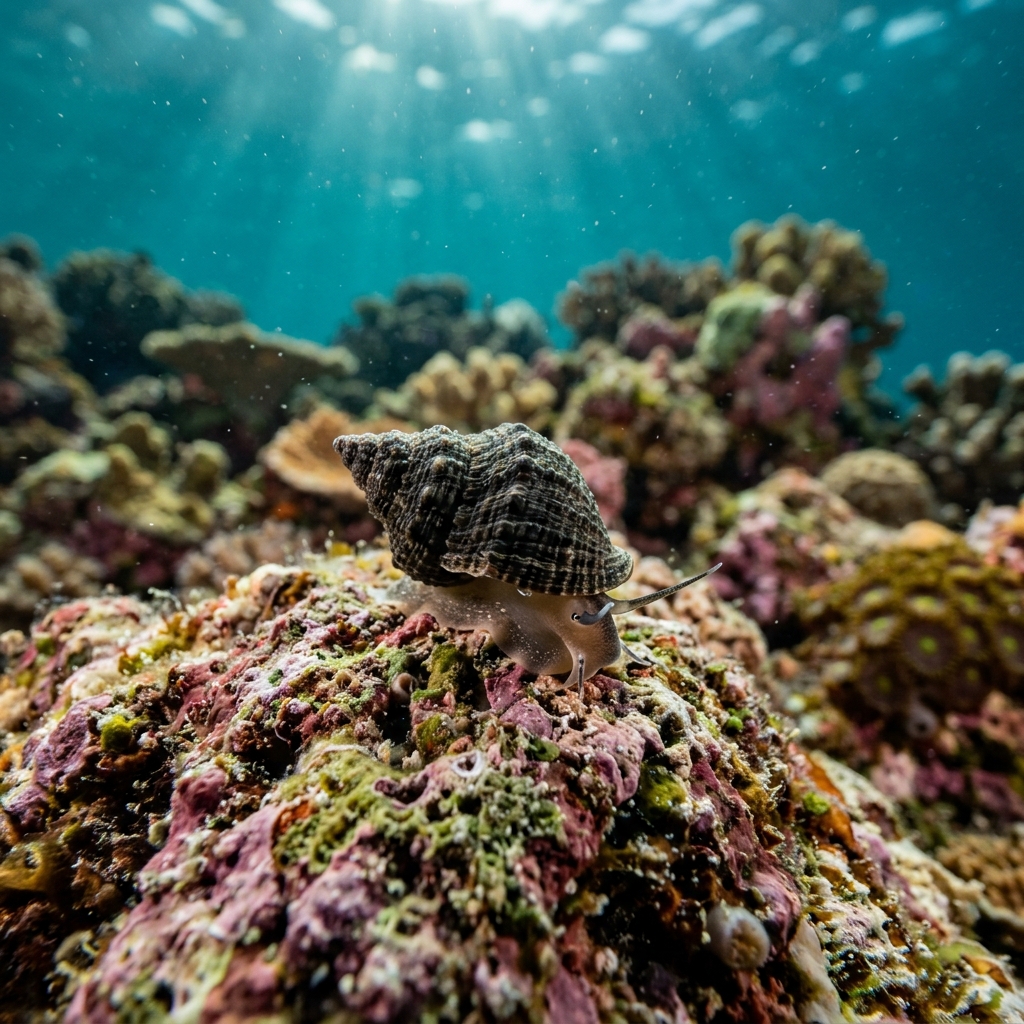
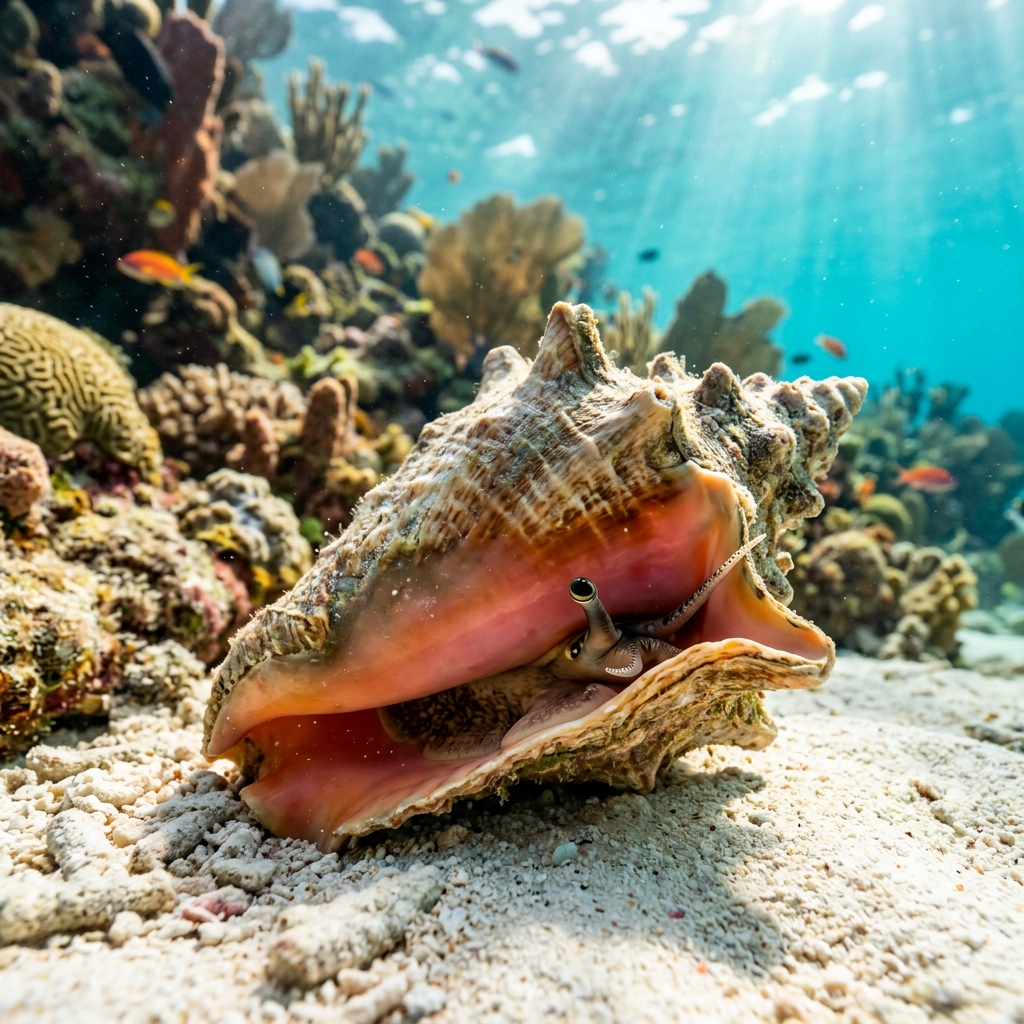
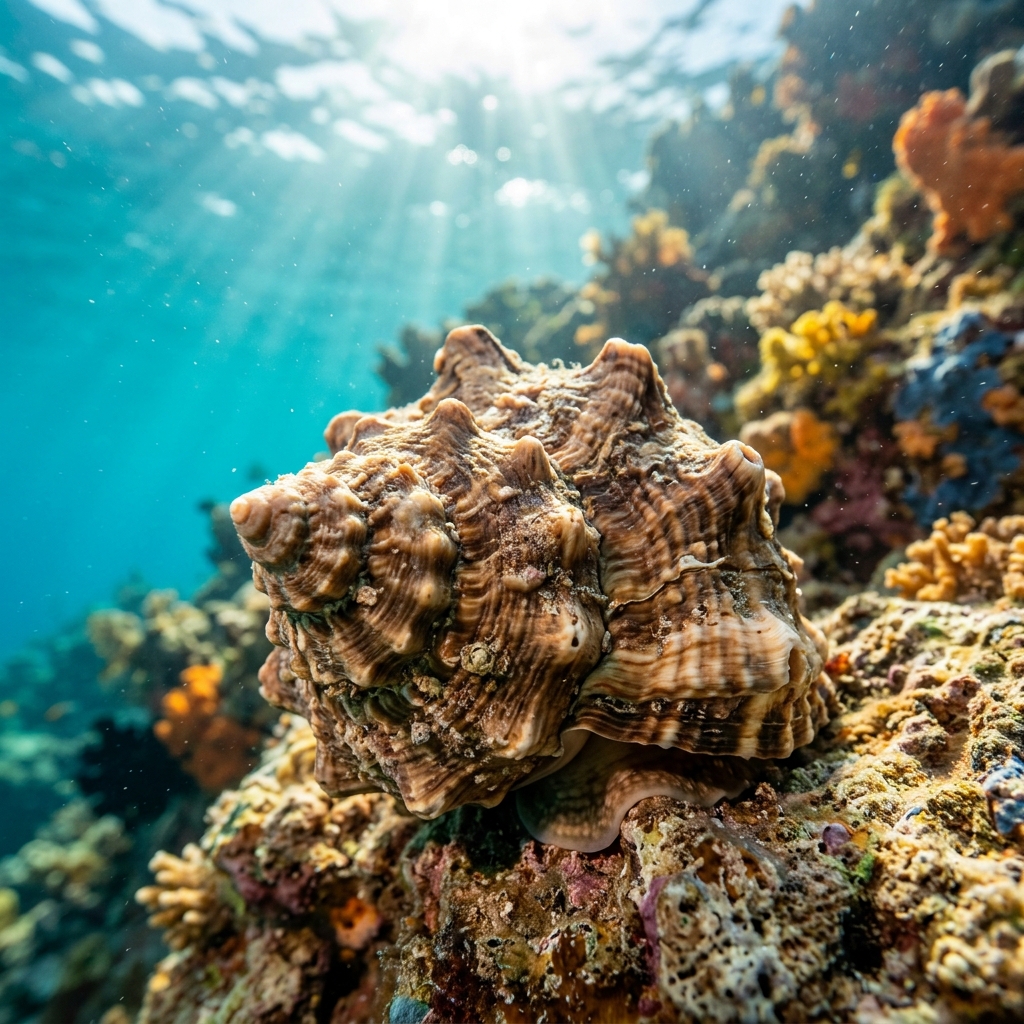
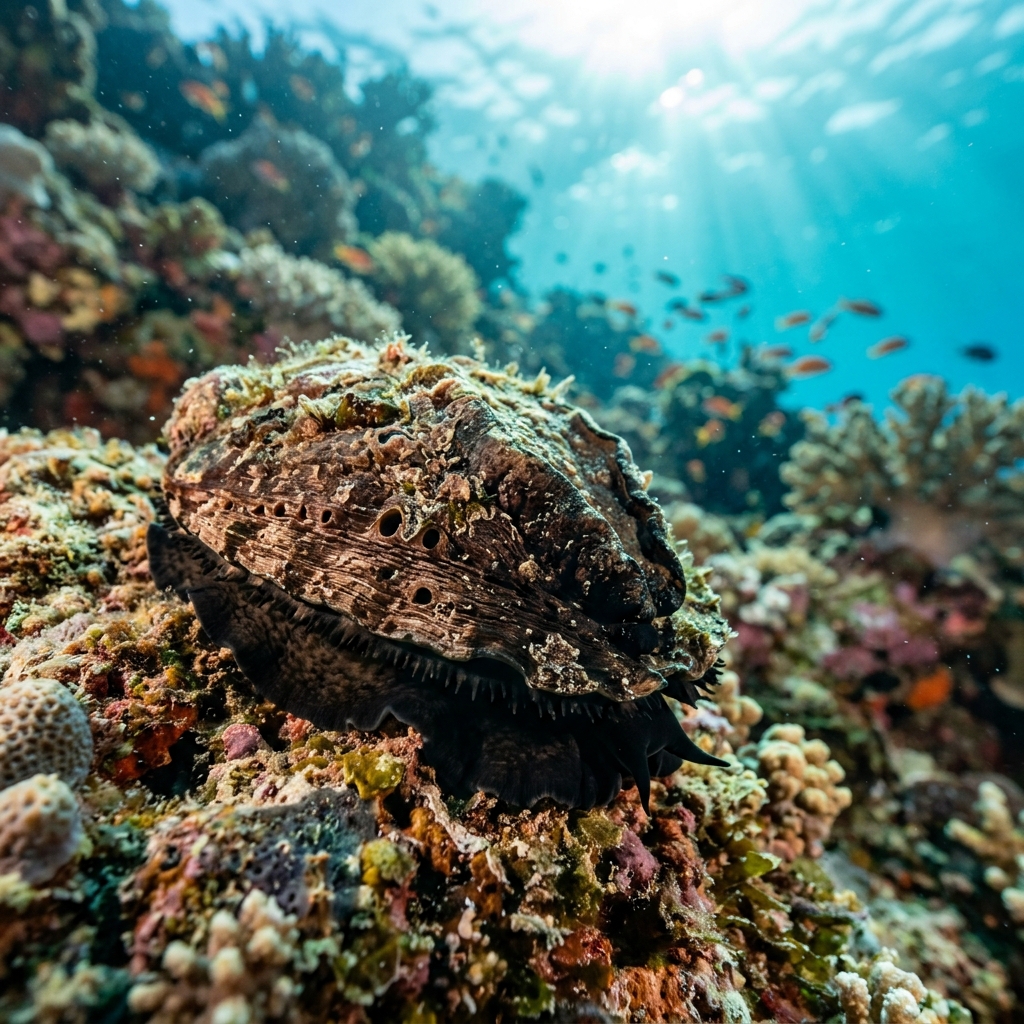
A smooth, glossy shell barely 2cm long, oval and rounded like a small polished pebble, in shades of ash grey to pale brown often with a faint mottled pattern. The underside shows the classic cowrie feature: a long narrow opening lined with small ridged teeth. When alive and undisturbed, the mantle (soft tissue) can extend to partly cover the shell, giving it a duller, fleshier look than the polished shell alone.
Look for it tucked into reef crevices, under coral rubble, or pressed against rock during the day, since cowries like this tend to be most active and exposed at night. Divers who log it are usually running a slow, close look along the substrate rather than spotting it from mid-water, since at 2cm and shell-coloured it blends right into the reef. It rates rare to uncommon at nearly all its logged sites, so finding one takes patience and a torch or good eye more than luck alone.
Cowries secrete a glossy layer over their shell from the mantle tissue that wraps around it while feeding, which is why a living one often looks softer and less shiny than an empty shell washed up on a beach.
No clear seasonal pattern shows up in the sighting data, and with a comfortable temperature niche of roughly 25 to 31C, conditions stay favourable across the Caribbean all year. Treat this as a year-round find rather than something tied to a particular month.
This one is most reliably logged in the US Virgin Islands, especially around Saint Croix, and shows up consistently in the Cayman Islands around Grand Cayman and on Sint Eustatius's Tent Reef area. Colombia's Caribbean coast, Saba, Guadeloupe, and Cuba round out the sightings, making this a Caribbean-wide find rather than a single-destination specialty.
Mapping where Ashen Cowrie is logged…
It turns up most consistently in the US Virgin Islands around Saint Croix, in the Cayman Islands near Grand Cayman, and on Sint Eustatius. It has also been logged along Colombia's Caribbean coast, in Saba, Guadeloupe, and Cuba, so it is a Caribbean-wide species rather than a single-site specialty.
There is no strong seasonal pattern in the sightings, and its warm-water niche (roughly 25 to 31C) holds steady across the Caribbean year-round, so any time of year works about equally well.
Look for a small, smooth, glossy shell around 2cm long in grey to pale brown tones, oval in shape with a narrow toothed opening on the underside. It is easy to overlook against reef rubble, so a close, slow look works better than scanning from a distance.
They stay small, typically around 2cm in length, which is one reason they are so easy to swim past without noticing.
No, this is a harmless, slow-moving snail with no sting or bite risk to divers. The only real challenge is finding it, not avoiding it.
Like other cowries, it can extend its mantle tissue up over the outside of its shell while active, which continually adds a glossy polish to the shell surface over its lifetime.
Site and sighting data is aggregated from diver logs, iNaturalist and GBIF. For taxonomy and conservation status:
Triton Shell
2,297 sites