Best for intermediate divers, 30-60m, shore & boat entry.
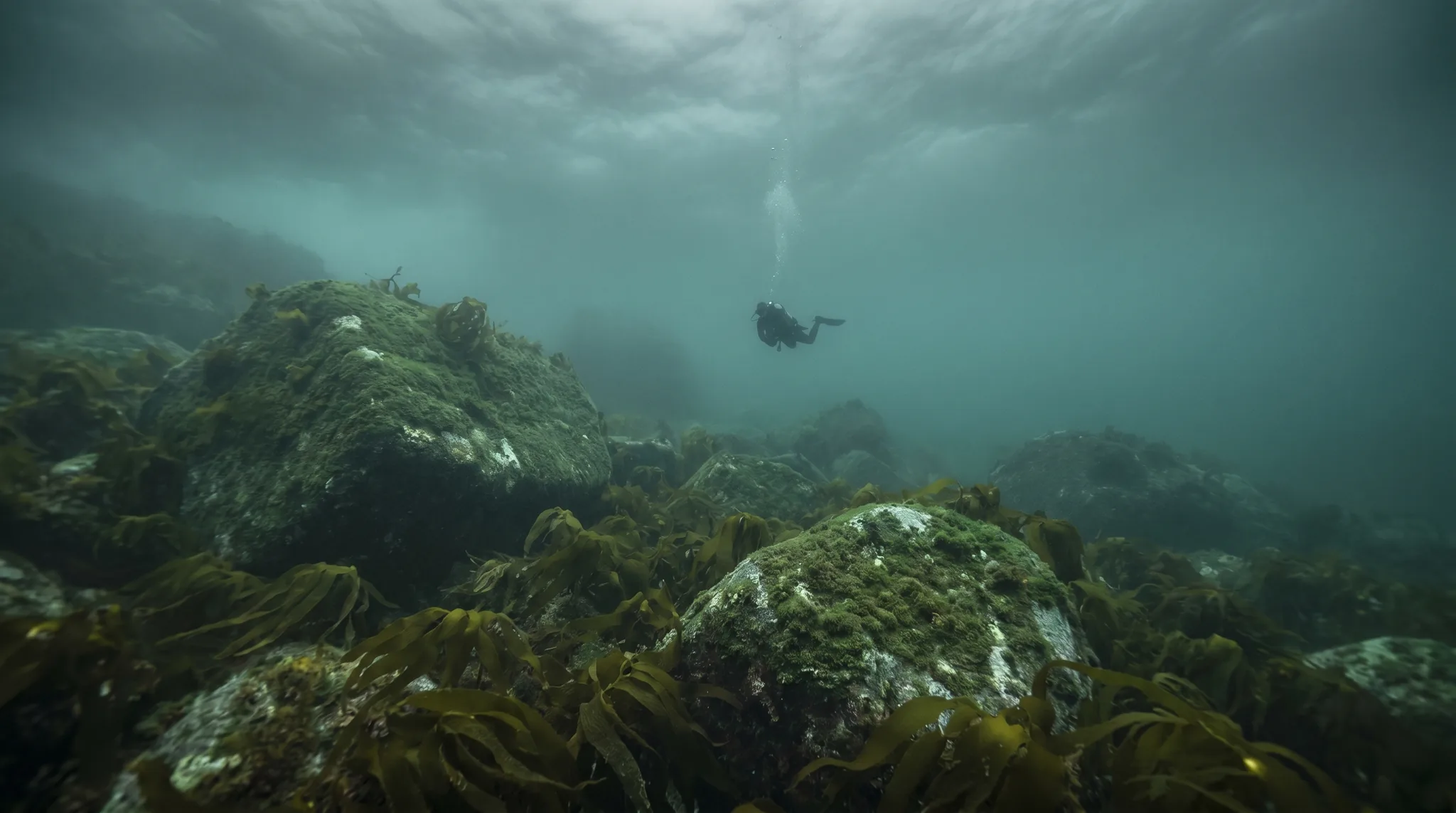
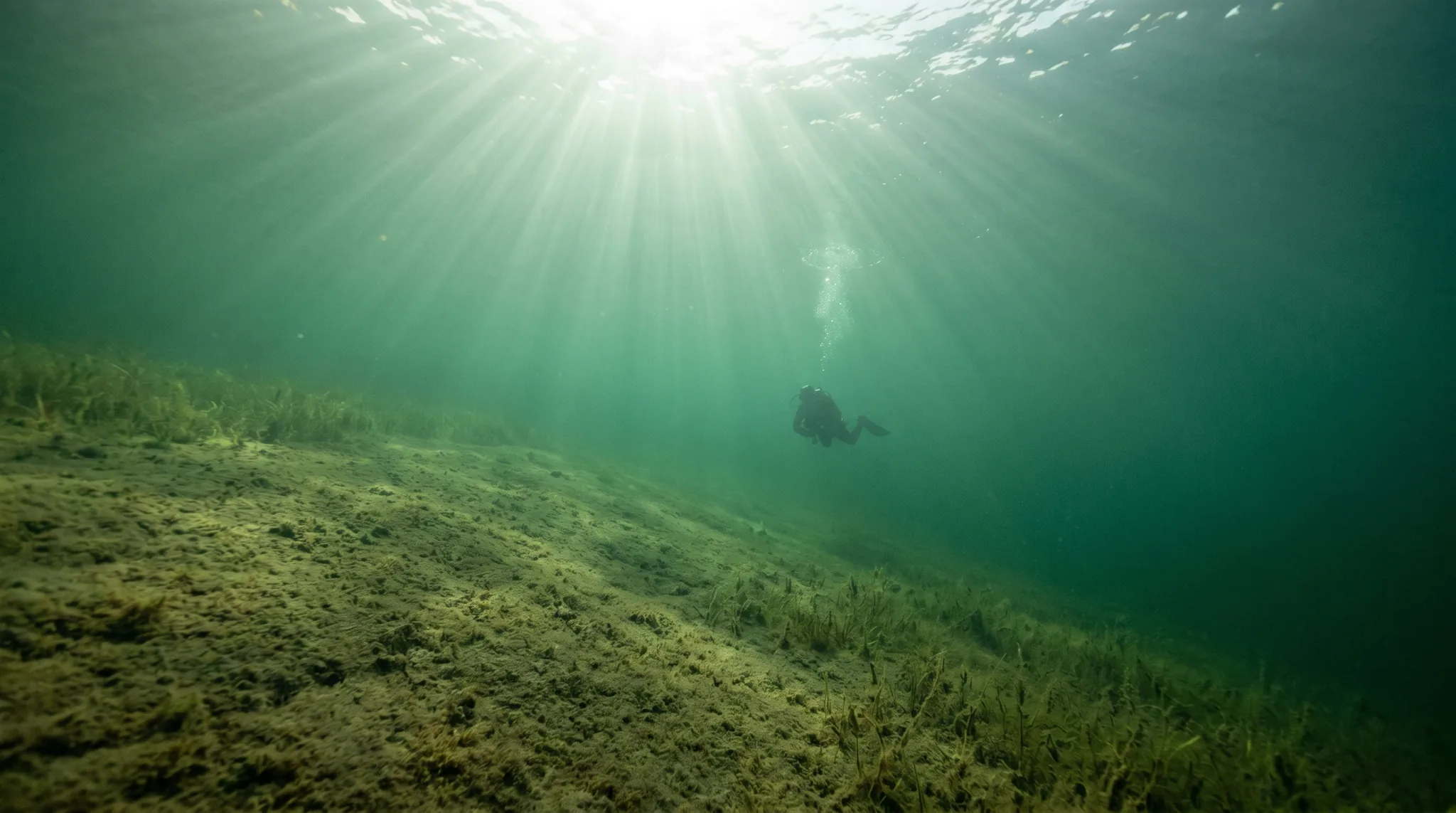
Sennaya pad in Lake Baikal offers a varied underwater landscape featuring a reef, wall, and canyon. The site is suited for intermediate divers, with depths ranging from 30 to 60 metres and an average depth of 45 metres. Visibility typically fluctuates between 10 and 30 metres. Divers can access the site via shore or boat. Due to the extreme cold of Lake Baikal, dry suits are essential for all dives. The site is also available for night diving. Divers should be prepared for significant thermoclines and plan their thermal and air limits conservatively given the cold water conditions.
51.89885, 105.12333
Water temperature data is unconfirmed, so contact local operators before the trip to confirm what exposure suit is appropriate, as Siberian freshwater sites can be significantly colder than expected at depth. The thermocline can cause a sudden drop in both temperature and visibility as you descend, so plan your air and thermal limits conservatively.
Accessible from shore or boat.
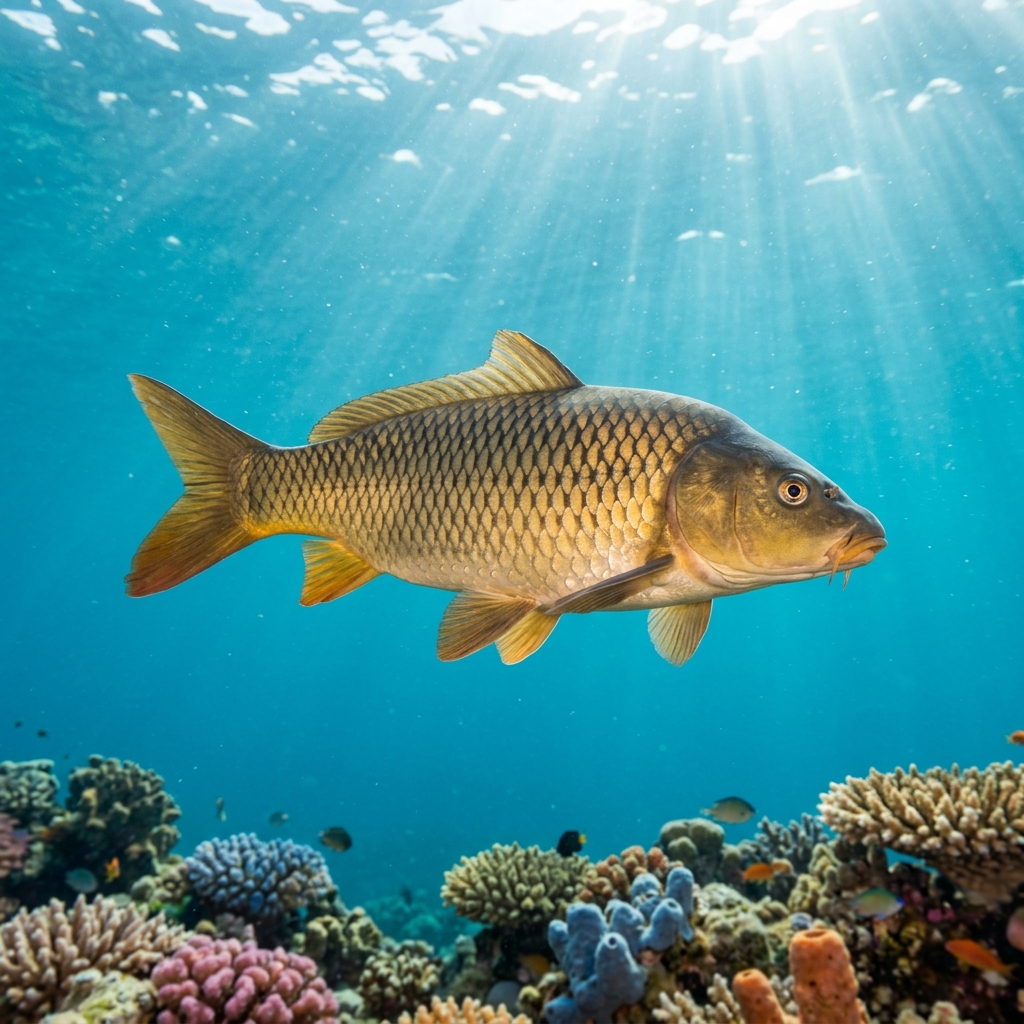
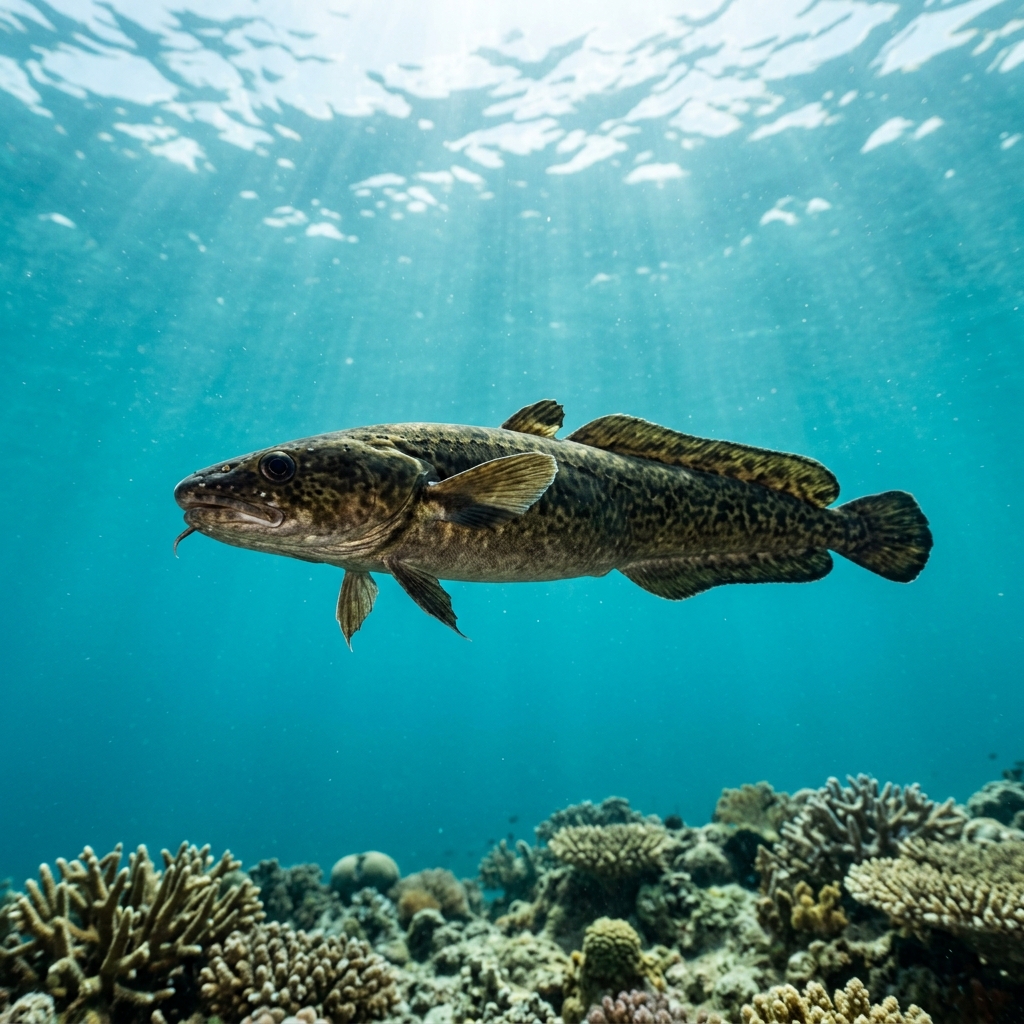
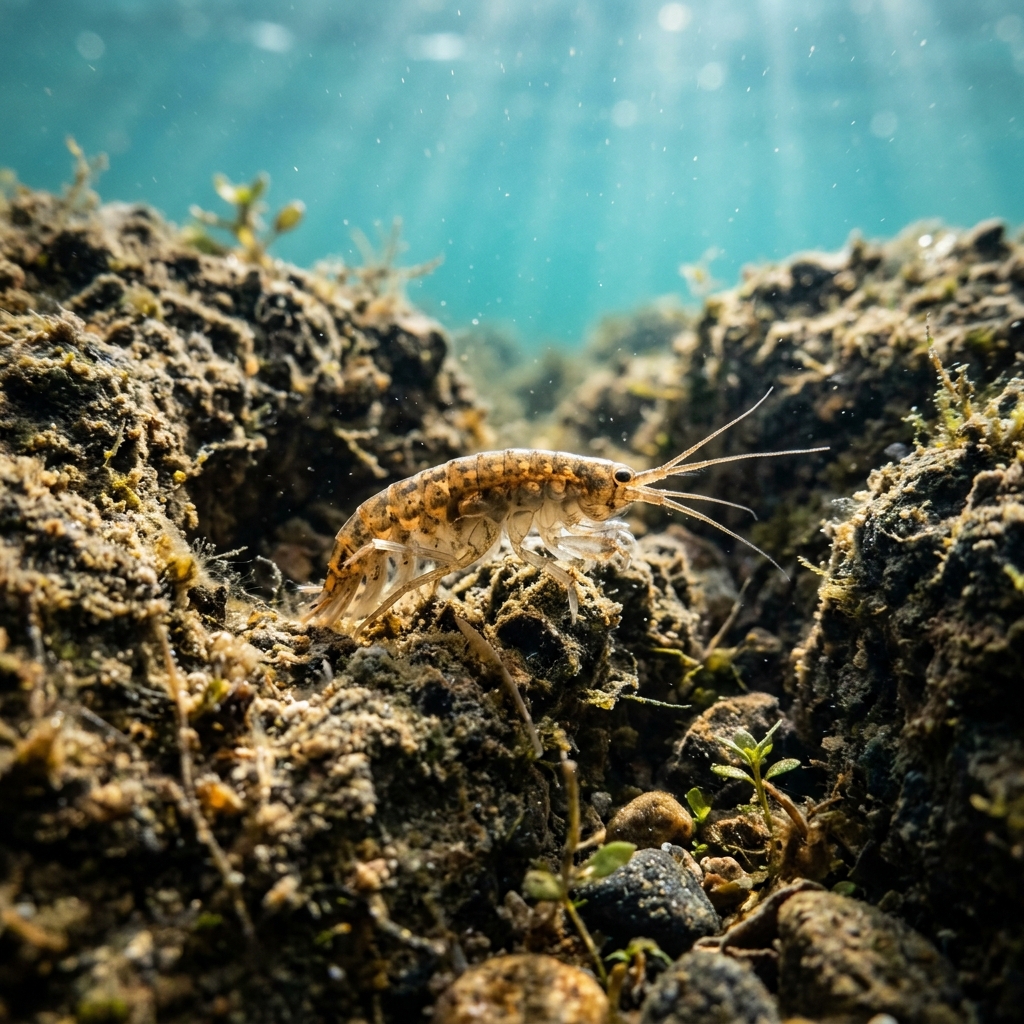
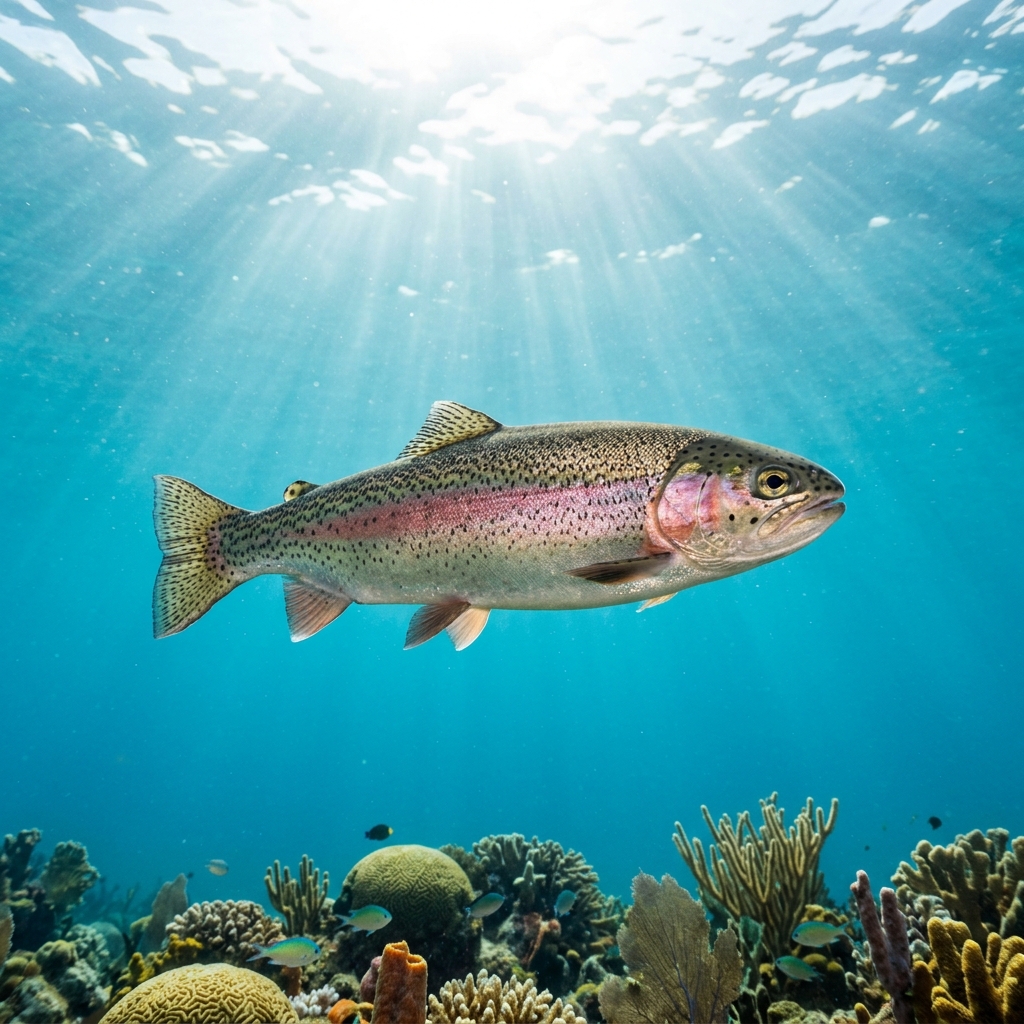
Expected in this region. No sightings logged here yet.
Depth
30-60m
Visibility
10-30m
Skill Level
Intermediate
Entry
Shore & Boat
Current
None
Typical Dive
45 min
Best Time
May, Jun, Jul, Aug, Sep, Oct, Nov, Dec
The site ranges from 30 to 60 metres, with an average depth of 45 metres.
No, this site is intended for intermediate divers due to the depth and cold water conditions.
Yes, both shore and boat entries are possible at Sennaya pad.
The main hazards are the extremely cold water, significant depth, and the presence of thermoclines.
Yes, night diving is available at this location.
Diving at Sennaya pad in Listvyanka requires the following certifications: Open Water. Always dive within your training limits.
The best months to visit Sennaya pad in Listvyanka are May, June, July, August, September, October, November, and December. Conditions outside these months can still be good but are less predictable.
Visibility at Sennaya pad in Listvyanka typically ranges from 10 metres to 30 metres. Conditions vary with weather, tides, and seasons.