Forsterygion flavonigrum
A tiny reef fish spotted on North Island, New Zealand dives, uncommon but present year-round in 13.5 to 22.4°C water.
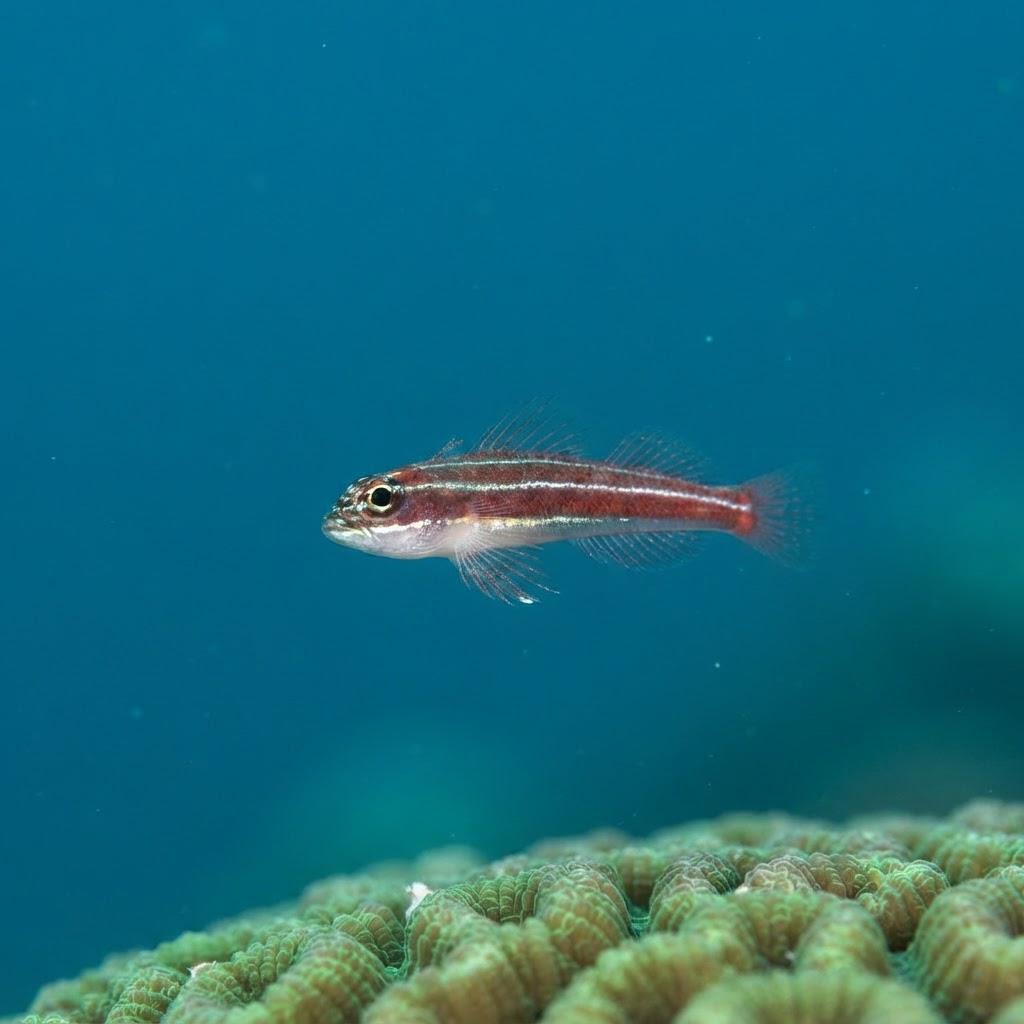
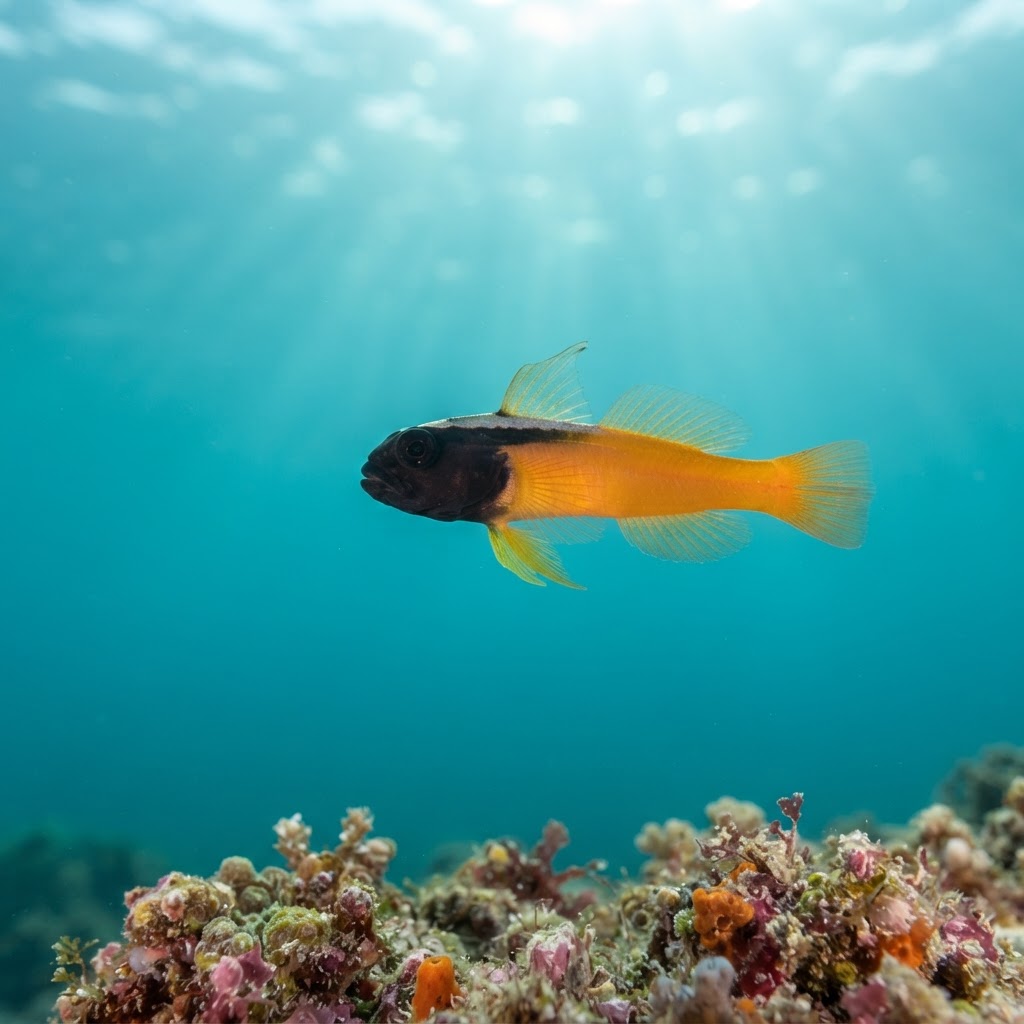
A tiny fish, rarely more than 4 cm, so you need to slow down and scan bare rock and rubble rather than open water. Look for a body split between yellow and black patches rather than stripes, with the three-part dorsal fin (the family's namesake feature) that separates triplefins from true blennies at a glance. It perches propped on its pelvic fins rather than swimming continuously, which is often the first clue you've found one.
Expect to find it resting motionless on rock, reef rubble or amongst algae rather than cruising the water column, using its pelvic fins like a tripod to prop itself at an angle. It holds its ground when divers approach slowly, darting only a short distance if startled, which makes a careful macro-focused pass worthwhile. Most divers spot it by scanning still patches of substrate rather than by it swimming into view.
Triplefins in this family lack a swim bladder, which is exactly why you'll find this species resting propped on the bottom instead of hovering in mid-water like most small reef fish.
Sightings don't show a clear seasonal pattern, and the observed water temperature range of 13.5 to 22.4°C spans New Zealand's cooler and warmer months, so it's reasonable to look for it on any North Island dive. Treat it as a year-round possibility rather than a species tied to a particular season.
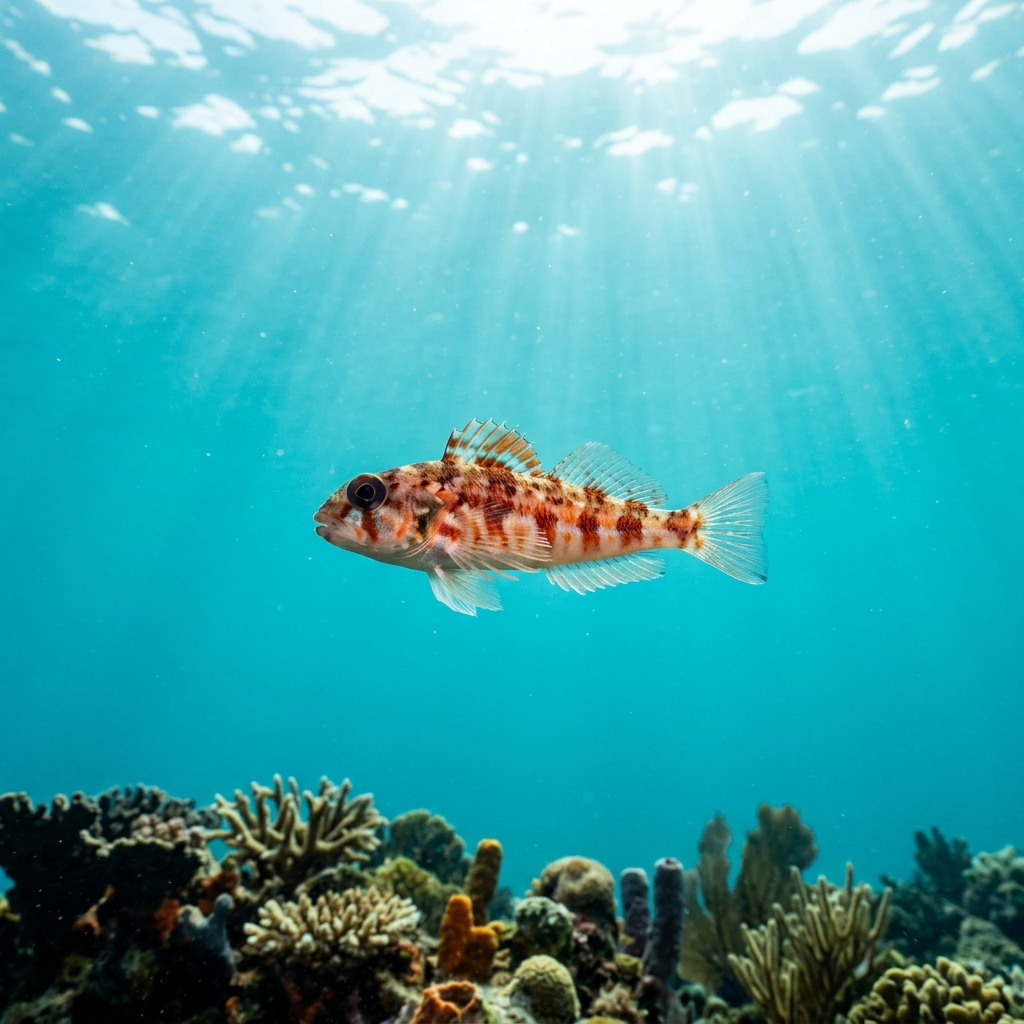
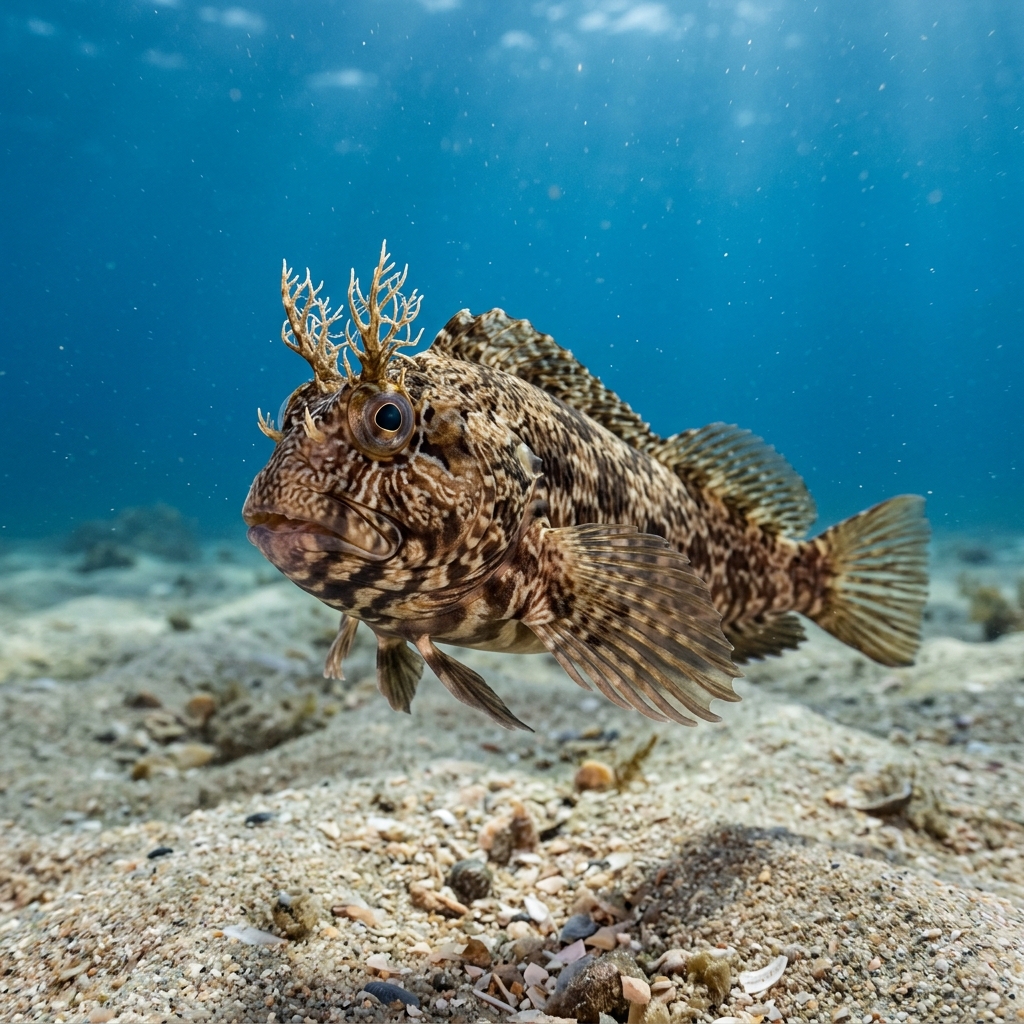
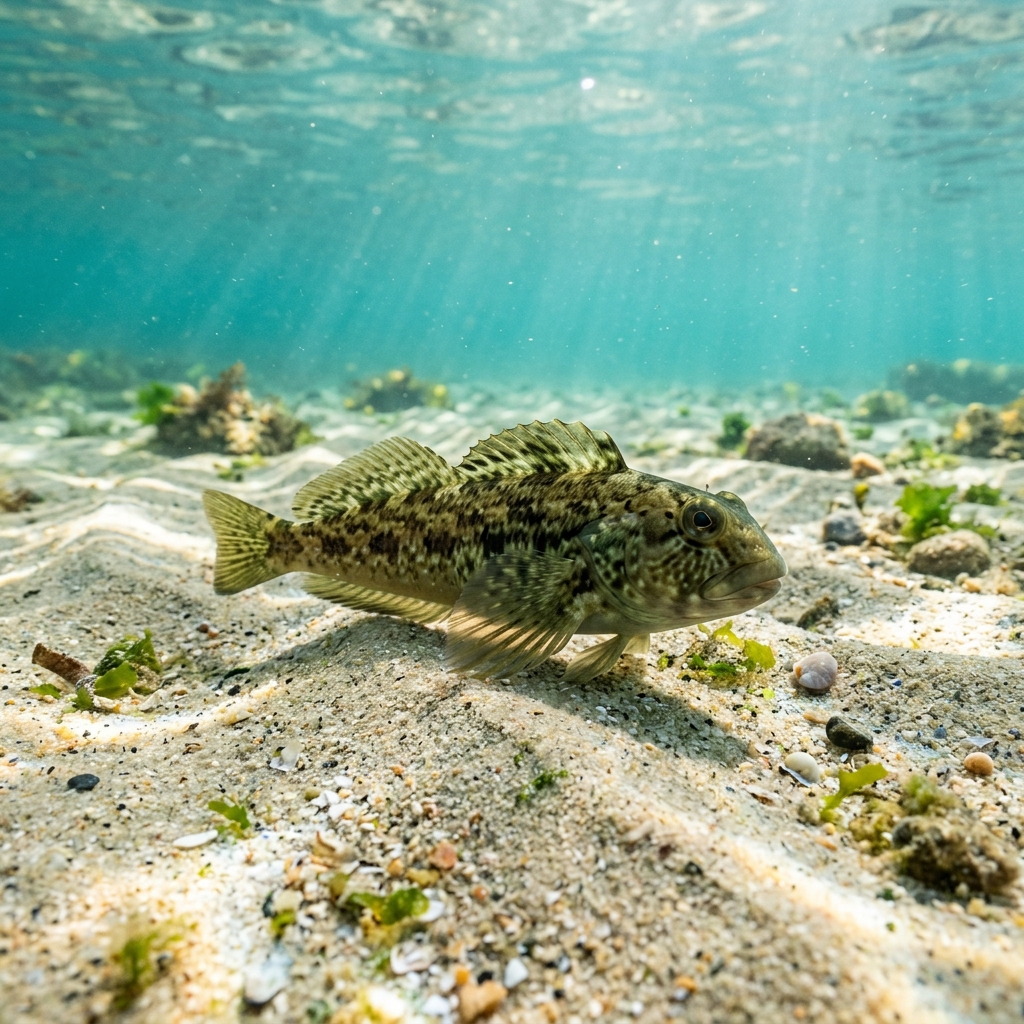
Reef neighbours a diver could mistake it for. Use the identification notes above to tell them apart.
Logged exclusively on North Island, New Zealand dive sites so far, making it a distinctly local find rather than a species you'll bump into on a tropical trip. Within that region it turns up across a spread of sites, though always as an uncommon sighting rather than a given.
Mapping where Yellow-and-black Triplefin is logged…
It's recorded on North Island, New Zealand dive sites, making it a species specific to that region rather than one found on tropical reefs elsewhere.
There's no strong seasonal pattern in sightings, and it's been observed across a wide temperature range from 13.5 to 22.4°C, so it's worth looking for on any North Island dive through the year.
Look for a fish under 4 cm with yellow and black patchy colouring, perched still on rock or rubble rather than swimming. The three-segment dorsal fin typical of triplefins is a useful confirming feature up close.
They're small, typically around 4 cm long, so spotting one takes a slow, close look at the substrate rather than scanning open water.
No, they pose no risk to divers. They're small, harmless bottom-dwelling fish that simply hold still or dart away when approached.
Like other triplefins, it has no swim bladder, so instead of hovering in the water column it rests propped on rock or rubble using its pelvic fins as support.
Site and sighting data is aggregated from diver logs, iNaturalist and GBIF. For taxonomy and conservation status:
Rusty Blenny
2,605 sites