Phyllodesmium tuberculatum
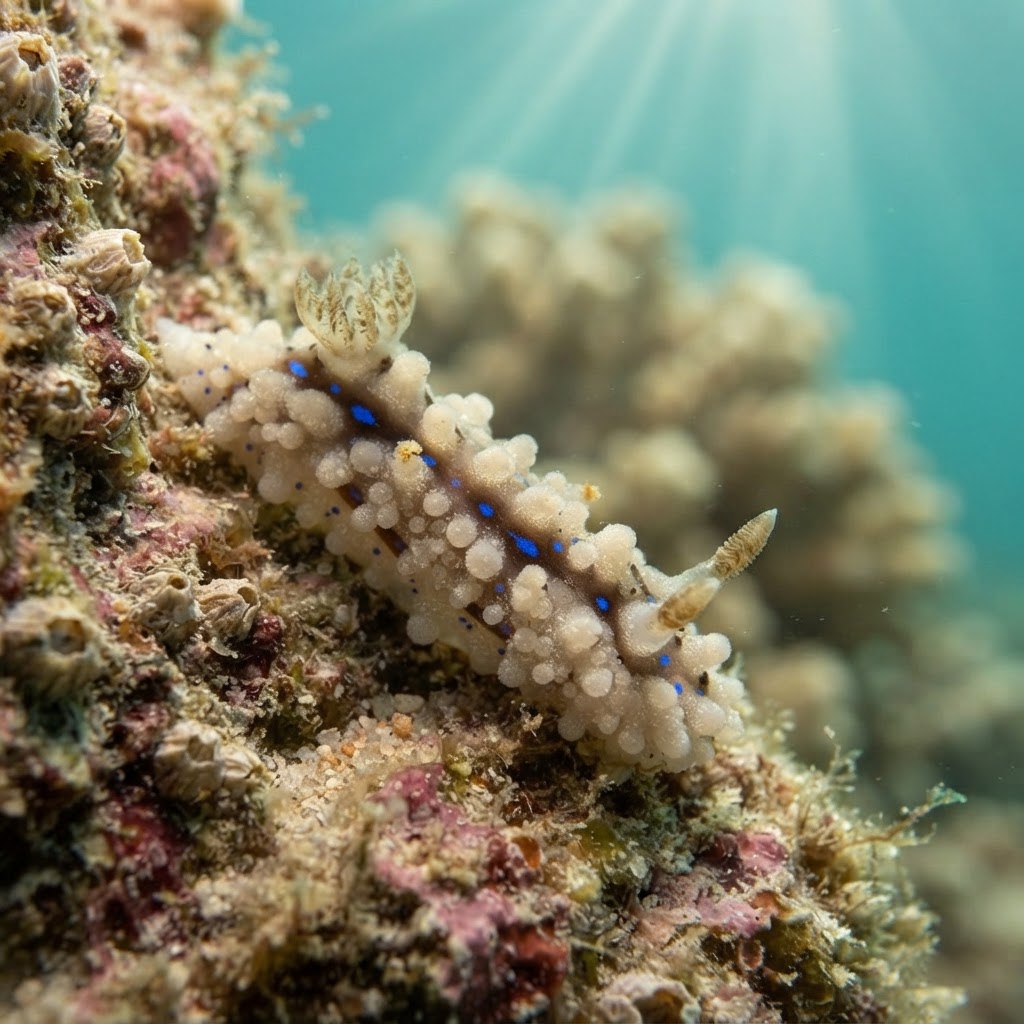
A rare nudibranch find off Luzon, Philippines, blending into soft coral in warm 25-31C reef water.
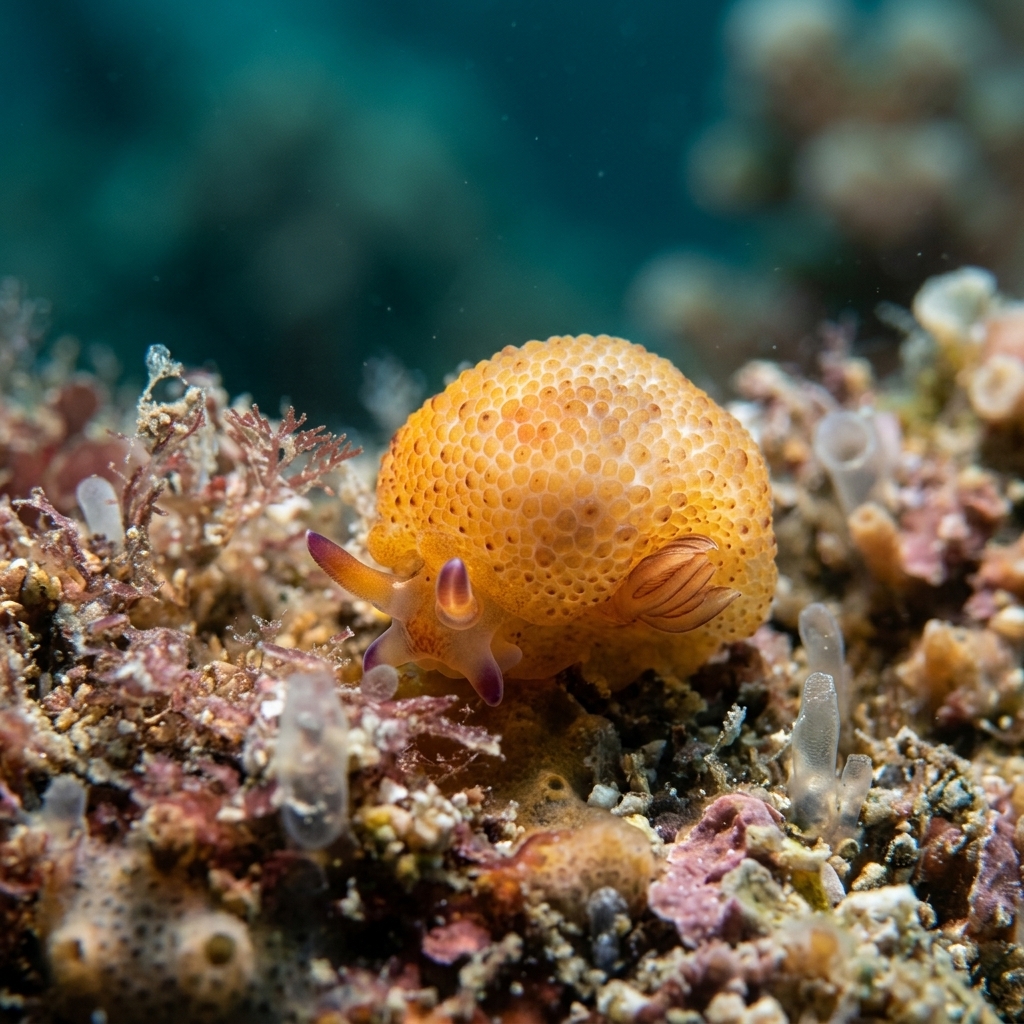
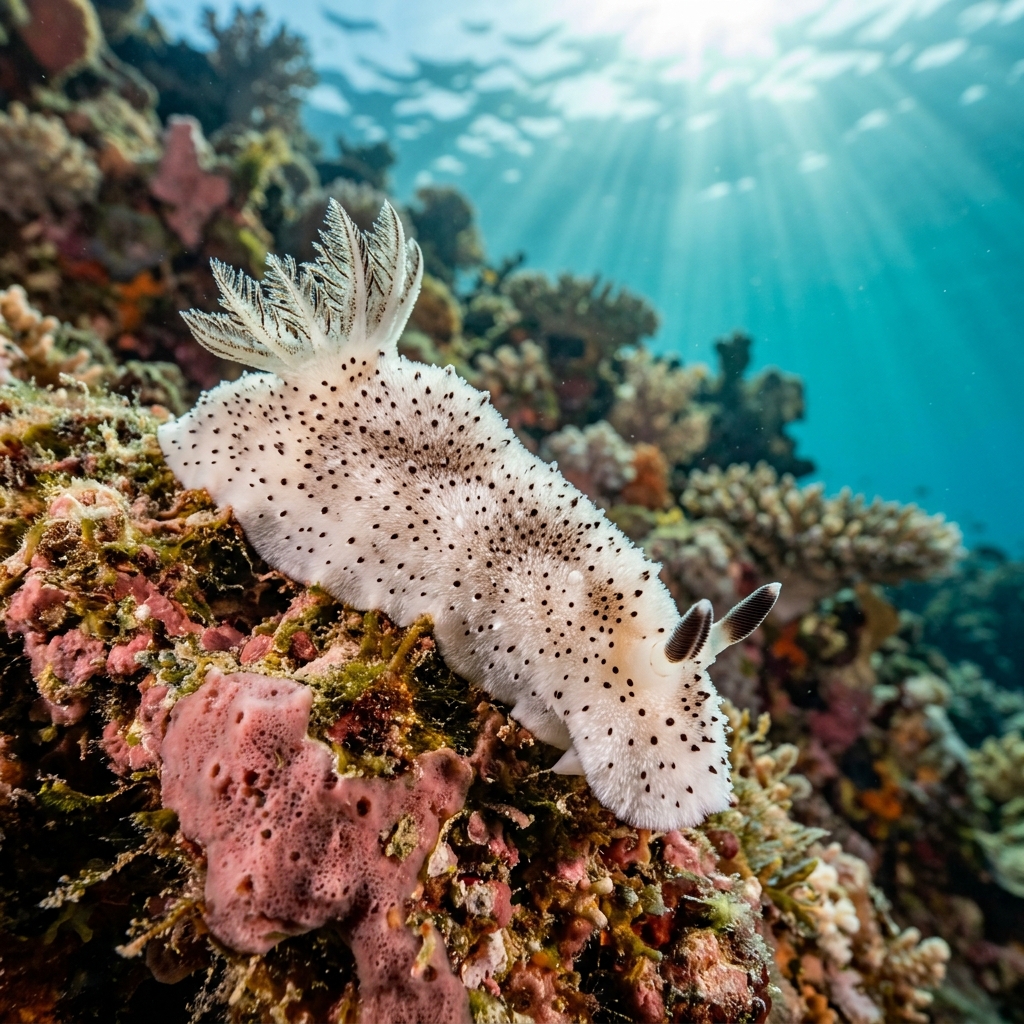
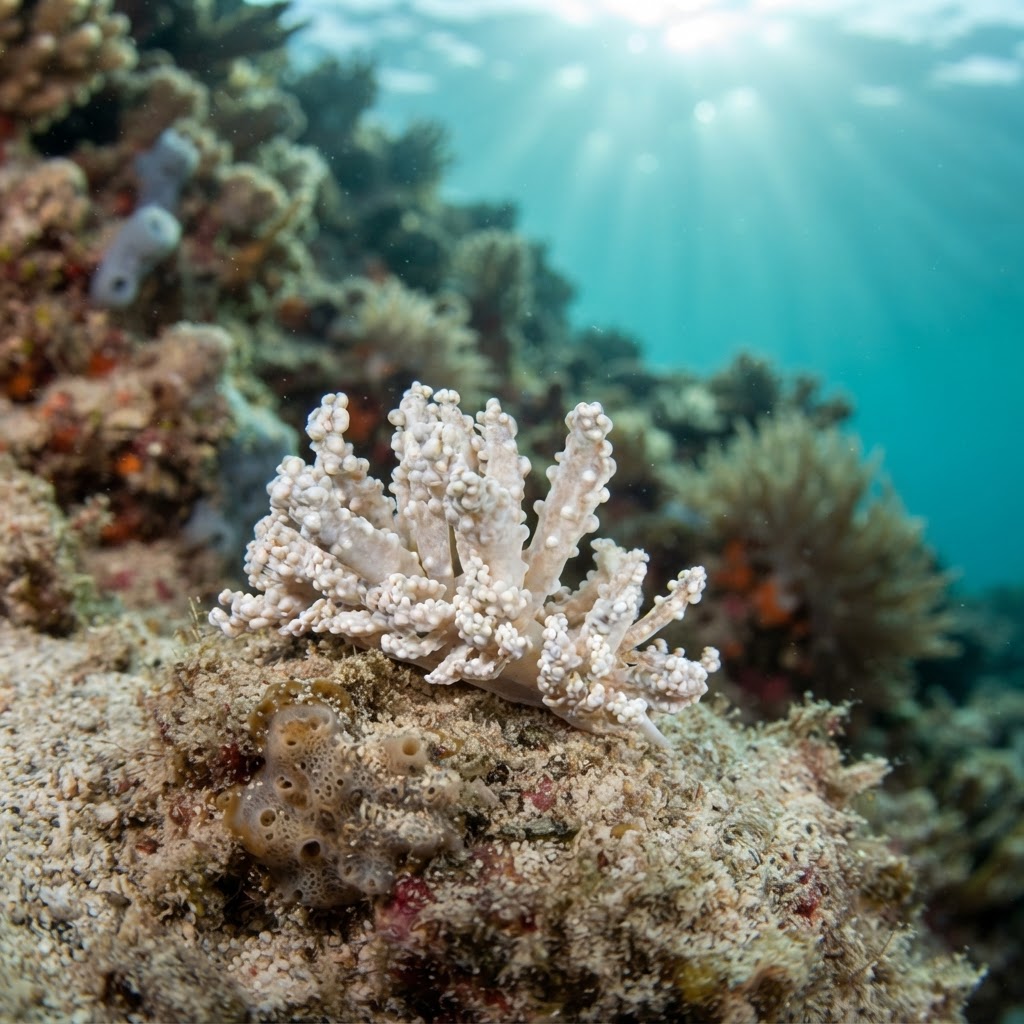
Look for a slug with a translucent, pale body covered in branching tubercles (cerata) that mimic the soft coral it feeds on, making it one of the hardest nudibranchs to spot on a reef. These cerata often carry brownish or greenish tints picked up from the coral's own pigments and zooxanthellae, so colour varies with diet rather than staying fixed. Size stays small and the body low-profile, hugging the coral surface rather than sitting exposed on open substrate.
This is a slow, sedentary feeder that stays parked on or within its host soft coral, grazing on the polyps rather than roaming the reef. Because its cerata mimic the coral's own branches and colour, it barely reacts to divers and relies entirely on staying still and blending in rather than fleeing. Most logs describe it as a slow, deliberate find during close macro searches on coral heads rather than something spotted while cruising past.
Like other Phyllodesmium species, it can incorporate zooxanthellae from the soft coral it eats into its own tissue, effectively running on borrowed solar power from its prey's symbiotic algae.
Recorded sightings sit in warm water between 25.1 and 31.1C, consistent with year-round tropical reef conditions in Luzon rather than a narrow season. There is not enough monthly data to point to a specific best month, so treat it as a possible find on any dive there.
Every logged sighting so far comes from the Philippines, with Luzon standing out as the region where divers have actually found it. There is not yet a spread across other countries in the data, so Luzon is currently the only reliable place to search for this species.
Mapping where Warty Soft Coral Eater is logged…
Every confirmed sighting so far is from Luzon in the Philippines. It has not yet turned up in diver logs from other countries, so Luzon is currently the place to search for it.
Sightings span warm water from 25.1 to 31.1C with no detected seasonal pattern, so it appears to be a year-round find on Luzon's reefs rather than tied to a particular month.
Check soft coral heads for a pale, translucent slug covered in branching tubercles that mimic the coral's own texture and colour. It sits low and still against the coral rather than crawling in the open, which is why it is so easy to swim past.
Exact size data is not available, but like other Phyllodesmium nudibranchs it stays small and slender, typically only a few centimetres long, which adds to how easily it hides among soft coral branches.
It feeds on soft coral polyps and can retain the coral's symbiotic algae in its own tissue, letting it draw extra energy from sunlight much like the coral it eats.
No, it poses no threat to divers. It is a small, stationary grazer with no sting or bite of concern, and the main challenge is simply spotting it against its camouflage.
Site and sighting data is aggregated from diver logs, iNaturalist and GBIF. For taxonomy and conservation status:
Blue Dragon
3,163 sites