Forsterygion varium
Perched on rocky reefs across New Zealand's North Island, this tiny triplefin rewards divers who slow down and look closely.
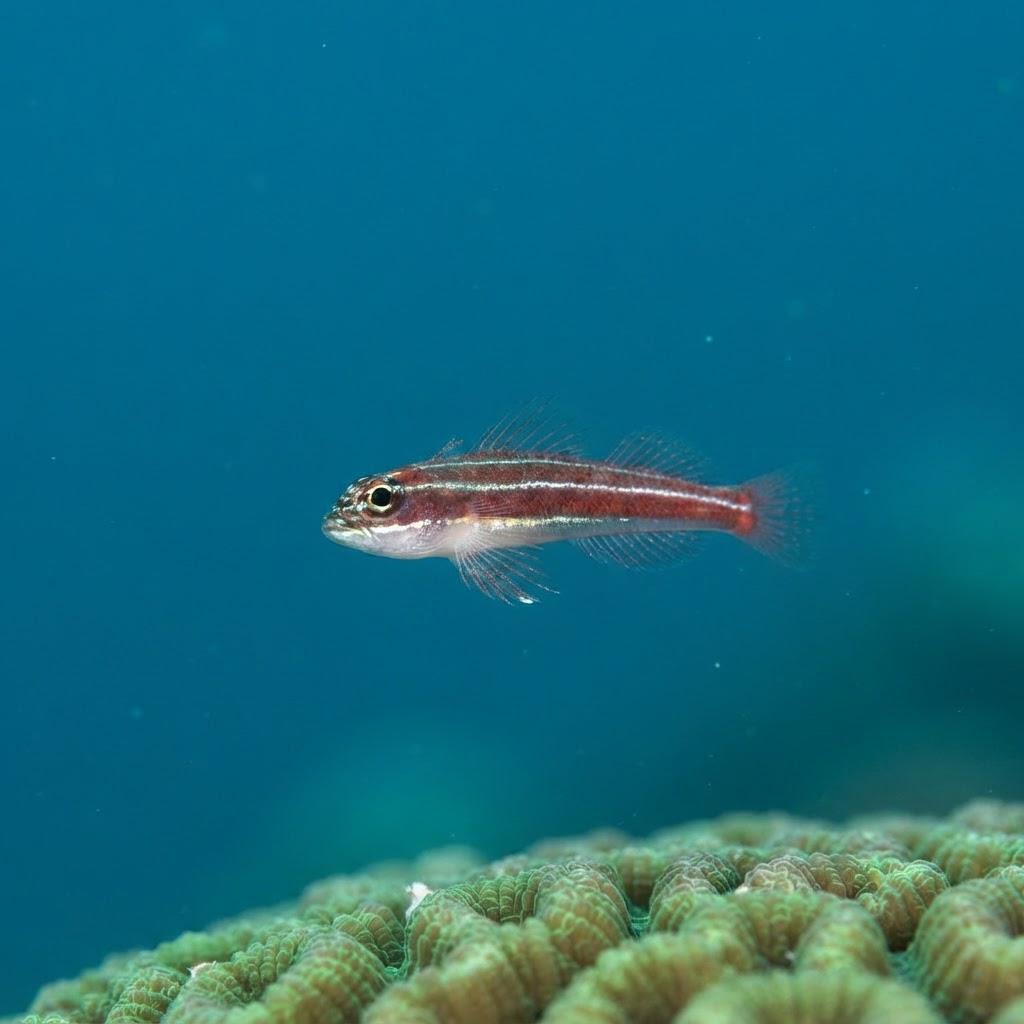
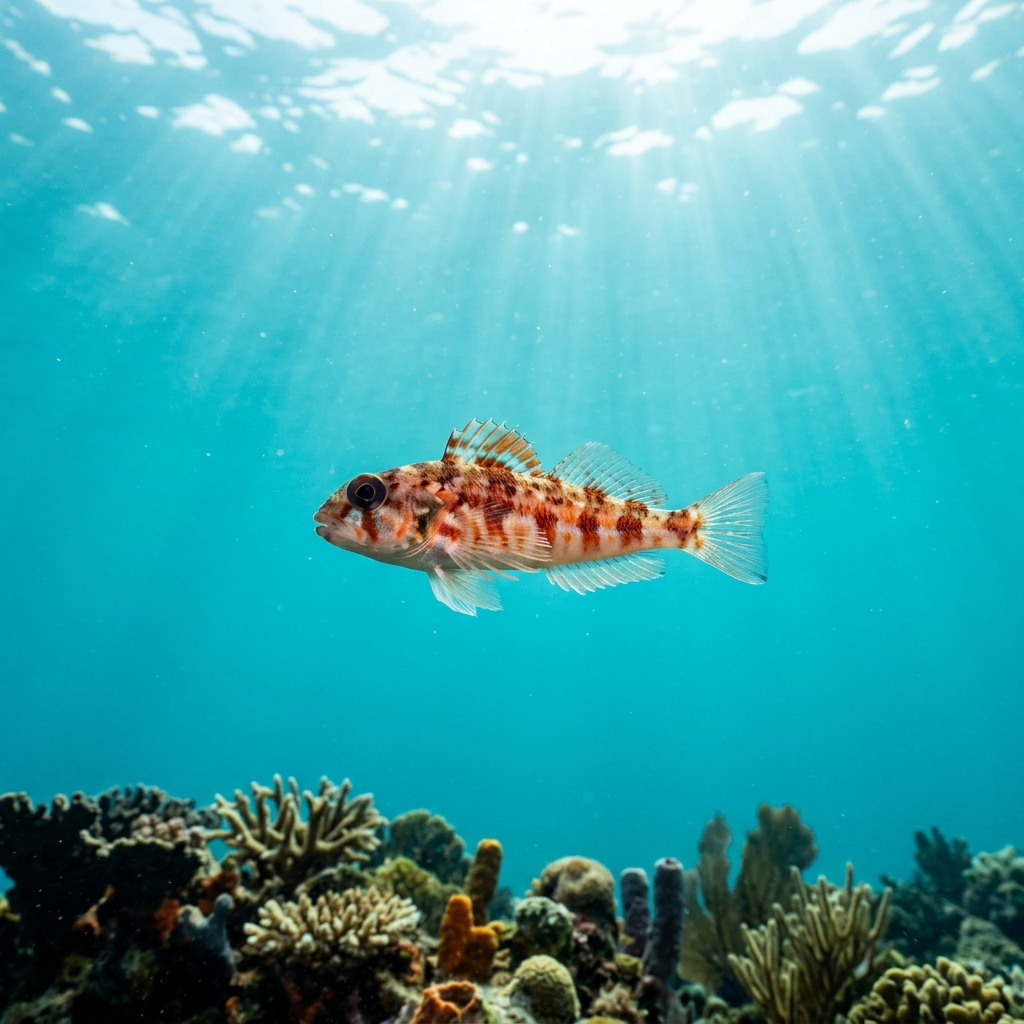
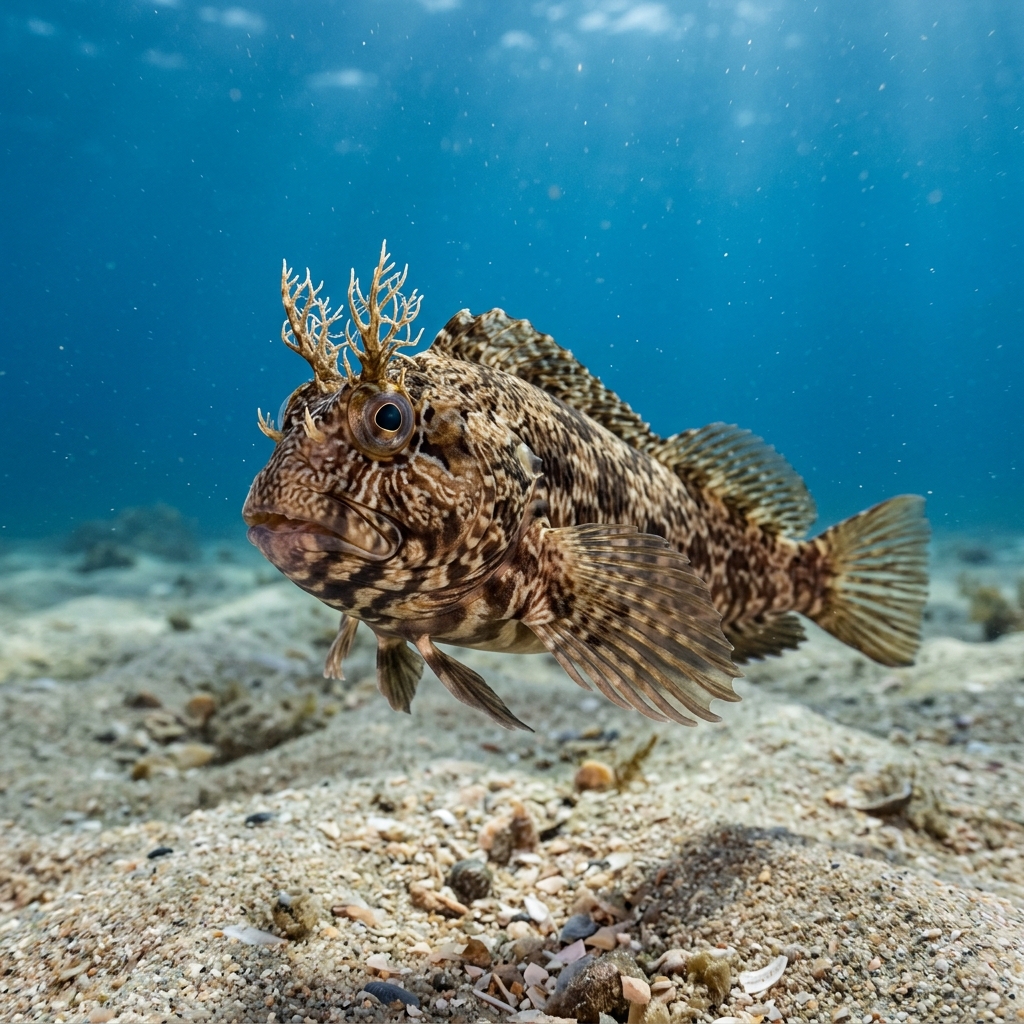
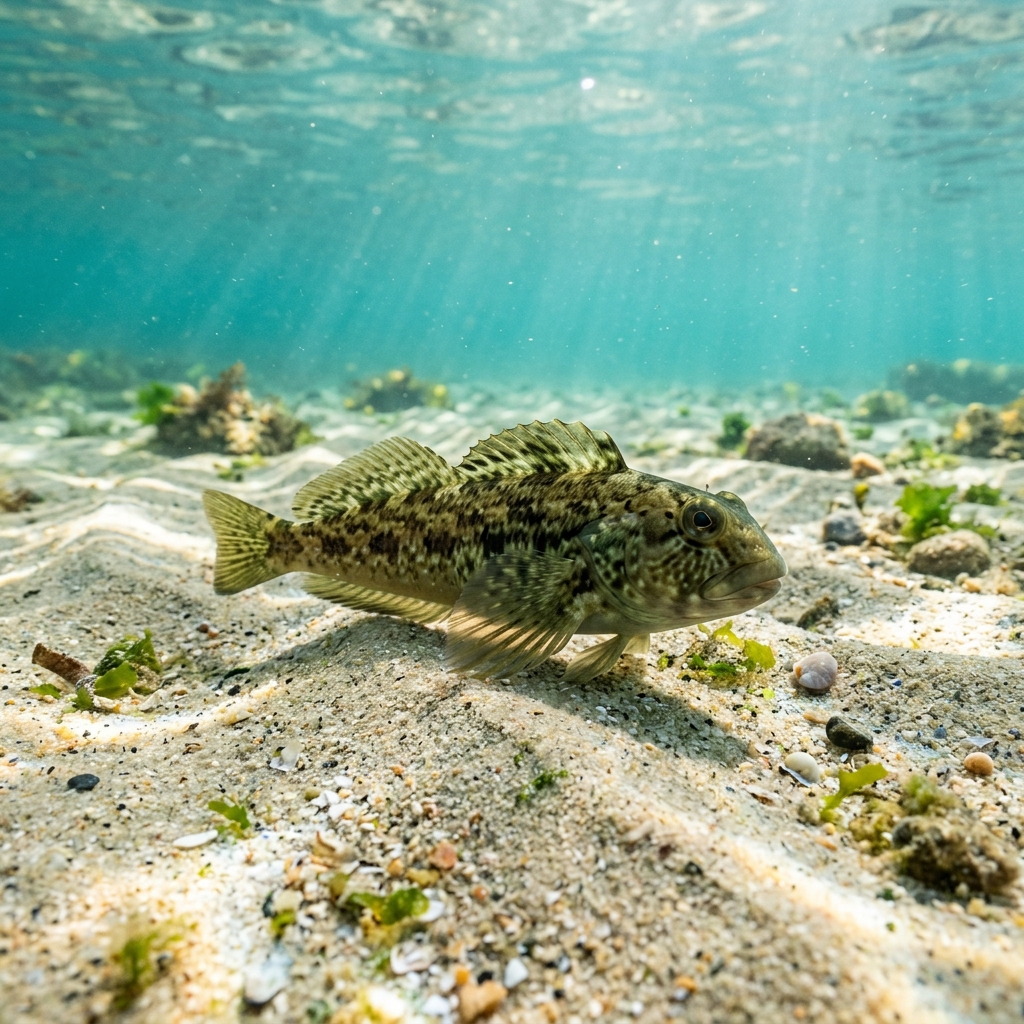
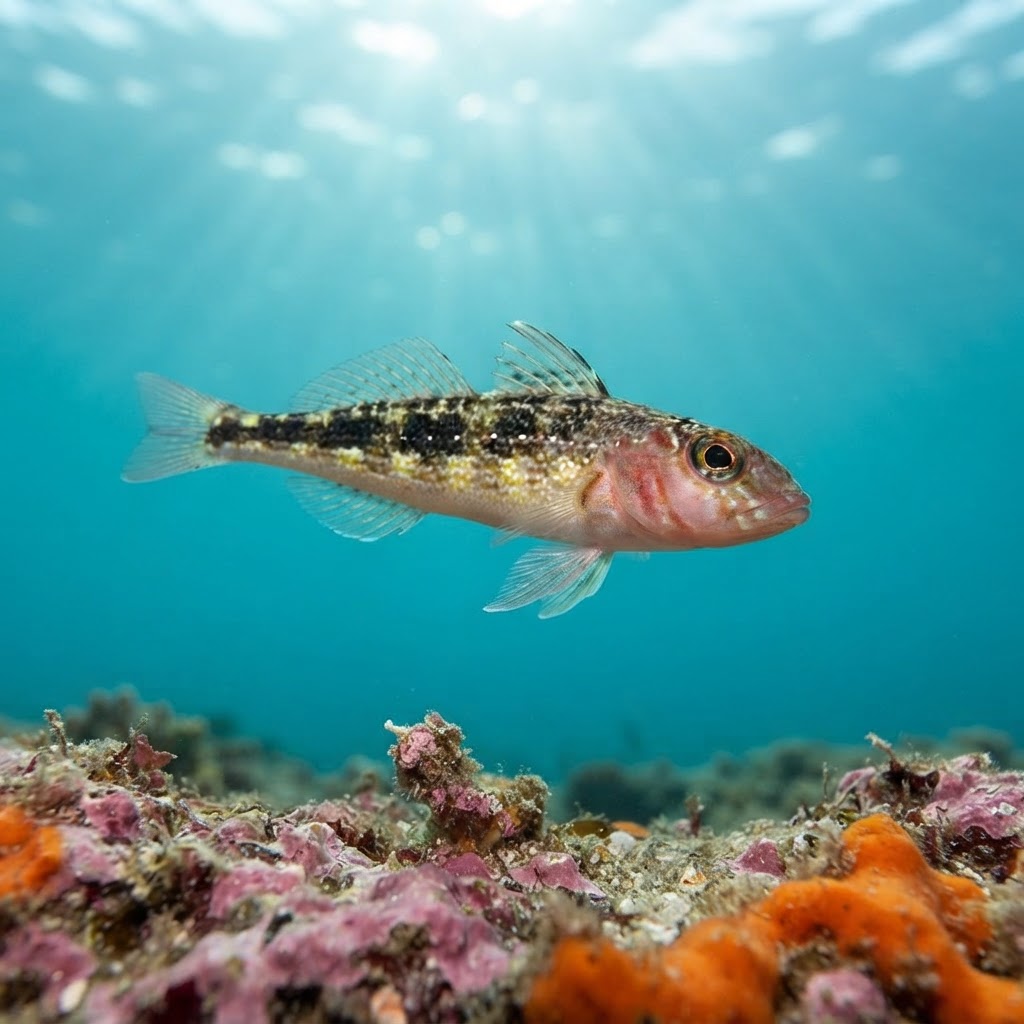
Tiny even by triplefin standards at around 9 cm, this fish is easy to miss until you notice it perched motionless on rock or reef debris. Colour is variable (hence the name), ranging through mottled browns, greys and olive tones with blotchy patterning rather than a fixed stripe or spot pattern. The telltale shape is the three separate dorsal fins running along its back, the middle one usually the tallest, and a slim, slightly upturned body posture as it props itself on pectoral fins like a tiny lizard on a rock.
Look for it sitting still on rock ledges, cobble or reef rubble rather than swimming in open water, using its pectoral fins to prop itself up while it watches for passing prey. It tends to hold its ground rather than bolt when a diver approaches slowly, making it a good subject for close-focus photography if you take your time. Most sightings come from divers scanning low over rocky bottom rather than mid-water, so it pays to slow down and look at the substrate itself.
Triplefins lack a swim bladder, which is exactly why this species spends its time perched on the bottom rather than hovering in the water column like most reef fish.
Sightings run year-round with no strong seasonal pattern in the data, which fits its tolerance for a wide temperature range from cool 10.6C winter water up to 20.3C in summer. Dive it whenever you're diving New Zealand's rocky reefs; you don't need to time a trip around it.
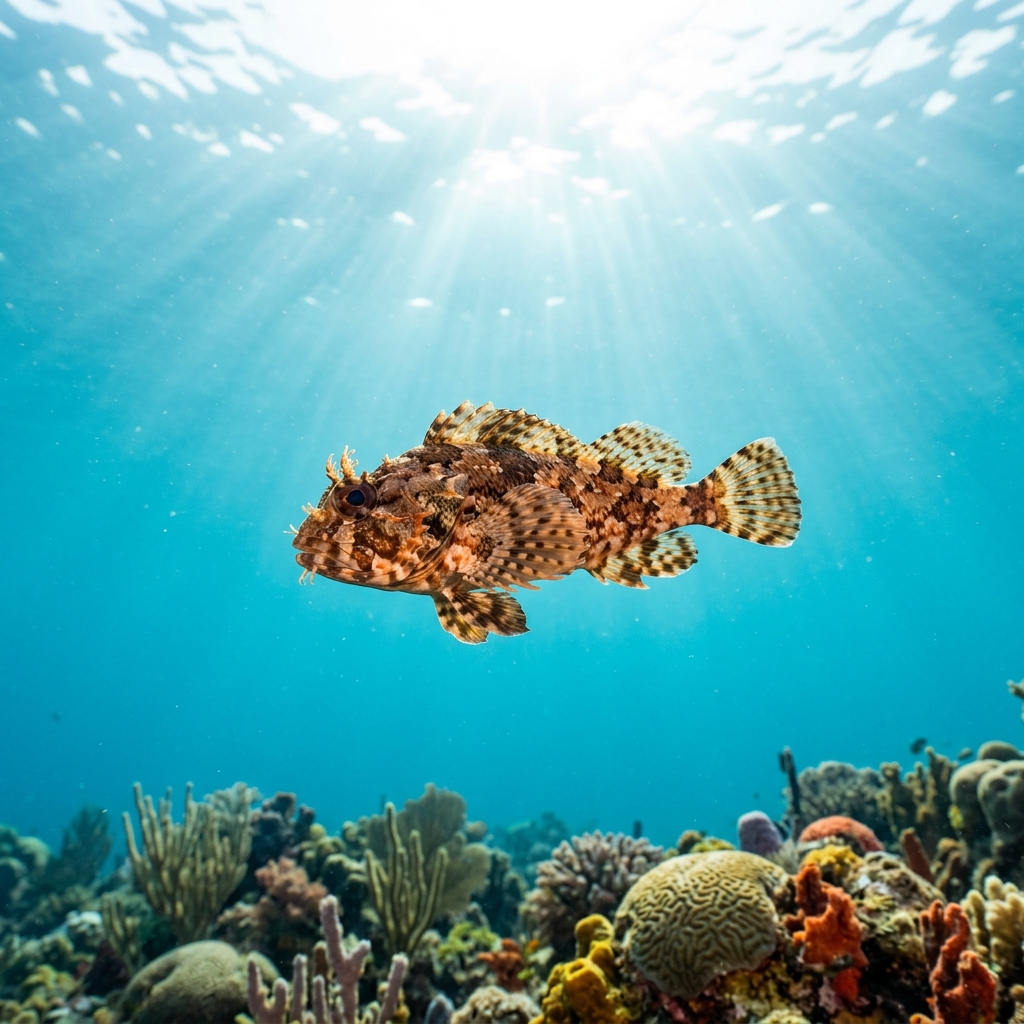
Reef neighbours a diver could mistake it for. Use the identification notes above to tell them apart.
This is very much a New Zealand fish, most commonly logged around the North Island, with the South Island also producing steady sightings. A smaller number of records come from Tasmania, Australia, so it's worth checking rocky reef sites there too, but New Zealand is where divers reliably find it.
Mapping where Variable Triplefin is logged…
New Zealand is the reliable place to find it, especially rocky reef sites around the North Island, with the South Island also producing regular sightings. Tasmania, Australia has a smaller but confirmed presence too.
There's no strong season in the sighting data, so it's a year-round find on New Zealand's rocky reefs. Its comfort across a wide temperature range, from cool winter water to warmer summer conditions, helps explain why timing doesn't matter much.
Look for a small, mottled brown or olive fish around 9 cm long, perched motionless on rock rather than swimming freely. The giveaway is three separate dorsal fins along its back and a habit of propping itself up on its pectoral fins like a tiny lizard.
They stay small, topping out at around 9 cm, which is typical for triplefins. Their size and habit of sitting still on the bottom make them easy to overlook without a close look at the reef surface.
Triplefins, including this species, have no swim bladder, so hovering in open water takes real effort. Instead they perch on rock ledges and rubble, propped up on their pectoral fins, and dart out only briefly to feed or reposition.
Site and sighting data is aggregated from diver logs, iNaturalist and GBIF. For taxonomy and conservation status:
Rusty Blenny
2,605 sites