Trinchesia morrowae
A small, often-overlooked nudibranch logged across the French Riviera and Balearic Islands in 14.7-20.7C water, year-round.
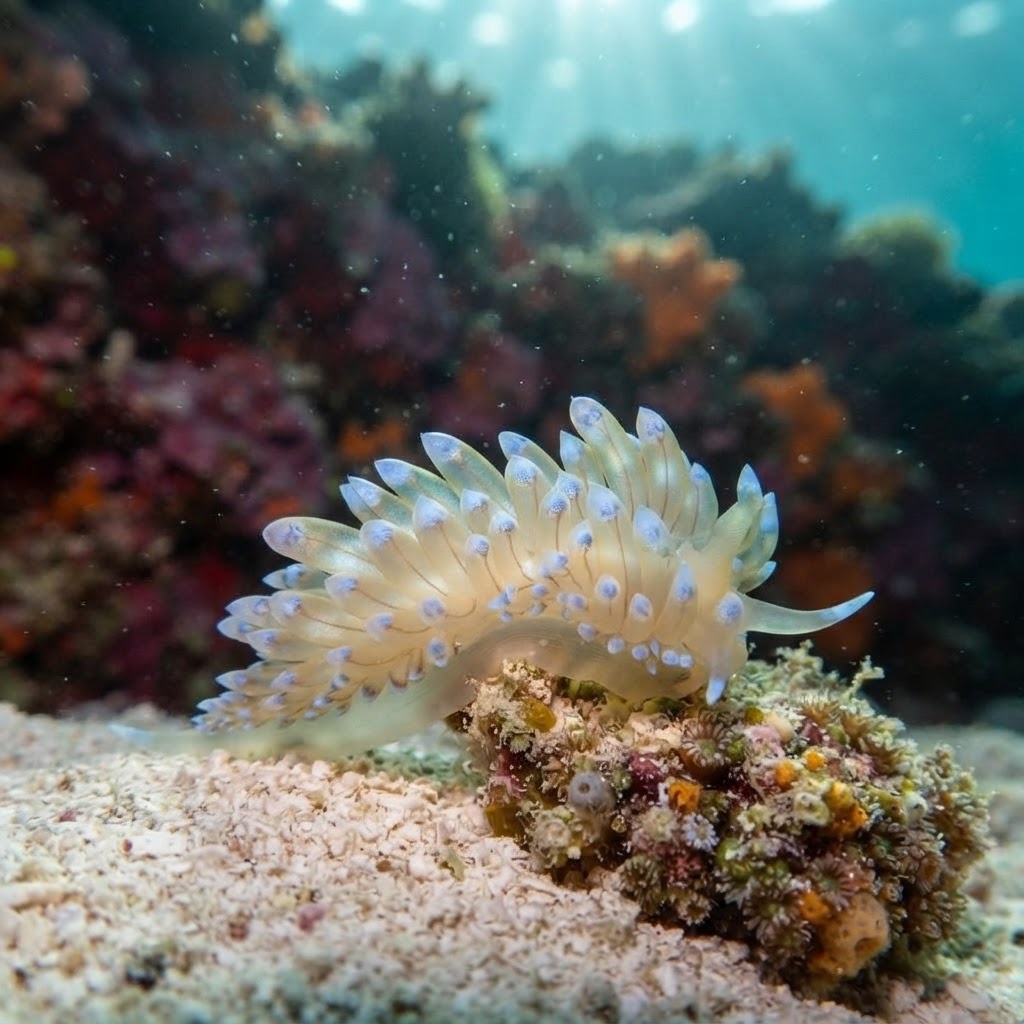
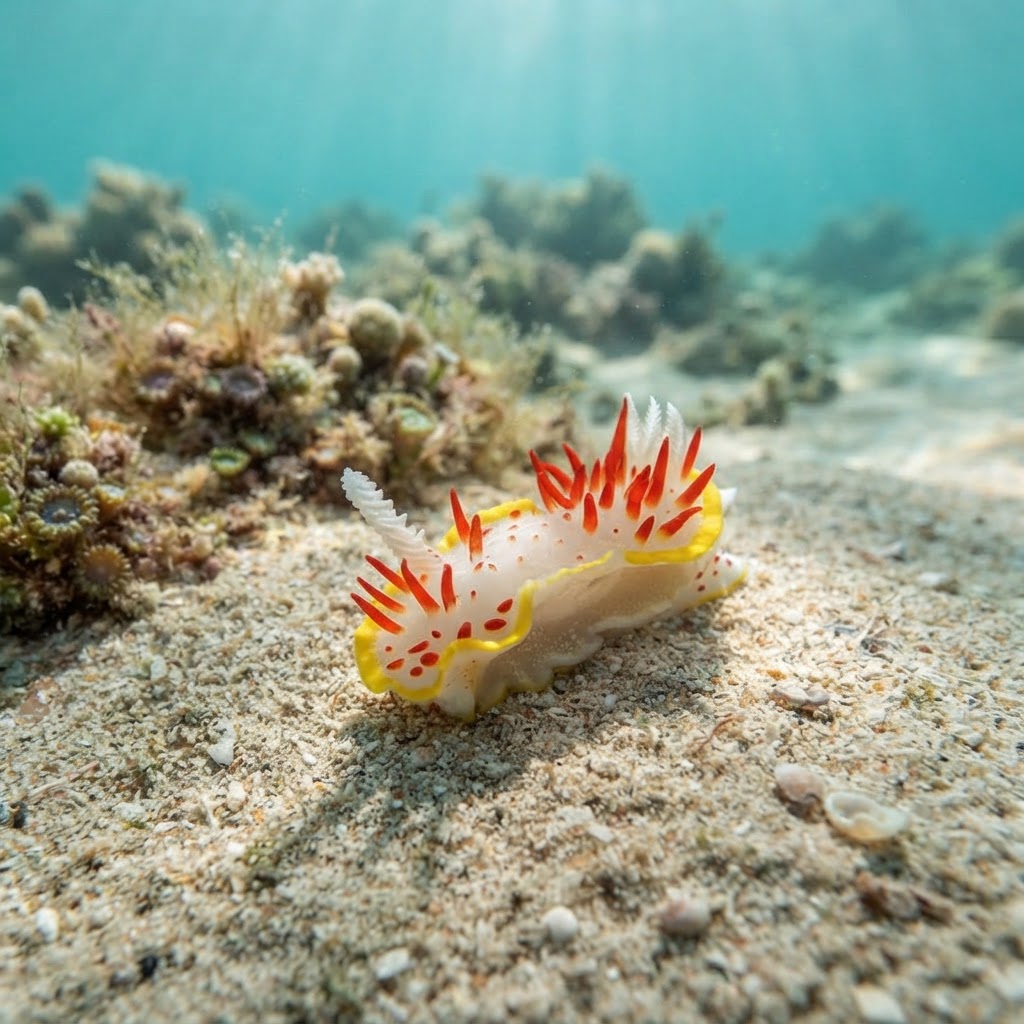
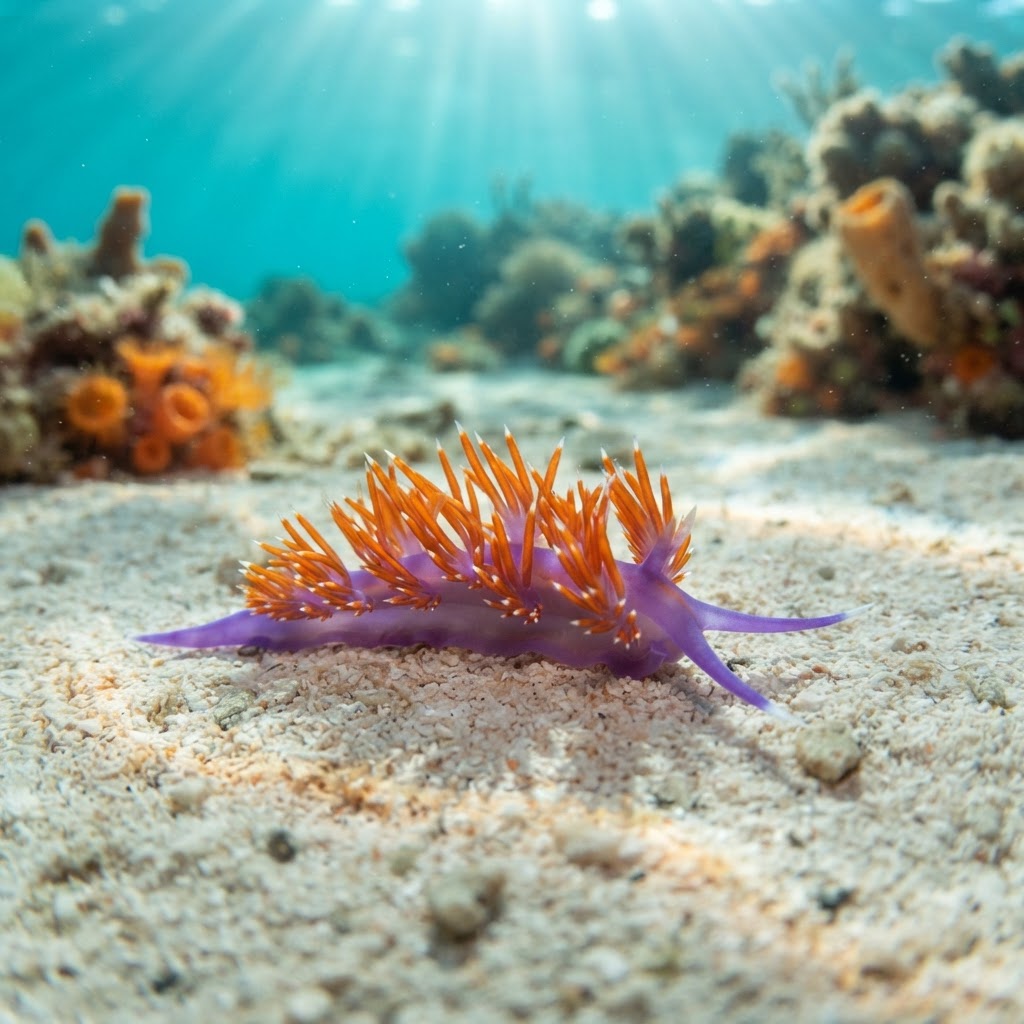
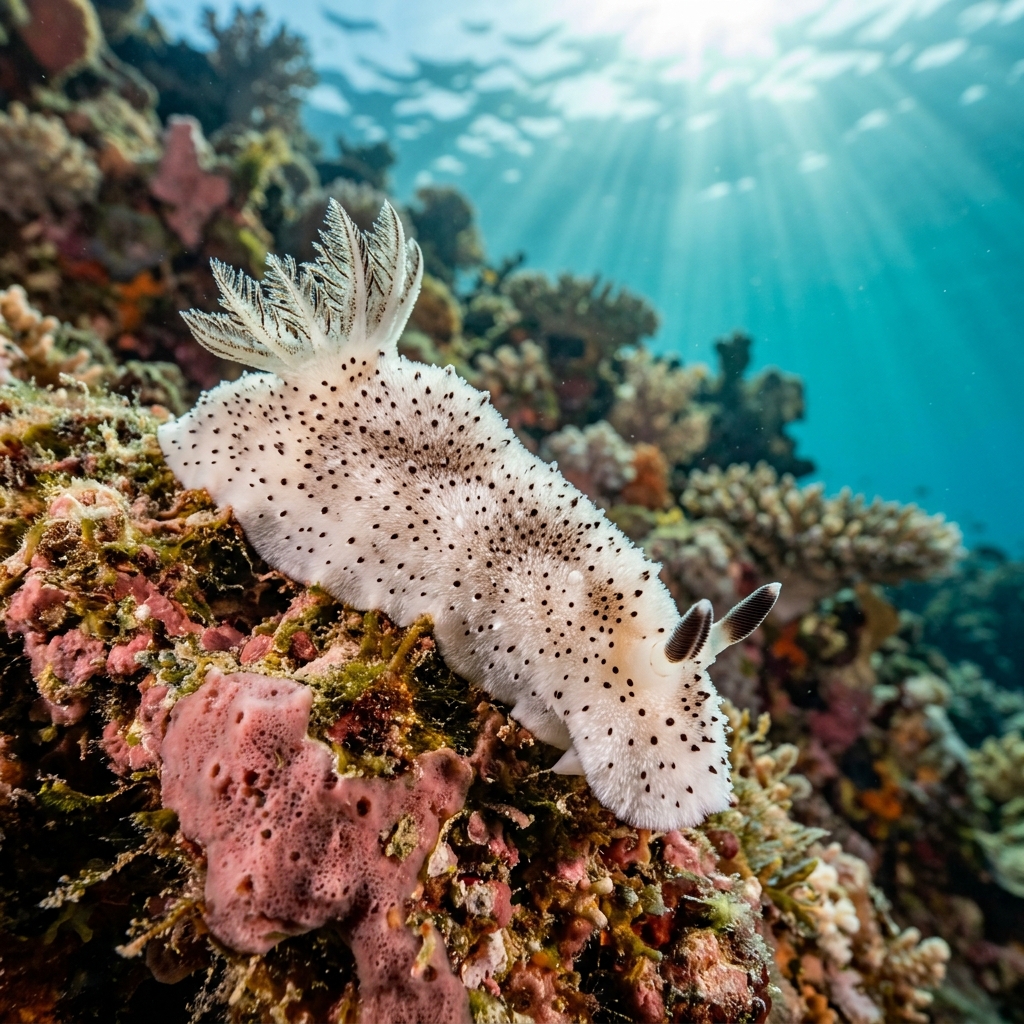
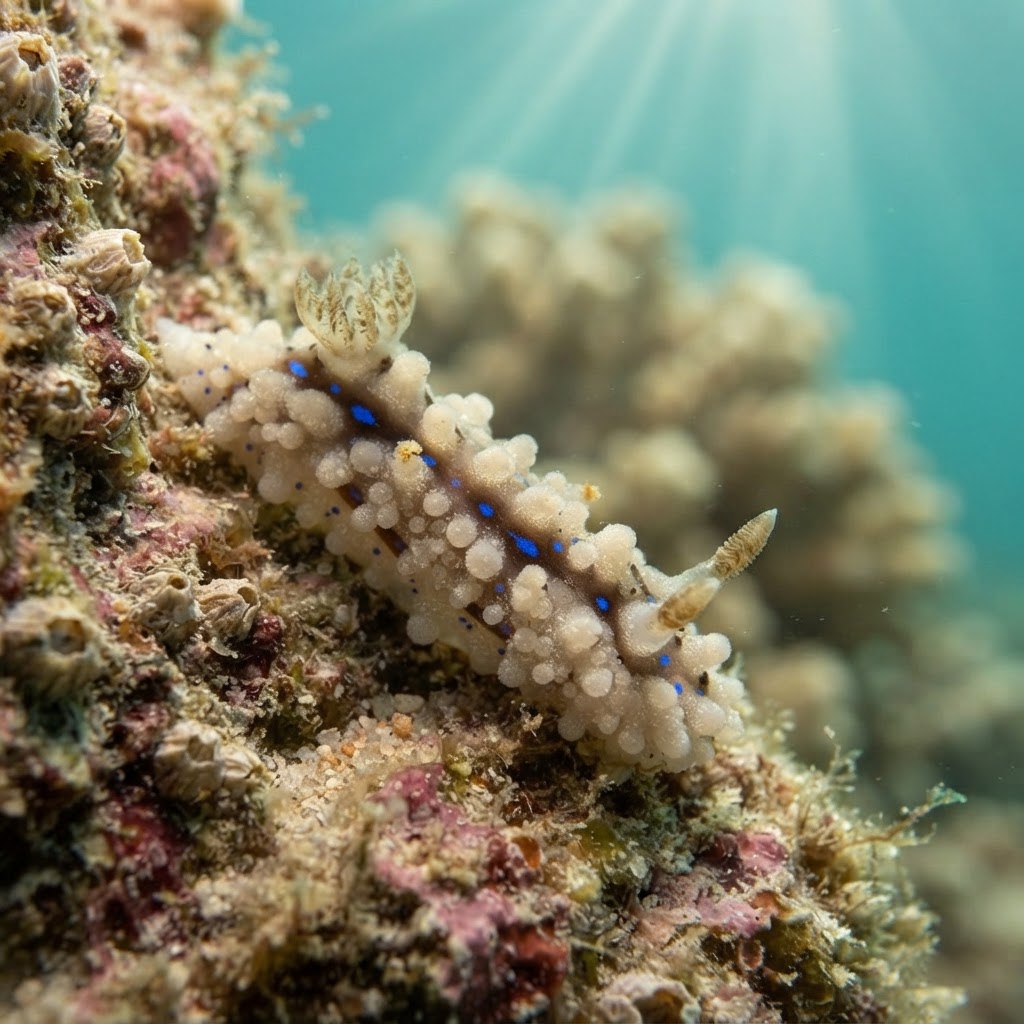
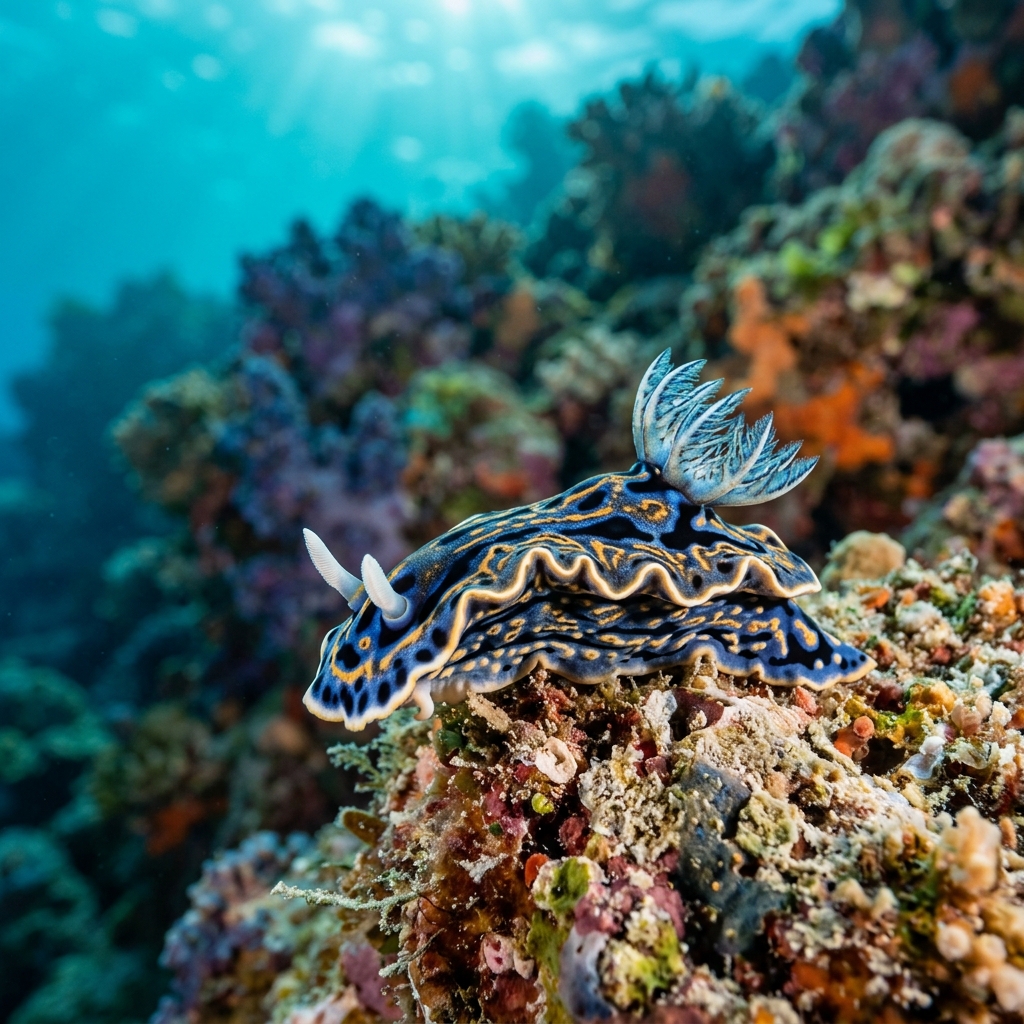
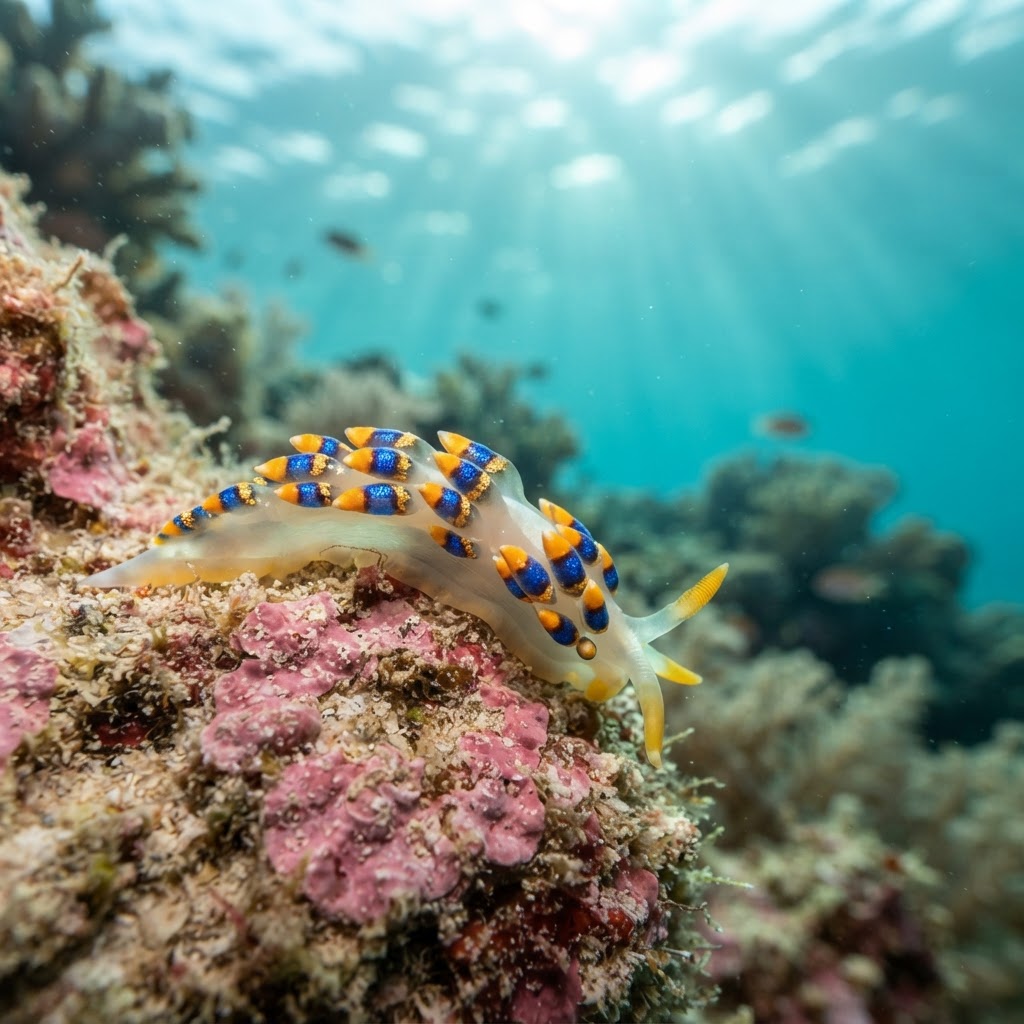
Look for a small, slender nudibranch with rows of finger-like projections (cerata) running down its back, typically tipped in orange or brown against a pale or translucent body. It is easy to miss against rock and algae unless you slow down and scan close to the substrate. Size is not well documented for this species, so treat any small aeolid-type nudibranch matching this pattern as a candidate and photograph it for a closer look.
Divers typically spot this nudibranch grazing slowly across rock and algae-covered surfaces, moving at the unhurried pace typical of small sea slugs. It shows no reaction to divers beyond its usual crawl and is most reliably found by divers who deliberately search rubble and algal patches rather than mid-water scanning. Most logs describe it as uncommon rather than rare, so patient macro-focused divers have a fair shot at finding one on a given dive.
Like other aeolid nudibranchs, it likely stores stinging cells from the hydroids it feeds on within its cerata, reusing them as a defence against predators rather than producing its own toxins.
Sightings show no detectable seasonal pattern, so treat this as a year-round find within its recorded temperature range of roughly 14.7 to 20.7 C. Cooler months at the lower end of that range and warmer summer conditions both produce sightings, so timing your dive around this species specifically is not necessary.
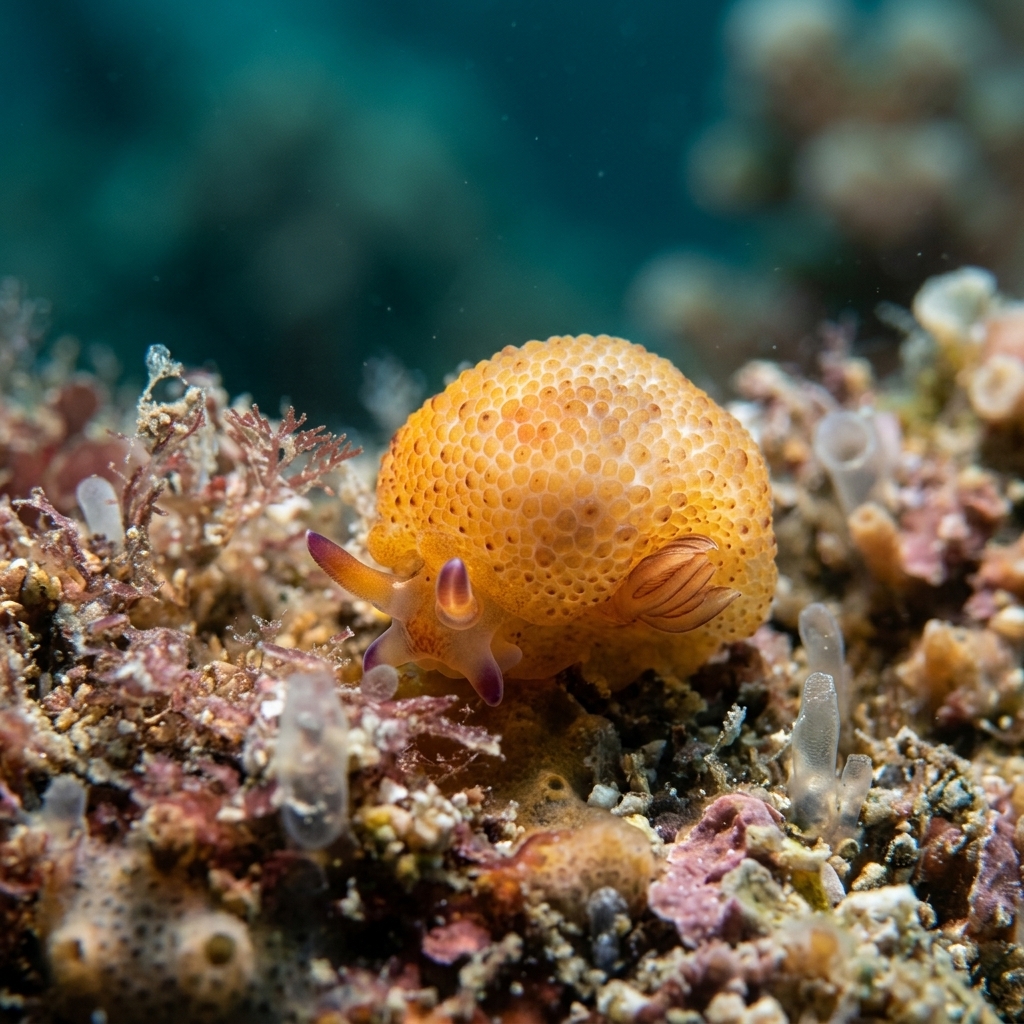
Reef neighbours a diver could mistake it for. Use the identification notes above to tell them apart.
This is a Mediterranean species, most commonly logged along the French Riviera and Provence coastline in France, with a further reliable presence in Spain's Balearic Islands, Catalonia and Andalusia. France as a whole holds the bulk of recorded sightings, with Occitanie adding a smaller cluster of sites.
Mapping where Trinchesia morrowae is logged…
It is most often logged along the French Riviera and Provence in France, and in Spain's Balearic Islands, Catalonia and Andalusia. France holds the larger share of recorded sites overall.
There is no clear season in the sighting data, so it is effectively a year-round find within its recorded water temperature range of about 14.7 to 20.7 C.
Look for a small, slender nudibranch with rows of orange-tipped cerata along its back, usually found grazing slowly over rock or algae. It blends in well, so it takes a close, unhurried look to spot.
Exact size data is not well documented for this species, but like most Trinchesia nudibranchs it is small, typically only noticeable to divers looking closely at rock and algae surfaces.
No. It poses no risk to divers and has no means of harming anything larger than the small invertebrates it feeds on.
As an aeolid nudibranch, it most likely feeds on hydroids, and probably repurposes their stinging cells within its own cerata as a defence against predators.
Site and sighting data is aggregated from diver logs, iNaturalist and GBIF. For taxonomy and conservation status:
Blue Dragon
3,163 sites