Trinchesia cuanensis
Tiny cold-water nudibranch logged across Northern Ireland and England, thriving in 8.8 to 15.7C water year-round.
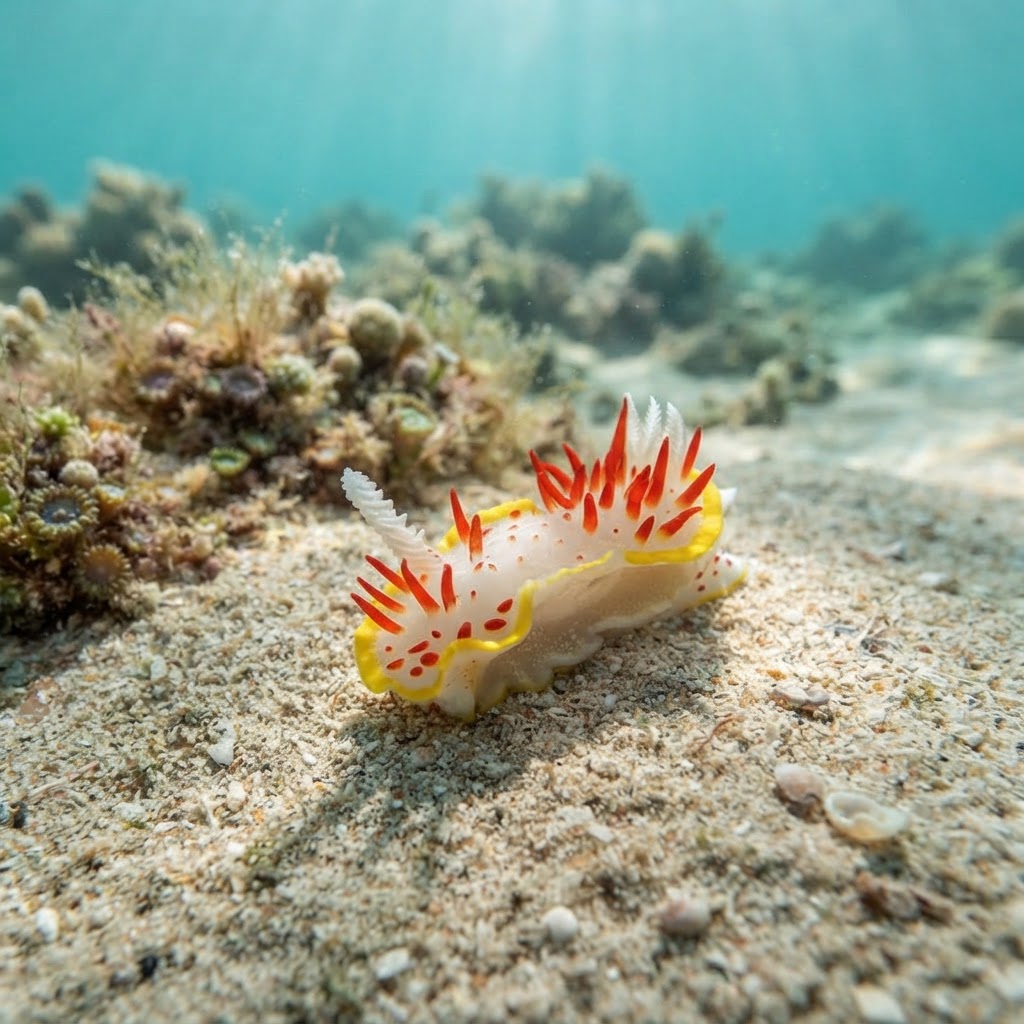
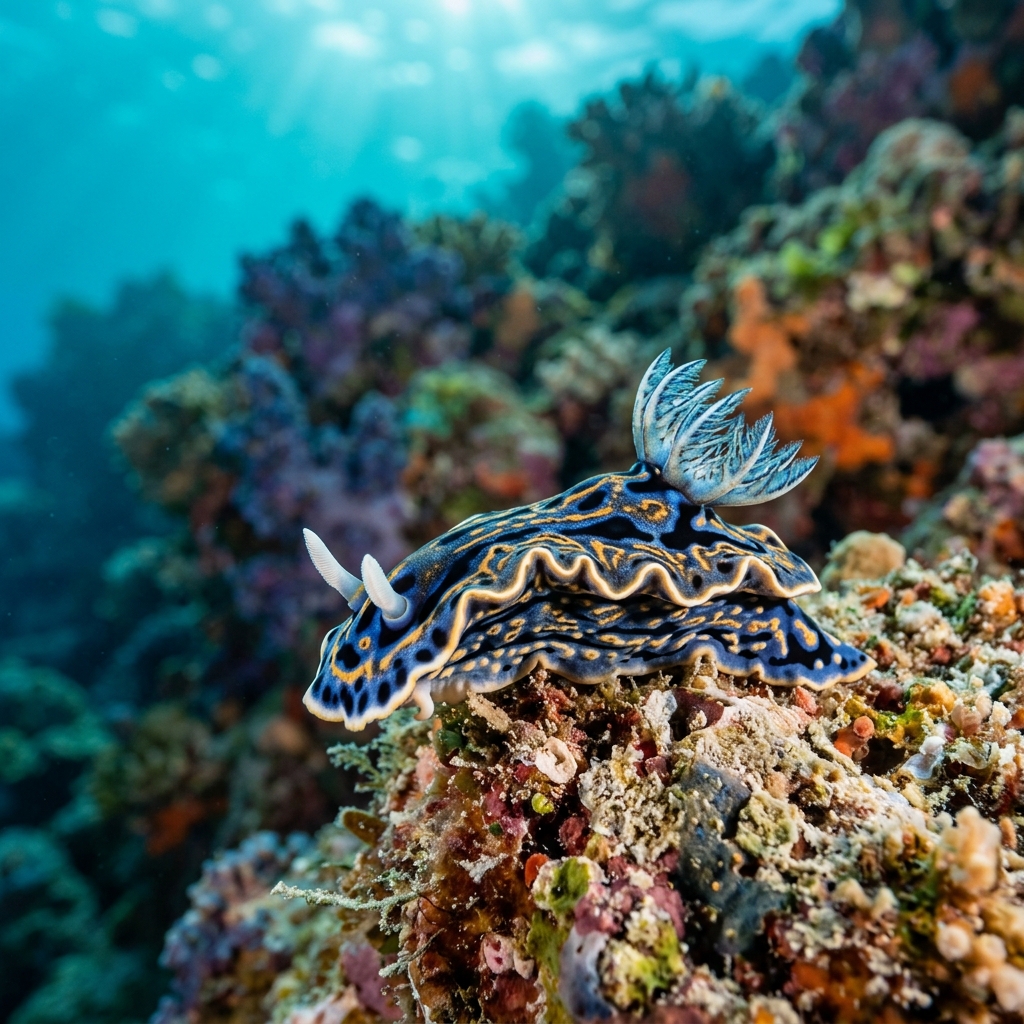
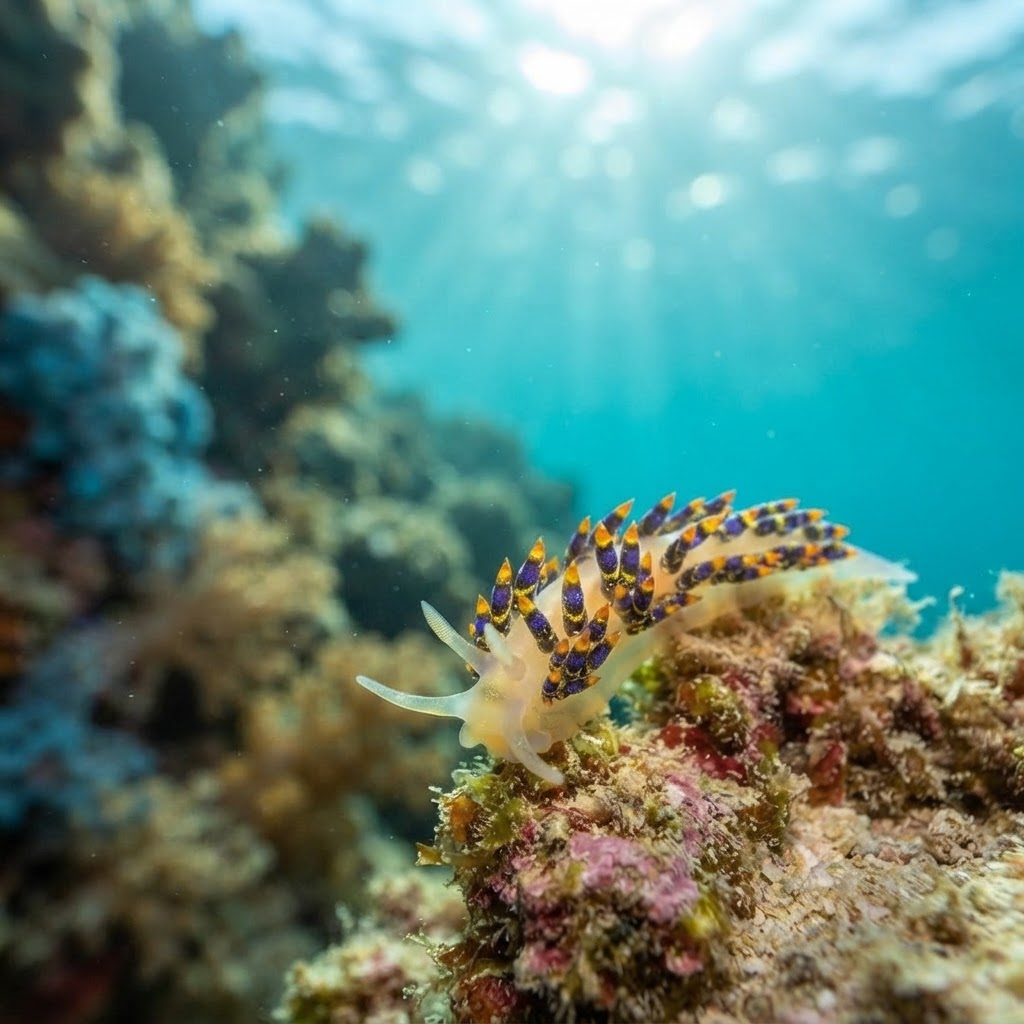
A small, slender sea slug with rows of finger-like projections (cerata) running down its back, typically tipped in orange or reddish-brown against a translucent or pale body. Look closely at low-light rocky reef and algae patches, since it blends easily against similar textured backgrounds. Size is unrecorded in the data, but related Trinchesia species are only a centimetre or two long, so this is very much a macro find, not a spot-from-distance animal.
Divers find it tucked into rocky reef and among hydroids or algae, moving slowly and showing little reaction to torch light or close observation. It's the kind of animal you find by deliberately slowing down and scanning surfaces on a macro-focused dive rather than one that swims into view. Most logs describe it as uncommon at the sites where it does appear, so a sighting usually comes from patient searching rather than luck alone.
Like other members of its family, it almost certainly feeds on hydroids and stores stinging cells from its prey in those orange-tipped cerata as a defence, a trick many aeolid nudibranchs share.
Sightings don't show a clear seasonal pattern, and with a comfortable range of 8.8 to 15.7C it's consistent with the cold-temperate water these regions see most of the year, so plan around good visibility and calm conditions rather than a specific month.
Reef neighbours a diver could mistake it for. Use the identification notes above to tell them apart.
This one is most reliably logged in the United Kingdom, with strong numbers across Northern Ireland and England, plus a handful of sites in Wales. Outside the UK it turns up in Bohuslän, Sweden, and in smaller numbers around Østlandet, Norway, so cold-water reefs of northern Europe are the place to search.
Mapping where Trinchesia Cuanensis is logged…
It's most commonly logged in Northern Ireland and England, with further UK sightings in Wales. Outside Britain, look to Bohuslän in Sweden and Østlandet in Norway.
There's no strong seasonal pattern in the data, and it sits comfortably in 8.8 to 15.7C water, so sightings are possible across the year rather than tied to one season.
Look for a small, slender nudibranch with rows of cerata (finger-like back projections) tipped in orange or reddish-brown on a pale body. It's a slow mover found tucked against rocky reef and algae, best spotted with a macro-focused search.
Exact size isn't recorded for this species, but related Trinchesia nudibranchs are only a centimetre or two long, making this a true macro subject rather than something you'll spot from a distance.
Like related aeolid nudibranchs, it likely feeds on hydroids and repurposes their stinging cells in its own cerata as a defence against predators.
No, it poses no risk to divers. It's a small, slow-moving sea slug best observed with a careful eye and a macro lens rather than approached with caution.
Site and sighting data is aggregated from diver logs, iNaturalist and GBIF. For taxonomy and conservation status:
Blue Dragon
3,163 sites