Trapania tora
An uncommon little nudibranch logged off Sabah, Malaysia, in warm 25.5 to 31.5 C water. Here's how to spot it on your next dive.
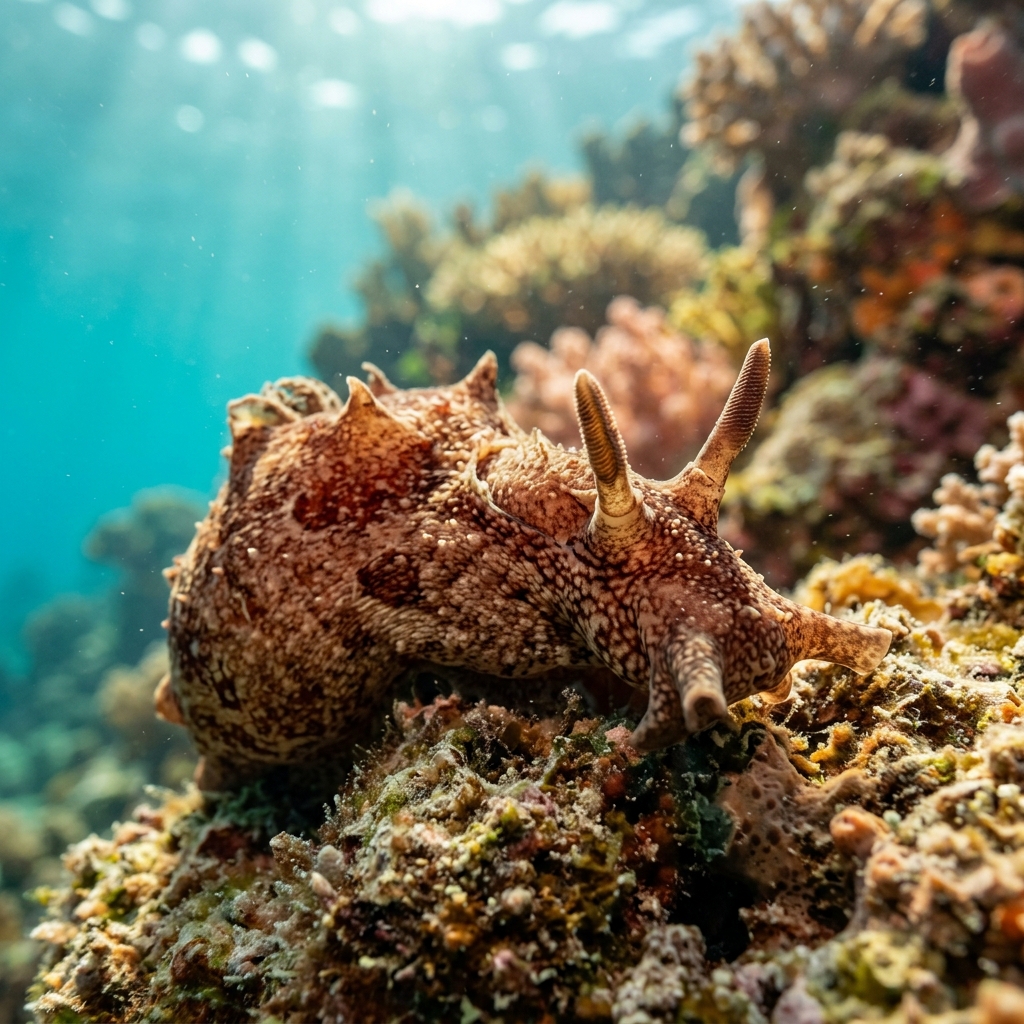
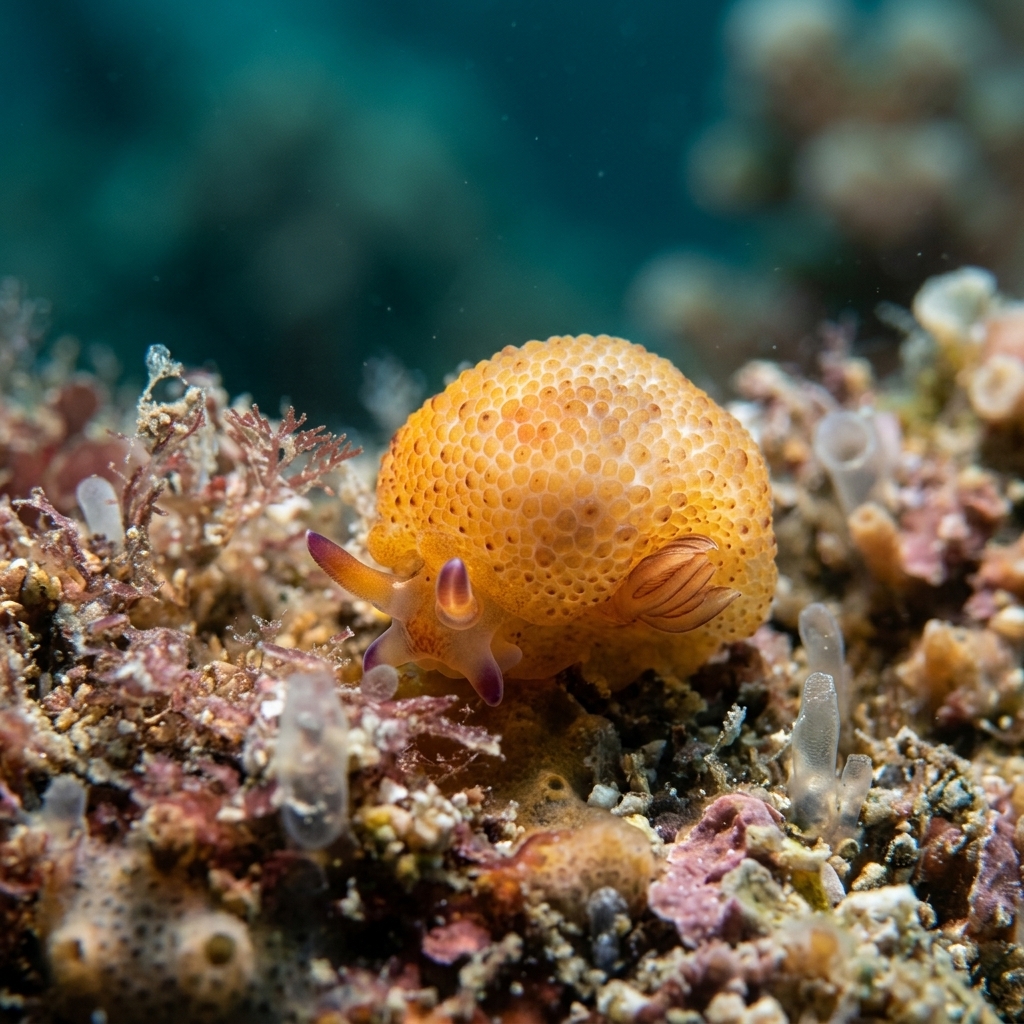
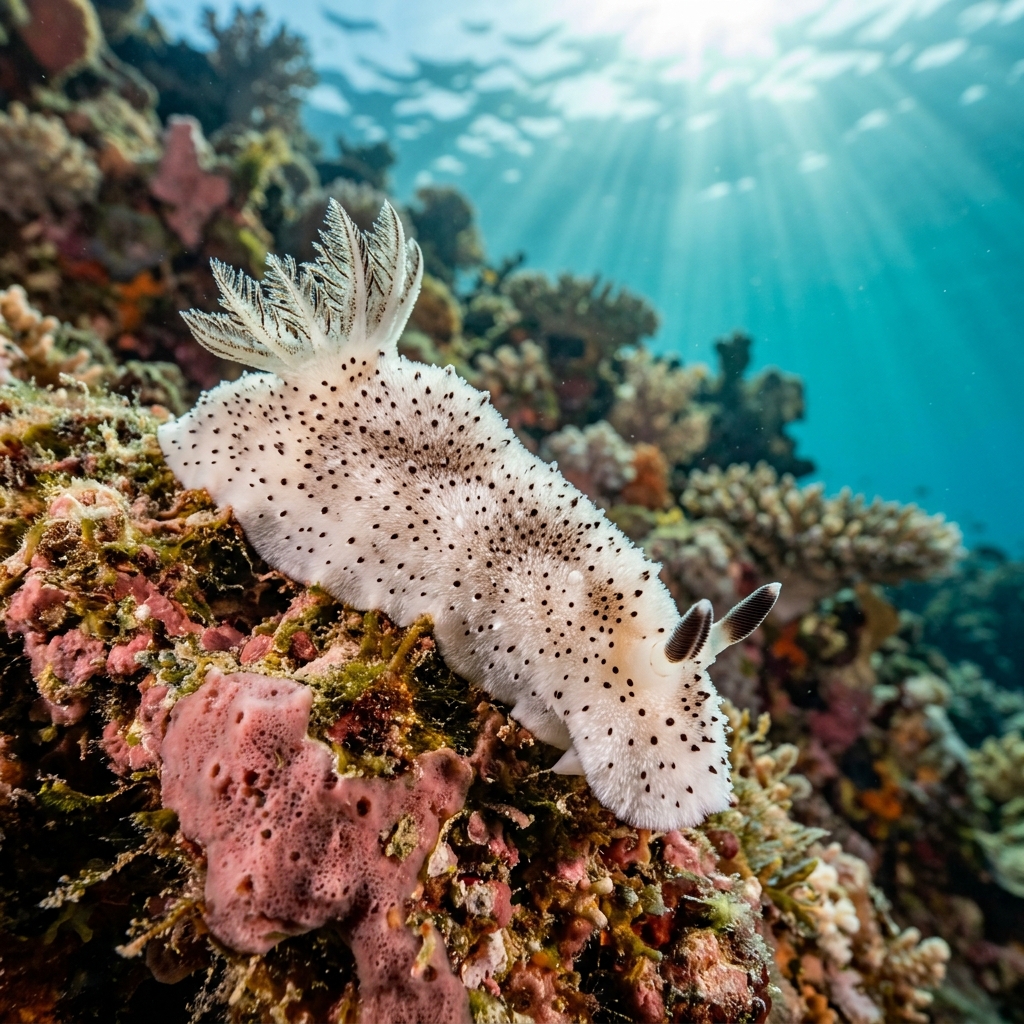
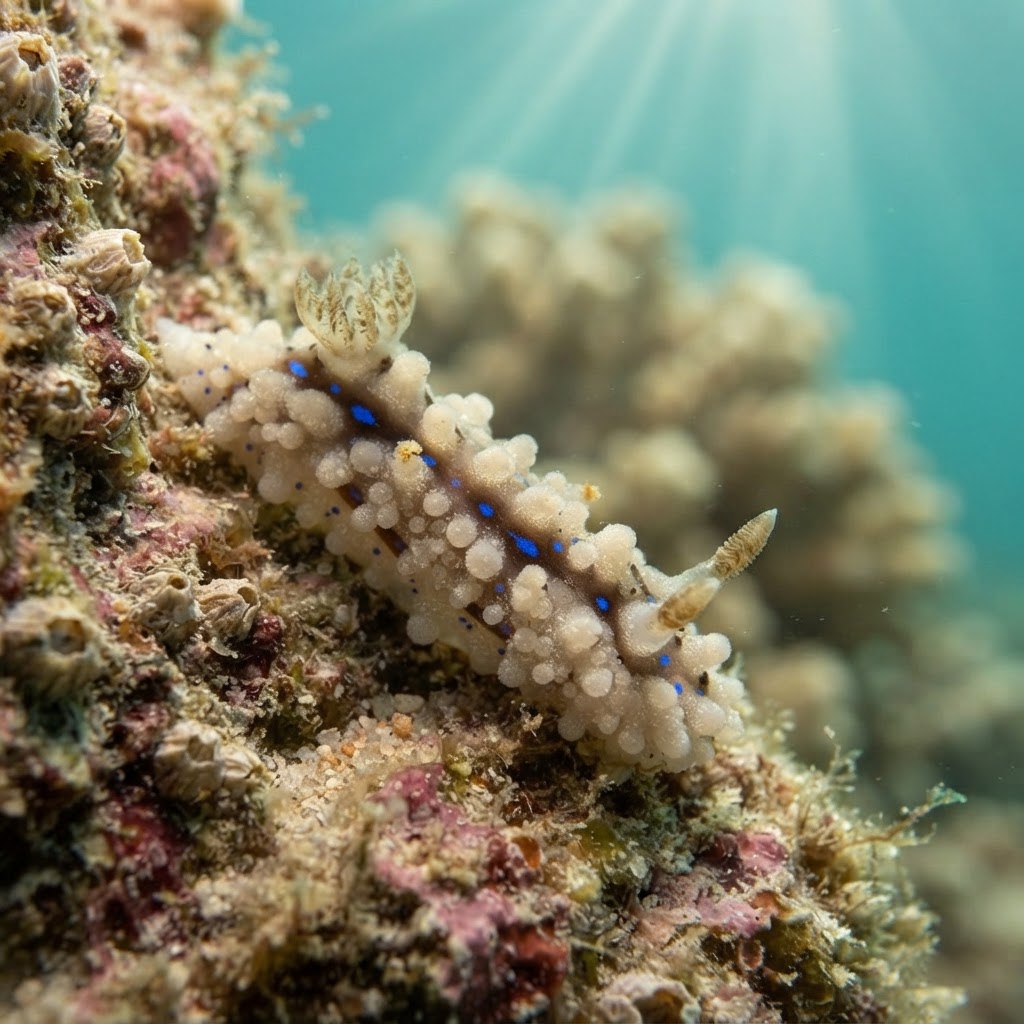
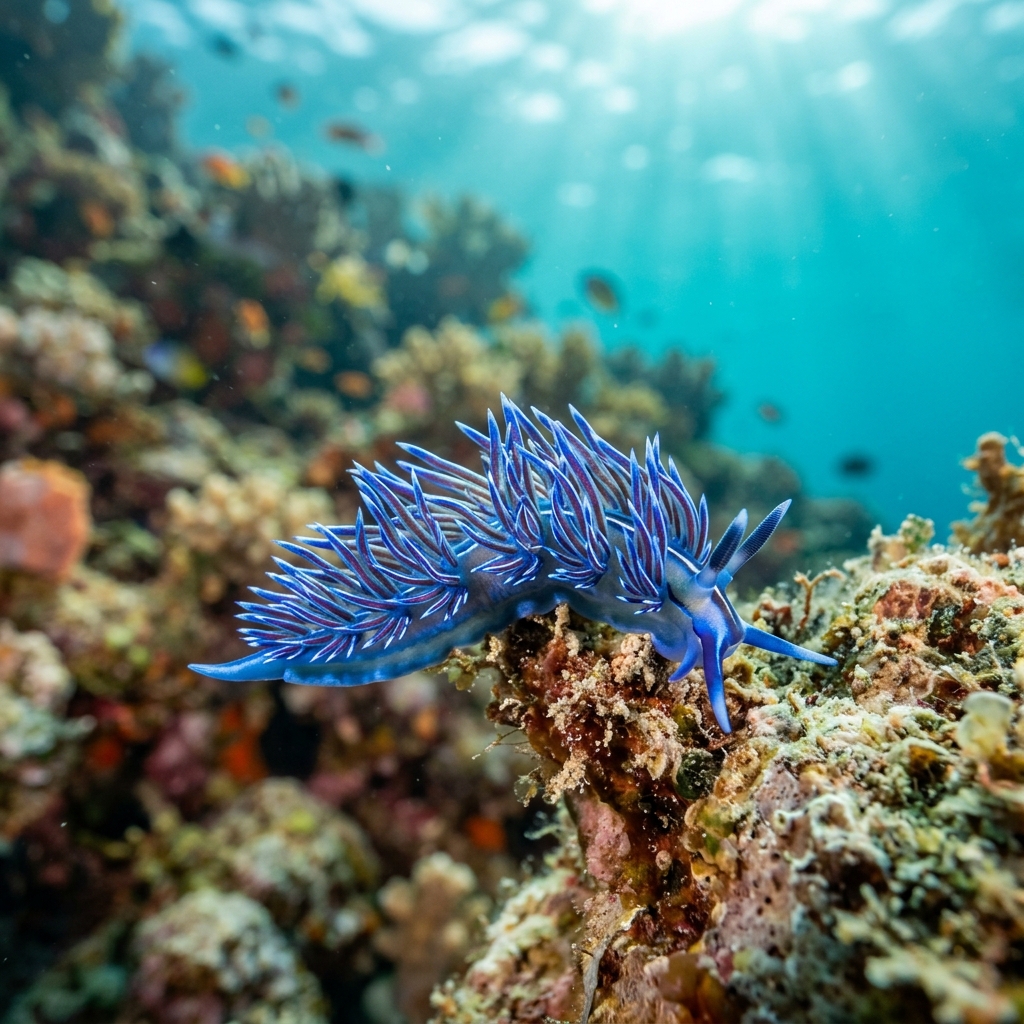
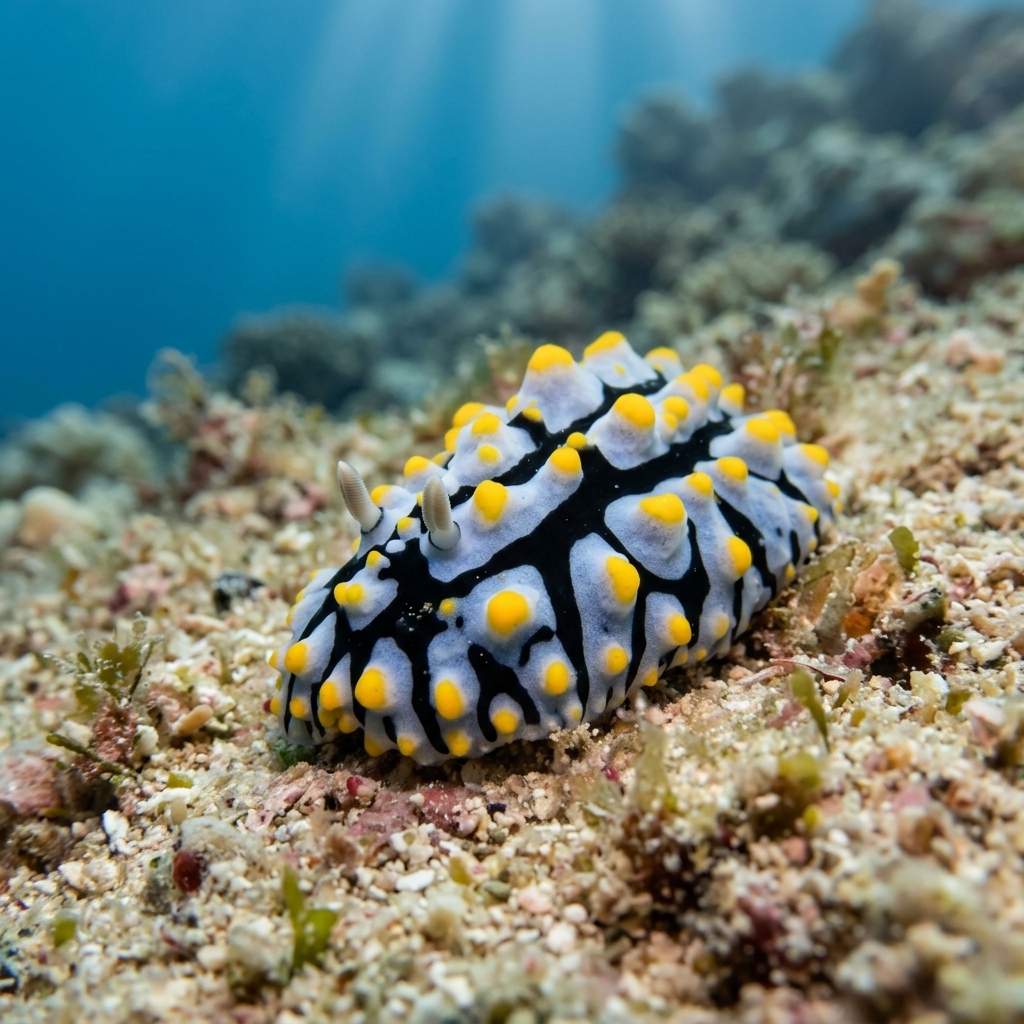
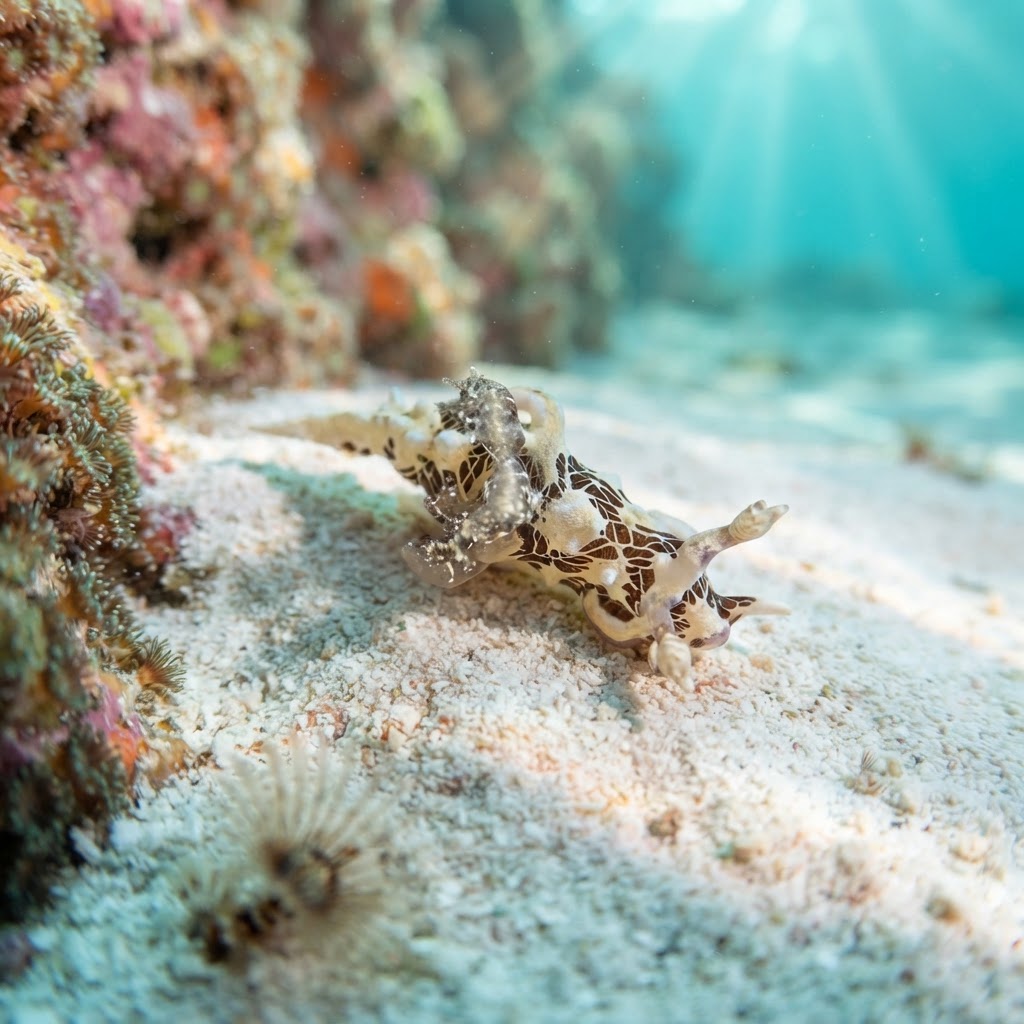
A small nudibranch (sea slug) with a slender, elongated body and the paired lateral projections typical of the Trapania genus, which give it a fringed, bristly outline along the sides. Look for a pale to translucent body tone against reef rubble or sponge, with the extra tentacle-like processes (called caruncles) helping distinguish it from smoother dorid nudibranchs at a glance. Its small size means slow, close-focus scanning of the substrate is usually needed to pick it out.
Like other Trapania species, it is a slow-moving grazer usually found creeping across reef rubble, sponge, or fine sediment while it feeds. It shows little reaction to divers beyond retracting its exposed projections if disturbed, so a calm, close approach with a torch or macro lens is the best way to get a good look without spooking it.
Nudibranchs in the Trapania genus lack the feathery gills seen in many other dorid species, instead breathing through simple skin folds, which is part of why they look so slender and bristly compared to bulkier nudibranchs on the same reef.
Sightings so far don't show a clear seasonal pattern, and it has been recorded in water from 25.5 to 31.5 C, consistent with year-round tropical reef conditions in Sabah. Treat it as a species you could encounter on any dive rather than one tied to a specific month.
Right now the only confirmed sightings in the data come from Sabah, Malaysia, making it the place to head if you specifically want to tick this species off. It has been logged as an uncommon find there, so patience and a sharp eye on the substrate pay off.
Mapping where Tora Trapania is logged…
The only verified sightings come from Sabah, Malaysia, where it has been logged as an uncommon find on local reefs. If you're specifically hunting this species, Sabah is currently the best-documented starting point.
There's no detected seasonal pattern yet, and it has been recorded in warm water between 25.5 and 31.5 C, so it's likely present year-round on tropical Sabah reefs rather than tied to a specific season.
Look for a small, slender nudibranch with pale to translucent colouring and paired bristly projections along its sides, called caruncles. Its lack of feathery gills and slim body shape set it apart from bulkier dorid nudibranchs on the same reef.
Exact size data isn't available, but like most Trapania species it's a small nudibranch, typically only a centimetre or two long, so close-focus searching on rubble or sponge is needed to spot one.
It belongs to a nudibranch genus that breathes through simple skin folds rather than the feathery external gills seen in many other dorid nudibranchs, giving it a slimmer, more bristled look overall.
Site and sighting data is aggregated from diver logs, iNaturalist and GBIF. For taxonomy and conservation status:
Light-spotted Aegires
3,168 sites