Tenellia puti
An uncommon little nudibranch logged mostly on Queensland reefs, sitting comfortably in warm 23.5 to 29.7 C water year-round.
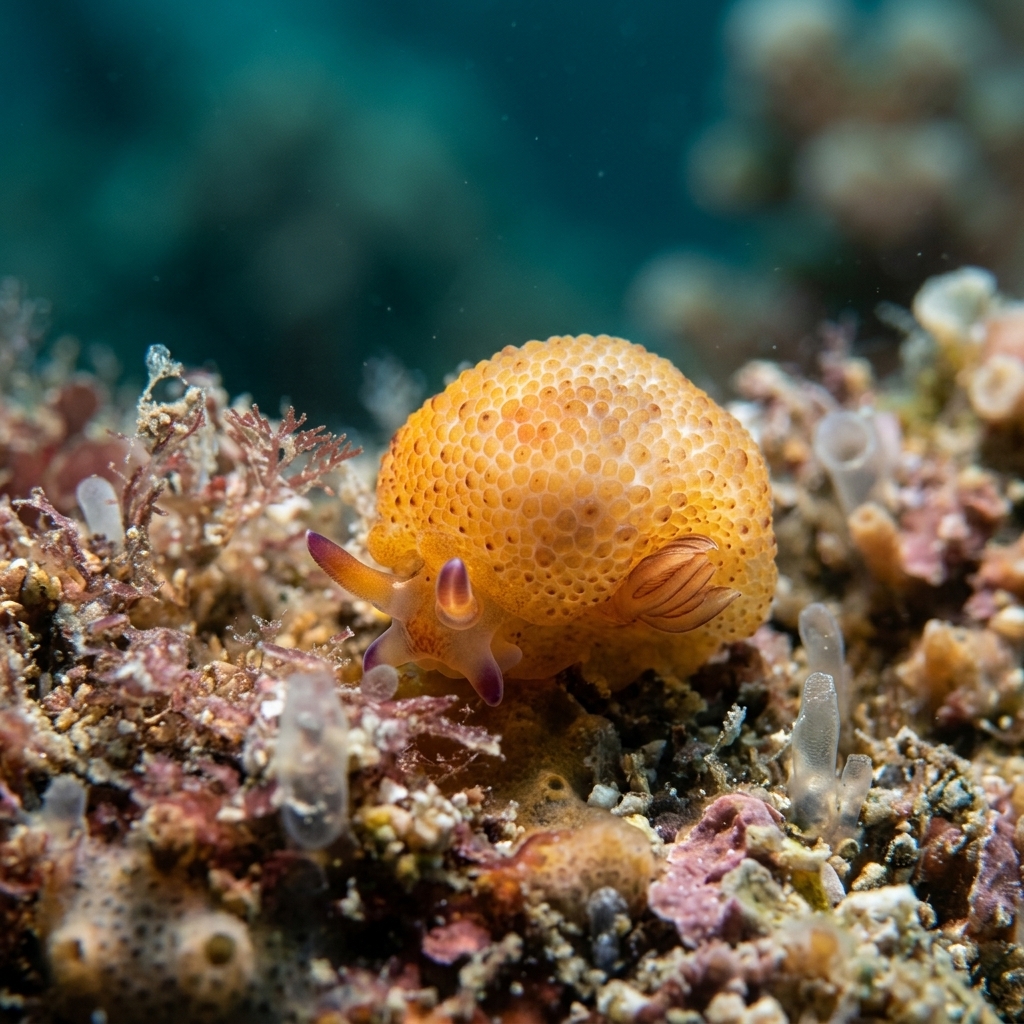
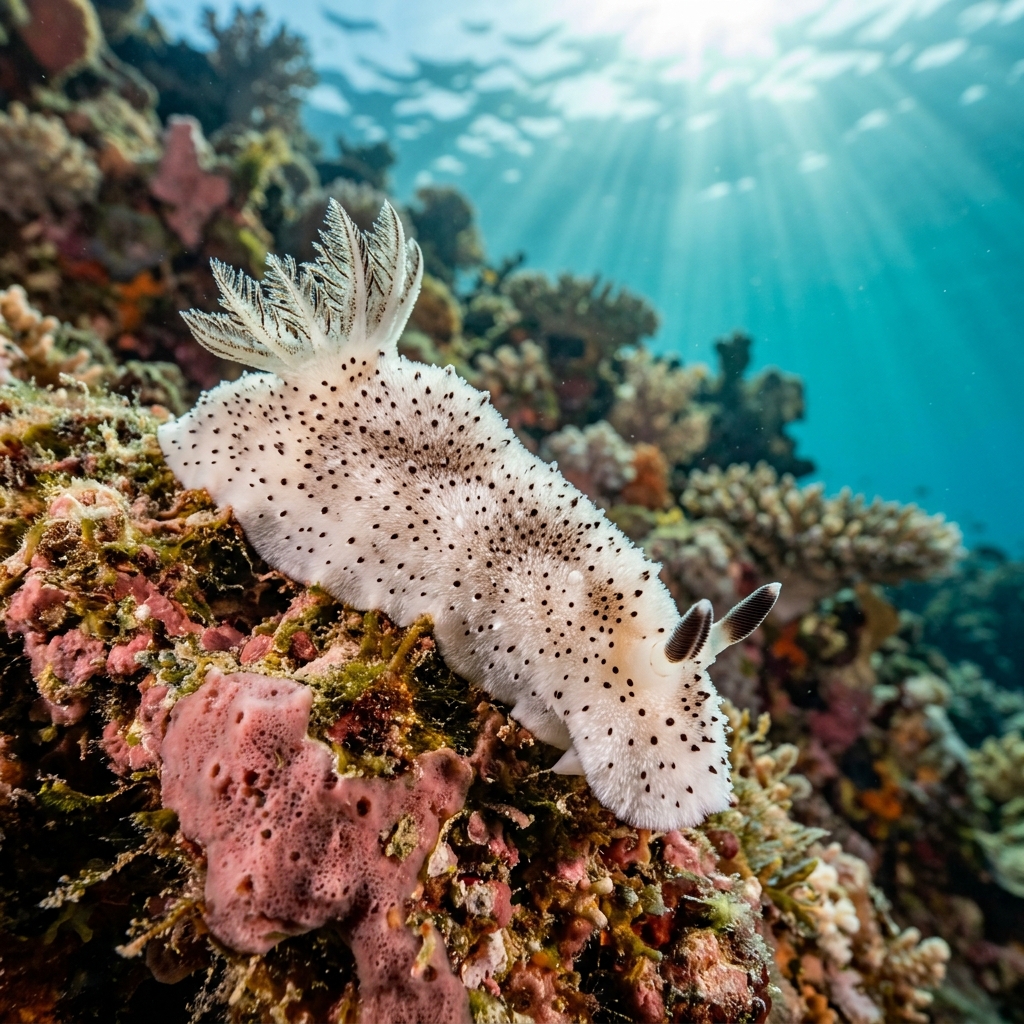
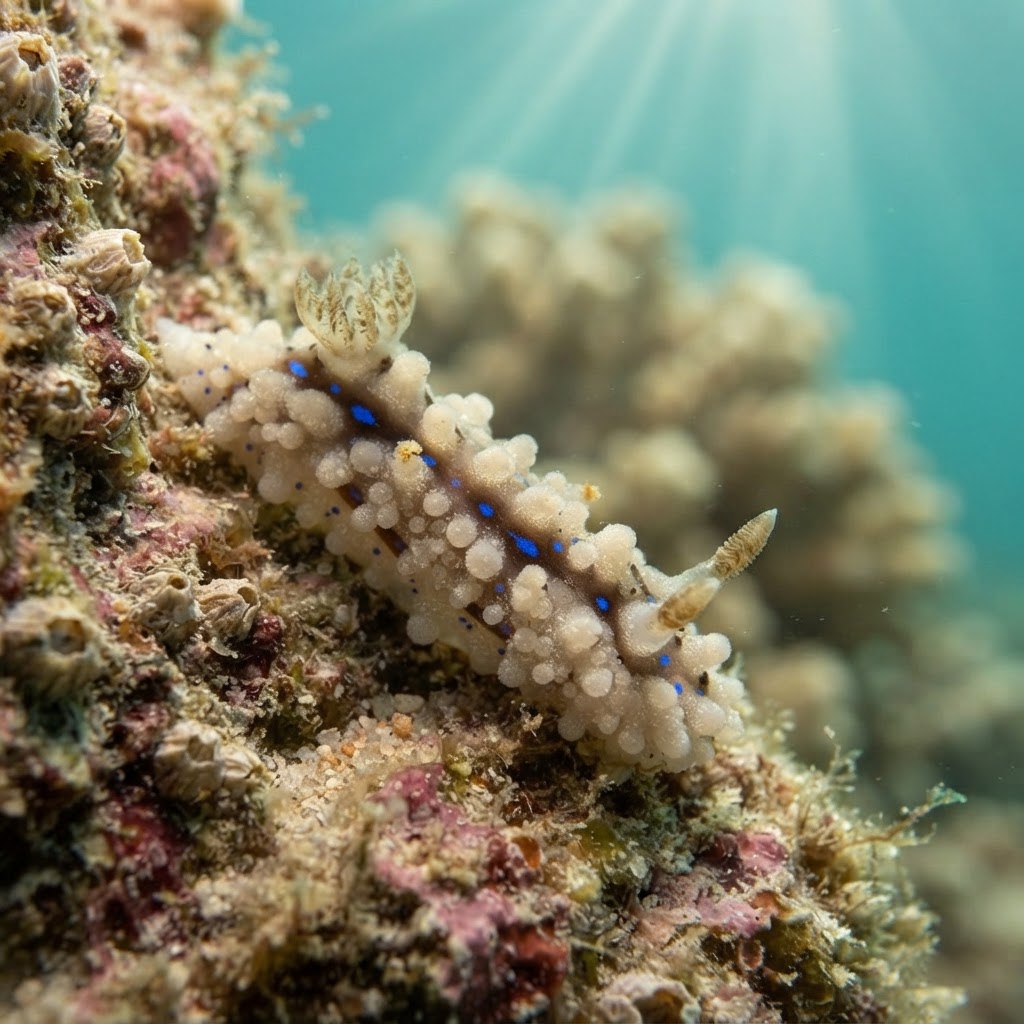
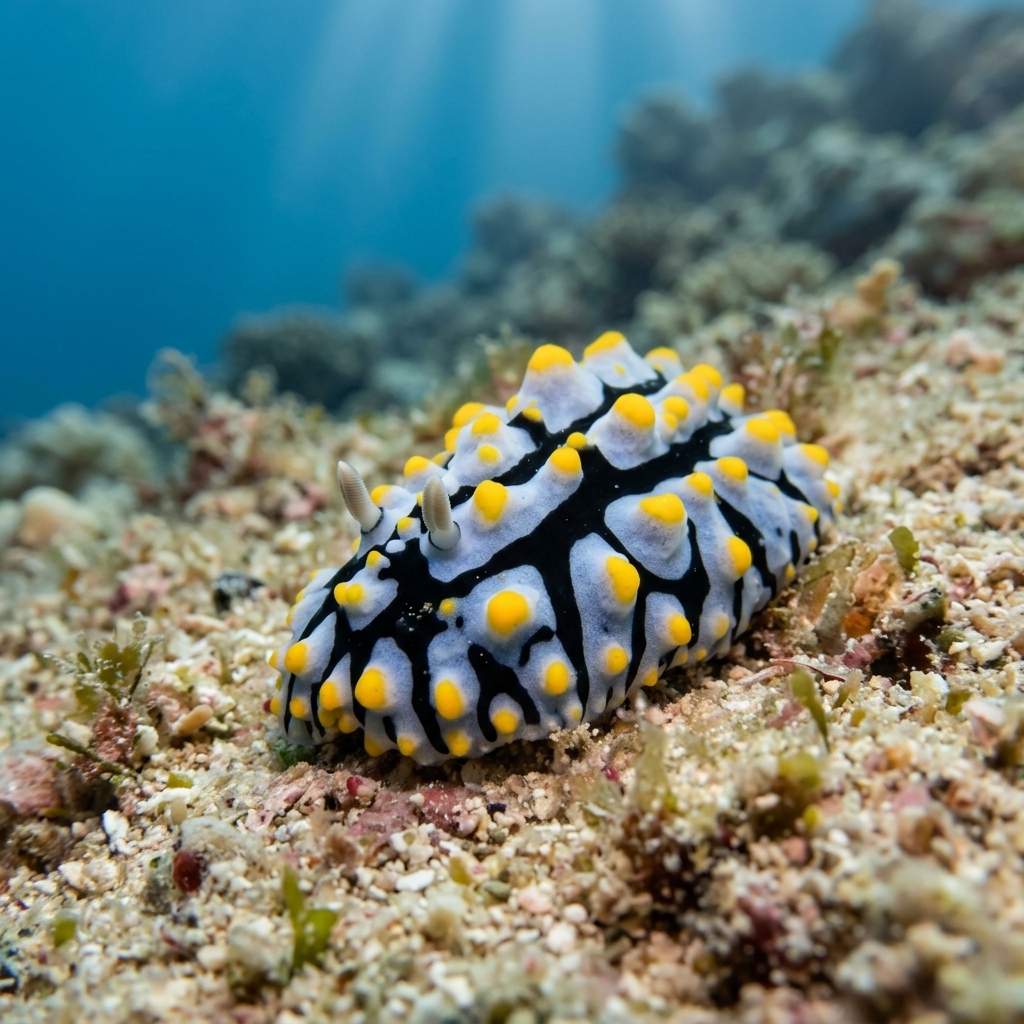
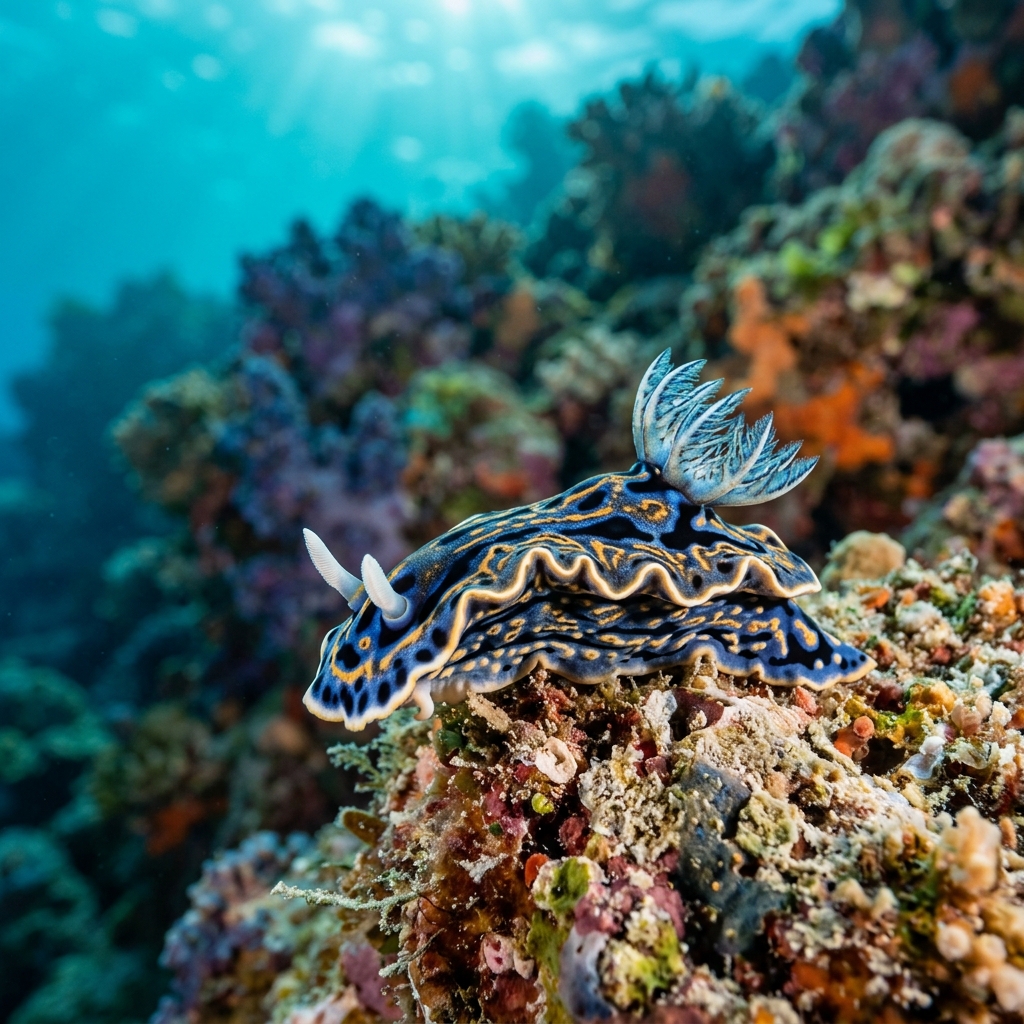
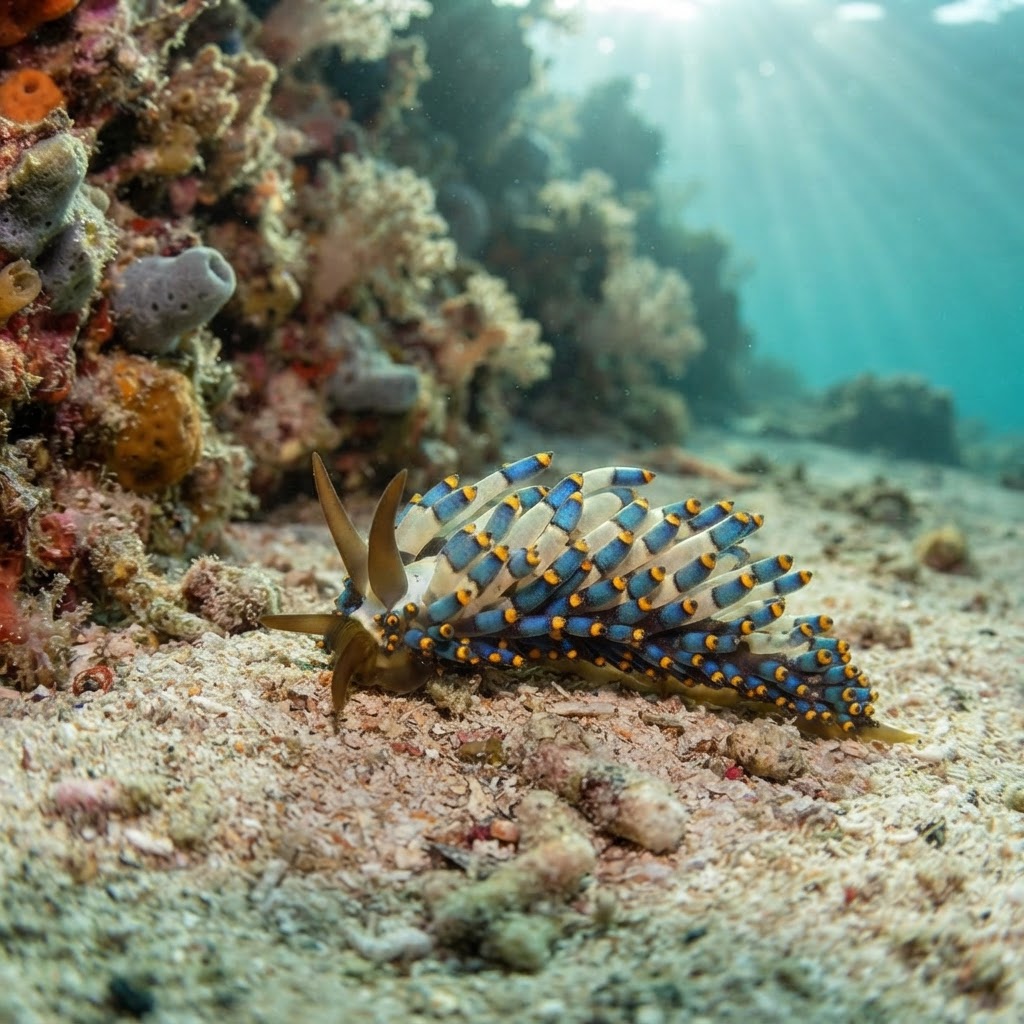
A small, slender sea slug with a translucent to pale body covered in finger-like projections called cerata (the fleshy tufts along its back used for breathing and, in some species, defence). Look for subtle colour banding or pigment concentrated near the cerata tips, which is usually the clearest clue against the bare substrate it sits on. Size in the water is tiny, so most divers only notice it once they are already looking closely at rubble or algae for something else.
Divers encounter this nudibranch moving slowly over reef rubble and algae-covered substrate, doing the unhurried grazing typical of small sea slugs rather than anything dramatic. It shows no particular reaction to divers beyond continuing to feed, which makes it an easy subject for macro photography once spotted. Most logged sightings come from close, deliberate searching rather than casual reef swims, reflecting how easily it blends into the background.
Like other members of the Trinchesiidae family, its cerata likely double as both gills and a way of storing stinging cells taken from the hydroids it feeds on, turning its own food into a borrowed defence.
Sightings show no detected seasonal pattern, and the observed temperature range of 23.5 to 29.7 C spans typical Queensland reef conditions across the year, so it is best treated as a year-round find rather than a seasonal one.
Queensland, Australia is by far the strongest place to look, accounting for nearly all logged sightings, with a single additional record from Sulawesi, Indonesia. Anyone actively searching for this species should focus dives and macro hunts on Queensland reef sites rather than treating it as a general Indo-Pacific target.
Mapping where Tenellia Puti is logged…
Queensland, Australia is the most reliable place to find it, with the vast majority of logged sightings coming from Queensland reef sites. A single record also exists from Sulawesi, Indonesia, but Queensland is where divers should focus.
There is no clear seasonal pattern in the sighting data, and it has been recorded across a wide temperature range from 23.5 to 29.7 C, so it can turn up on Queensland reefs at any time of year.
Look for a small, slender nudibranch with a translucent to pale body covered in finger-like cerata along its back. It is easy to miss against rubble and algae, so slow, close-focus searching is the best way to spot one.
Exact size data is not available, but like most Tenellia species it is small, generally under a couple of centimetres, which is why it is mostly found by divers doing dedicated macro searches.
No, it poses no danger to divers. It is a tiny, slow-moving nudibranch that is harmless to approach and photograph.
It likely feeds on hydroids and repurposes their stinging cells within its own cerata, turning a food source into a borrowed form of defence, a trick shared across many members of its family.
Site and sighting data is aggregated from diver logs, iNaturalist and GBIF. For taxonomy and conservation status:
Blue Dragon
3,163 sites