Tenellia miniostriata
A small, uncommon nudibranch logged across the French Riviera in cool 14-20C water, year-round if you know where to look.
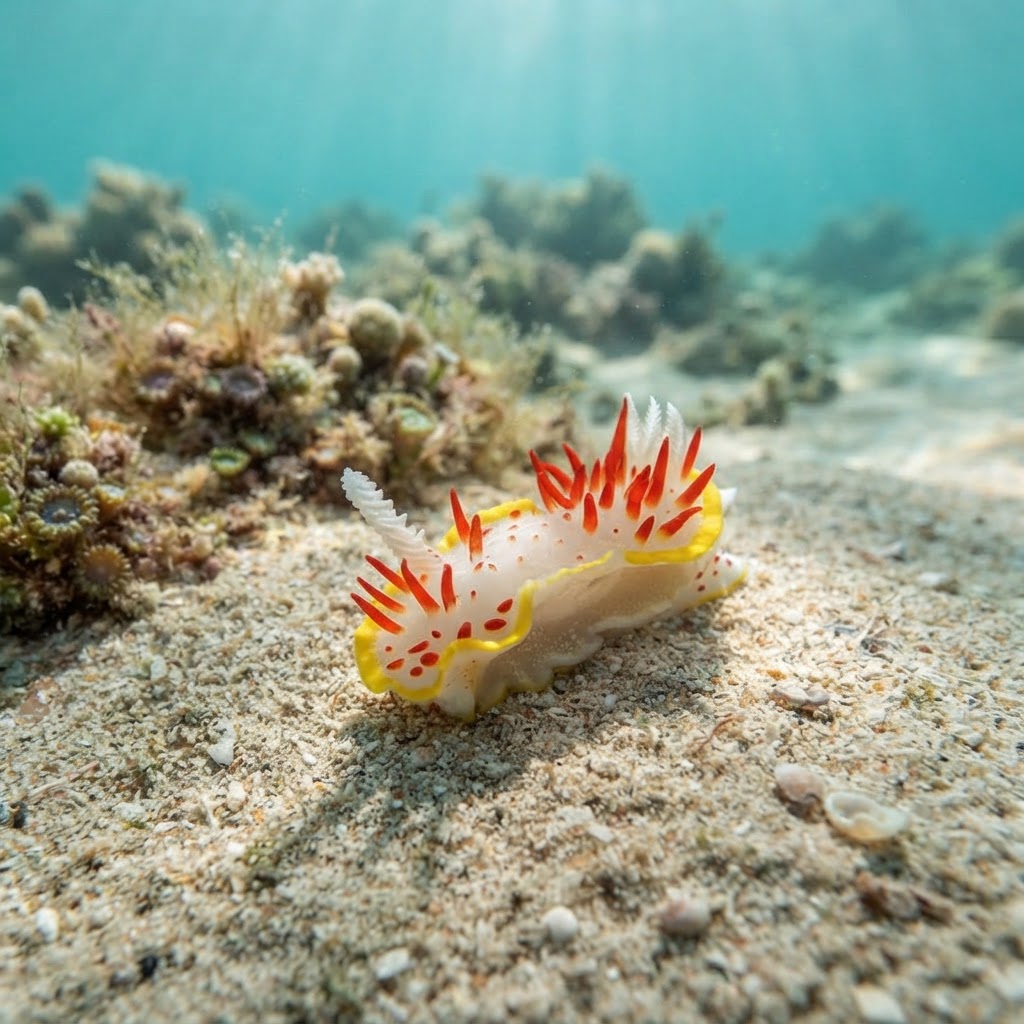
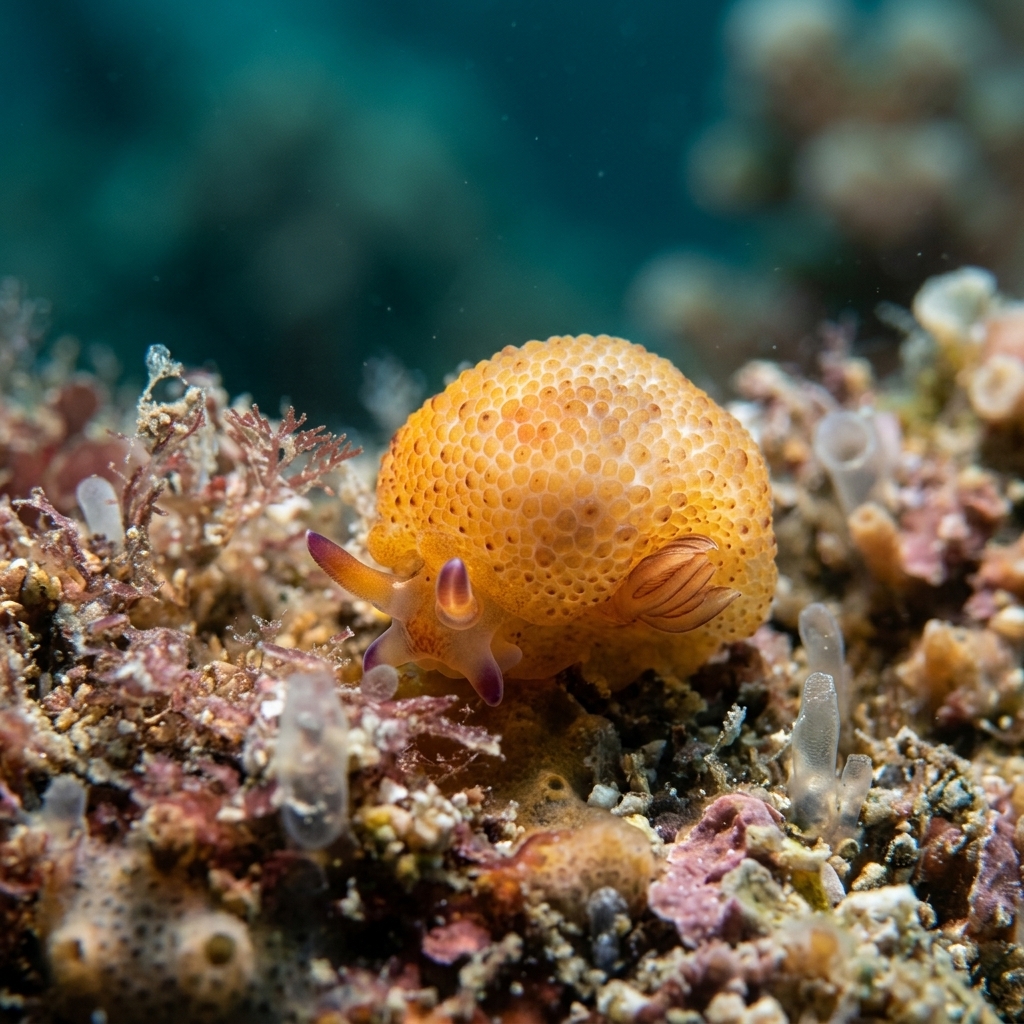
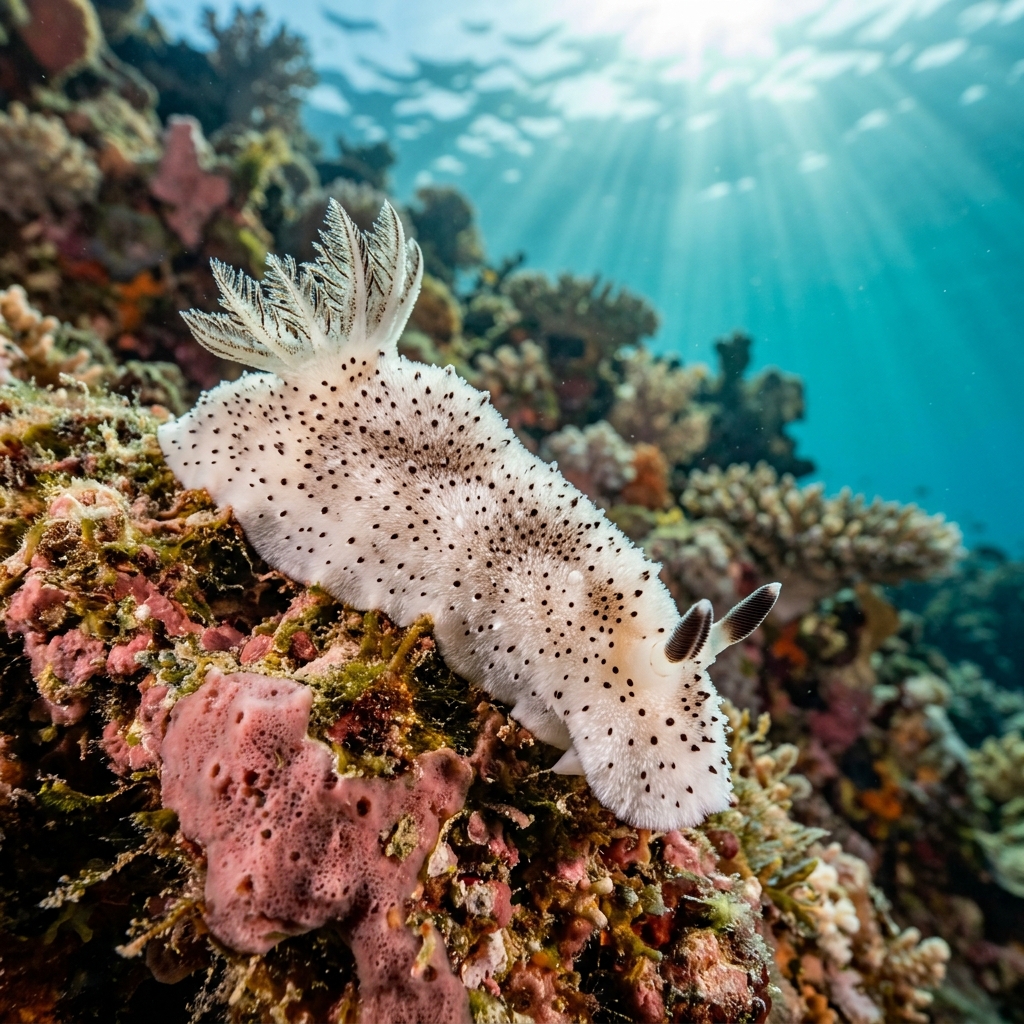
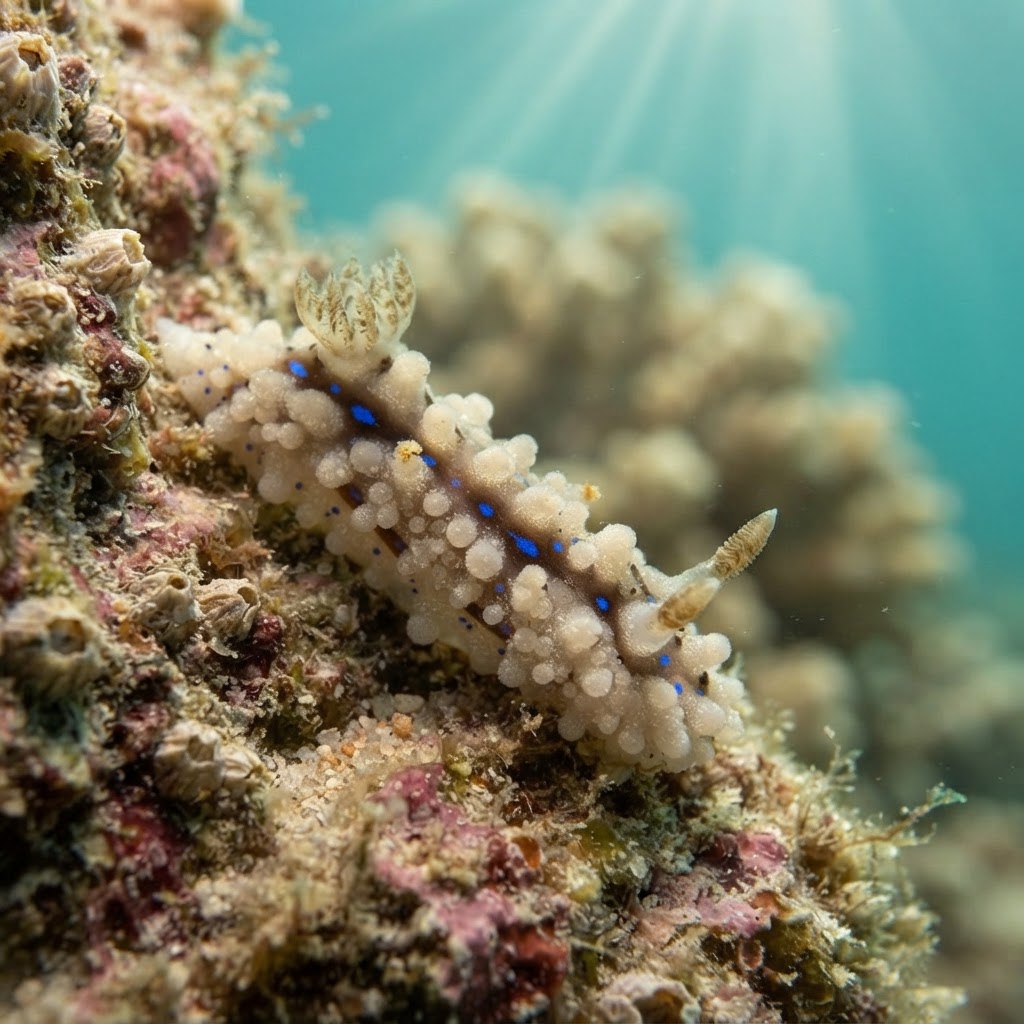
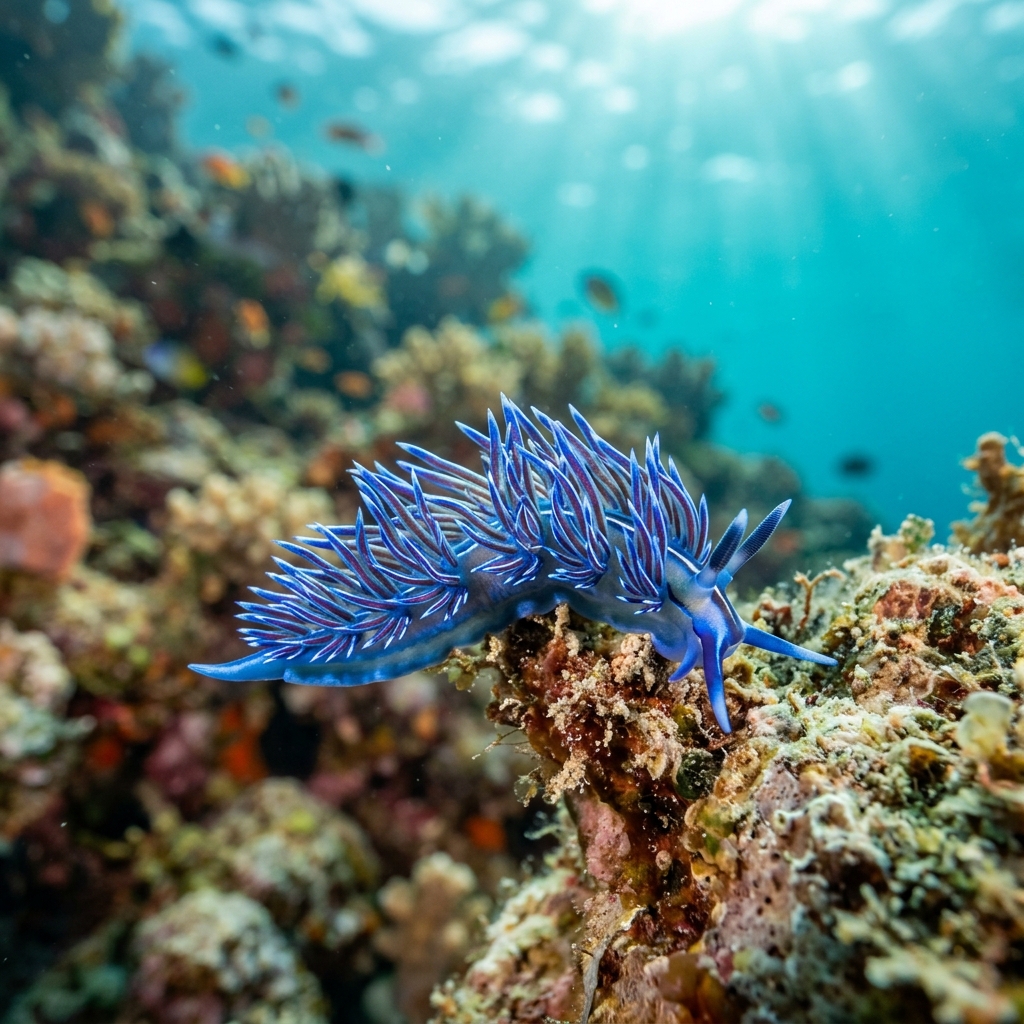
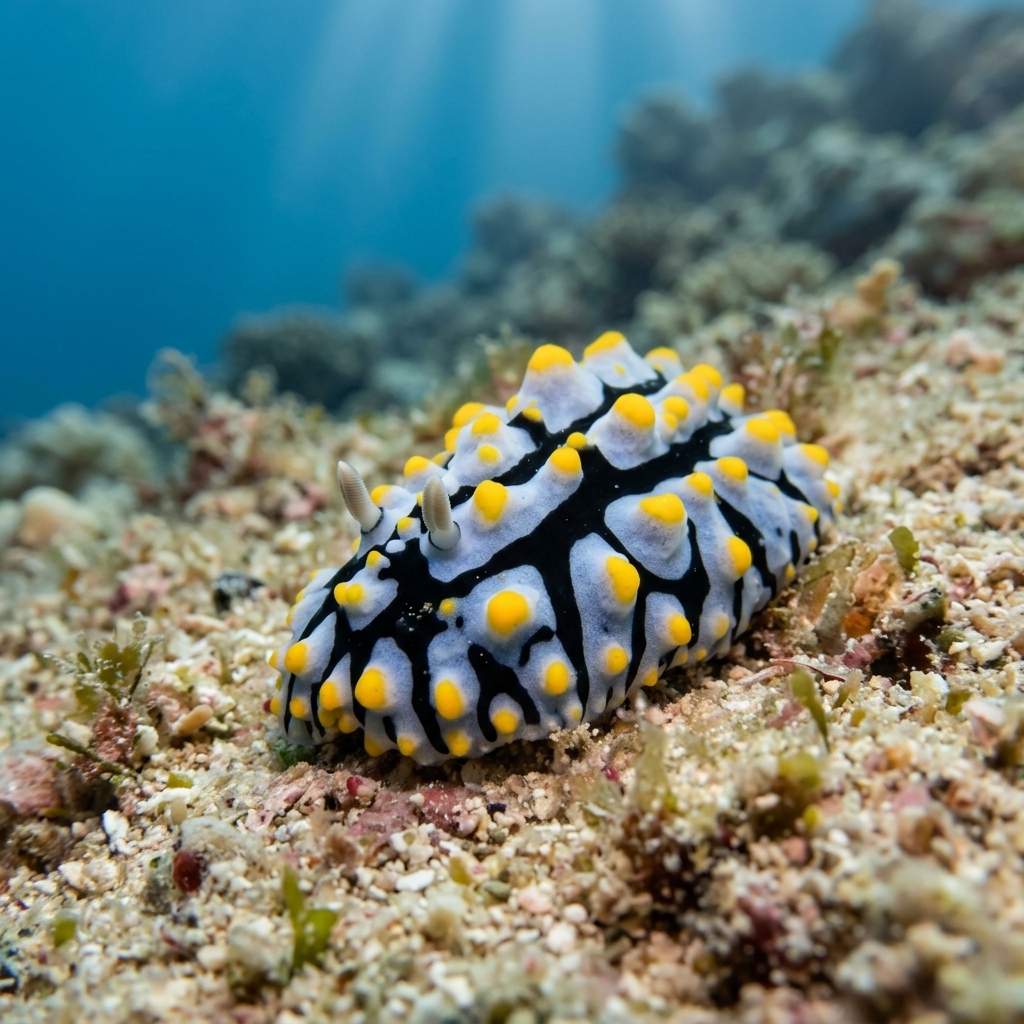
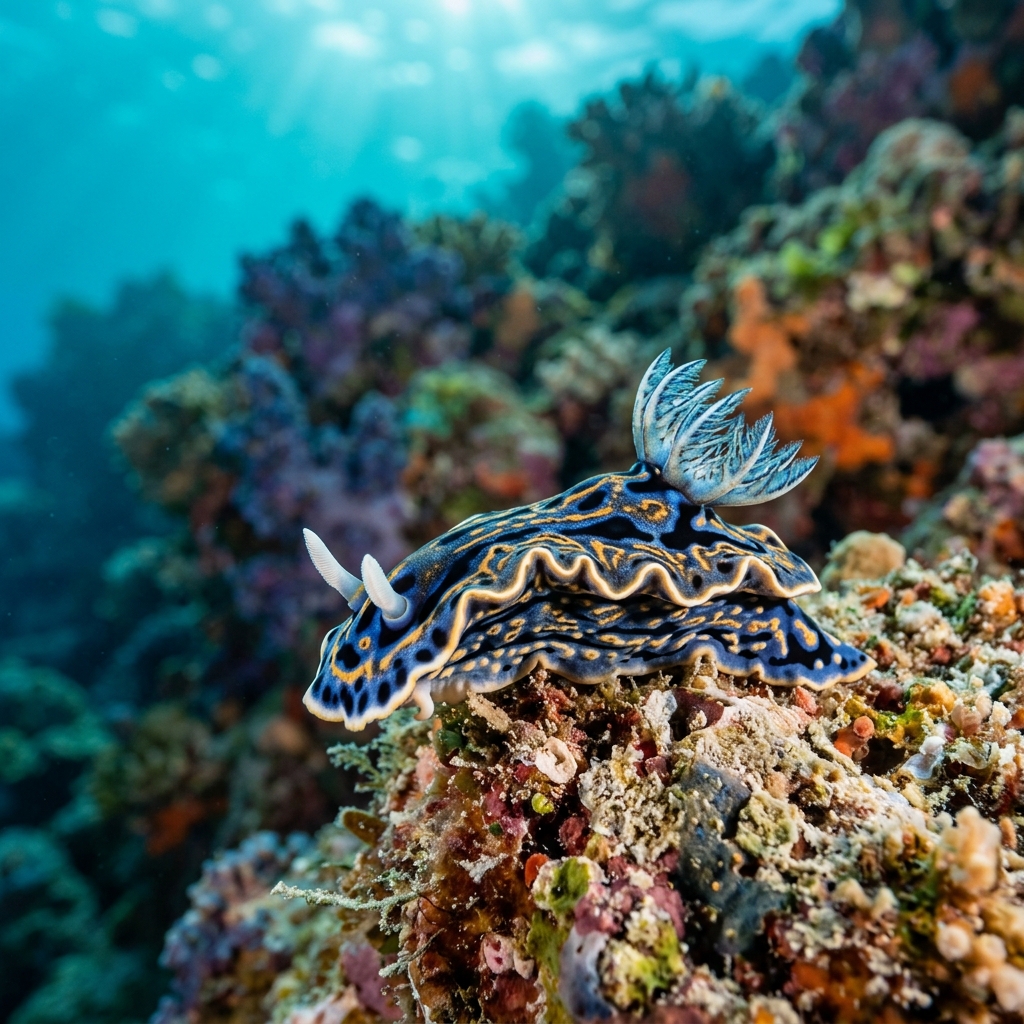
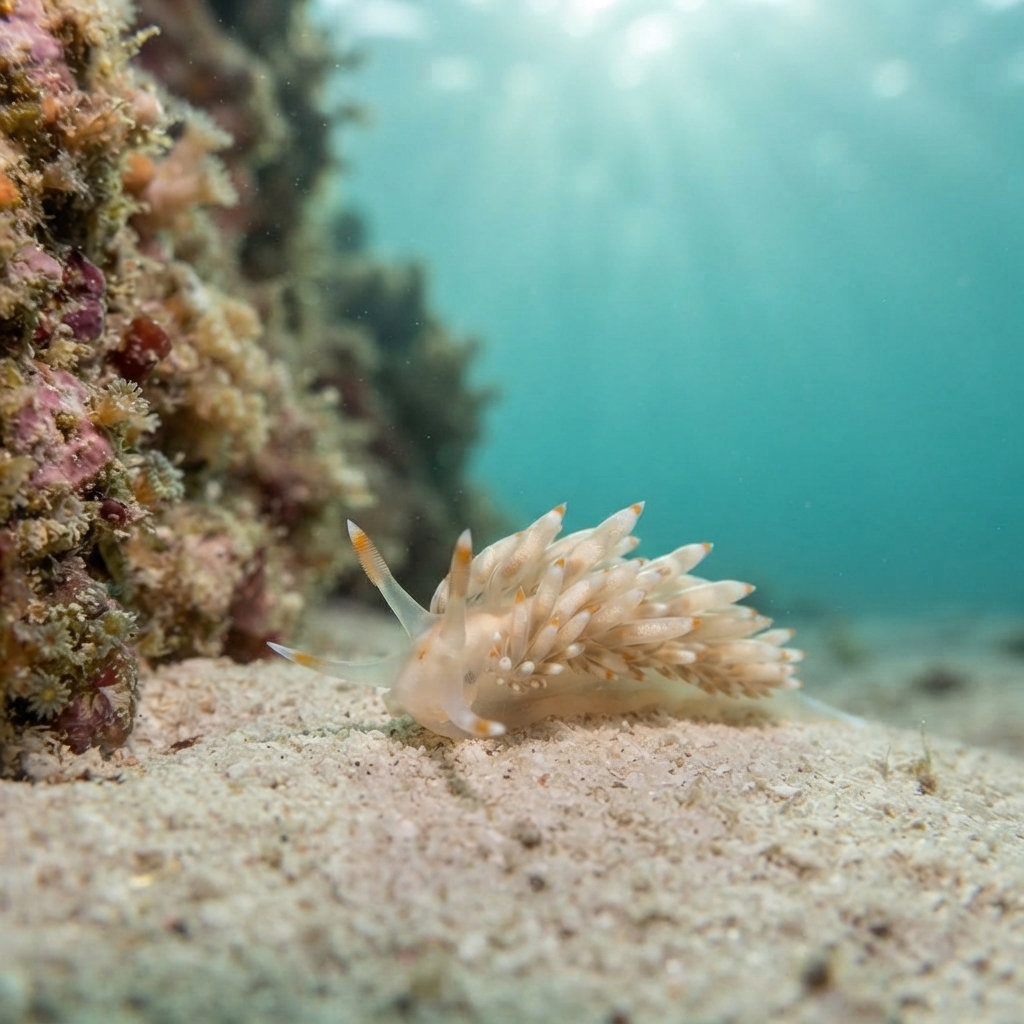
A small slug-shaped nudibranch identified mainly by the reddish stripe pattern running along its cerata (the finger-like projections on its back), which is where the species name comes from. It has the typical slender, tapering aeolid body shape shared by many Trinchesiidae, with a pair of rhinophores (sensory tentacles) up front. Size in the water is small enough that most divers need a macro-focused eye or a guide pointing it out on the substrate.
Divers encounter it slow-moving over rocky or algae-covered substrate, doing what most small aeolid nudibranchs do: grazing quietly and paying no attention to anything nearby. It shows no defensive or evasive reaction to divers, so a slow approach and a macro lens are all you need for a good look. Most sightings come from the same kind of low-relief rocky reef typical of French Riviera dive sites rather than open sand or deep wall.
Like other aeolid nudibranchs, its cerata likely double as both gills and storage for stinging cells borrowed from the hydroids or other prey it feeds on, a trick many small slugs in this family use for defence.
Sightings show no detectable seasonal pattern, so treat it as a year-round find within its observed 14.4 to 20.4C water-temperature range. That range spans much of the Mediterranean's annual temperature swing, which likely explains why divers log it across different times of year rather than in one tight window.
Reef neighbours a diver could mistake it for. Use the identification notes above to tell them apart.
Every logged sighting so far comes from France, with the French Riviera and Provence the only region divers report it from. If you are hunting this one specifically, that stretch of Mediterranean coastline is currently the only known place to look.
Mapping where Tenellia miniostriata is logged…
So far it has only been logged along the French Riviera and Provence coastline in France. It is not yet documented from other countries or regions.
There is no clear seasonal pattern, so it turns up year-round in water between about 14.4 and 20.4C. Any time you are diving the French Riviera in that temperature range is worth a look.
Look for a small aeolid nudibranch with reddish striping along its cerata, the finger-like structures covering its back. It is a slow, slender slug typically found crawling over rocky Mediterranean substrate rather than open sand.
Exact size data is not confirmed, but like most Trinchesiidae species it is small, generally in the centimetre range rather than anything conspicuous from a distance.
No, this small nudibranch poses no danger to divers. It has no known sting or defence mechanism that affects humans.
Site and sighting data is aggregated from diver logs, iNaturalist and GBIF. For taxonomy and conservation status:
Blue Dragon
3,163 sites