Tenellia kuiterorum
A rare find logged only in Victoria, Australia, in cool water between 14.7 and 22C. Here's where divers have actually spotted it.
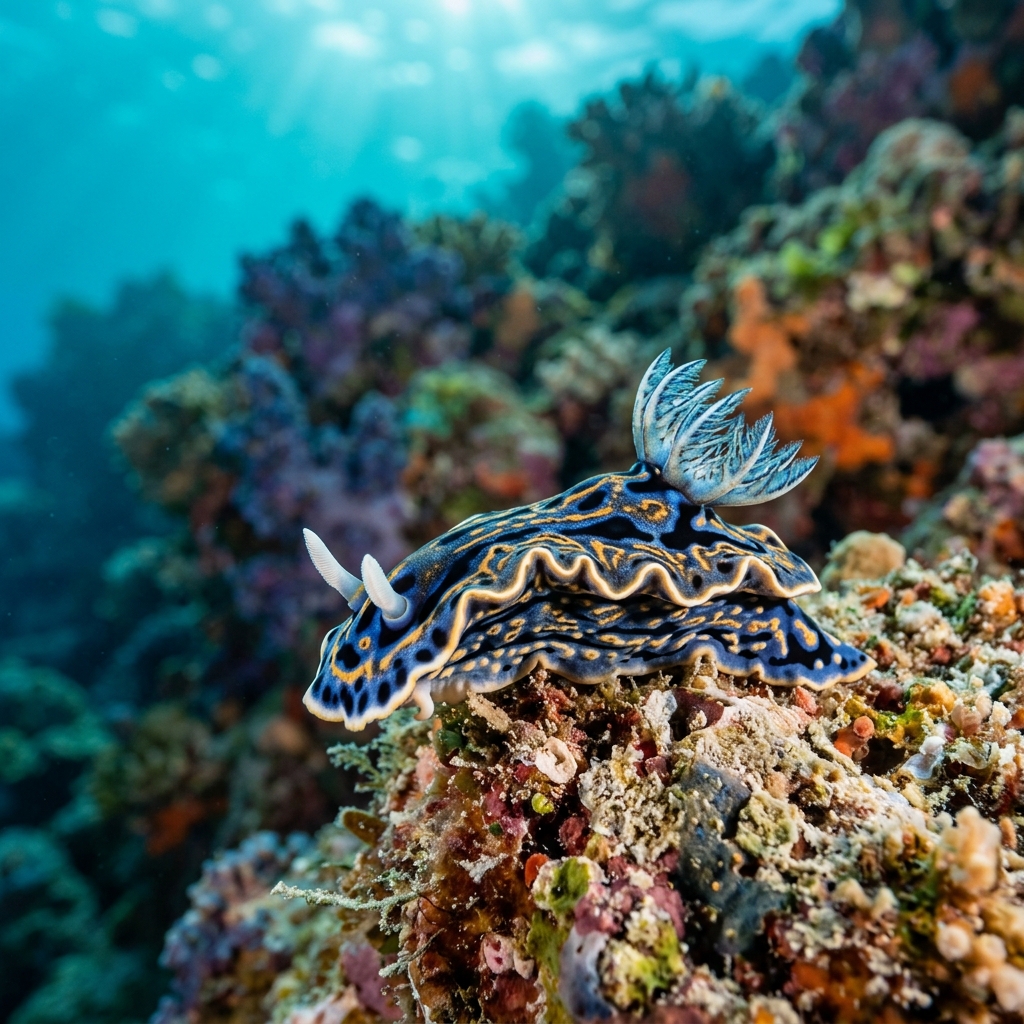
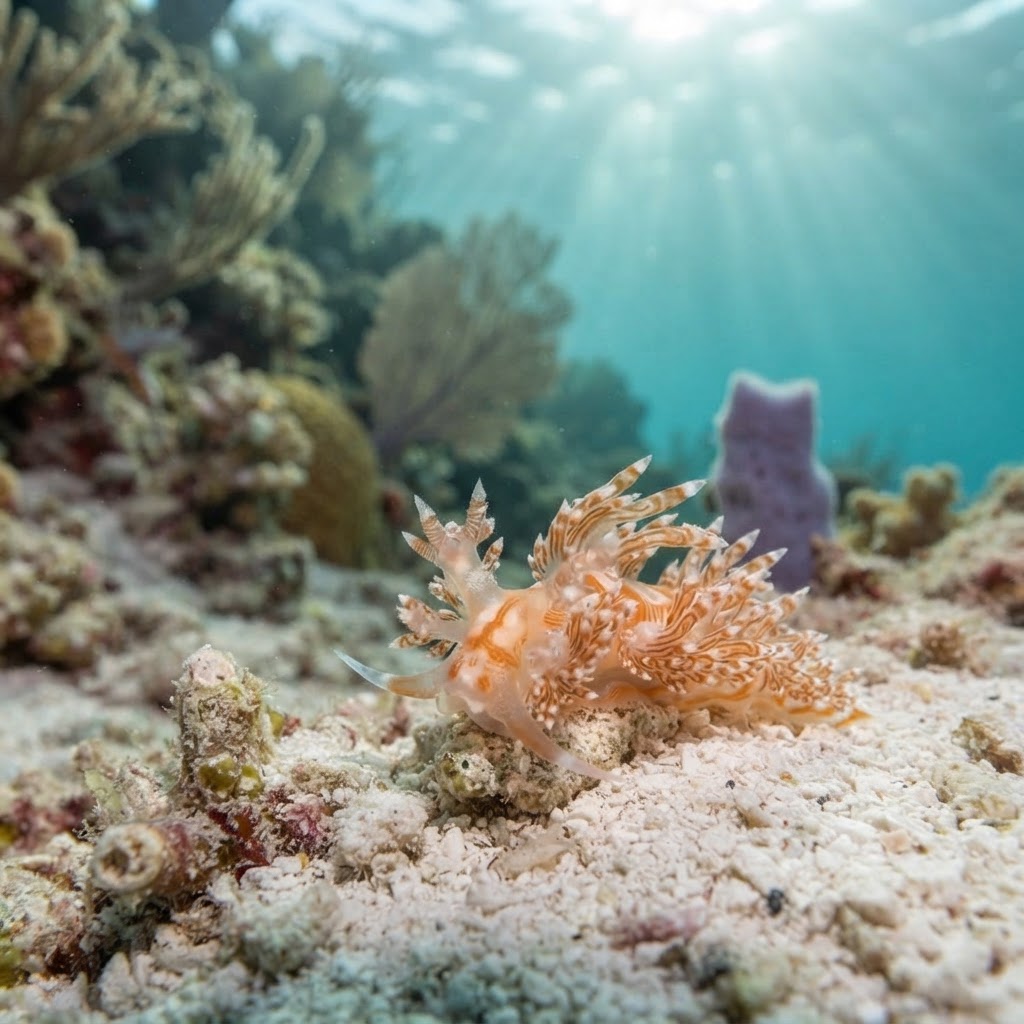
A small sea slug (nudibranch) known so far only from a handful of logged sightings, so a definitive field description isn't yet settled from diver photos. Look for the slender, elongated body typical of Tenellia species, with cerata (the finger-like projections on the back) that often carry the colour and pattern rather than the body itself. Expect it on hard or mixed substrate in cool temperate water rather than on tropical coral.
Logged as rare to uncommon at the handful of sites where it's been recorded, so this isn't an animal you stumble across on every dive. Like other small nudibranchs in its family, it's likely found grazing slowly on hydroids or similar prey on rocky or rubble substrate, more a macro-hunting find than something that swims into view.
Nudibranchs in the Tenellia genus, like many members of Trinchesiidae, are thought to feed on hydroids and can incorporate stinging cells from their prey into their own cerata as a defence, though this hasn't been specifically documented for this species.
Sightings don't show a clear seasonal pattern yet, so treat this as a year-round possibility rather than a seasonal target. The observed temperature range of 14.7 to 22C fits Victoria's cool temperate waters across most of the year.
Every logged sighting so far comes from Victoria, Australia, making it the only confirmed region for this species. If you're chasing this one specifically, southern Australian temperate reefs are currently the only real bet.
Mapping where Tenellia kuiterorum is logged…
All confirmed sightings so far are from Victoria, Australia, making it the only region currently known for this species. It hasn't been logged elsewhere yet.
There isn't enough data to pin down a specific season, so it's best treated as a year-round possibility. It has been observed in water between roughly 14.7 and 22C, which covers most of the year in Victoria.
It's a small nudibranch best distinguished by close macro photography rather than a quick glance, since body shape and cerata pattern are the key features in this genus. Given how rarely it's logged, a confirmed ID often relies on comparing photos with a specialist afterwards.
Exact size data hasn't been established for this species yet. Most Tenellia nudibranchs are small, typically in the centimetre range, so expect a macro subject rather than something visible from a distance.
Yes, it's logged as rare at most of the few sites where it has been recorded, with only a handful of confirmed observations overall. Finding one is a real highlight for macro-focused divers in Victoria.
Site and sighting data is aggregated from diver logs, iNaturalist and GBIF. For taxonomy and conservation status:
Blue Dragon
3,163 sites