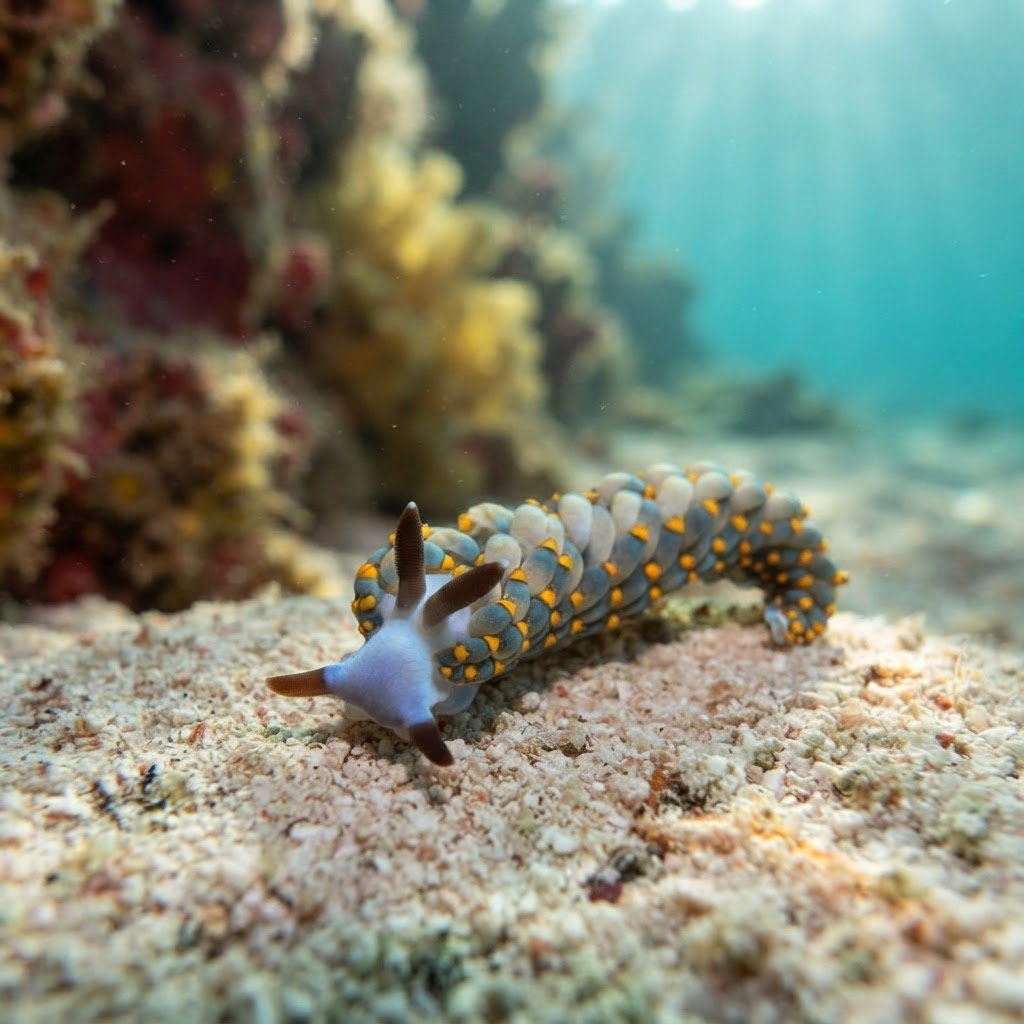
Tenellia bughaw
A rare nudibranch find logged only in Mindanao, Philippines, in warm water between 25.8 and 31.8C. Here's how to spot one.
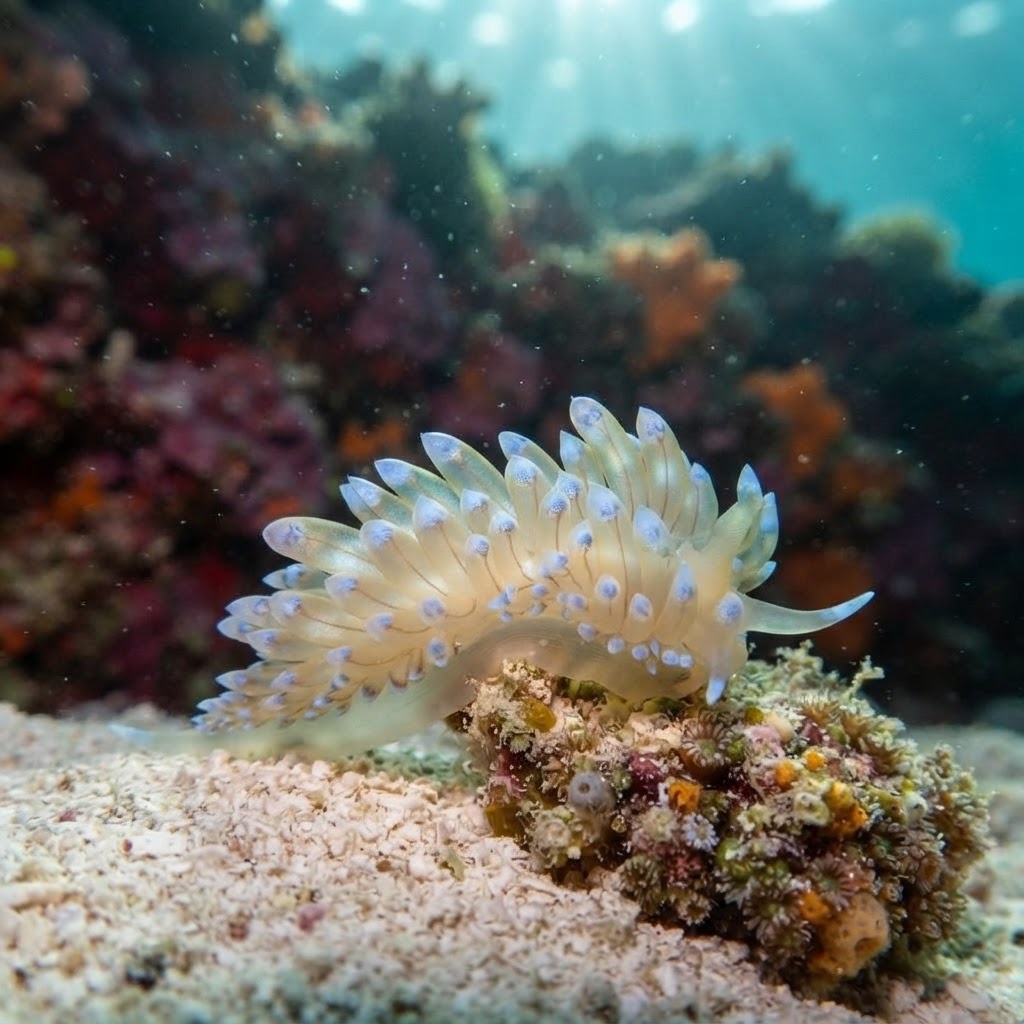
A small sea slug (nudibranch) best identified by its slender, tapering body covered in fine cerata (the finger-like projections on its back) rather than by any single bold marking. Size in the water is small, so divers typically spot it only on a slow, close macro pass over the reef substrate. As with most trinchesiid nudibranchs, colour and cerata pattern are the main things to check against a photo once you're back on the boat.
Like other small nudibranchs in its family, it moves slowly over the reef surface, grazing rather than swimming, and shows no reaction to divers beyond simply continuing to crawl. It's logged as rare even at the sites where it turns up, so expect a dedicated, unhurried macro search rather than a chance encounter.
Nudibranchs in the Trinchesiidae family typically feed on hydroids and can incorporate stinging cells from their prey into their own cerata for defence, a trick worth remembering if you're tempted to get a finger close for scale.
Sightings show no detectable seasonal pattern, and the water temperature range recorded (25.8 to 31.8C) is typical of Mindanao's reefs year-round, so there's no strong reason to favour one month over another.
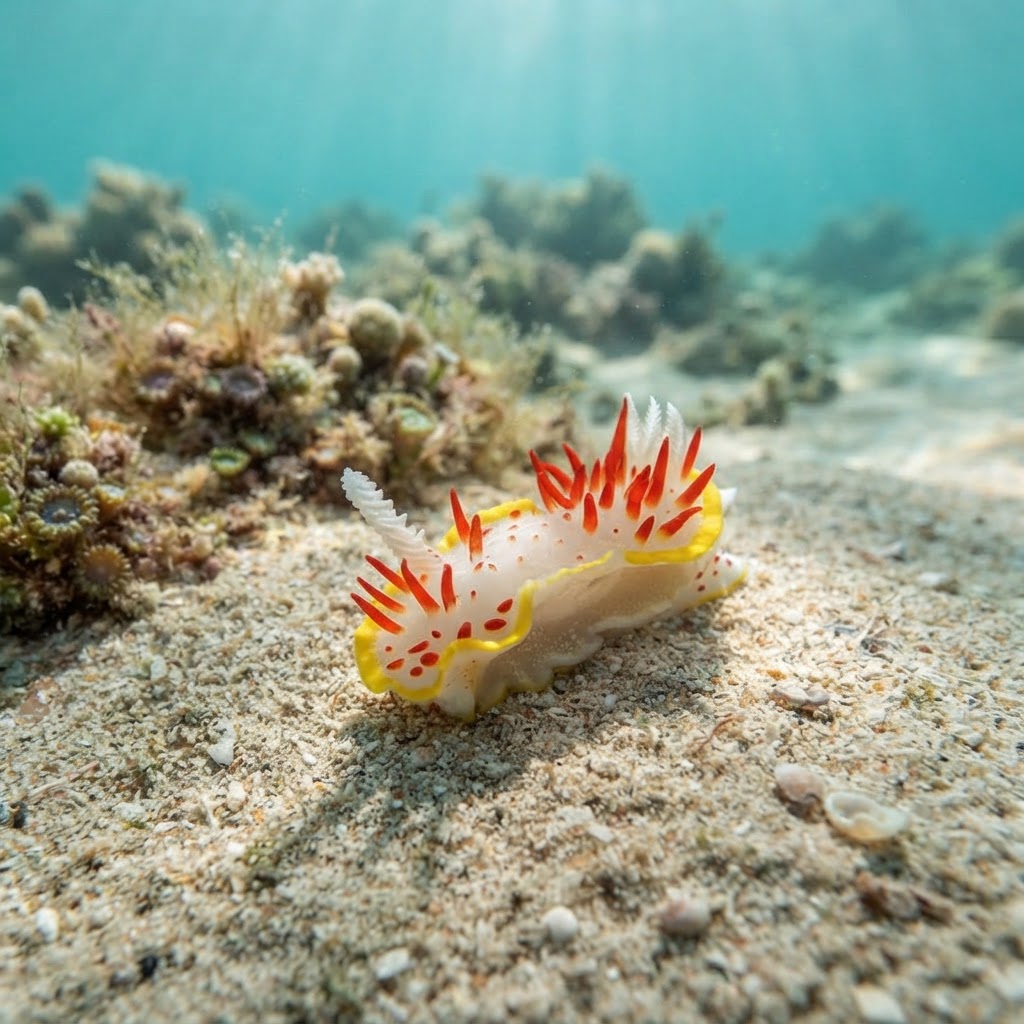
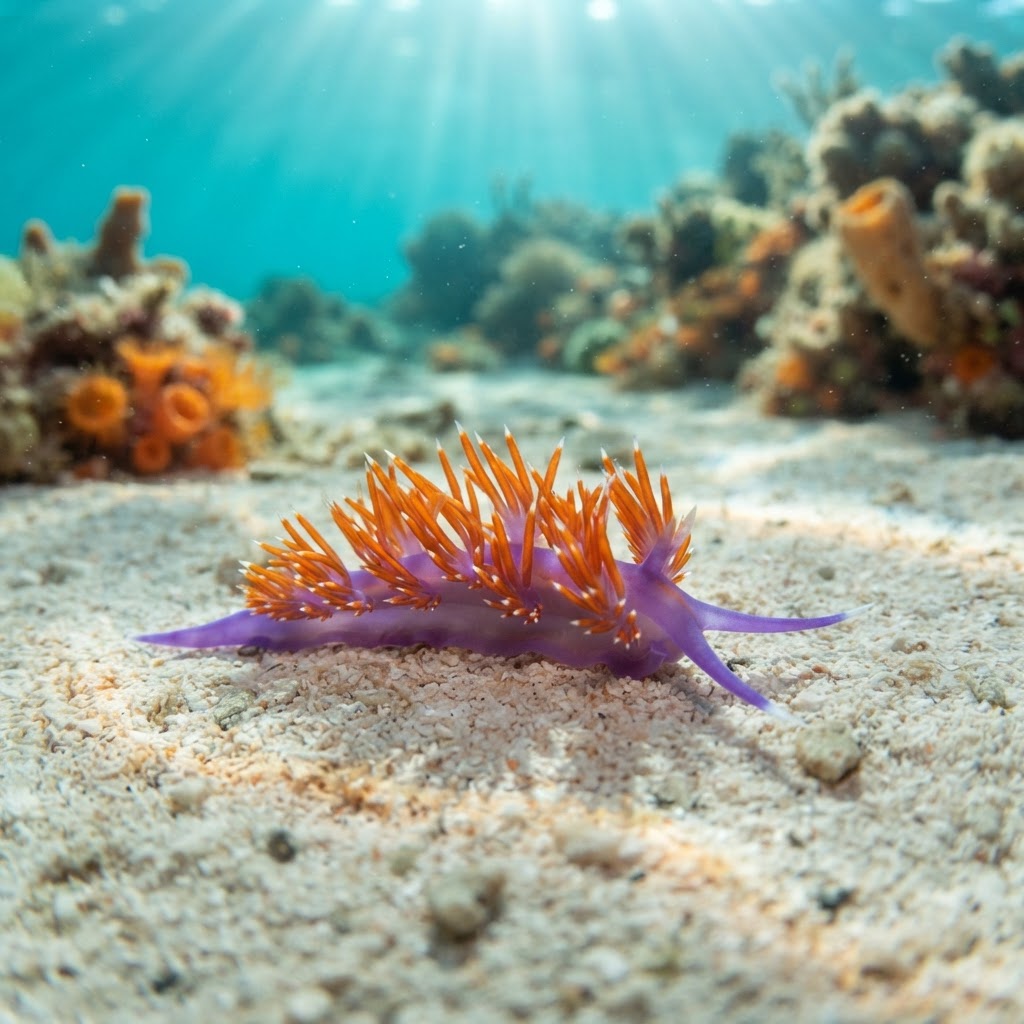
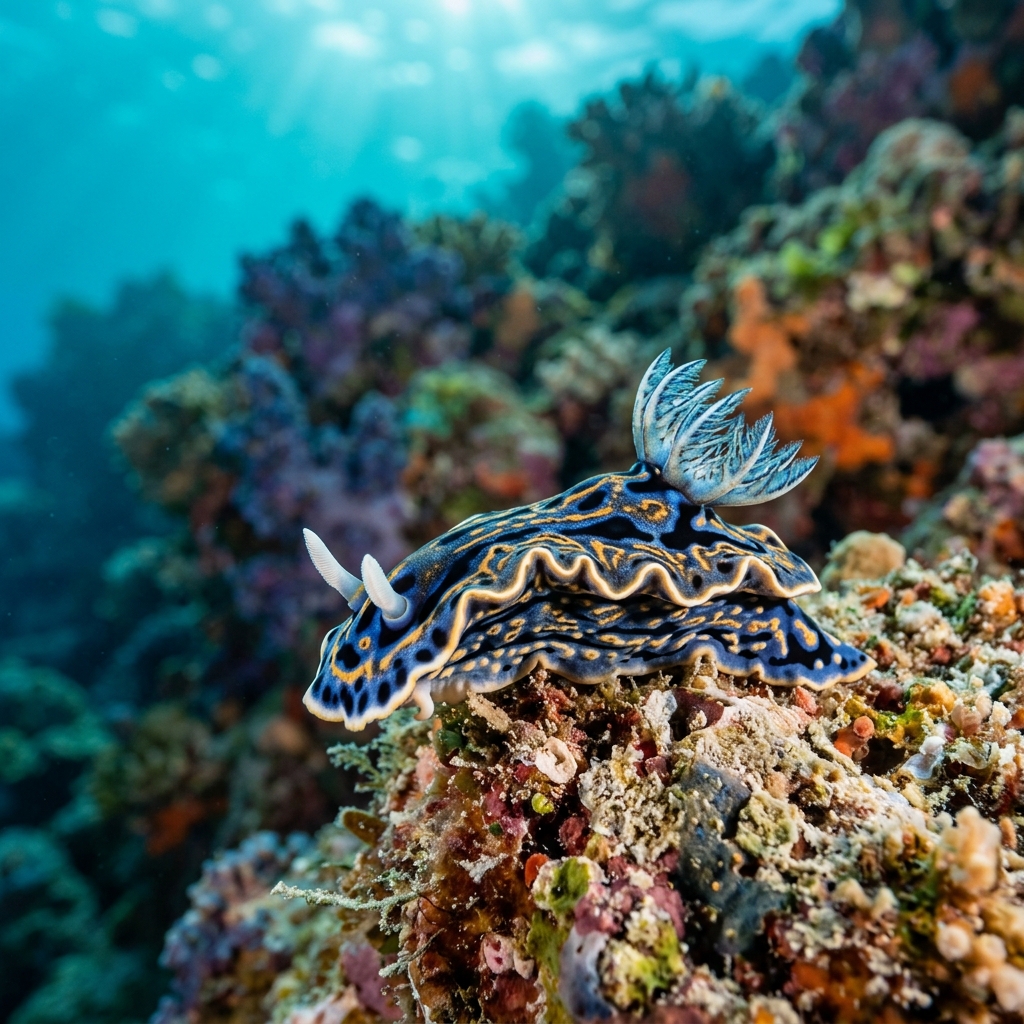
Reef neighbours a diver could mistake it for. Use the identification notes above to tell them apart.
Every logged sighting of this species so far comes from Mindanao in the Philippines, making it the only confirmed region for this nudibranch. If you're hunting for it specifically, Mindanao's muck and reef sites are currently the only known bet.
Mapping where Tenellia Bughaw is logged…
All confirmed sightings so far are from Mindanao in the Philippines. It hasn't been logged elsewhere, so Mindanao is currently the only known region to search for it.
There's no clear season in the sighting data, and the observed water temperature range fits Mindanao's reefs year-round, so it can turn up in any month.
Look for a small, slender nudibranch with fine cerata covering its back, moving slowly across reef substrate. It lacks one single standout marking, so photographing it for comparison against similar trinchesiid species is the safest way to confirm ID.
Exact size data isn't available, but like most Tenellia species it's a small nudibranch best found by scanning closely rather than spotting from a distance.
Yes. Even at the handful of sites in Mindanao where it has been recorded, divers log it as rare, so finding one takes a patient, deliberate macro search rather than a casual reef swim.
Site and sighting data is aggregated from diver logs, iNaturalist and GBIF. For taxonomy and conservation status:
Blue Dragon
3,163 sites