Gibbonsia elegans
A small, colour-shifting fish tucked into California kelp forests, water 13 to 22C, present year-round on a close look.
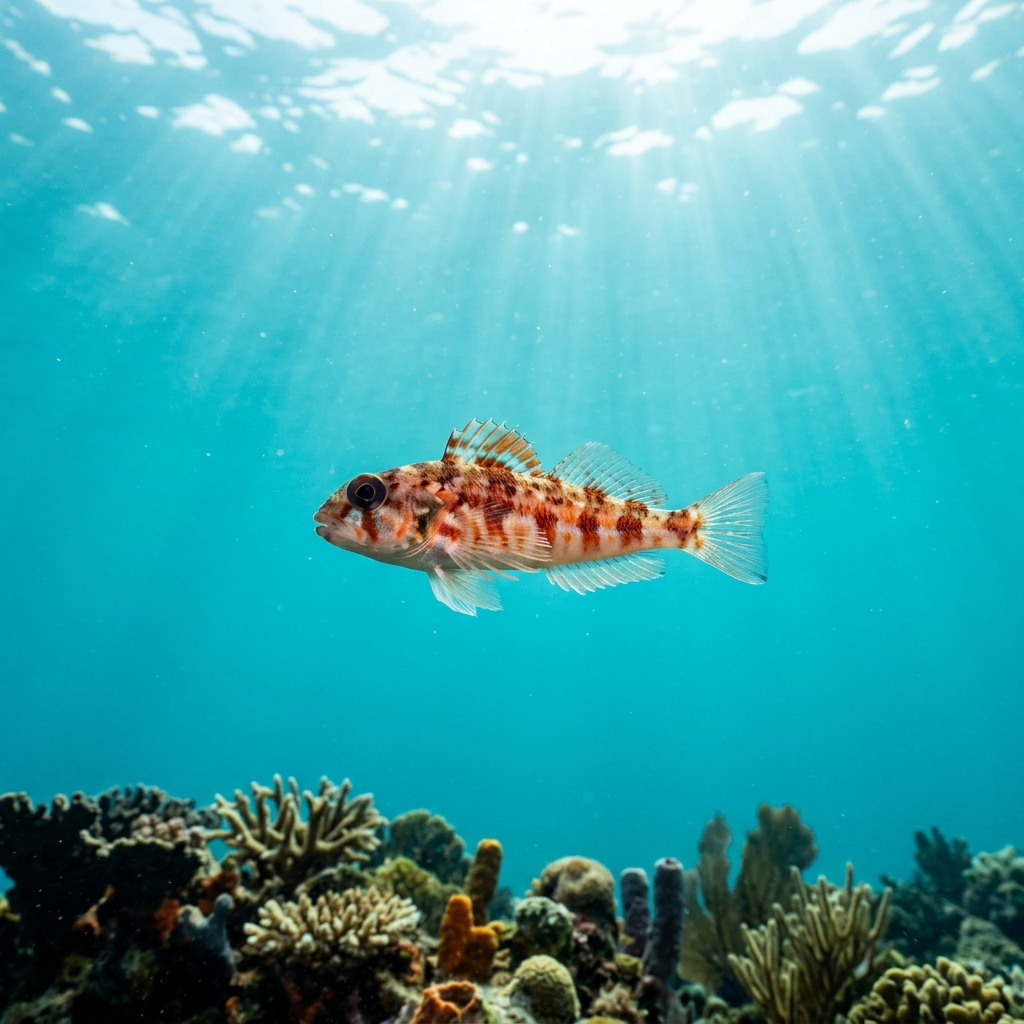
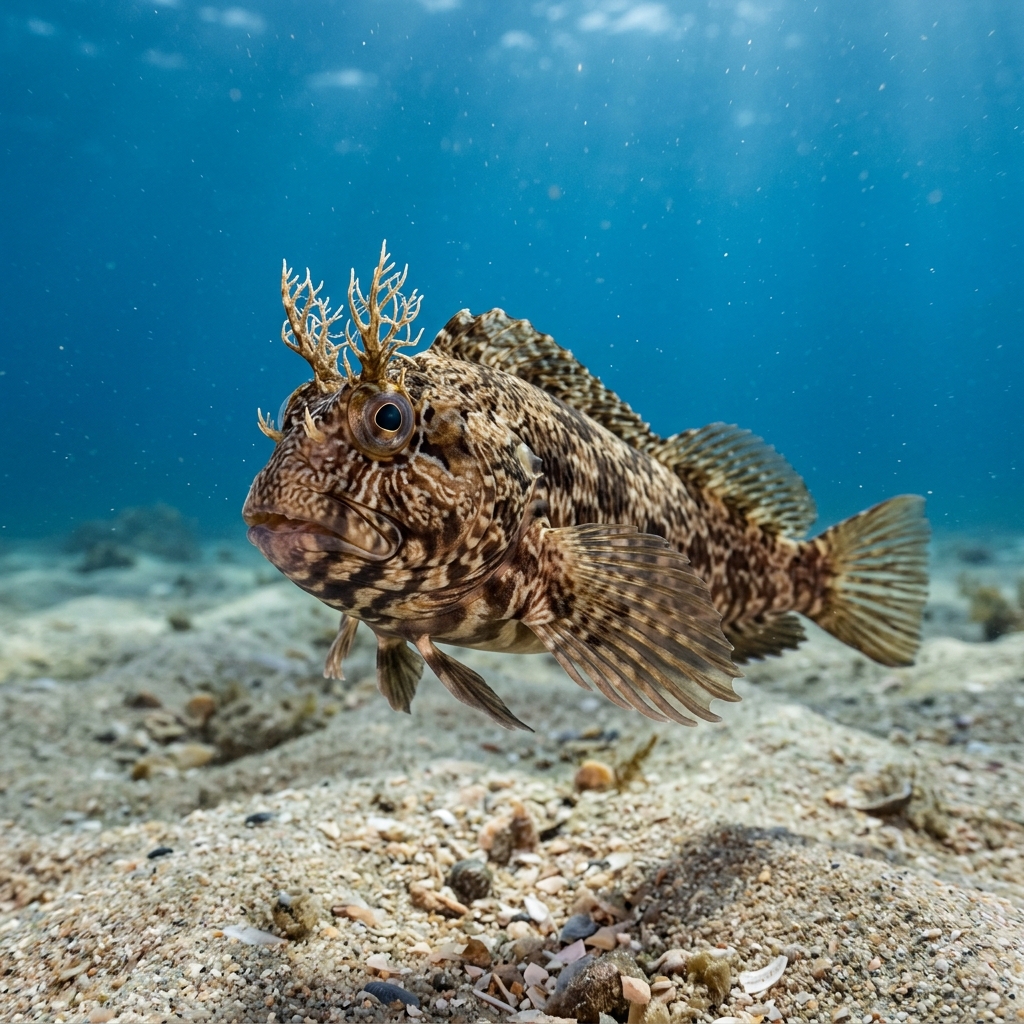
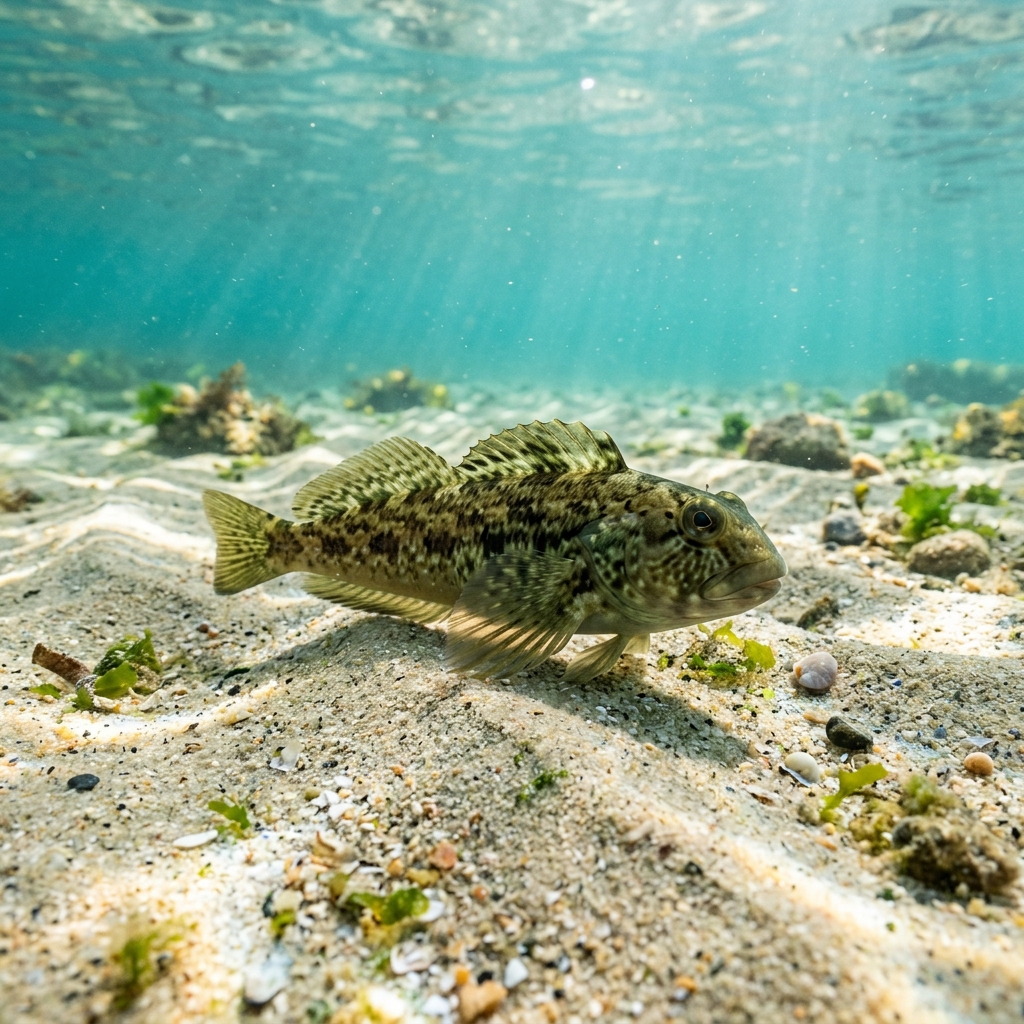
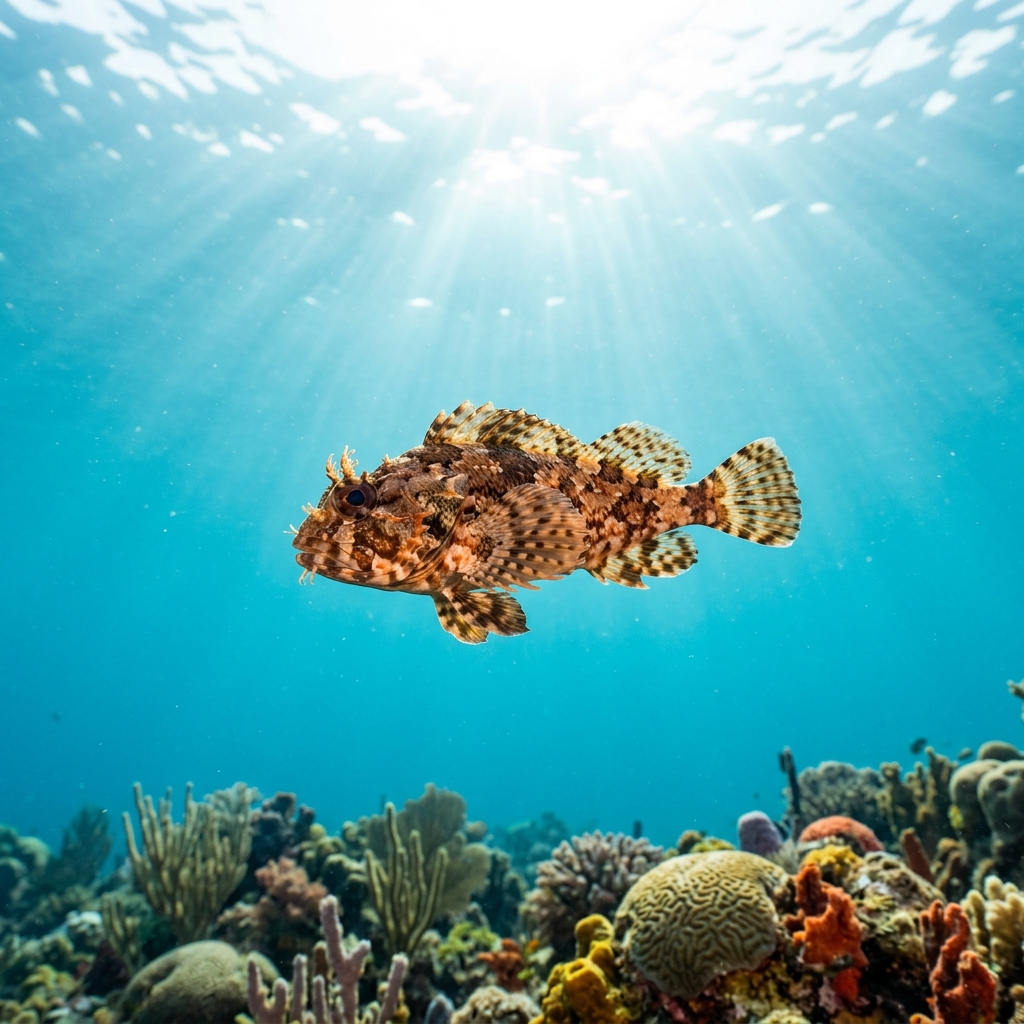
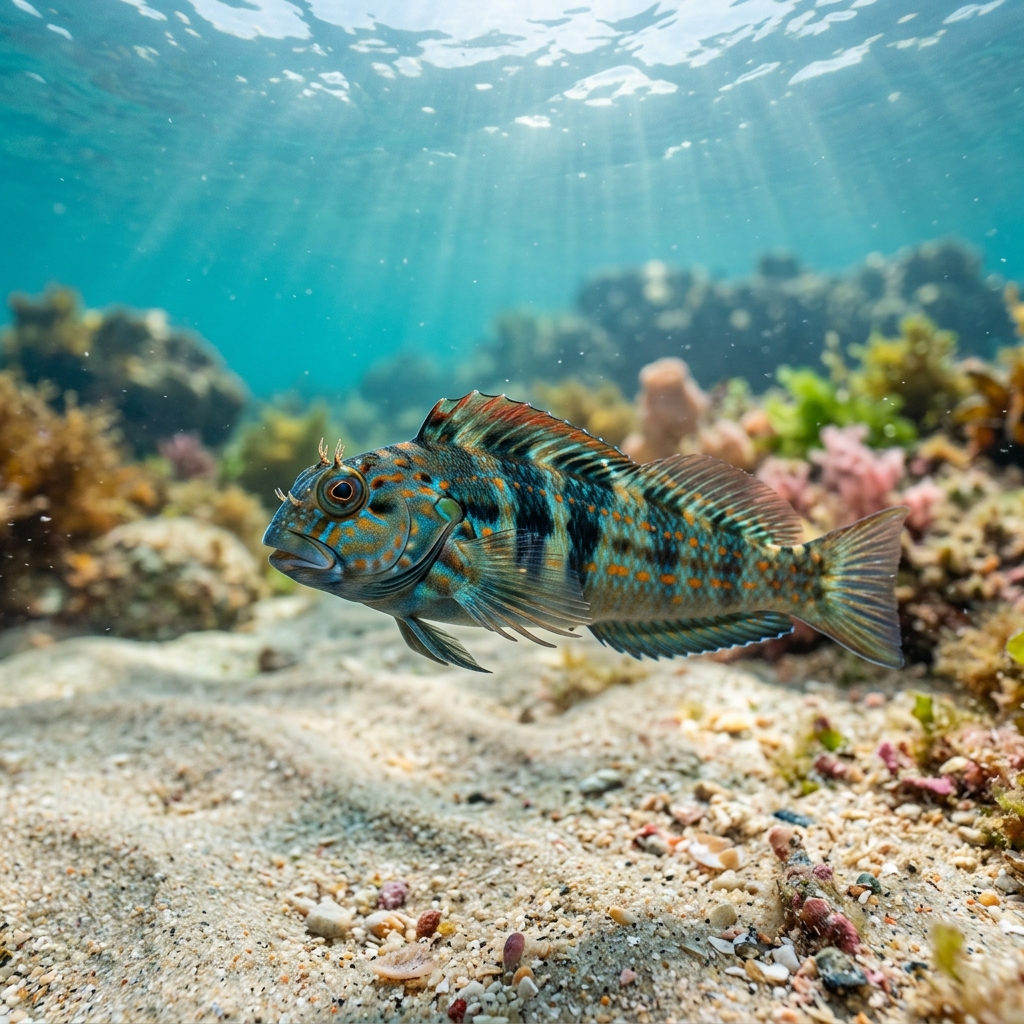
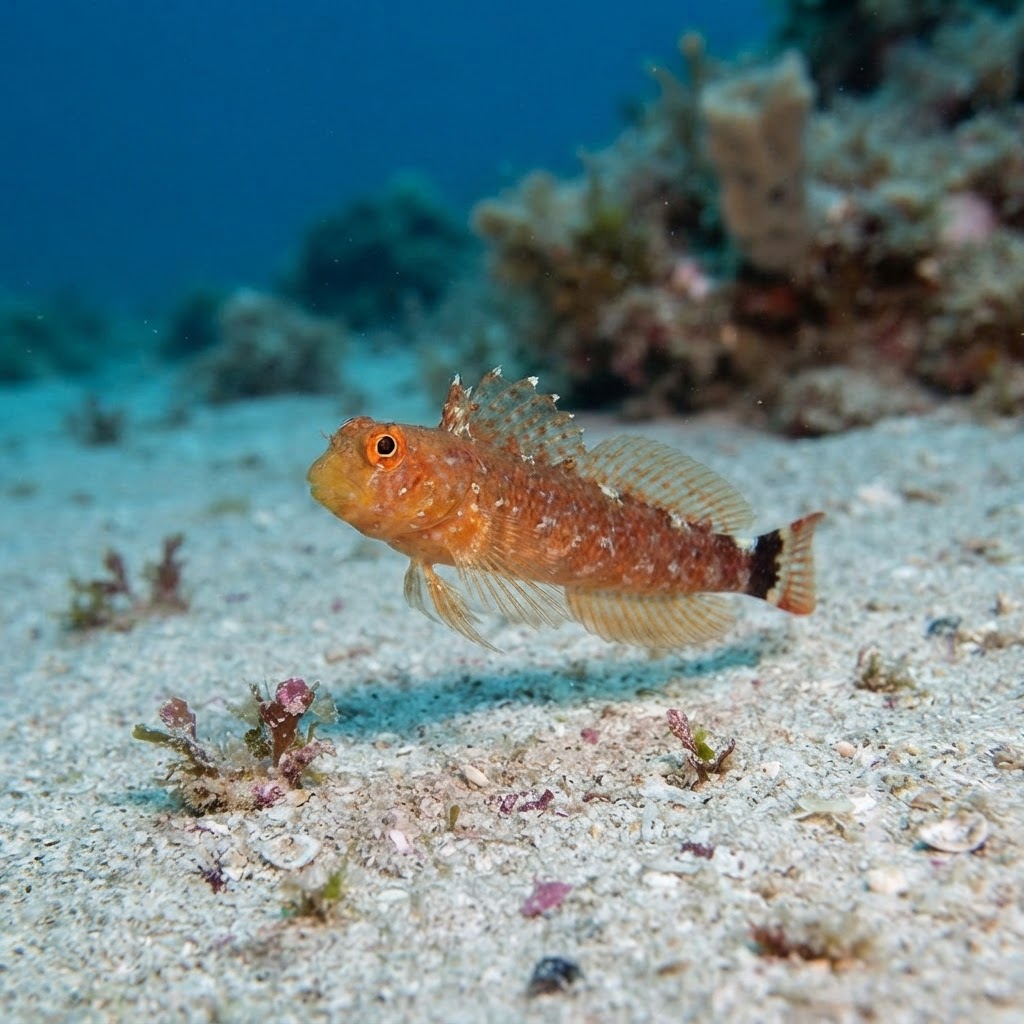
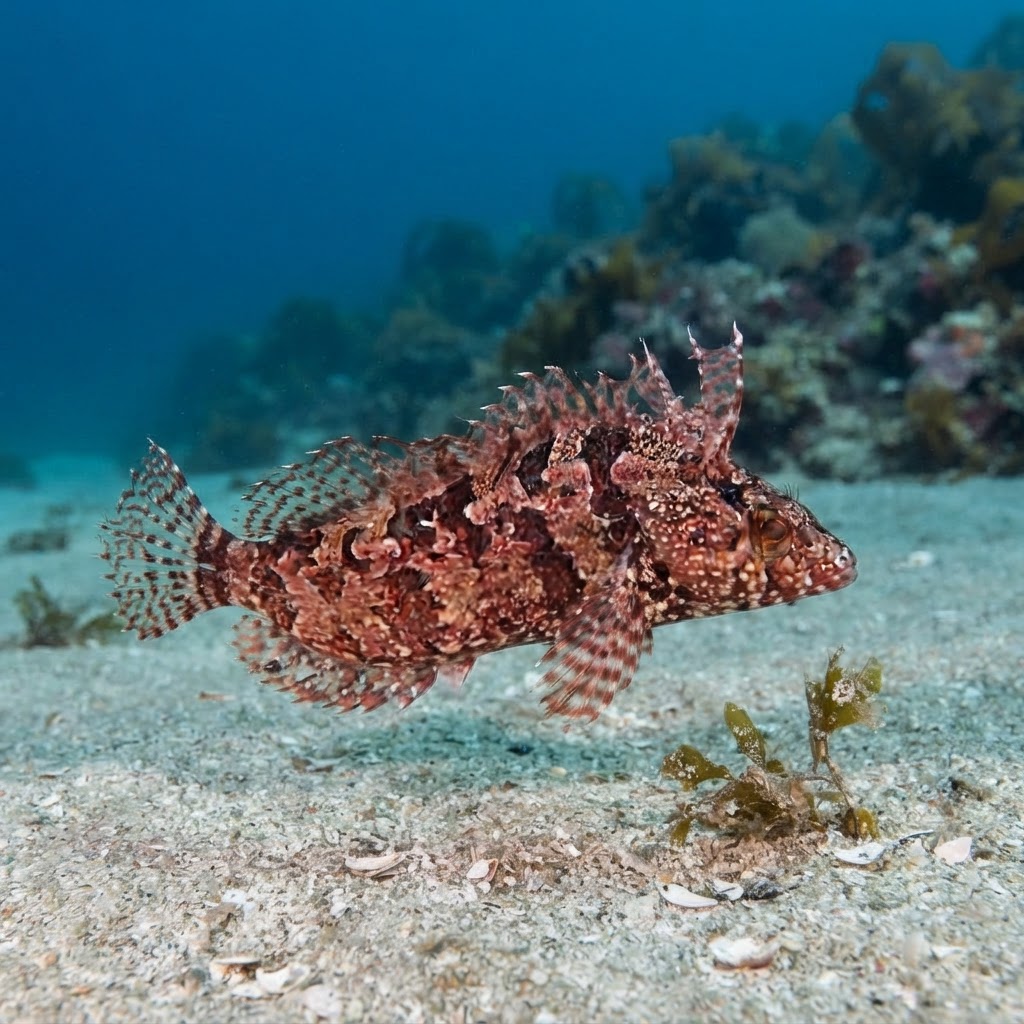
Tops out around 11 cm, with a slender, tapering body that lies flat against kelp blades or rock rather than swimming freely in open water. Colour is the giveaway more than any single mark: it shifts between shades of brown, green, red or grey to match whatever weed or kelp it is sitting on, usually broken up with fine mottling and faint spots rather than bold bars. Look for a small fish that seems to disappear onto the plant it is resting on until it moves.
Divers usually find it perched motionless on a kelp blade or tucked against rock and algae, relying on its colour match to sit still rather than dart off. It is logged as uncommon at most sites where it appears, so it rewards divers who slow down and scan kelp fronds closely instead of just swimming past. When approached too fast it will dip out of sight into the kelp canopy rather than bolt across open water.
Its ability to shift body colour to match the seaweed or kelp it is resting on is a real camouflage trick, not just a fixed colour pattern, which is why the same individual can look brown on one dive and greenish on another.
Sightings do not show a clear seasonal pattern, and the observed water temperature range of 13.2 to 21.6C spans California's typical winter-to-summer swing, so it turns up on kelp dives year-round rather than in one narrow window.
Every logged sighting in the data comes from the United States, and specifically California, where kelp forest and rocky reef sites along the coast turn it up with some regularity. There is no reported population outside California in this data, so it is very much a California kelp-diving target rather than a species to look for elsewhere.
Mapping where Spotted Kelpfish is logged…
California is the place to look, with kelp forest and rocky reef sites along the coast producing the most sightings. It has not been logged outside California in diver observation data.
There is no strong seasonal pattern in sightings, and the species is found across a wide temperature range from 13.2 to 21.6C, so California kelp divers can look for it on any dive through the year.
Look for a slim, roughly 11 cm fish lying flat against kelp blades or rock, coloured brown, green or reddish with fine mottling to match its perch. It relies on stillness and camouflage rather than swimming in the open, so it is easiest to spot by scanning kelp fronds closely.
They are small, reaching roughly 11 cm in length, which along with their colour-matching habit makes them easy to overlook on a kelp forest dive.
They can shift their body colour to blend with the specific seaweed or kelp blade they are resting on, so the same fish can look distinctly different in tone from one dive site to the next.
No, they pose no threat to divers. They are small, sedentary fish that rely on camouflage and stillness rather than any defensive behaviour toward people.
Site and sighting data is aggregated from diver logs, iNaturalist and GBIF. For taxonomy and conservation status:
Klipfish
1,860 sites