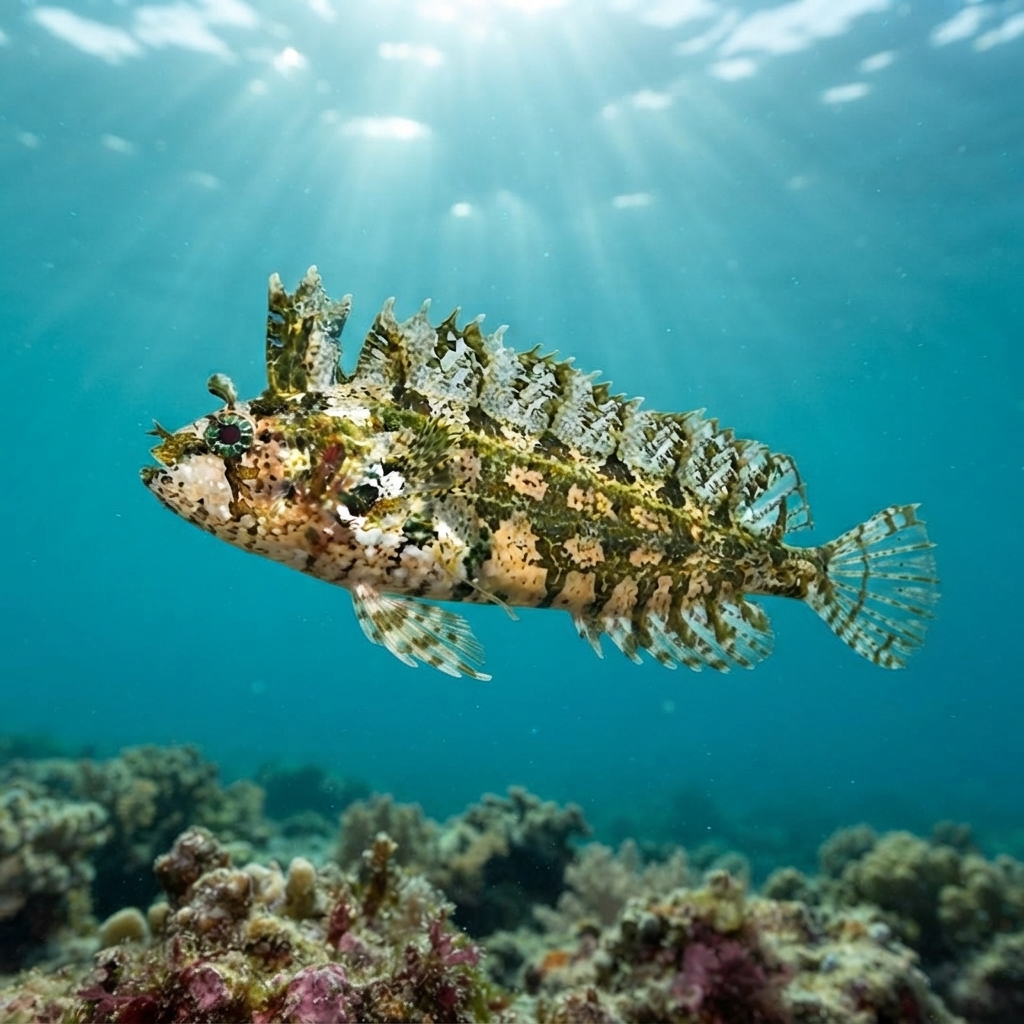
Heteroclinus roseus
A rare, pink-toned weedfish found on temperate reefs in South Australia and New South Wales, best spotted year-round in 21 to 28C water.
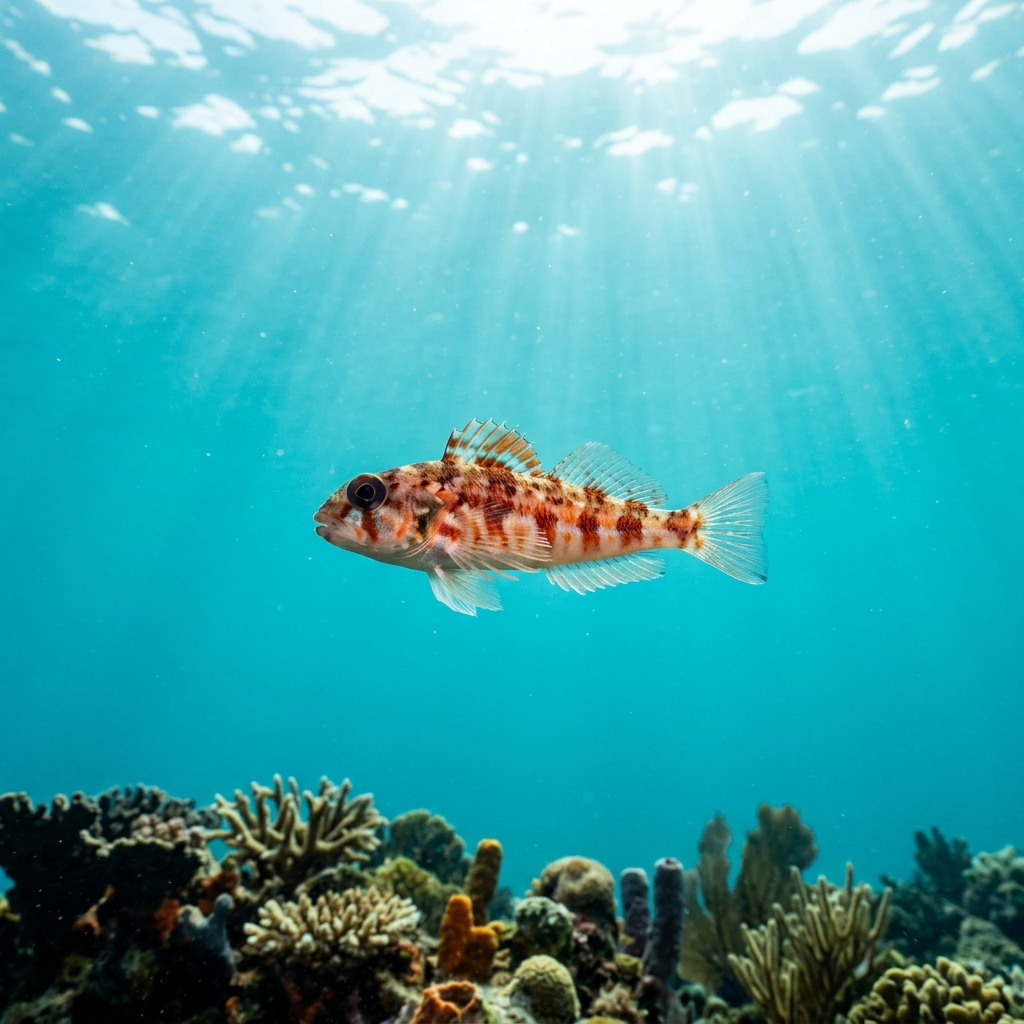
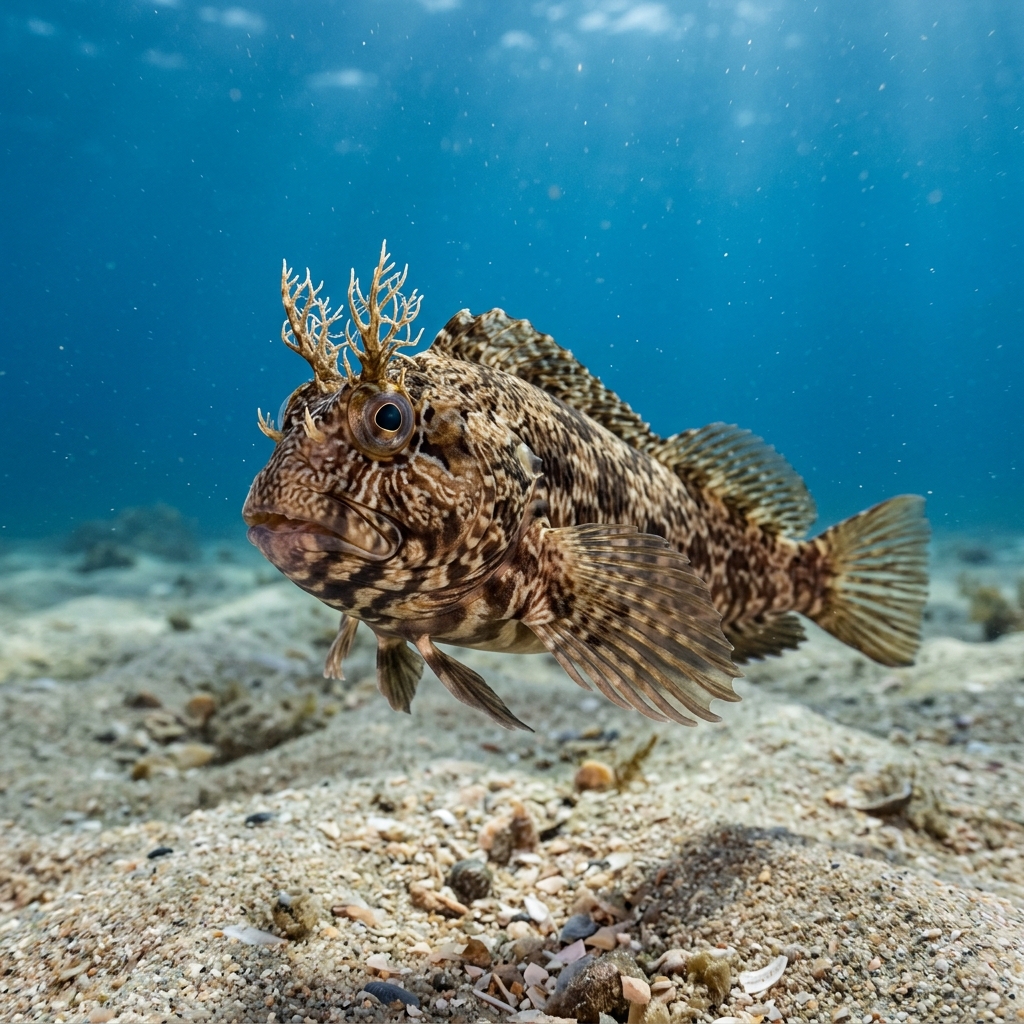
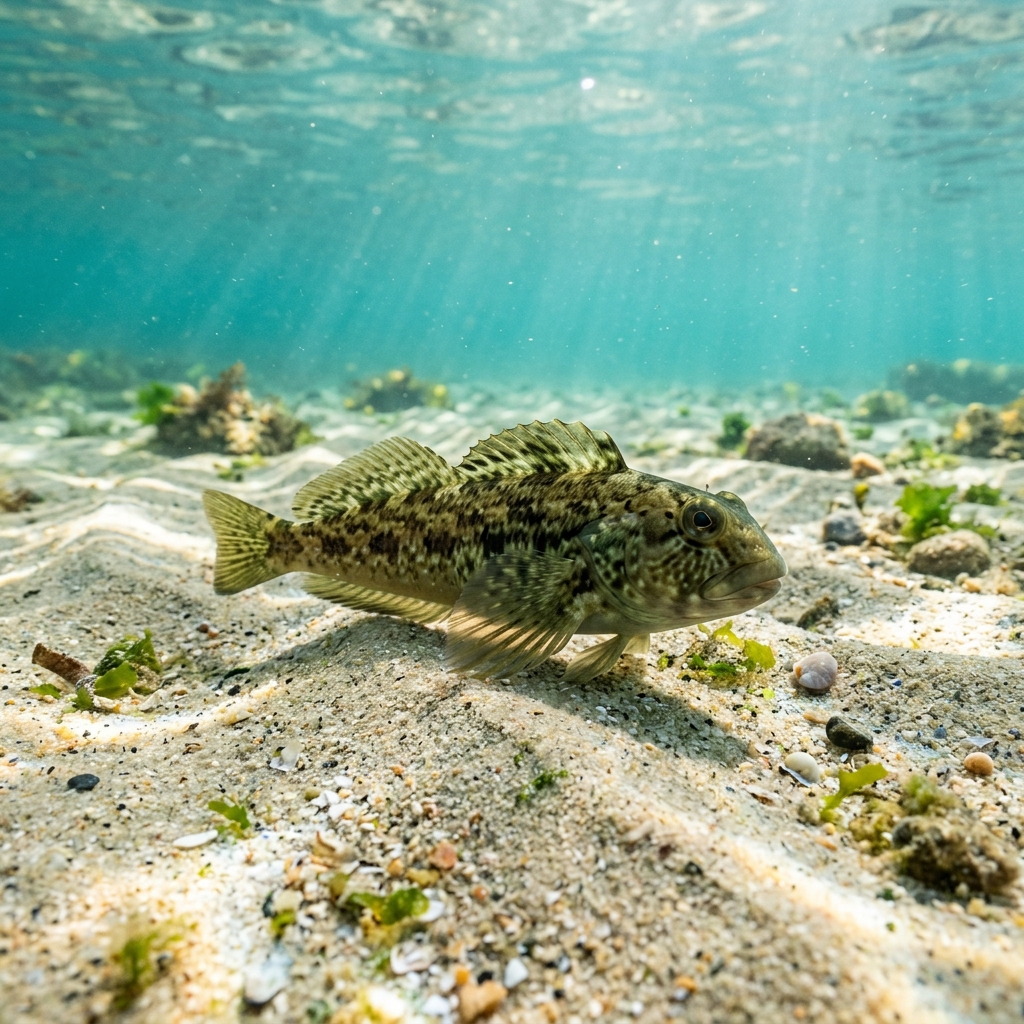
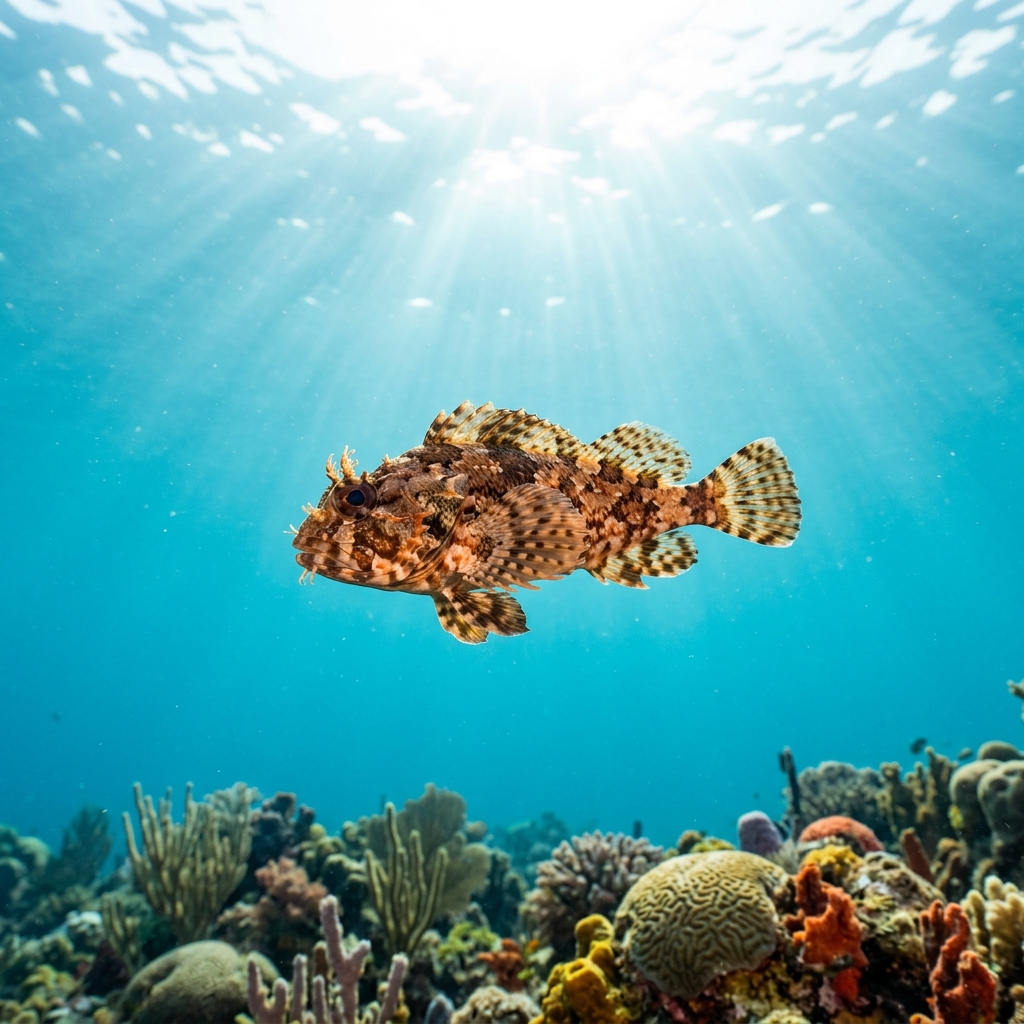
A small, slender fish reaching around 10 cm, with a soft pinkish to reddish-rose body that helps it blend into algae and weed beds. Like other clinids it has an elongated body, a blunt head, and tends to perch or lie still on the substrate rather than swim in open water. Look closely among weed fronds and low reef structure rather than scanning open sand, since its colour and stillness make it easy to swim past.
Divers typically find this fish sitting motionless among weed and algae rather than cruising the reef, relying on its rosy colouring to disappear against similar-toned growth. It doesn't school or interact with divers, and sightings tend to be a matter of spotting one holding still rather than watching active behaviour.
Like other clinids, it likely relies almost entirely on camouflage and stillness rather than speed to avoid predators, which is exactly why divers log it as rare even at sites where it's present.
No clear seasonal pattern shows up in the sighting data, and its temperature niche of 21.1 to 28.0C spans most of the diving calendar in these regions, so treat it as a year-round possibility rather than a seasonal target.
Logged only in Australia so far, with sightings split between South Australia and New South Wales. It turns up on temperate reef and weed habitat in both regions, though it's not reported in any real numbers at any single site.
Mapping where Rosy Weedfish is logged…
Sightings so far come only from Australia, split between South Australia and New South Wales. It's a low-density find at any given site, so treat any sighting as a bonus rather than a guarantee.
There's no detected seasonal pattern in sightings, and its recorded temperature range of 21.1 to 28.0C covers most of the year in the regions it's found, so it's considered a year-round possibility.
Look for a small, slender fish around 10 cm long with a rosy pink to reddish body, usually lying still among weed or algae rather than swimming in the open. Its colour and stillness are its main camouflage, so patient close scanning of weedy structure is key.
They're small, reaching around 10 cm in length, which combined with their camouflage colouring makes them easy to overlook on the reef.
Yes, current sighting data marks it as rare at most sites where it has been logged, with only a couple of sites reporting it as uncommon. Finding one takes a slow, close look through weed and algae rather than a casual reef swim.
Site and sighting data is aggregated from diver logs, iNaturalist and GBIF. For taxonomy and conservation status:
Rusty Blenny
2,605 sites