Rostanga crawfordi
A small red nudibranch logged mostly in Victoria, Australia, in cool water between 14.8 and 22C, usually turning up uncommon at most sites.
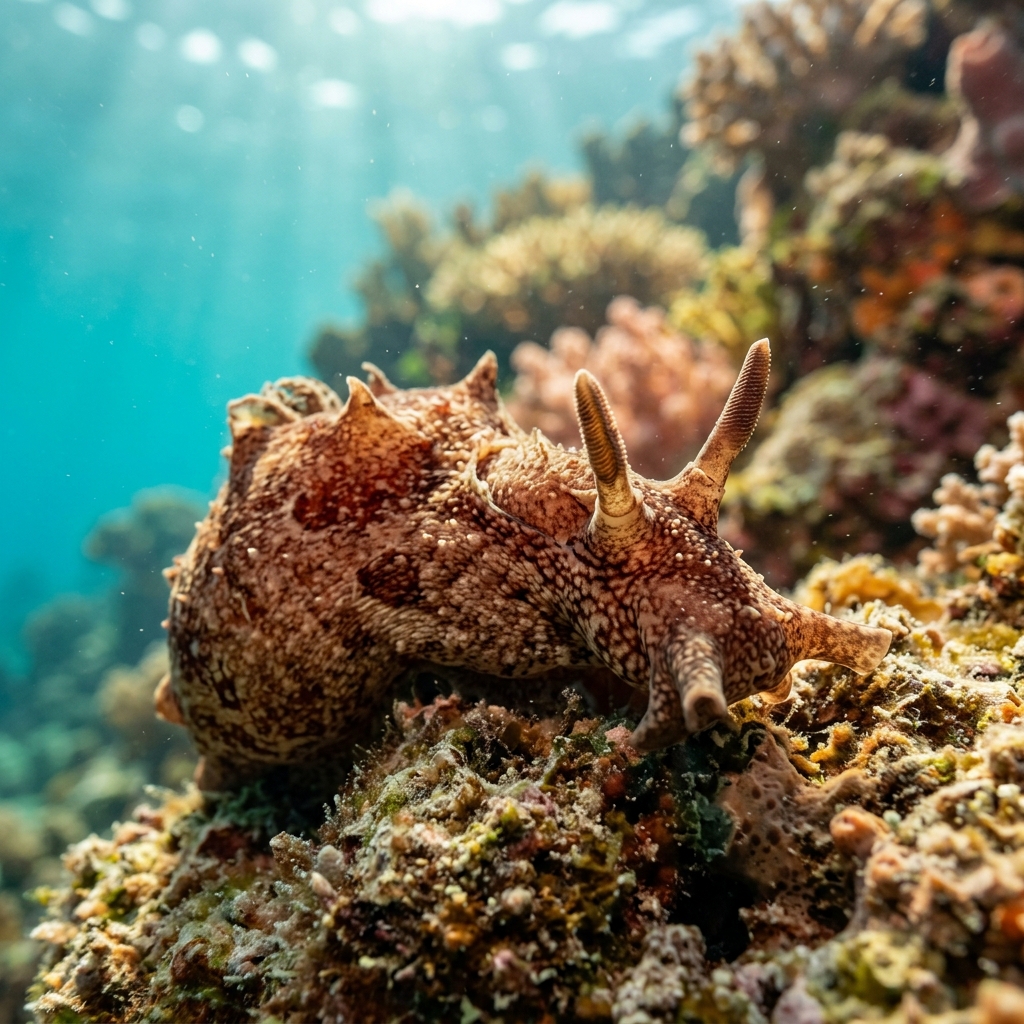
A small, low-profile nudibranch with a soft red to orange-red body that closely matches the colour of the sponge it sits on. The mantle is finely textured rather than smooth, helping it blend into its background rather than stand out. Look closely at sponge patches on rock and rubble reef rather than scanning open water, since this species relies on staying camouflaged.
This is a slow, sponge-grazing nudibranch that spends most of its time sitting still or creeping across the encrusting sponges it feeds on, matching its colour to its food source. It shows no real reaction to divers beyond continuing its slow crawl, and is more often found by careful reef scanning than by chance in open water. Most reports come from uncommon sightings at individual sites, so it rewards divers who take time to check sponge-covered rock and rubble patches closely.
Like many Rostanga species, its red colouring closely tracks the specific sponge species it feeds on, which is thought to help it stay hidden from predators while grazing.
Sightings don't show a concentrated season, and the species has been recorded across a wide temperature range from 14.8 to 22C, so it appears to be a year-round find in Victorian waters rather than a seasonal specialty.
Every logged sighting of Rostanga crawfordi in the data comes from Australia, with Victoria standing out as the clear stronghold for this species. Divers looking for it should focus on cool-temperate reef and rocky sites in that region rather than tropical destinations.
Mapping where Crawford's Rostanga is logged…
It's most reliably logged in Victoria, Australia, where all recorded sightings in the data come from. It has not been reported from other countries or regions so far.
There's no clear seasonal pattern in the sightings, and it has been recorded across a temperature range of 14.8 to 22C, suggesting it can be found year-round in Victorian waters.
Look for a small, red to orange-red nudibranch with a finely textured mantle sitting on encrusting sponge. It relies on camouflage rather than bold markings, so it's easy to miss unless you scan sponge patches closely.
No, this small nudibranch poses no danger to divers. It has no sting or bite of concern and simply grazes slowly on sponge.
Its red body colour is thought to closely match the sponge species it feeds on, a common trait in the Rostanga group that helps the nudibranch stay camouflaged while grazing.
Site and sighting data is aggregated from diver logs, iNaturalist and GBIF. For taxonomy and conservation status:
Light-spotted Aegires
3,168 sites