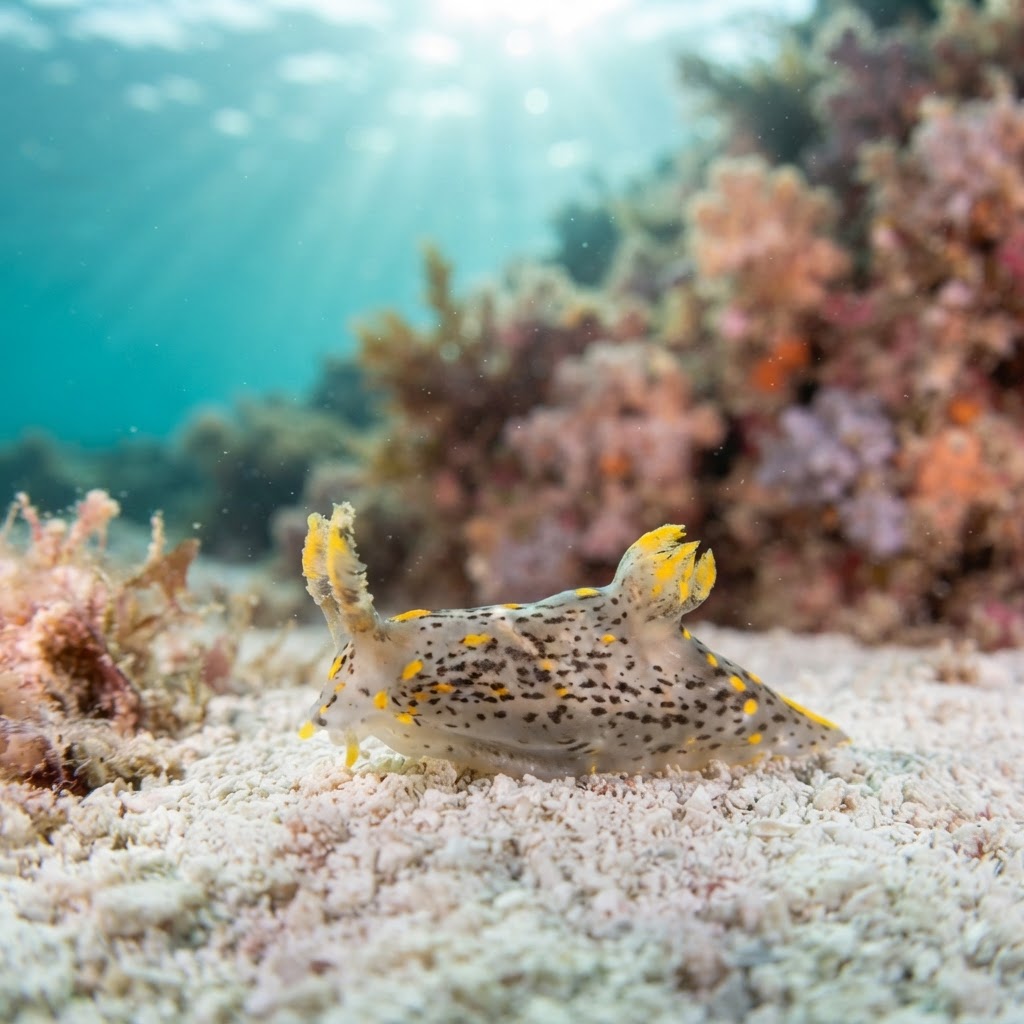
Polycera norvegica
A small, uncommon find in cold water: look for it on rocky reefs in Wales and Brittany, logged year-round between 9.5 and 15.5 C.
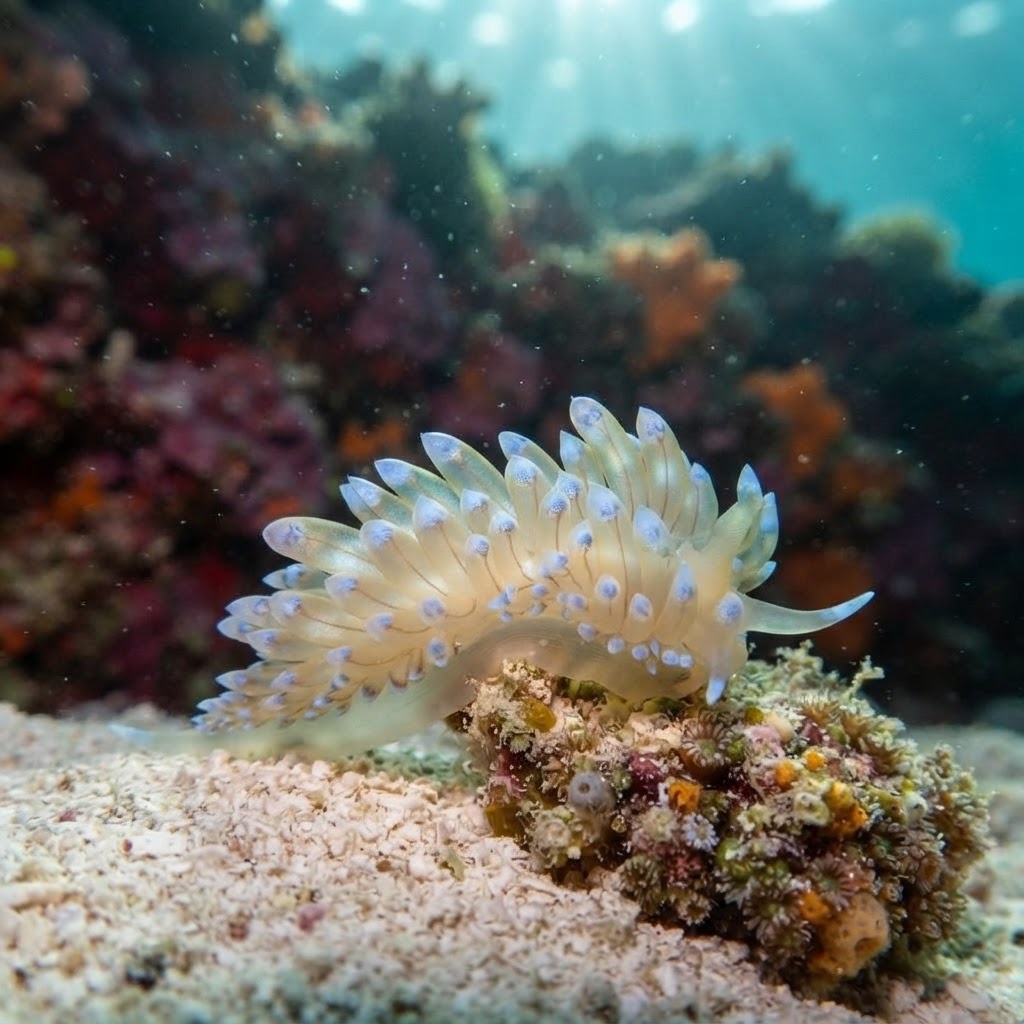
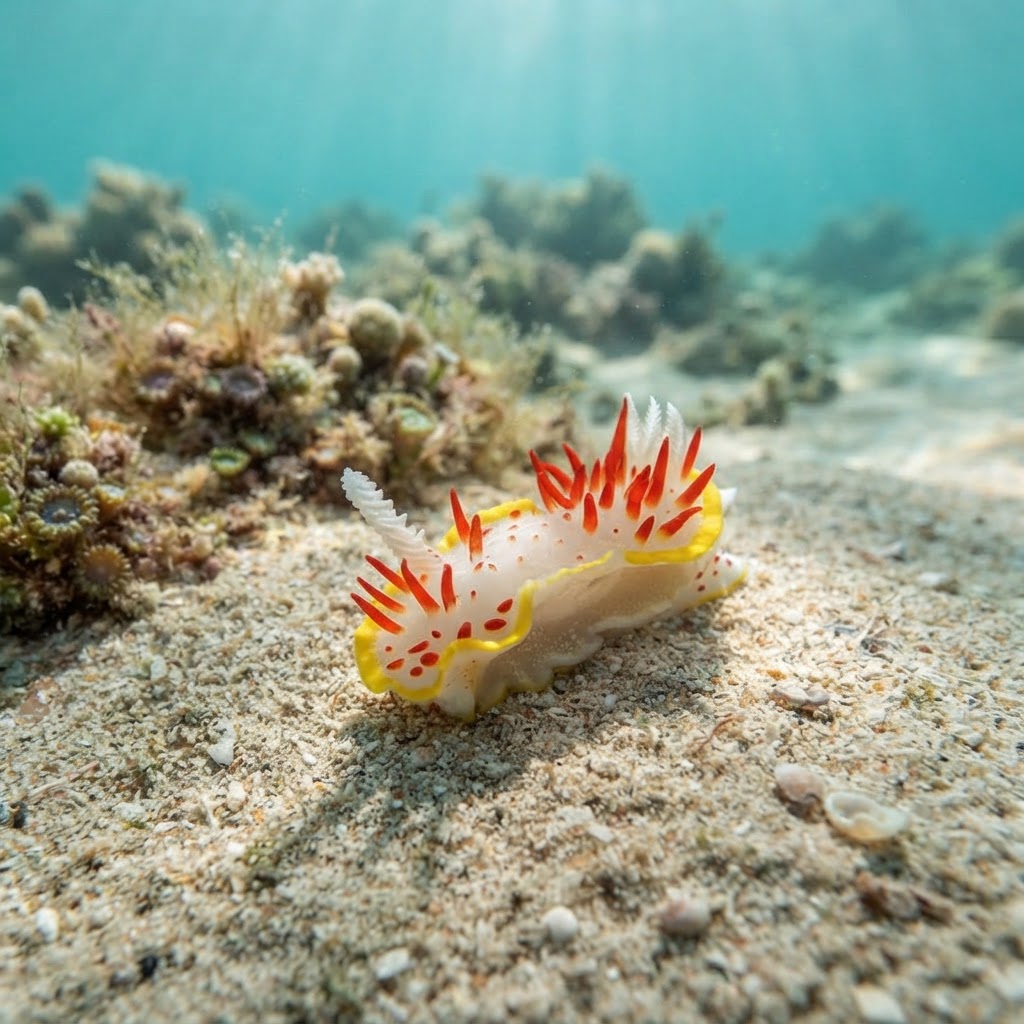
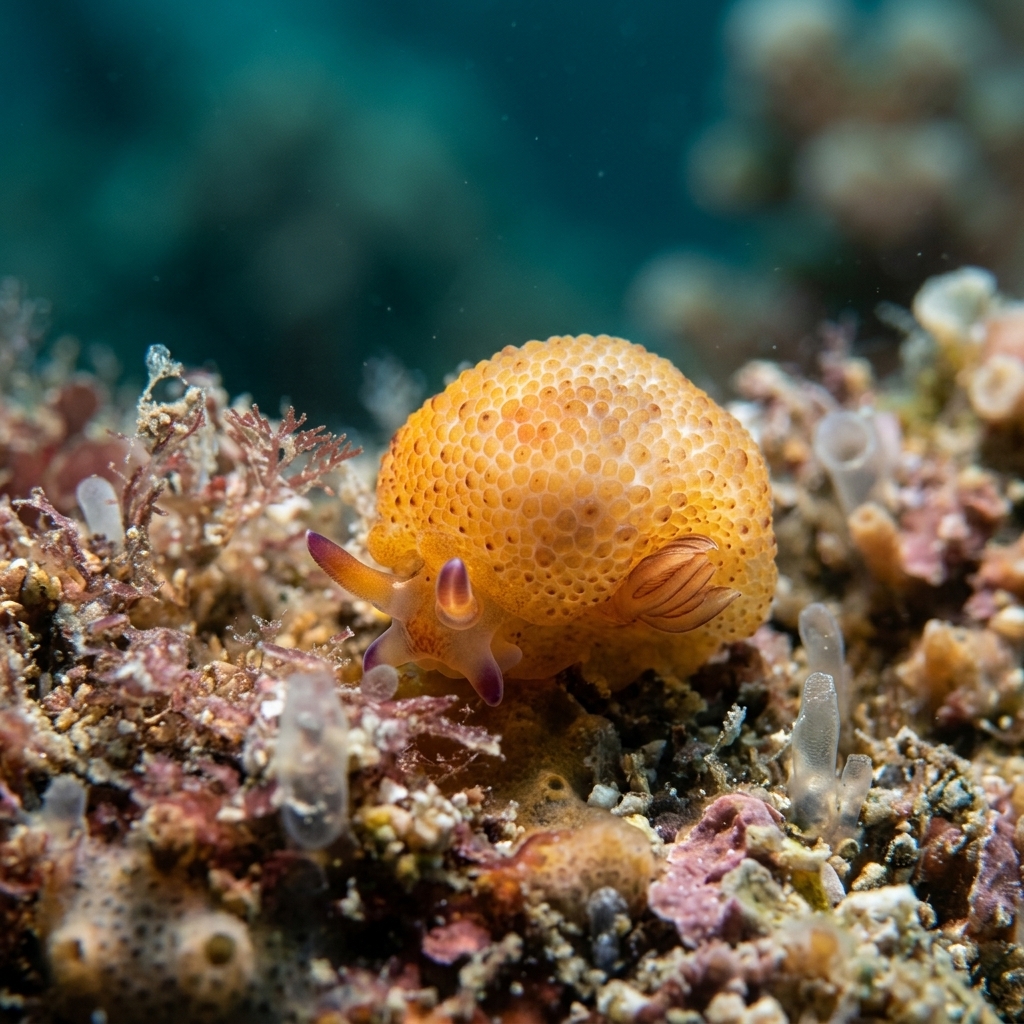
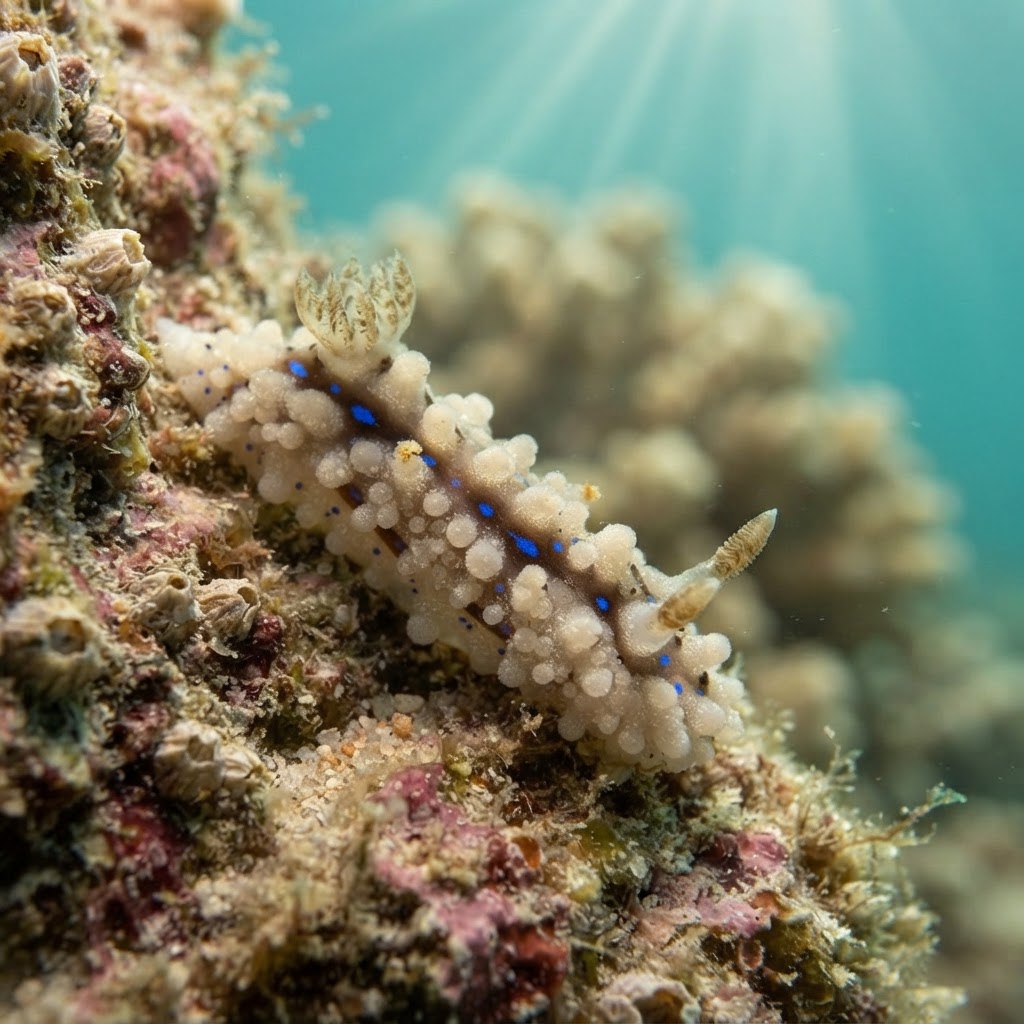
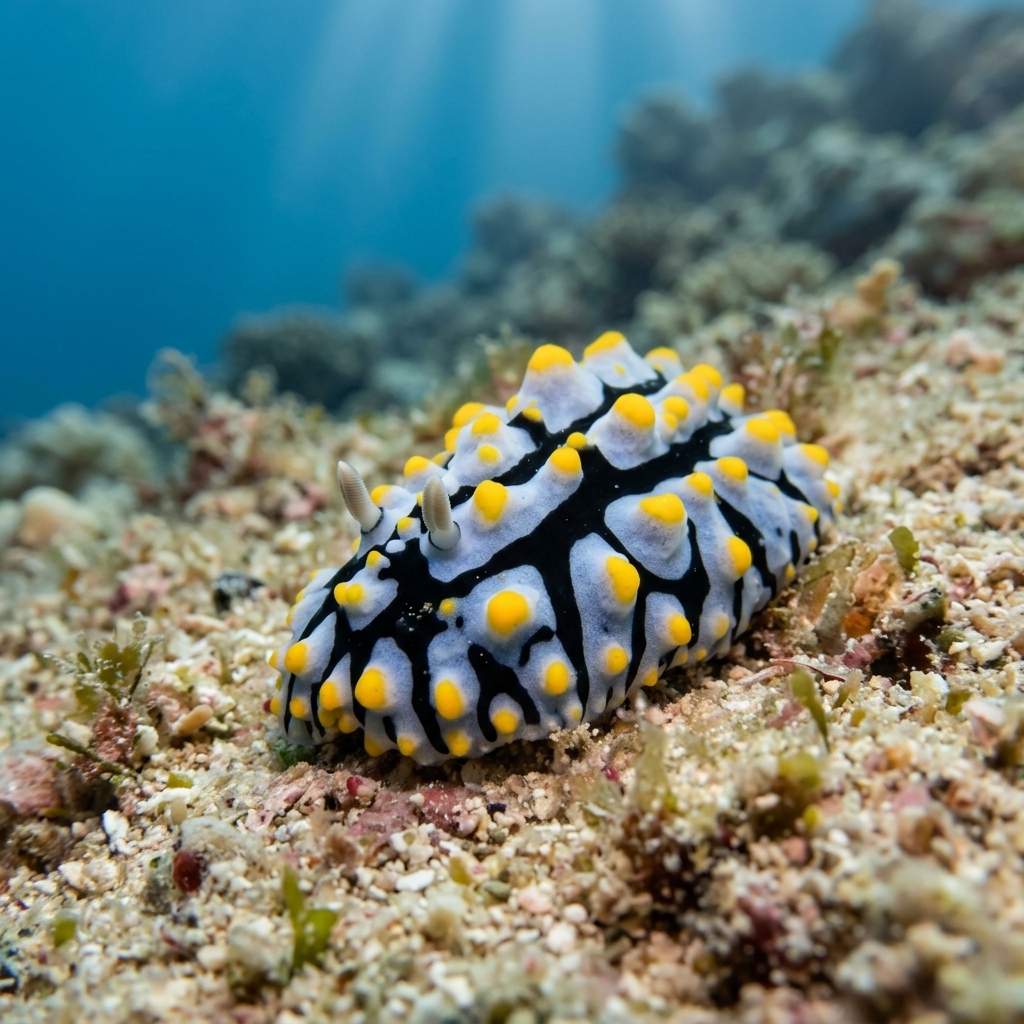
A small, slender sea slug with a translucent white to pale yellow body, best picked out by the yellow-tipped, finger-like projections (called papillae) along its back and the frilly gills near the tail. Two pairs of horn-like tentacles (rhinophores) on the head often carry the same yellow tips, giving it a speckled, high-contrast look against dark rock or weed. It stays small in the water, so divers usually spot it while scanning encrusted surfaces closely rather than from a distance.
Found grazing slowly over rock, kelp holdfasts and encrusted surfaces where its food organisms grow, moving little and giving divers plenty of time for a close look. It shows no reaction to divers beyond retracting its gills slightly if disturbed, and is usually found by torch light or close macro searching rather than mid-water sightings. Most logs describe it as an uncommon find, so a spotted individual is worth a slow, patient photo rather than a quick pass.
Like other nudibranchs, it feeds on encrusting animals such as hydroids or bryozoans, and its bright papillae likely help store or signal the presence of the stinging cells it borrows from its prey.
Sightings show no clear seasonal pattern, and with a comfort range of roughly 9.5 to 15.5 C it fits the cool water found off Wales and Brittany for much of the year, so it is worth looking for on any dive rather than a specific month.
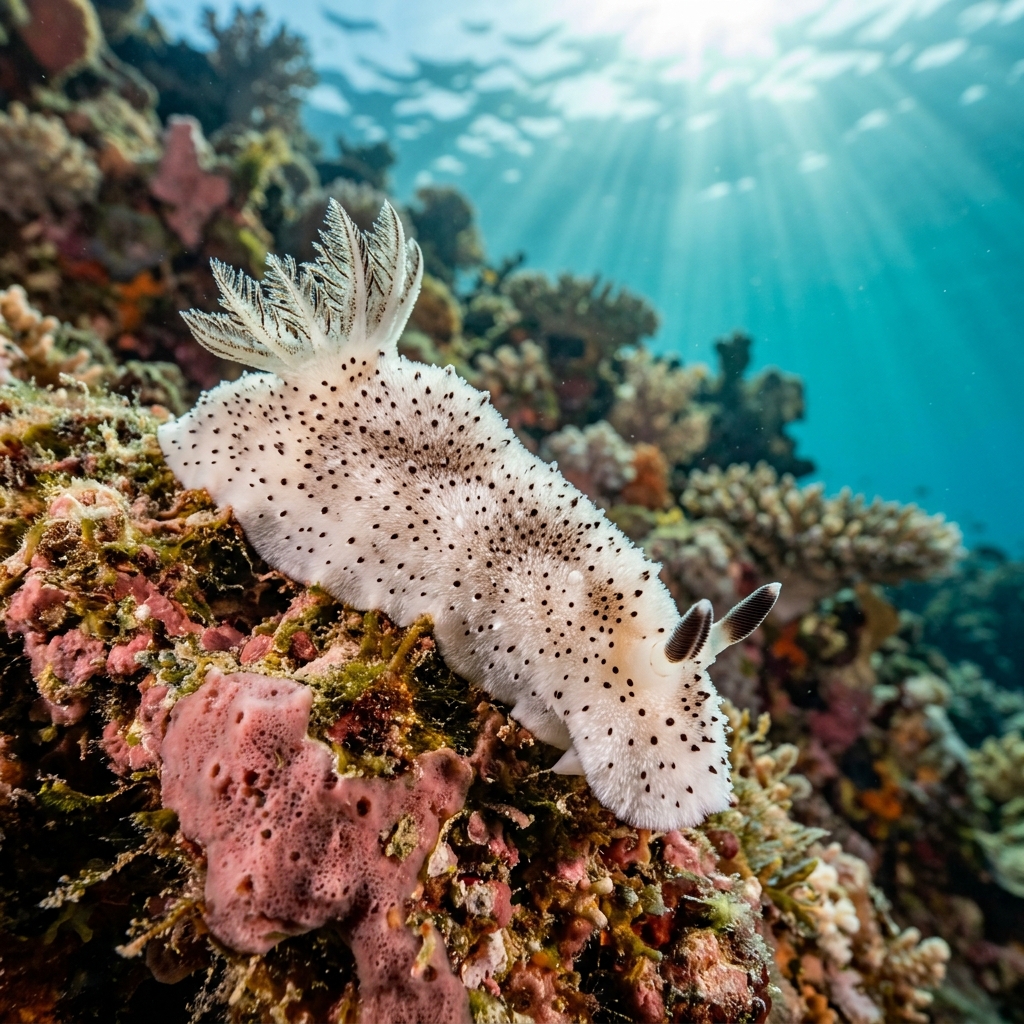
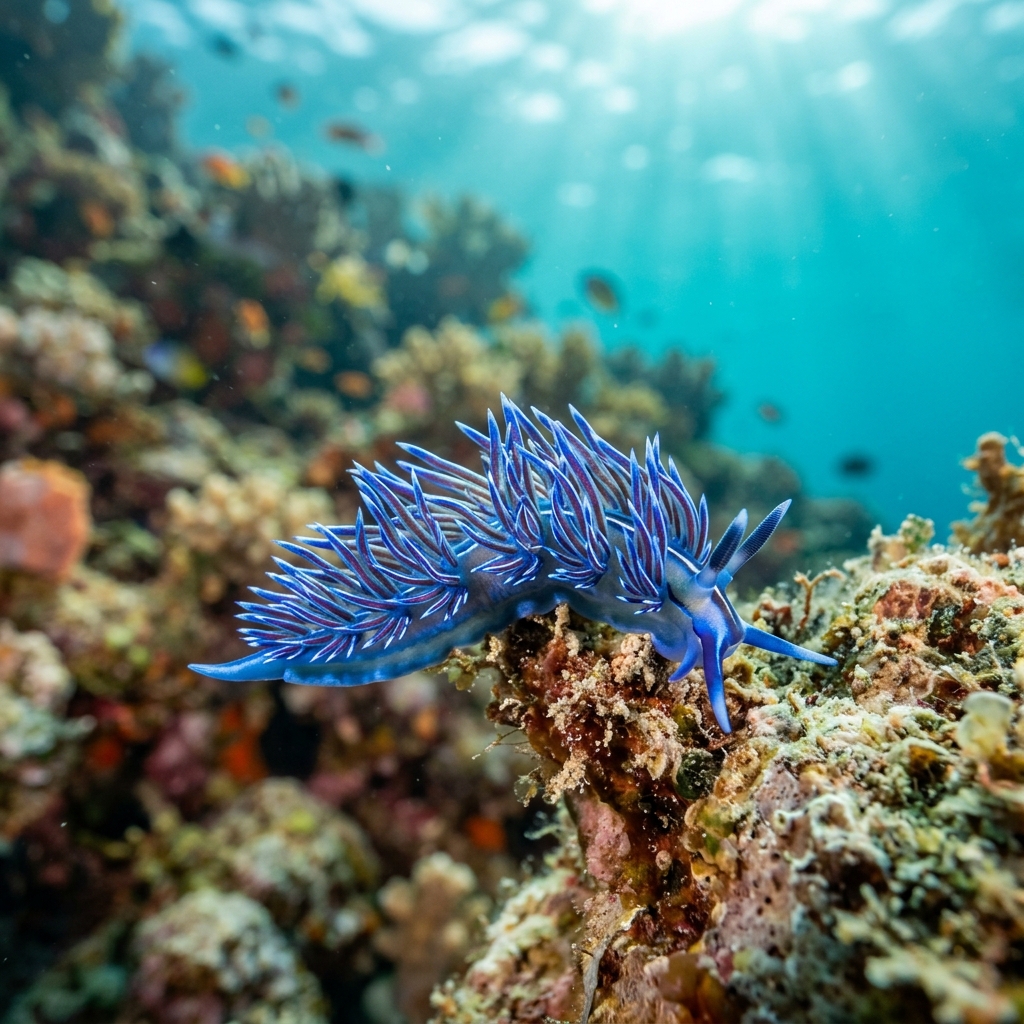
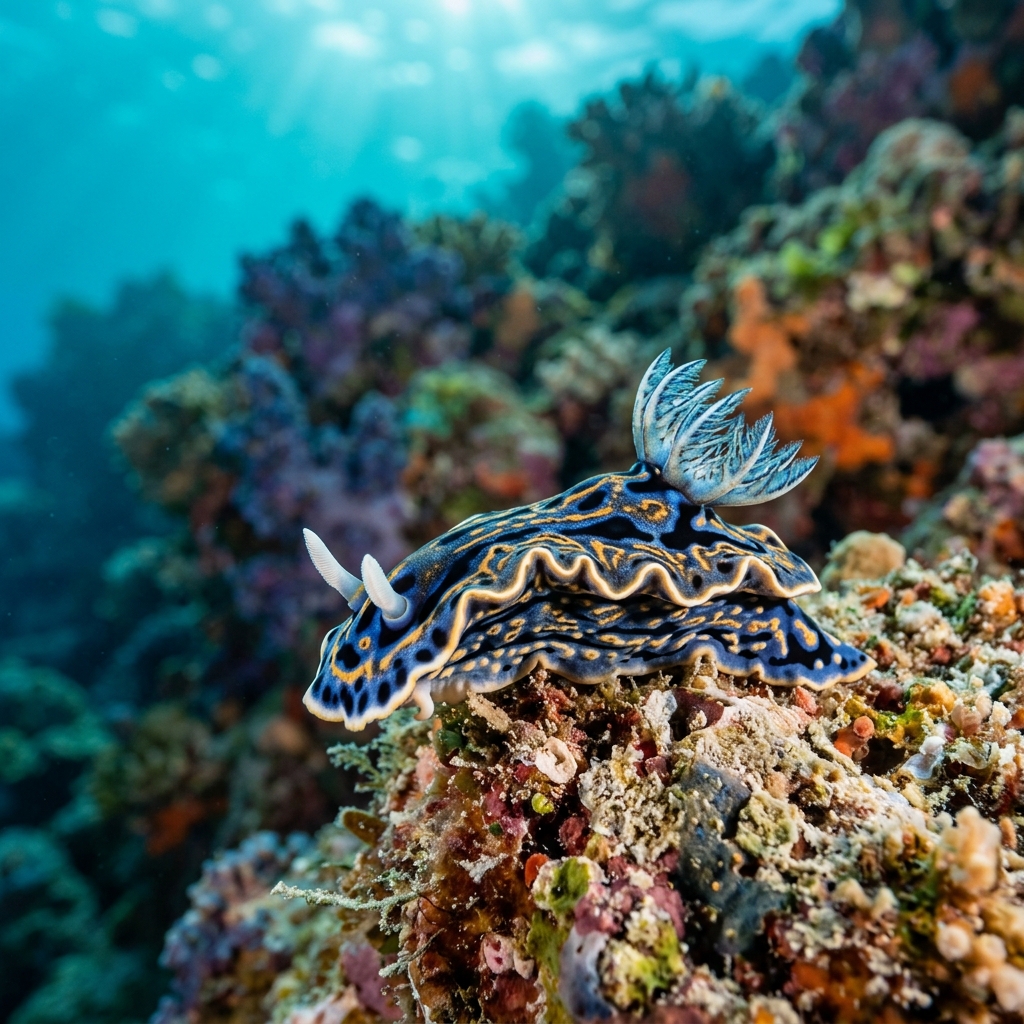
Reef neighbours a diver could mistake it for. Use the identification notes above to tell them apart.
Most reliably logged in the United Kingdom, especially Wales, with further records across England and Scotland. Brittany in France is the other strong area for this species, making the English Channel and Celtic Sea coasts the two main regions to search.
Mapping where Polycera norvegica is logged…
It is most often logged in Wales and elsewhere in the UK, plus Brittany in France. These cool-water coasts are the two main regions where divers report finding it.
There is no strong season in the sighting data, and it tolerates a wide cool-water range of about 9.5 to 15.5 C, so it can turn up on any dive through the year in its core regions.
Look for a small, translucent white to pale yellow slug with yellow-tipped papillae along its back and matching yellow tips on its head tentacles. It sits still on rock and weed, so a slow scan with a torch is the best way to spot one.
Exact size data is not confirmed, but like most Polycera species it stays small, likely in the centimetre range, and is found by close inspection of encrusted rock rather than spotted from distance.
No. It poses no threat to divers and is safe to observe and photograph up close without any special precautions.
Site and sighting data is aggregated from diver logs, iNaturalist and GBIF. For taxonomy and conservation status:
Blue Dragon
3,163 sites