Phanerodon vacca
Silvery, deep-bodied fish over California and British Columbia reefs, most often turning up as an uncommon find in cool 8.6-15.3C water.
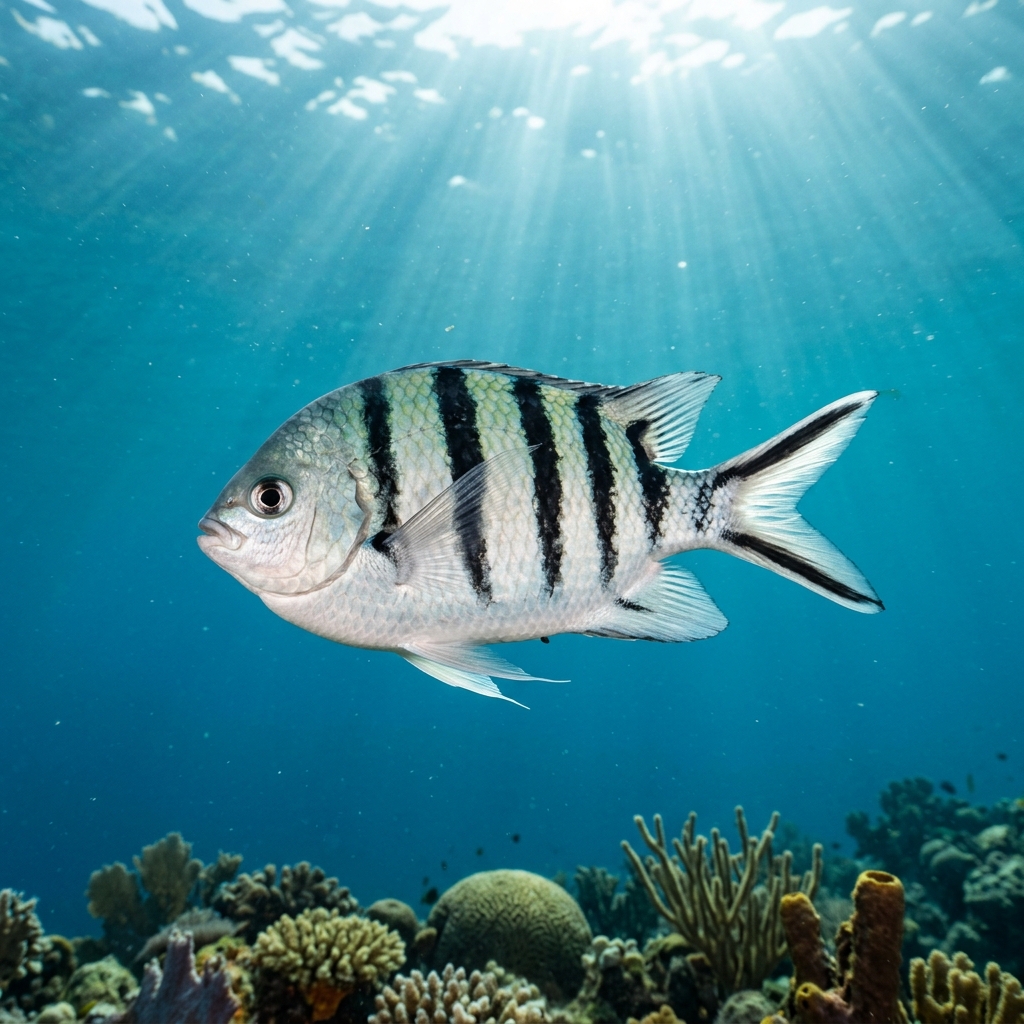
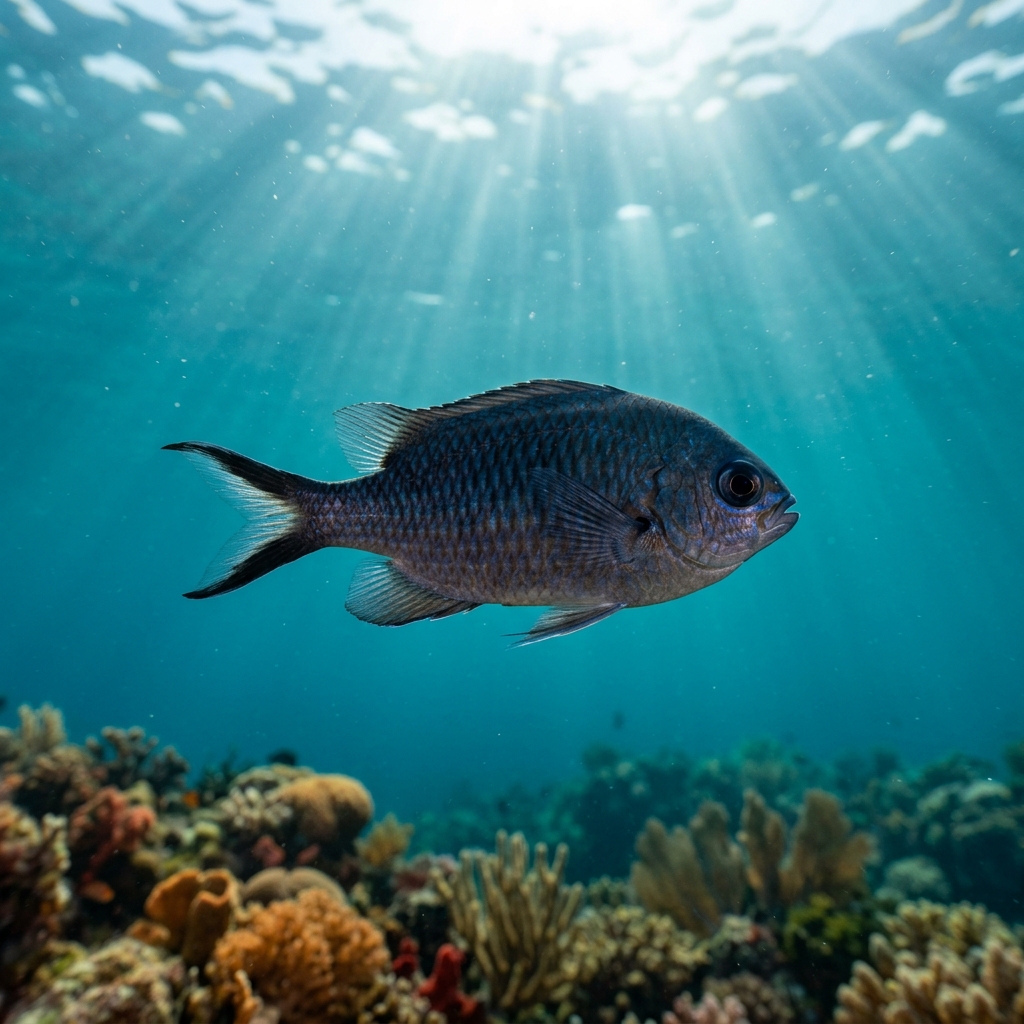
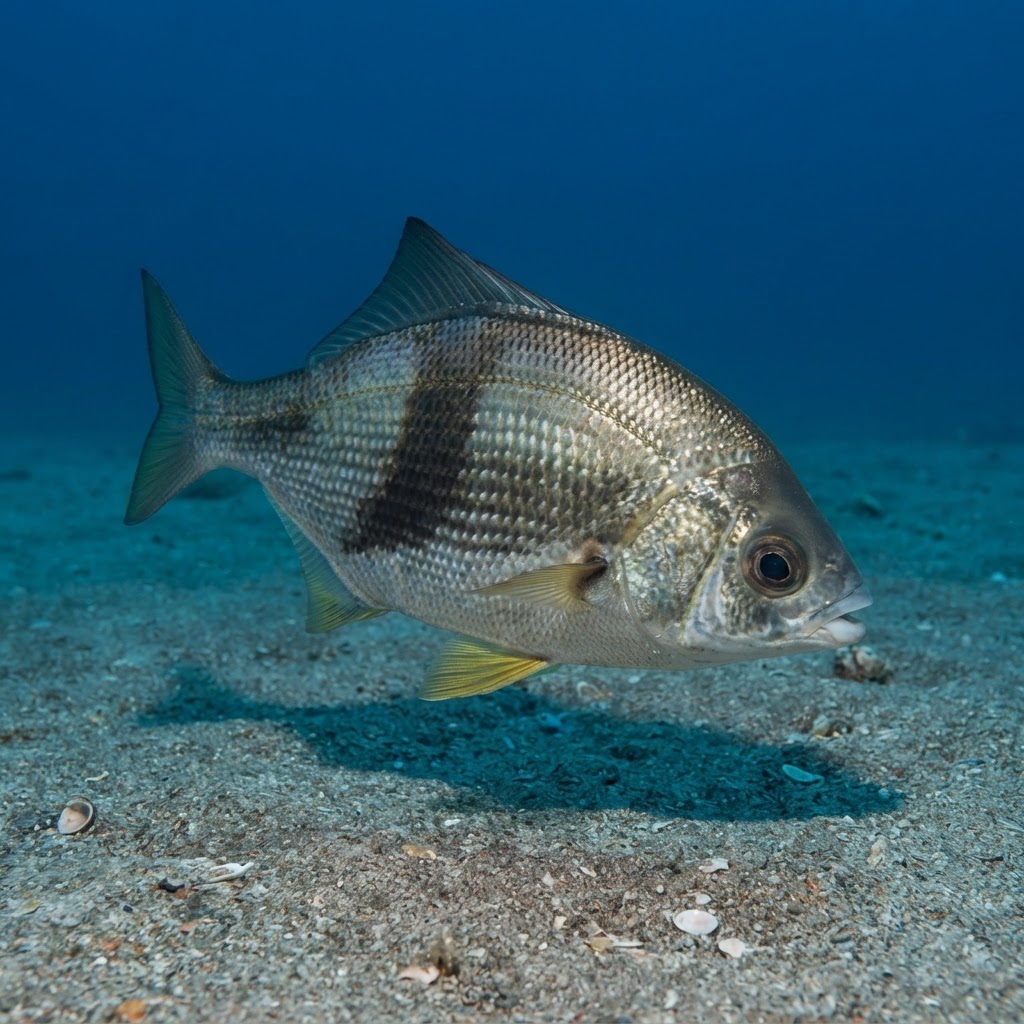
Look for a deep, almost coin-shaped body that's flattened side to side, silvery overall with a faint dusky sheen along the back. It grows to around 30 cm, noticeably taller-bodied than most other reef fish sharing the same rocky terrain, with a small mouth and forked tail. There's no strong colour pattern to key on, so body shape and that flattened, disc-like profile are the main giveaways underwater.
Expect to find it cruising slowly near the bottom over rocky reef and sand patches, picking at small invertebrates rather than chasing anything down. It tends to keep a bit of distance from divers rather than approaching, and sightings are generally logged as uncommon to rare, so it's more of a nice surprise than a guaranteed encounter even at the better sites. A couple of sites report it as common, so patient bottom-scanning pays off in the right spot.
It's a demersal (bottom-dwelling) member of the surfperch family, a group known for giving birth to live young rather than laying eggs, which is unusual among reef fish.
There's no clear seasonal pattern in the sightings data, and with a water-temperature niche of 8.6 to 15.3C it's built for the cool water that persists year-round on these coasts, so any month is a reasonable time to look for it.
California is the strongest bet, particularly sites logged across the state, with British Columbia in Canada close behind as the other major stronghold. Smaller numbers turn up in the Pacific Northwest region of the United States, so this is very much a cool-water, US-Pacific-and-Canada species rather than a tropical one.
Mapping where Pile Perch is logged…
California is the most reliable region, with strong numbers also logged in British Columbia, Canada, and smaller counts in the Pacific Northwest of the United States.
Sightings don't show a clear season, and its cool-water niche of 8.6 to 15.3C is present year-round on the Pacific coast, so any month works.
Look for a deep, flattened, silvery body around 30 cm long with a small mouth and forked tail, cruising slowly near rocky bottom rather than schooling in open water.
They typically reach around 30 cm, with a noticeably tall, laterally flattened body shape compared to slimmer reef fish nearby.
No, they pose no threat to divers and simply keep their distance while feeding along the bottom.
They belong to the surfperch family, one of the few fish groups that gives birth to live young instead of laying eggs.
Site and sighting data is aggregated from diver logs, iNaturalist and GBIF. For taxonomy and conservation status:
Yellowtail Clownfish
3,523 sites