Palisa papillata
A pinhead-sized nudibranch logged almost exclusively around Grand Cayman, in warm 25-31C water, year-round if you look closely.
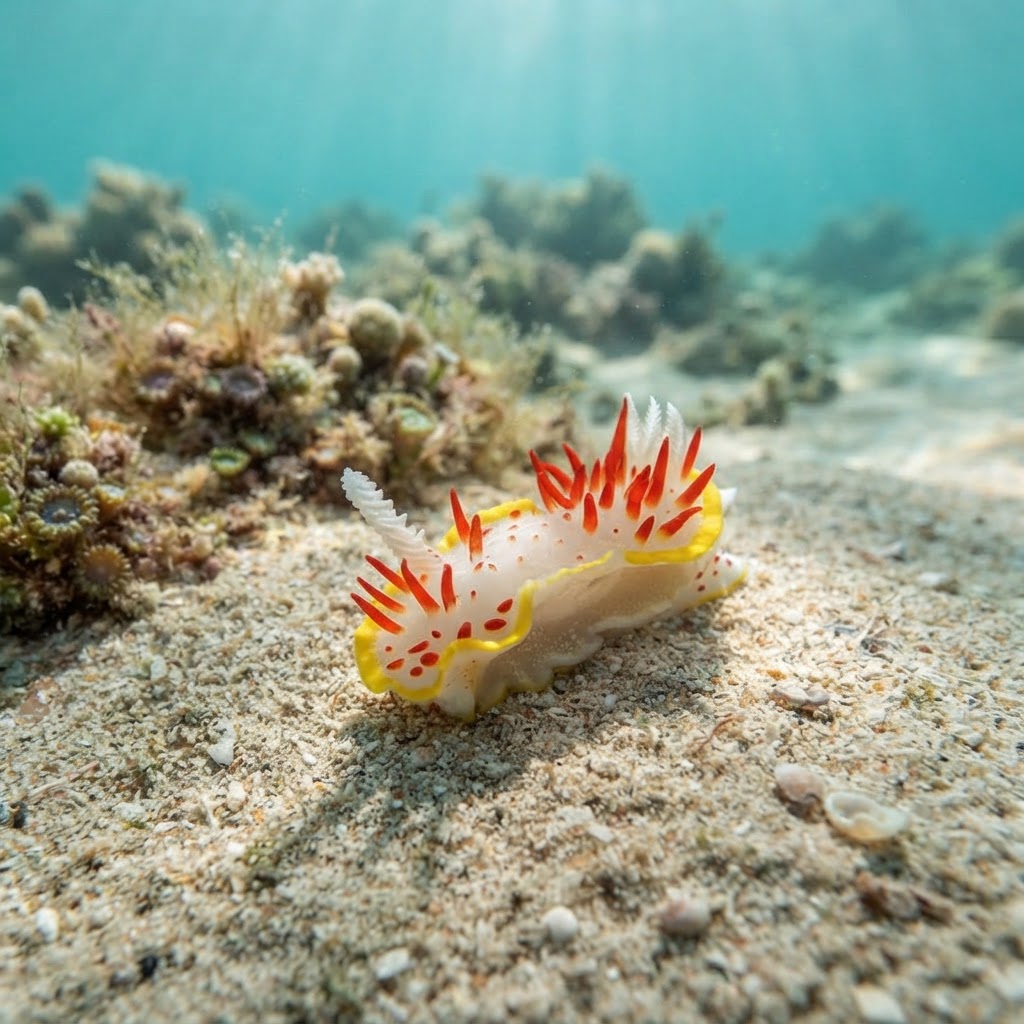
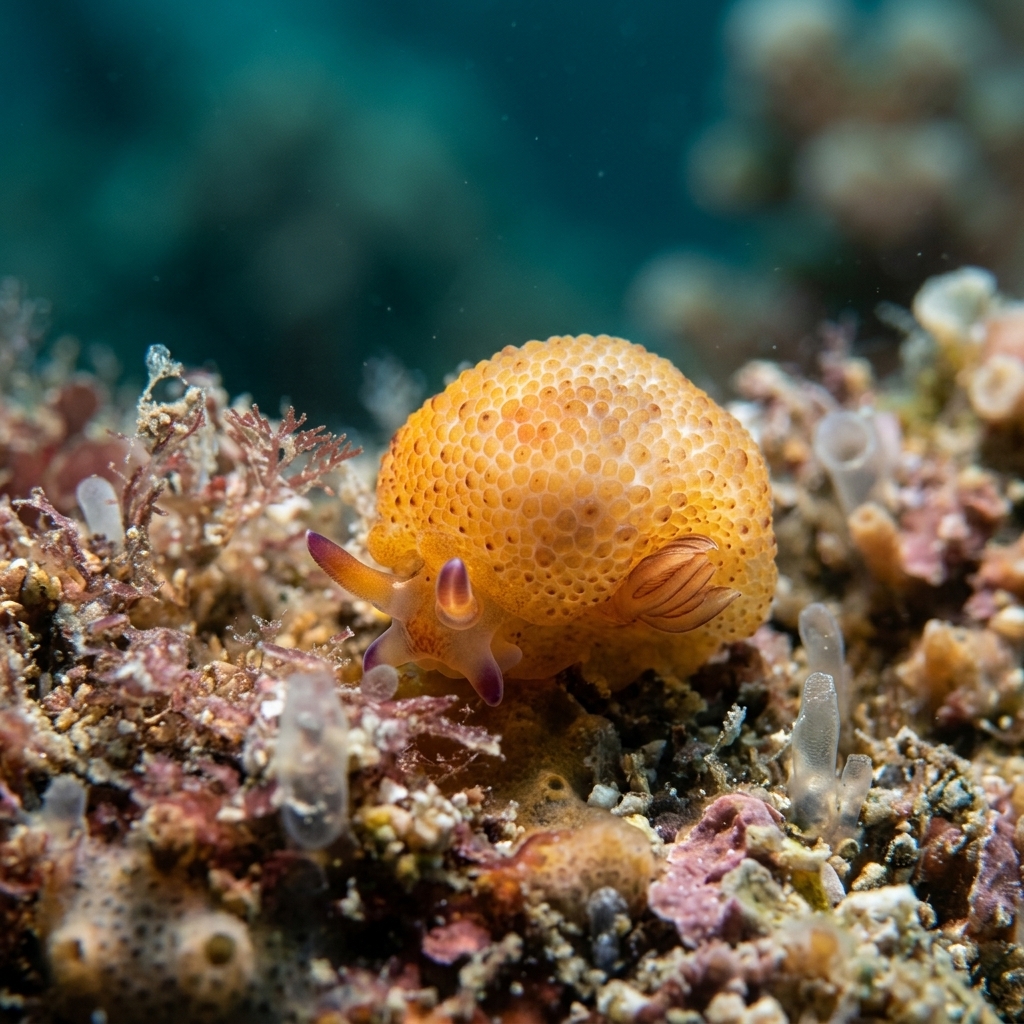
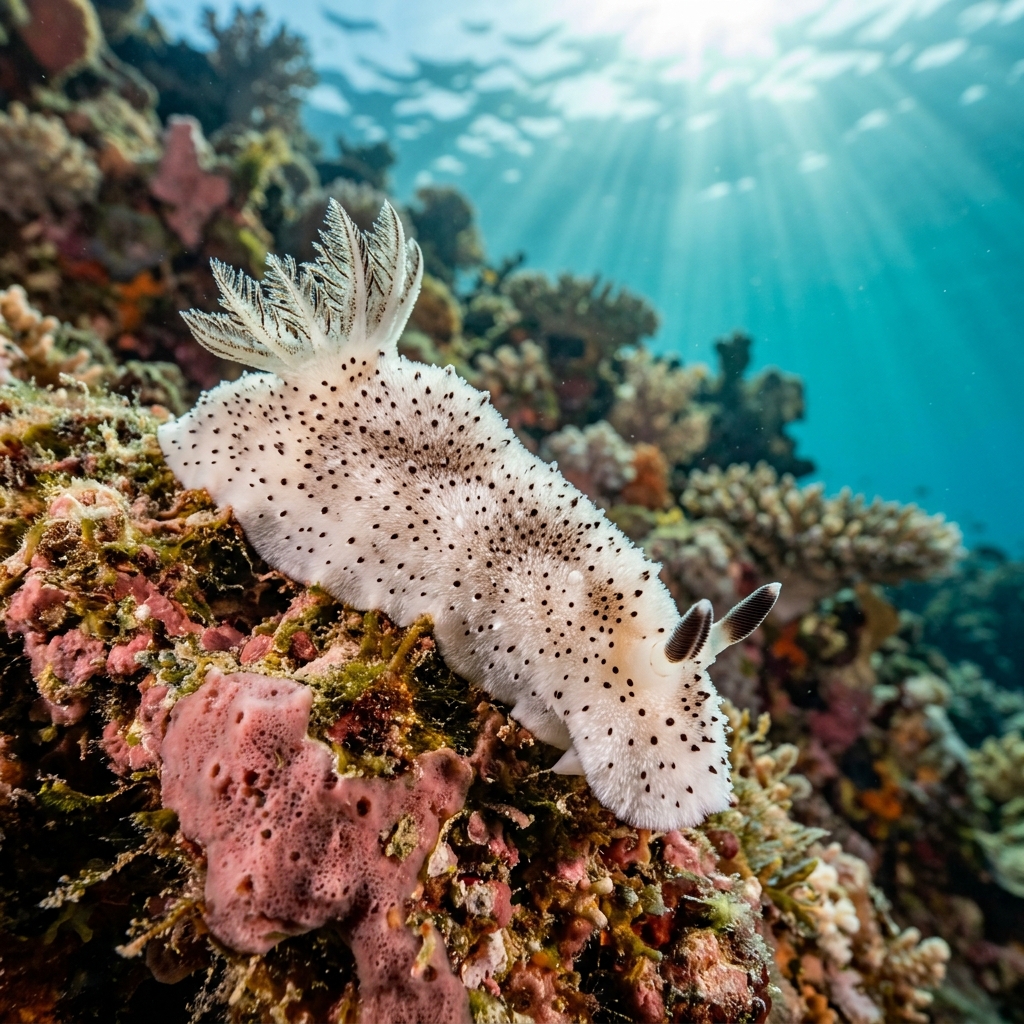
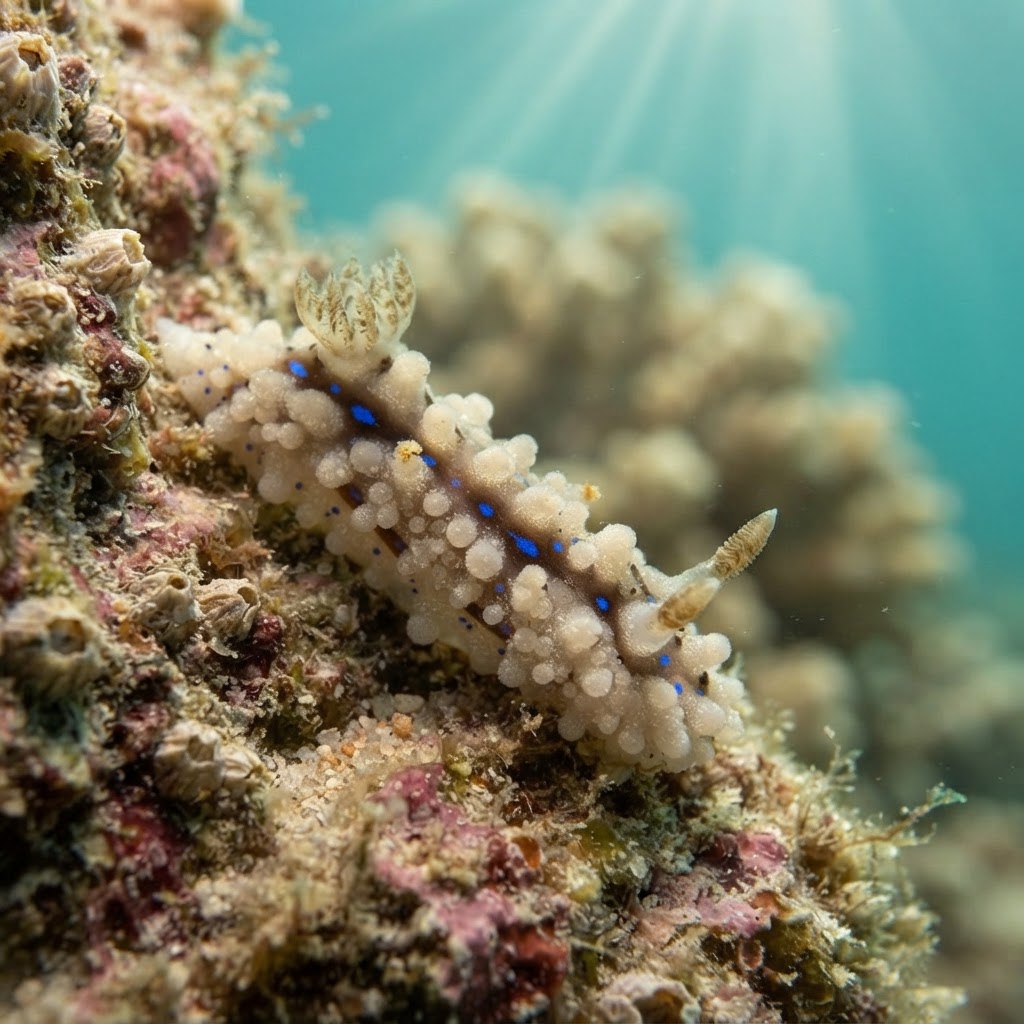
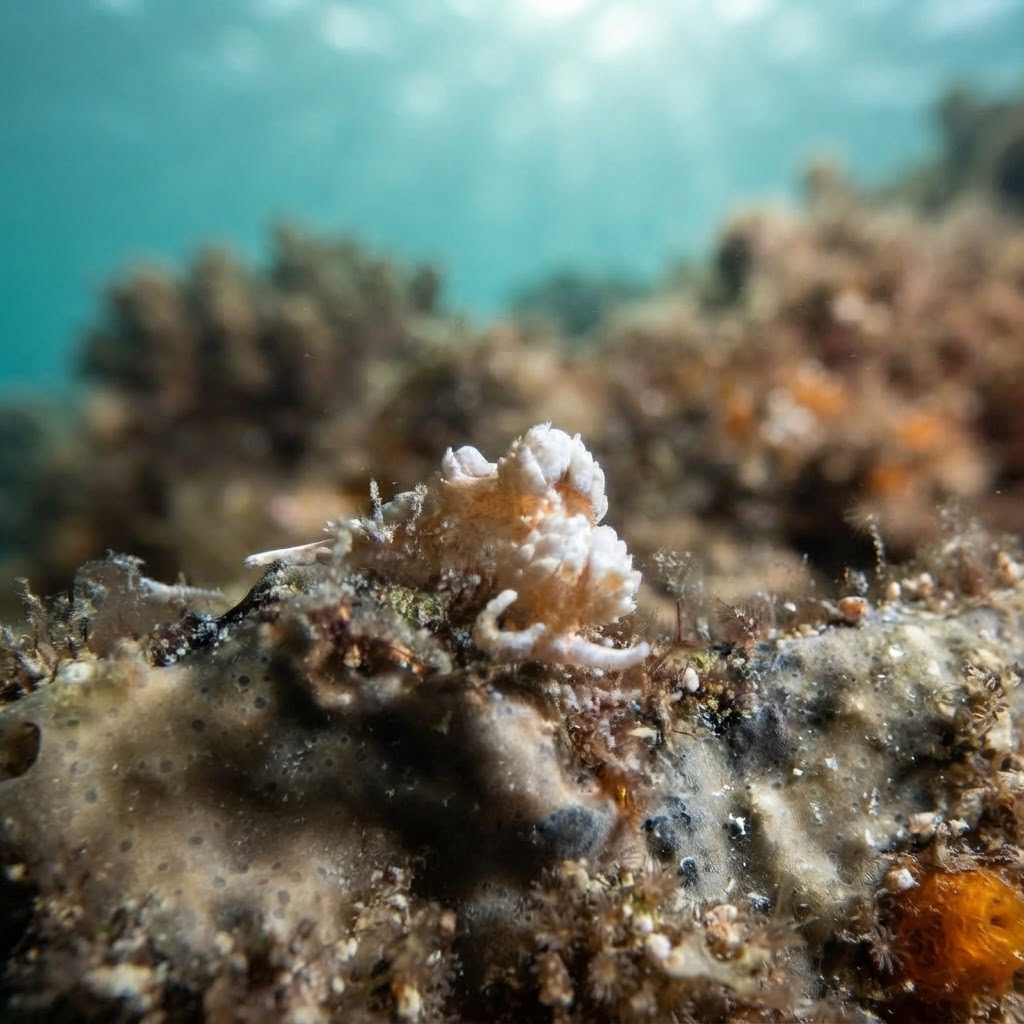
At just 1cm long, this is a nudibranch you find by scanning slowly, not swimming past. Look for a slender, translucent to pale body lined with rows of finger-like projections (cerata) along its back, which is typical of the facelinidae family it belongs to. There is no bold colour pattern to key on here, so divers usually spot it by silhouette and texture against rubble or algae rather than by any flashy marking.
This is a slow, deliberate crawler found tucked into rubble, algae, or low-relief reef structure where it grazes rather than swims. Divers report it as a rare find even at sites where it does occur, so seeing one usually means a slow, focused macro pass rather than a chance encounter mid-swim. It shows no reaction to divers beyond continuing to graze, since it has no eyes capable of noticing you and no real means of fleeing.
Like other facelinid nudibranchs, it likely stores stinging cells from the hydroids it feeds on in those cerata along its back, turning its prey's defences into its own.
Sightings don't show a detectable season, and the water it's been logged in ranges from 25.2 to 31.2C, well within Grand Cayman's year-round range, so any month is fair game. Treat it as a species to hunt on any warm-water dive rather than one tied to a particular time of year.
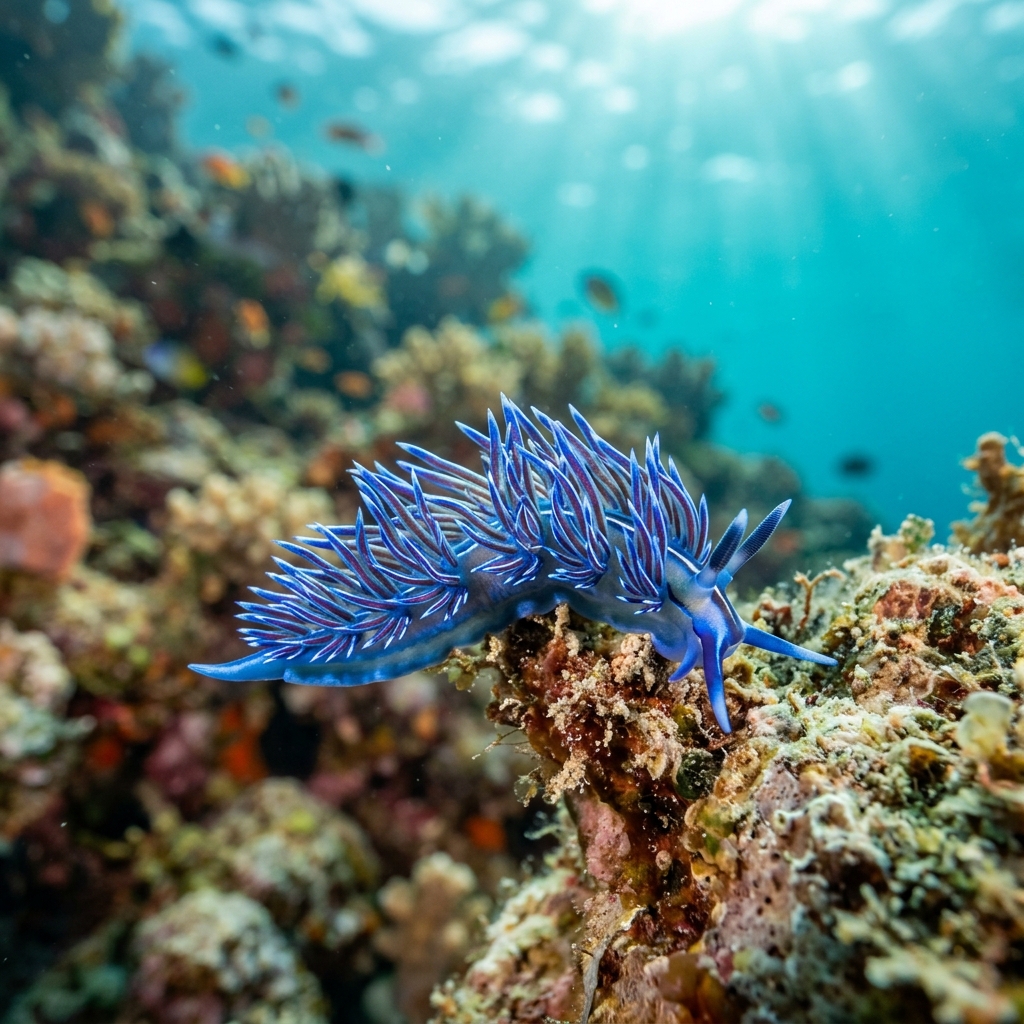
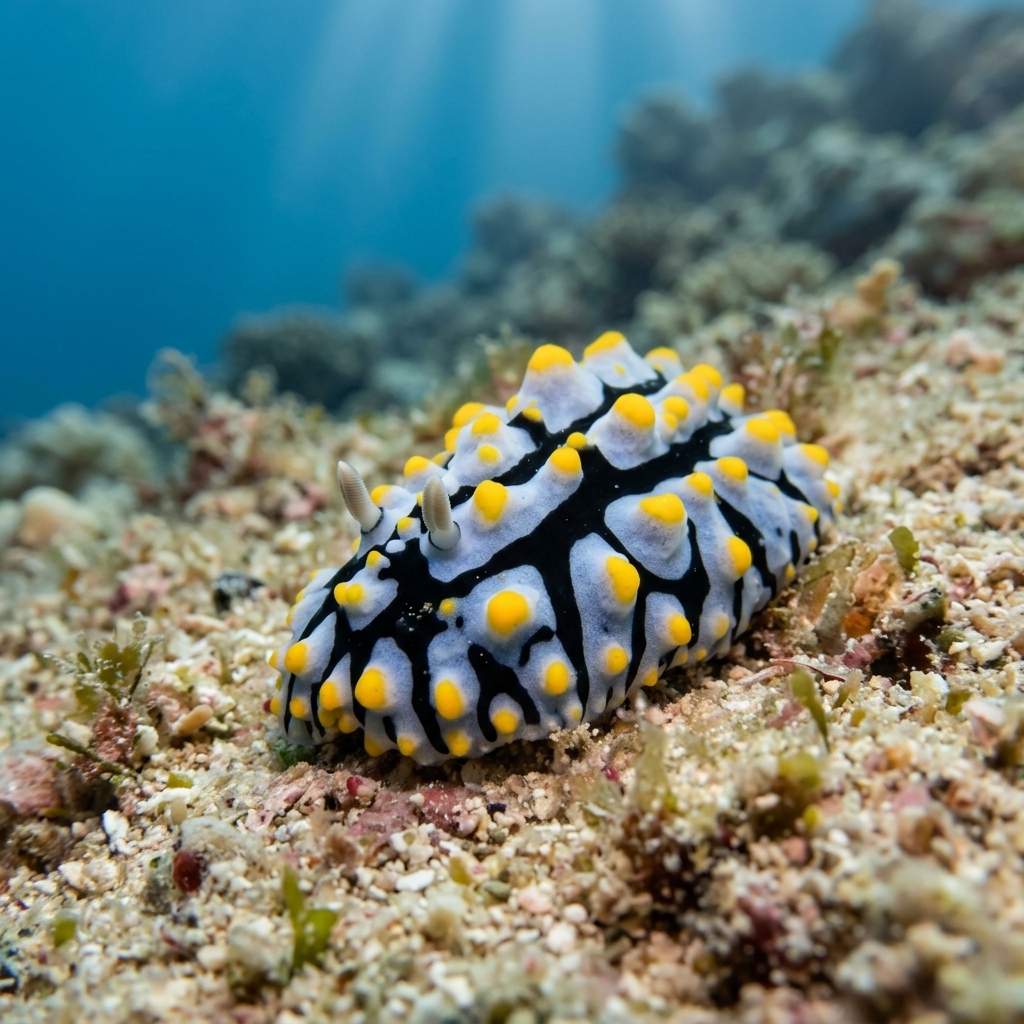
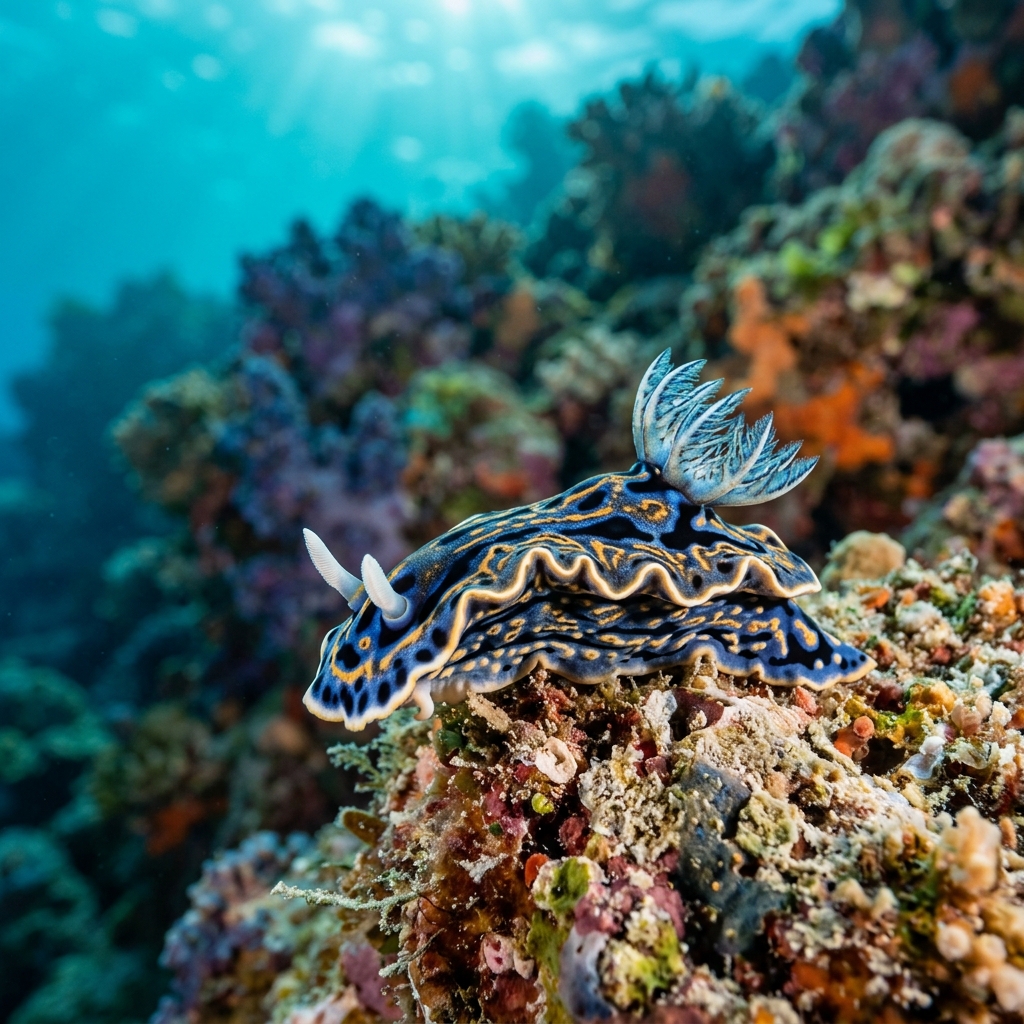
Reef neighbours a diver could mistake it for. Use the identification notes above to tell them apart.
Every logged sighting of this species comes from Grand Cayman in the Cayman Islands, making it effectively a Grand Cayman specialty as far as diver records go. If you want a real shot at finding it, this is the one region to focus a macro search on rather than spreading your search across the wider Caribbean.
Mapping where Palisa Papillata is logged…
Every recorded sighting comes from Grand Cayman in the Cayman Islands, so that is currently the only known place to look for it underwater.
There's no detected season. It has been logged in water from 25.2 to 31.2C, which covers Grand Cayman's conditions most of the year, so it's a year-round search.
It's a tiny, 1cm nudibranch with a translucent to pale body and rows of finger-like cerata along its back. There's no strong colour pattern, so divers rely on spotting its shape and texture on rubble or algae during a slow macro search.
They stay around 1cm long, making them one of the smaller nudibranchs a diver might try to find, and easy to miss without a slow, close look at the substrate.
Yes, it's logged as rare at almost every site where it has been recorded, with only one site reporting it as common. Finding one is a real highlight for a macro-focused dive.
Site and sighting data is aggregated from diver logs, iNaturalist and GBIF. For taxonomy and conservation status:
Blue Dragon
3,163 sites