Nanuca sebastiani
A pinhead-sized nudibranch most often logged in Grande-Terre, Guadeloupe, on reefs sitting between 25 and 31 C year-round.
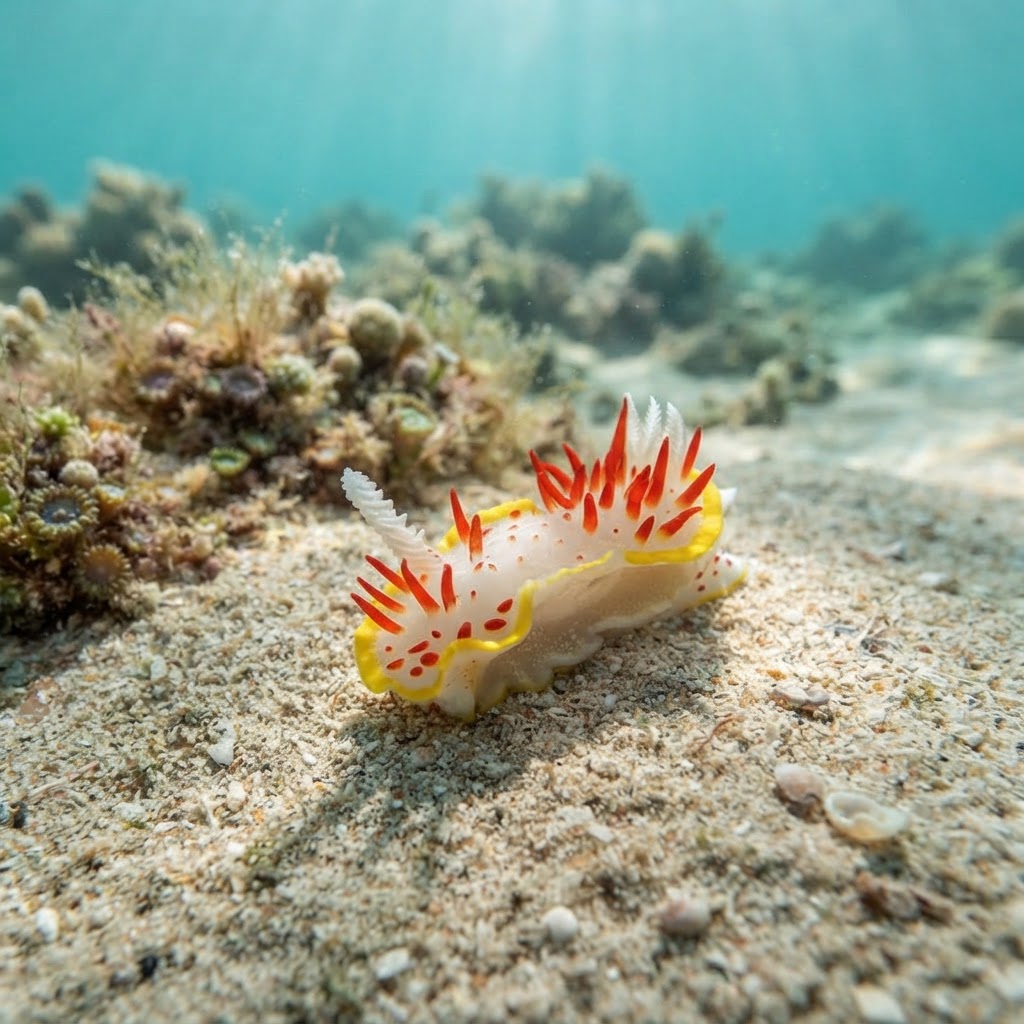
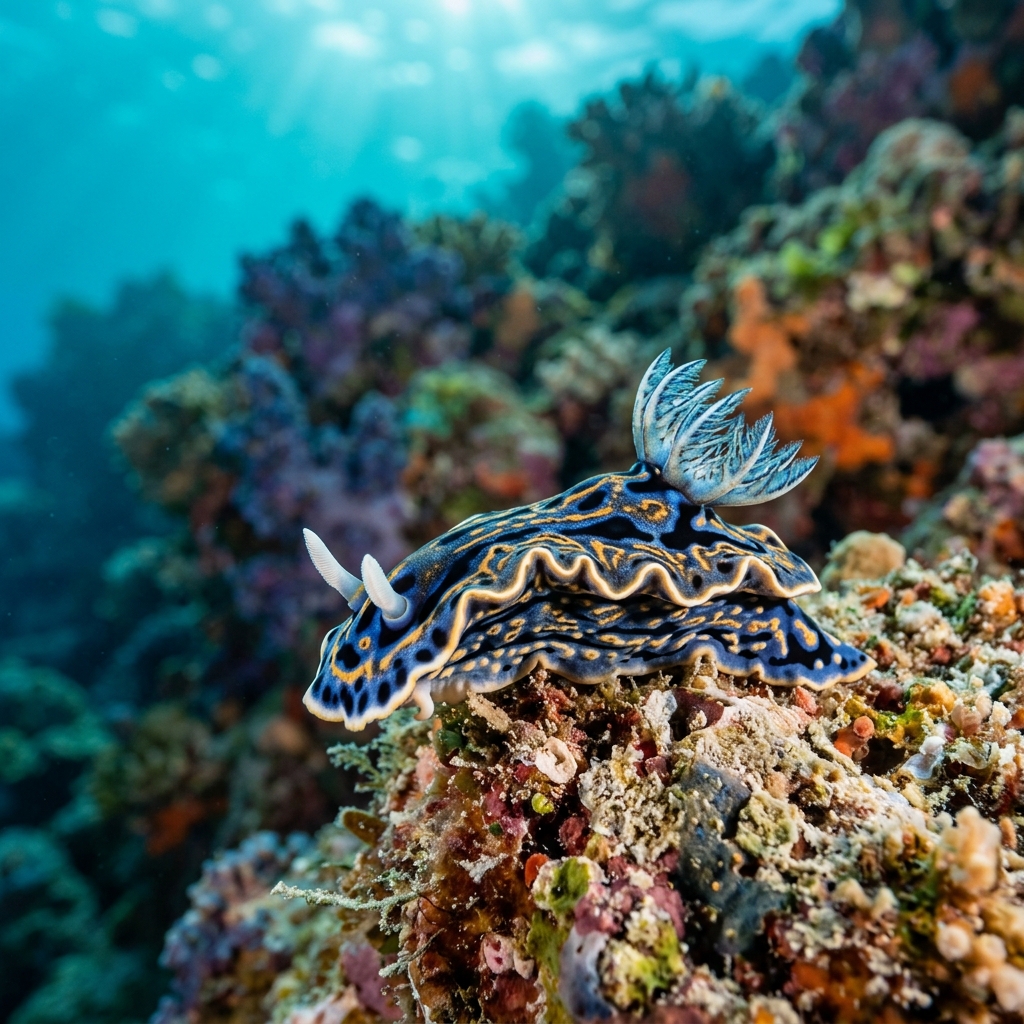
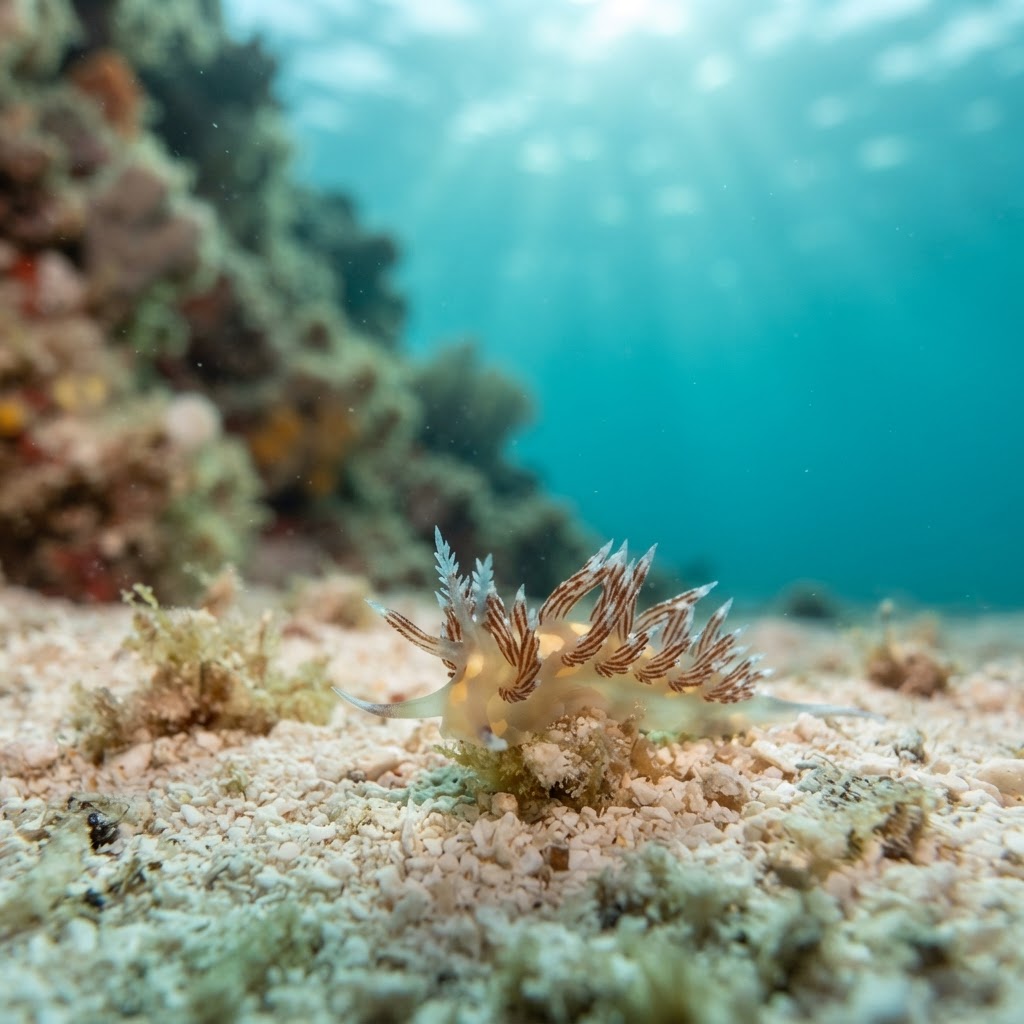
At just 1 cm long, this nudibranch is easy to swim past unless you are already scanning rubble and sponge patches closely. It has the slim, elongated body typical of the myrrhinidae dorids, without the bold contrasting stripes or spots that make many reef nudibranchs pop underwater. Spotting one usually comes down to knowing where to look rather than spotting a striking pattern from a distance.
Divers log this one tucked into rubble and low-relief reef structure, moving slowly across surfaces the way most small dorid nudibranchs do while grazing. It shows no particular response to divers beyond simply continuing about its business, since at 1 cm it relies on being overlooked rather than on fleeing.
Like other myrrhinid dorids, it almost certainly feeds on sponges, using that diet to build up chemical defences in its tissue rather than relying on speed or camouflage from predators.
There is no clear seasonal pattern in the sightings so far, and with water temperatures ranging comfortably from 24.9 to 30.9 C, it seems to be present on these Caribbean reefs year-round. Any month is worth a look if you are diving Guadeloupe or Saint Lucia.
Reef neighbours a diver could mistake it for. Use the identification notes above to tell them apart.
This species turns up most reliably in Guadeloupe, with the strongest concentration of sightings around Grande-Terre and a further cluster in Basse-Terre. Saint Lucia's Soufriere region is the next best bet, with occasional records from Grand Cayman in the Cayman Islands rounding out its known range.
Mapping where Nanuca Sebastiani is logged…
It is most commonly logged around Grande-Terre and Basse-Terre in Guadeloupe, with a second reliable spot in Soufriere, Saint Lucia. There are also occasional sightings from Grand Cayman in the Cayman Islands.
There is no strong seasonal signal in the sightings, and given its wide water-temperature niche of roughly 25 to 31 C, it appears to be present on these reefs throughout the year.
Look for a slender pale-bodied nudibranch only about 1 cm long, tucked into rubble or low reef structure rather than sitting exposed on open coral. It lacks bold stripes, so a slow, close scan of the substrate is usually needed to spot one.
They stay tiny, typically around 1 cm in length, making them one of the smaller nudibranchs divers are likely to encounter on a reef.
No, this species poses no danger to divers. It is a small, slow-moving mollusk with no venomous stings or spines that affect humans.
As with related dorid nudibranchs in the myrrhinidae family, it most likely grazes on sponges, incorporating compounds from its prey into its own tissue as a chemical defence against predators.
Site and sighting data is aggregated from diver logs, iNaturalist and GBIF. For taxonomy and conservation status:
Blue Dragon
3,163 sites