Forsterygion capito
A tiny reef-hugger found rarely around North Island, New Zealand, in 13-19 C water. Here's how to spot one and where divers actually log it.
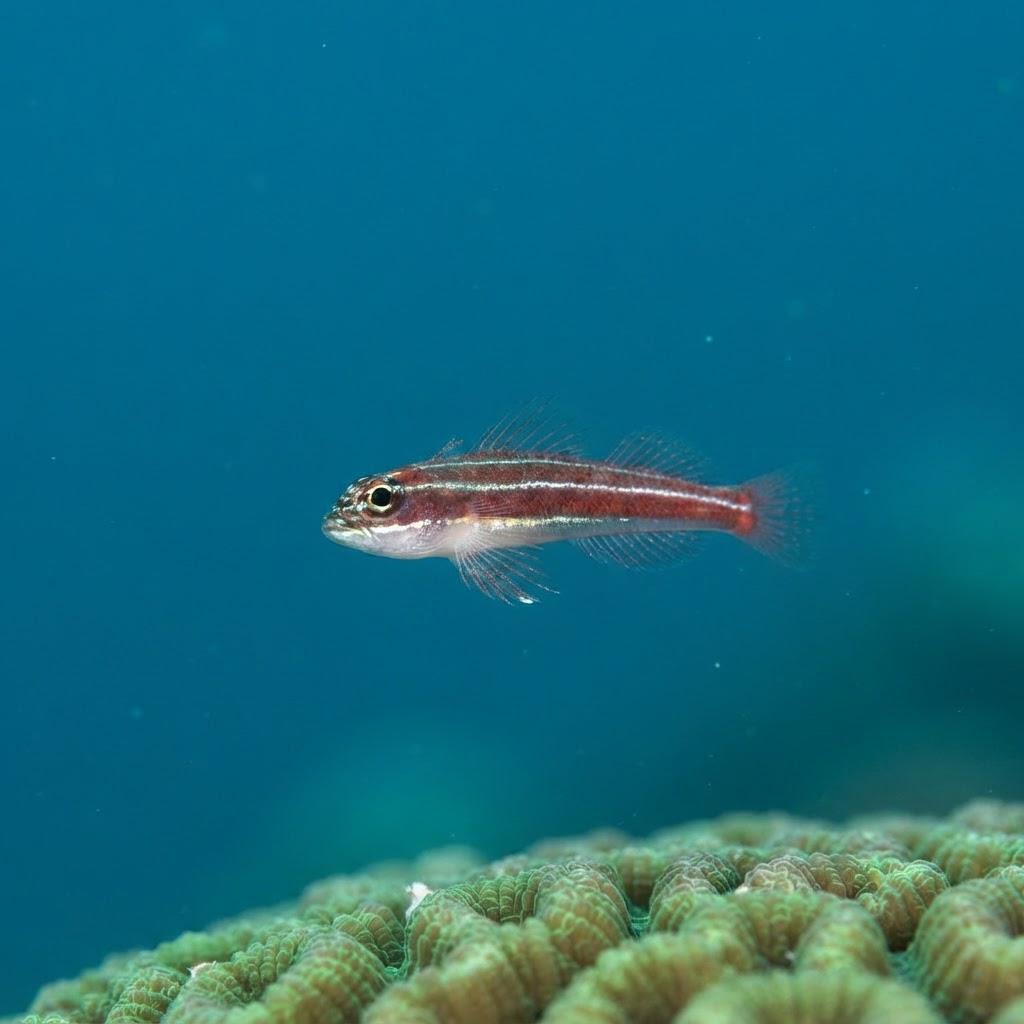
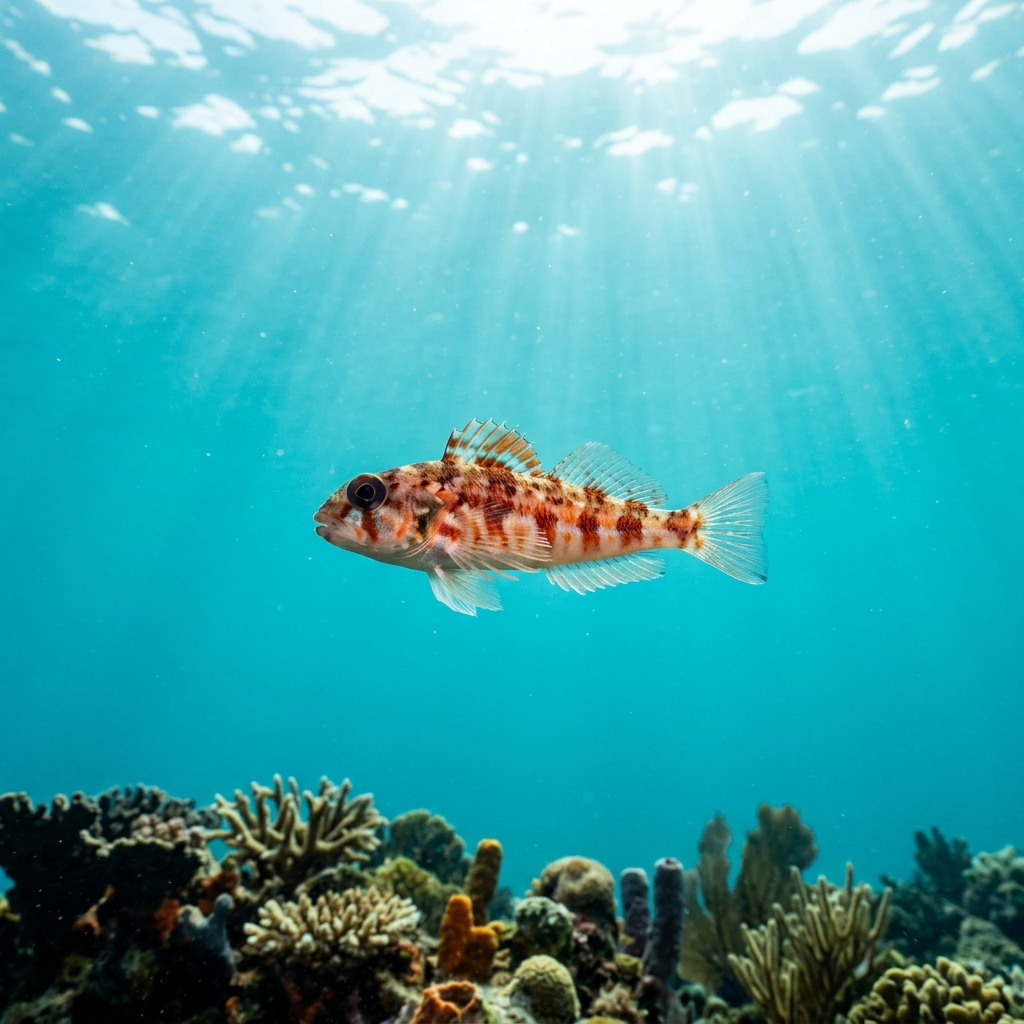
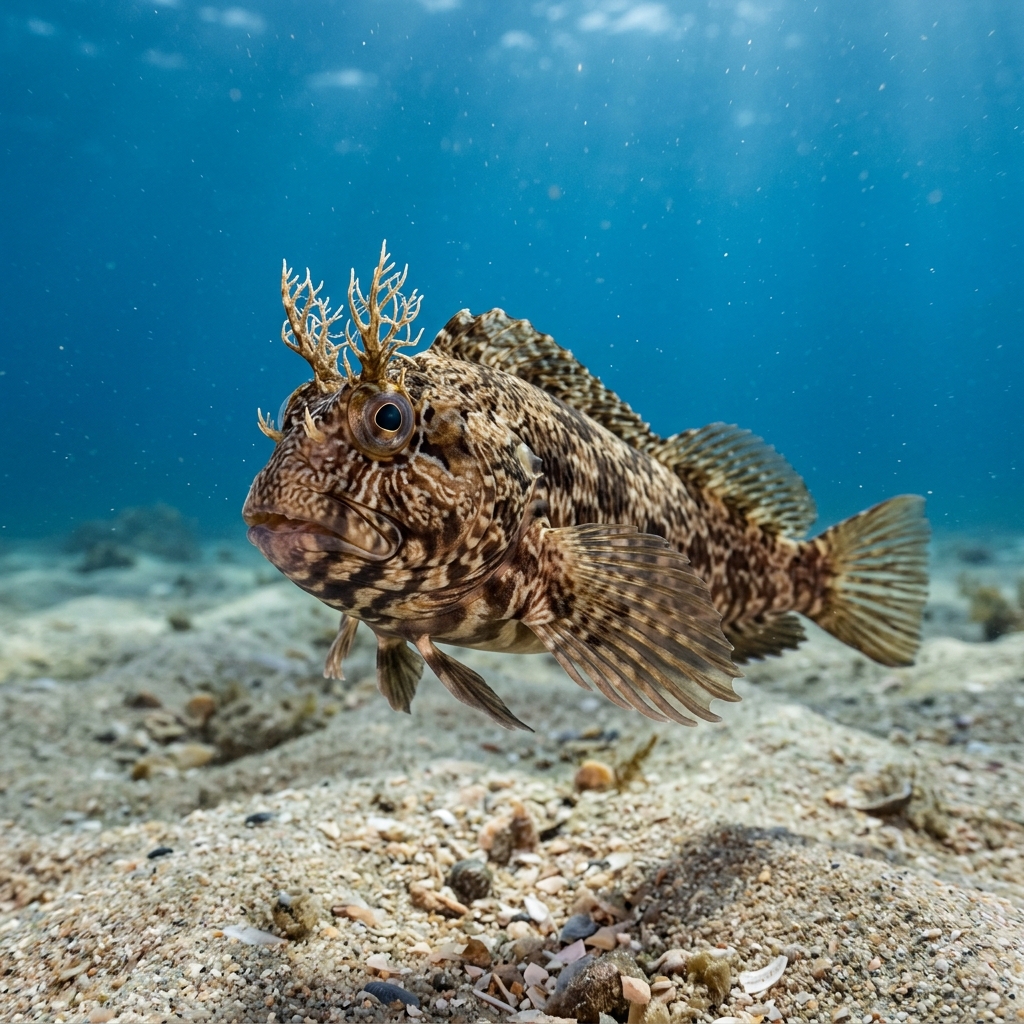
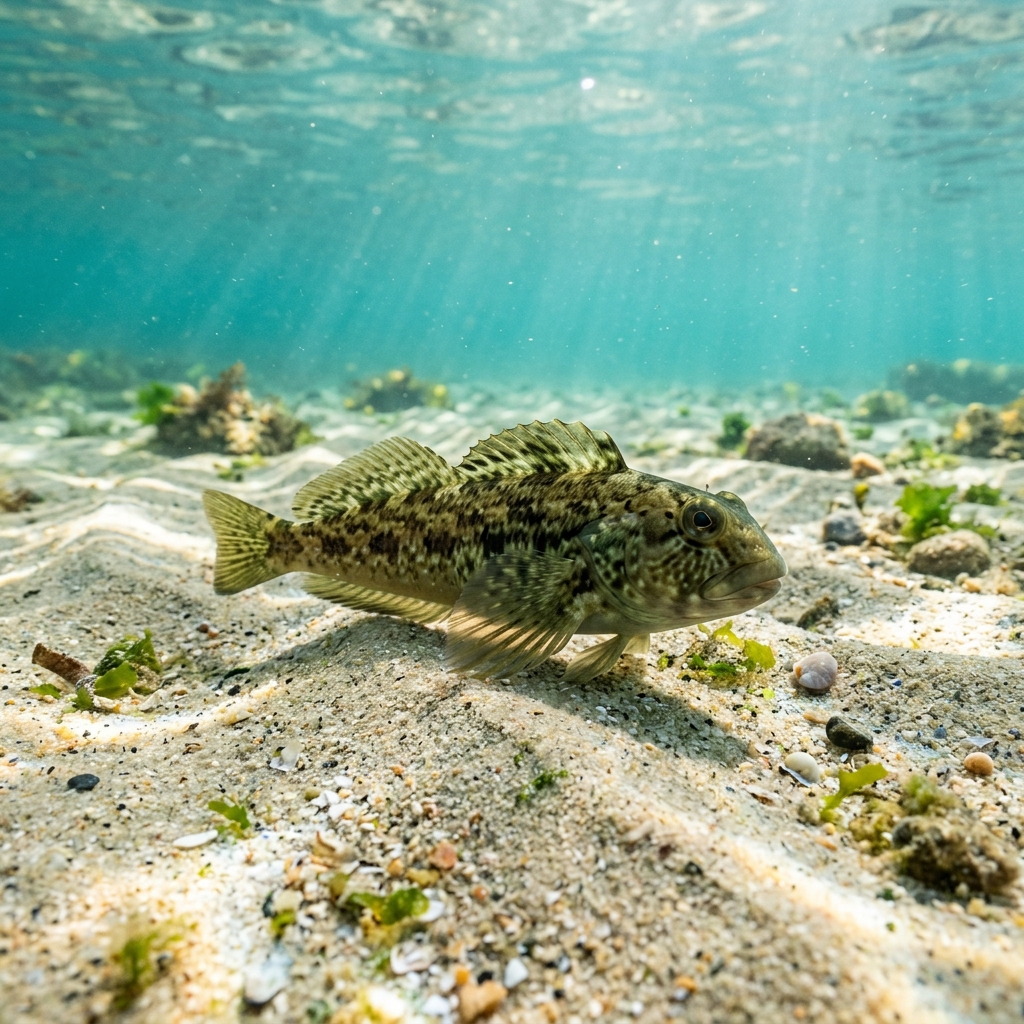
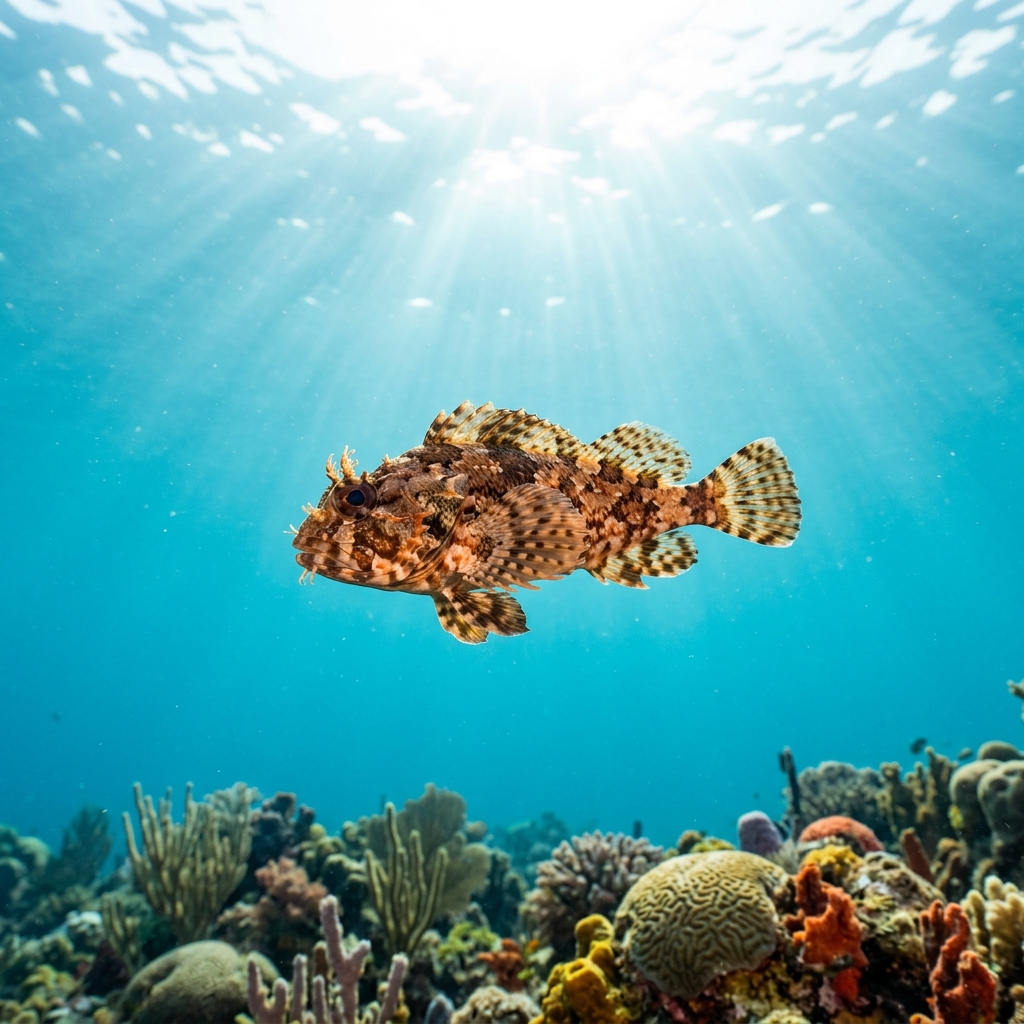
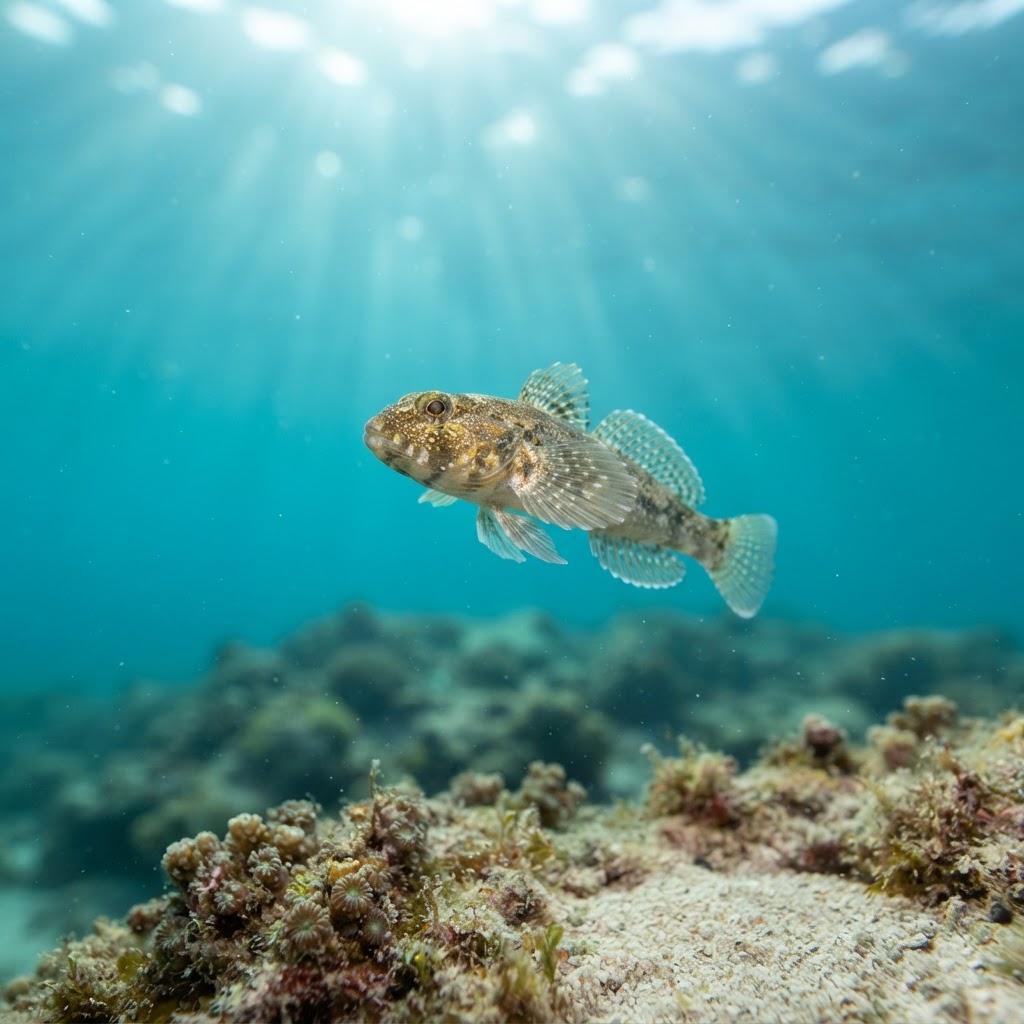
A small, slender fish topping out around 6 cm, usually seen perched motionless on rock or rubble rather than swimming in open water. Look for the mottled brown-and-cream blotching that breaks up its outline against reef substrate, plus the three separate dorsal fins running along its back that give the triplefin family its name. It rarely strays far from the seabed, so divers tend to spot it by scanning ledges and crevices rather than mid-water.
Expect to find it sitting still on rock, rubble or reef structure rather than cruising, using its mottled colouring to blend into the substrate. It's logged as rare at most sites it's been recorded, so divers should slow down and look closely at the bottom rather than expect it to come to them. Like other triplefins, it likely holds its ground on a favoured perch and only darts a short distance if disturbed.
Triplefins get their name from having three separate dorsal fins rather than one continuous one, a feature that's a quick giveaway once you know to look for it on a small mottled bottom-dweller.
Sightings span a water temperature range of 13.0 to 18.7 C with no detectable seasonal spike in the data, so treat it as a year-round find on North Island reefs whenever conditions suit a dive.
Reef neighbours a diver could mistake it for. Use the identification notes above to tell them apart.
Every logged sighting in the data comes from New Zealand, with North Island sites providing the strongest record for this species. If you're diving temperate rocky reefs around the North Island, this is one of the small bottom-dwellers worth checking ledges and boulders for.
Mapping where Mottled Triplefin is logged…
All recorded sightings are from New Zealand, concentrated on North Island reefs. It's logged at multiple sites there but always in low numbers, so it's a species you look for rather than expect to see easily.
There's no clear seasonal pattern in the sighting data, and it's been recorded across a 13.0 to 18.7 C temperature range, so it appears to be present on North Island reefs year-round.
Look for a small (around 6 cm) fish with mottled brown and cream patterning sitting still on rock or rubble, showing three separate dorsal fins along its back rather than one. It stays close to the substrate rather than swimming in open water.
They're small, reaching roughly 6 cm in length, which is typical for triplefin species that spend their lives perched on rock and reef structure rather than in open water.
No, they pose no danger to divers. They're tiny, sedentary reef fish that hold still on rock and rubble and have no defensive behaviour that affects people.
Site and sighting data is aggregated from diver logs, iNaturalist and GBIF. For taxonomy and conservation status:
Rusty Blenny
2,605 sites