Cadlina modesta
A small white-bodied nudibranch turning up on cold California dives, most reliably logged around California at 11-18C.
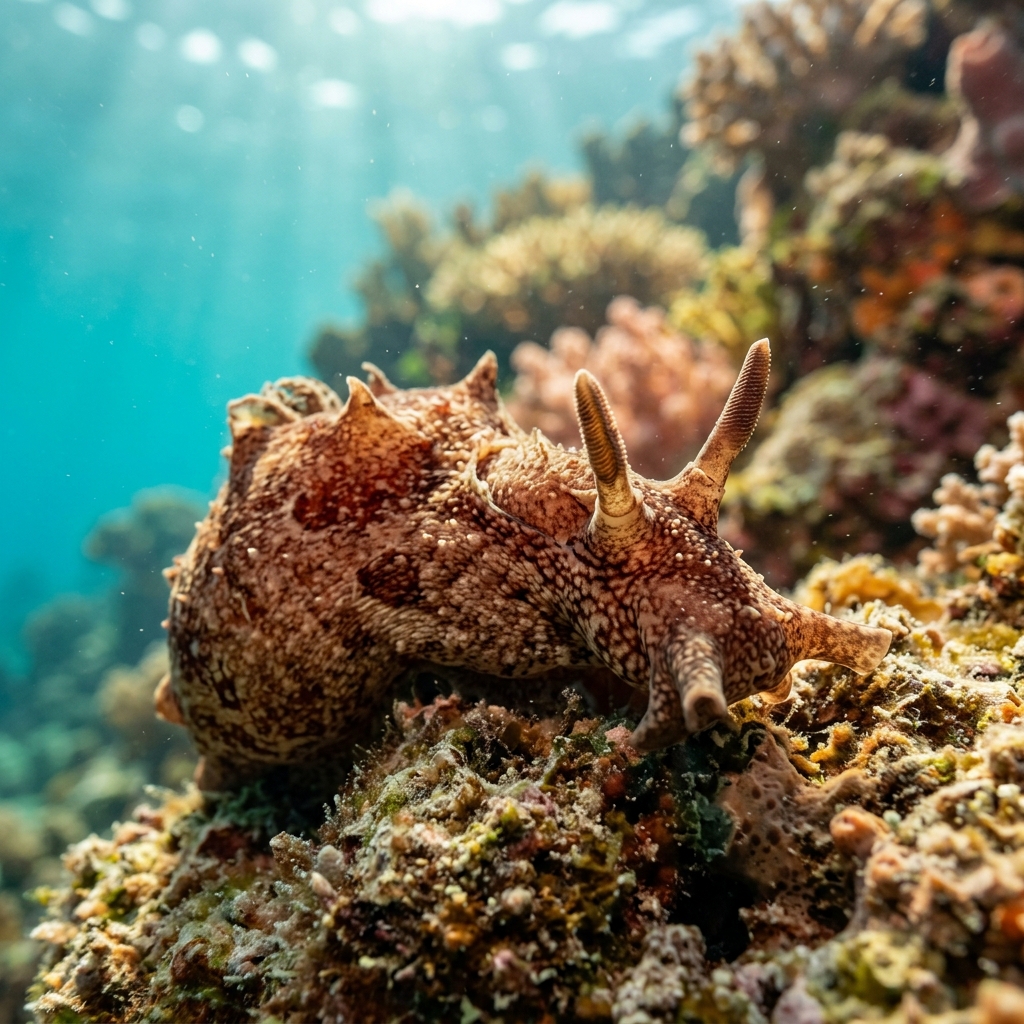
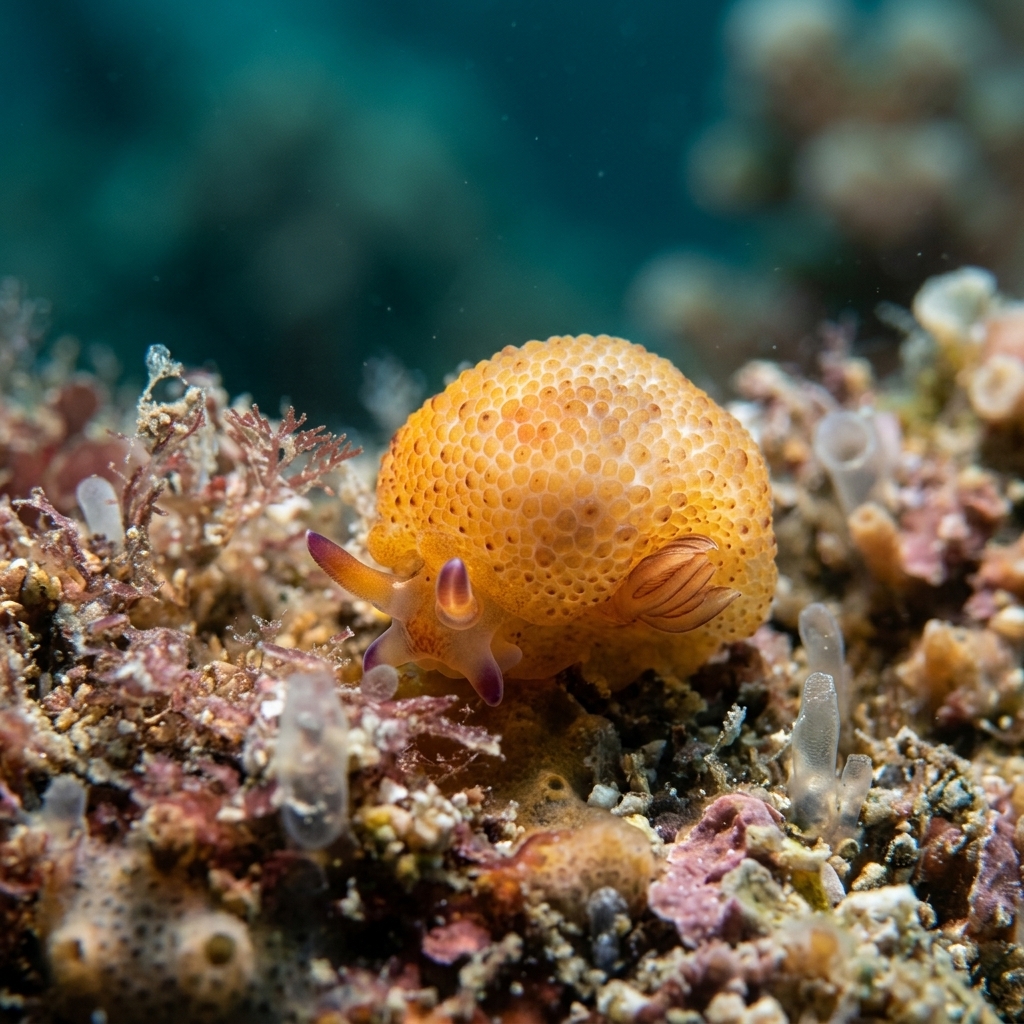
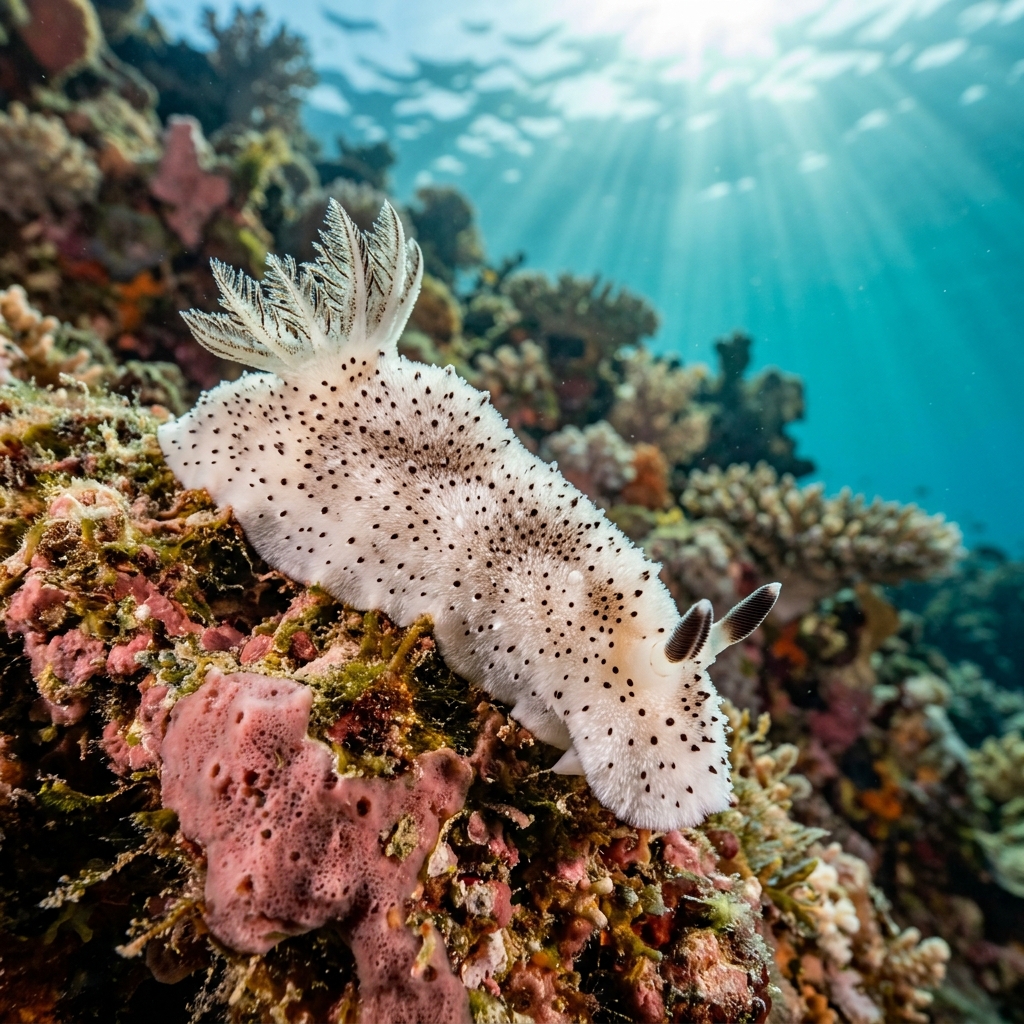
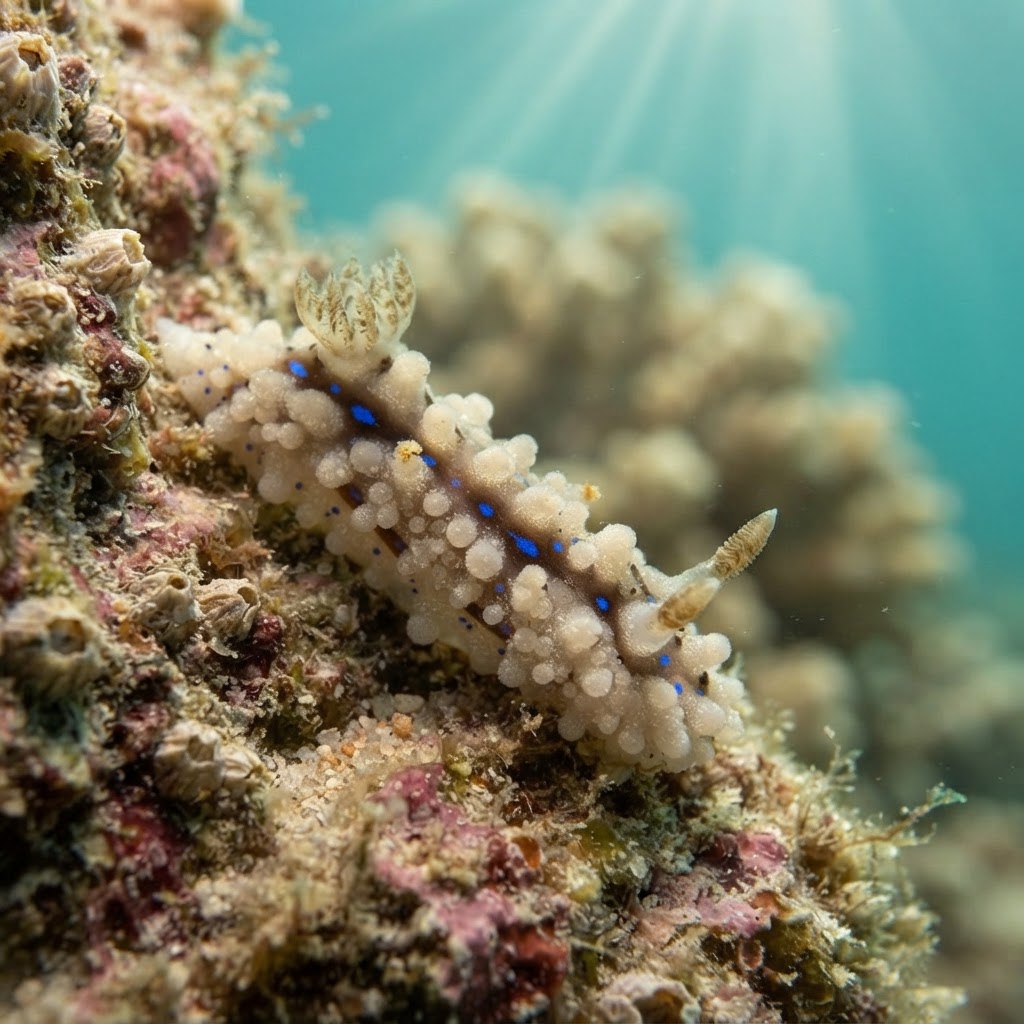
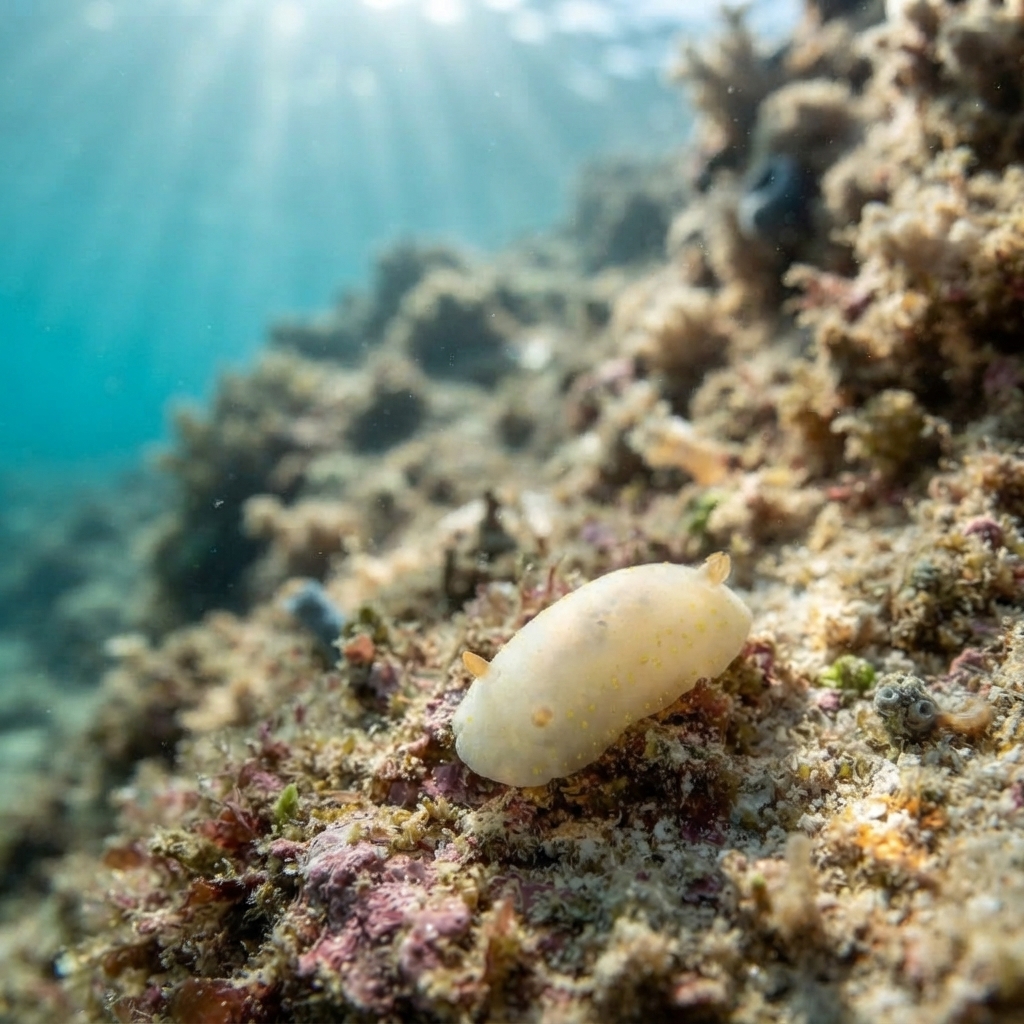
A tiny nudibranch, only about 2cm long, with a translucent to pale white body that can make it easy to miss against rock or sand. It has a smooth, low-profile shape typical of dorid nudibranchs, with small rhinophores (the paired sensory stalks on the head) and a cluster of gills near the rear. Look closely at rubble and sponge-covered rock rather than open reef, since it blends in and does not stand out at a glance.
Divers log this one as an uncommon find, so it takes a slow, close look at rocky substrate and sponge patches to turn one up rather than expecting it on every dive. Like most small dorid nudibranchs, it moves slowly over the substrate grazing and shows little to no reaction to a diver's presence, making it an easy, patient subject for close-up photography once found.
Nudibranchs in the Cadlina genus are known for storing chemical compounds from their sponge diet in their skin as a defence against predators, so that pale unassuming body is doing more work than it looks.
There is not enough seasonal data yet to call out a peak month, so treat this as a year-round possibility on California dives. Its comfort range of roughly 11.3 to 18.5C matches the cool water found off the California coast much of the year, which likely explains the lack of a sharp seasonal spike.
Every logged sighting so far comes from California, United States, making it the place to look if you want a real shot at this species. Within that, California sites are the consistent producers, so cold-water Pacific coast dives are the way in rather than tropical destinations.
Mapping where Modest Cadlina is logged…
Confirmed sightings are concentrated in California, United States, making it the region to focus on if you are hoping to find one. It has not yet turned up in dive logs from other countries.
There is no clear seasonal pattern in the sighting data, so it appears to be a year-round find in California waters. Its temperature range of 11.3 to 18.5C covers most of the year along that coast.
Look for a small, pale to translucent nudibranch around 2cm long with a smooth low body, small rhinophores, and a modest gill cluster near the tail. It is easy to overlook against rock and sponge, so a slow, close search pays off.
They stay small, typically around 2cm as adults, which is one reason divers rate them as an uncommon find even where they occur.
No, this species poses no danger to divers. It is a small, slow-moving grazer with no sting or bite of concern.
Like other Cadlina nudibranchs, it likely absorbs and stores defensive chemical compounds from the sponges it feeds on, turning its diet into a built-in deterrent against predators.
Site and sighting data is aggregated from diver logs, iNaturalist and GBIF. For taxonomy and conservation status:
Light-spotted Aegires
3,168 sites