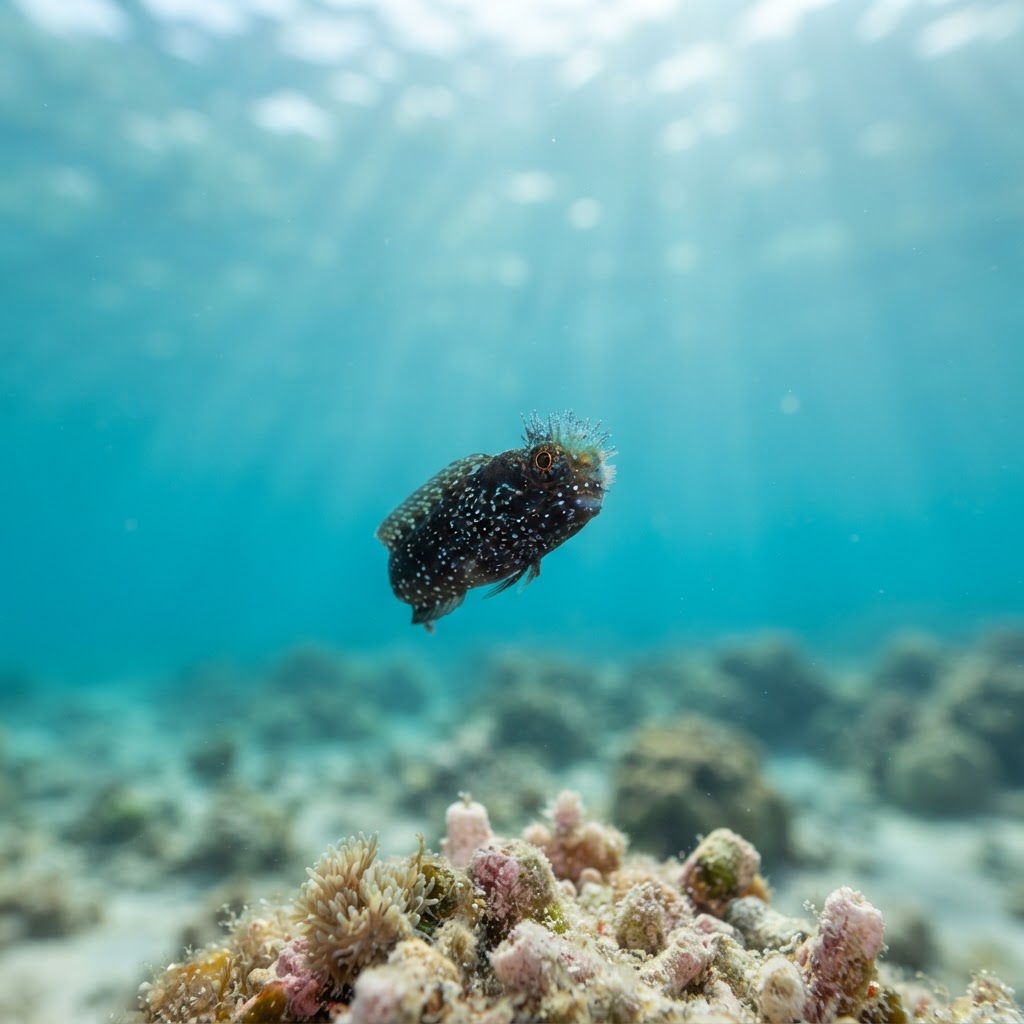
Acanthemblemaria medusa
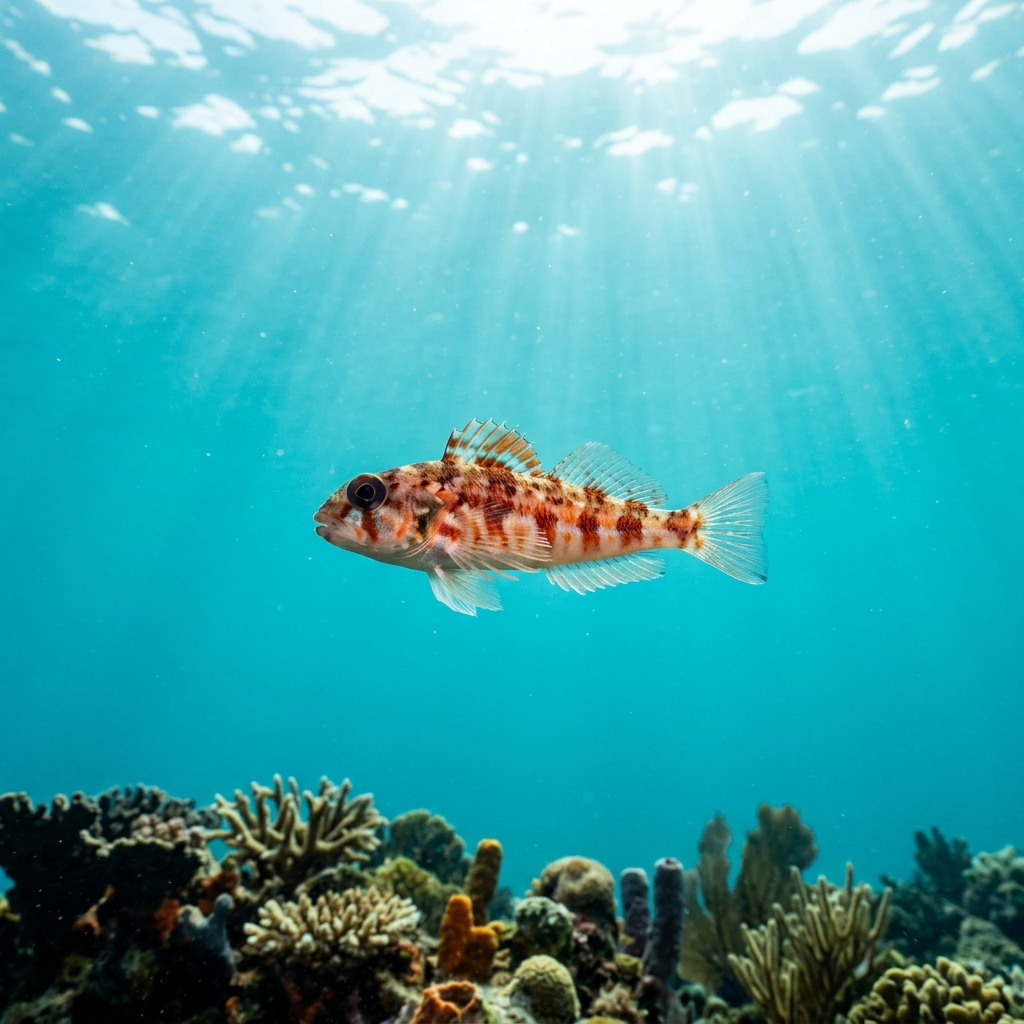
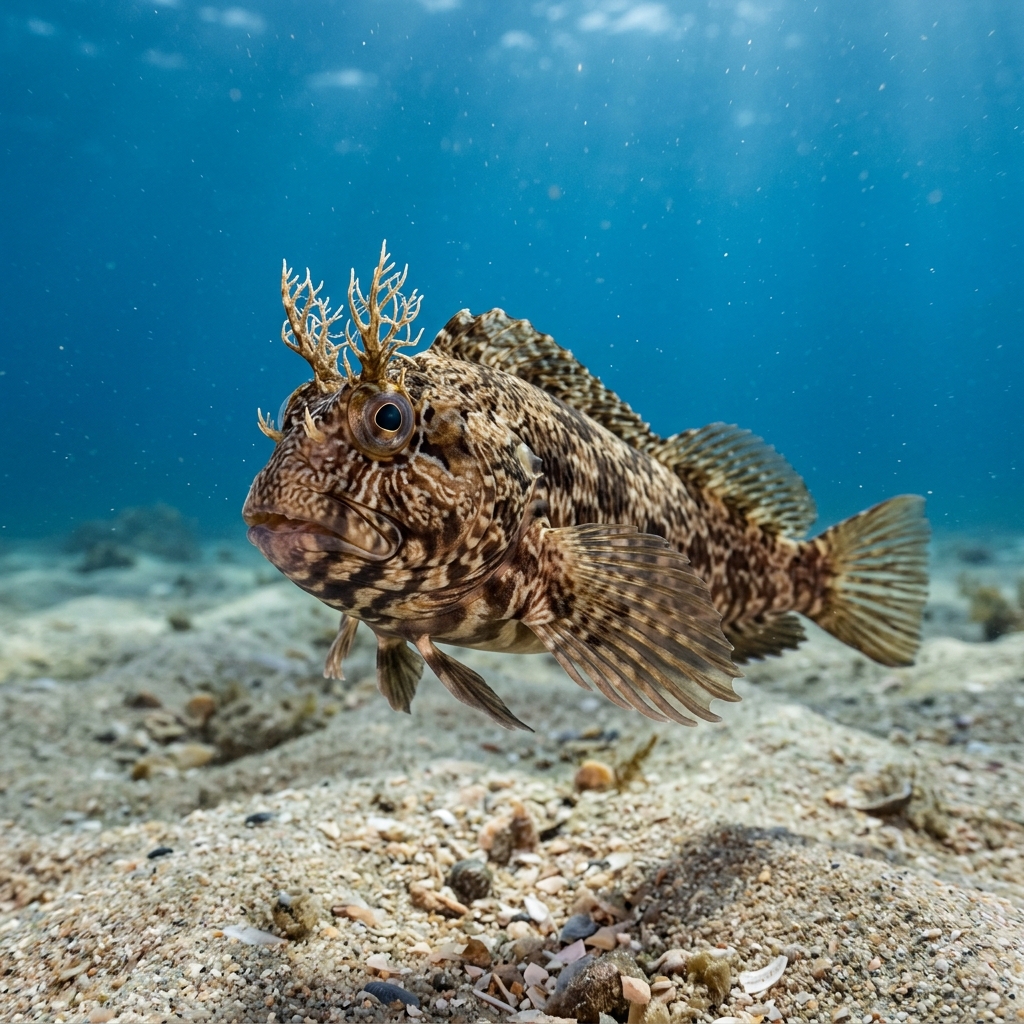
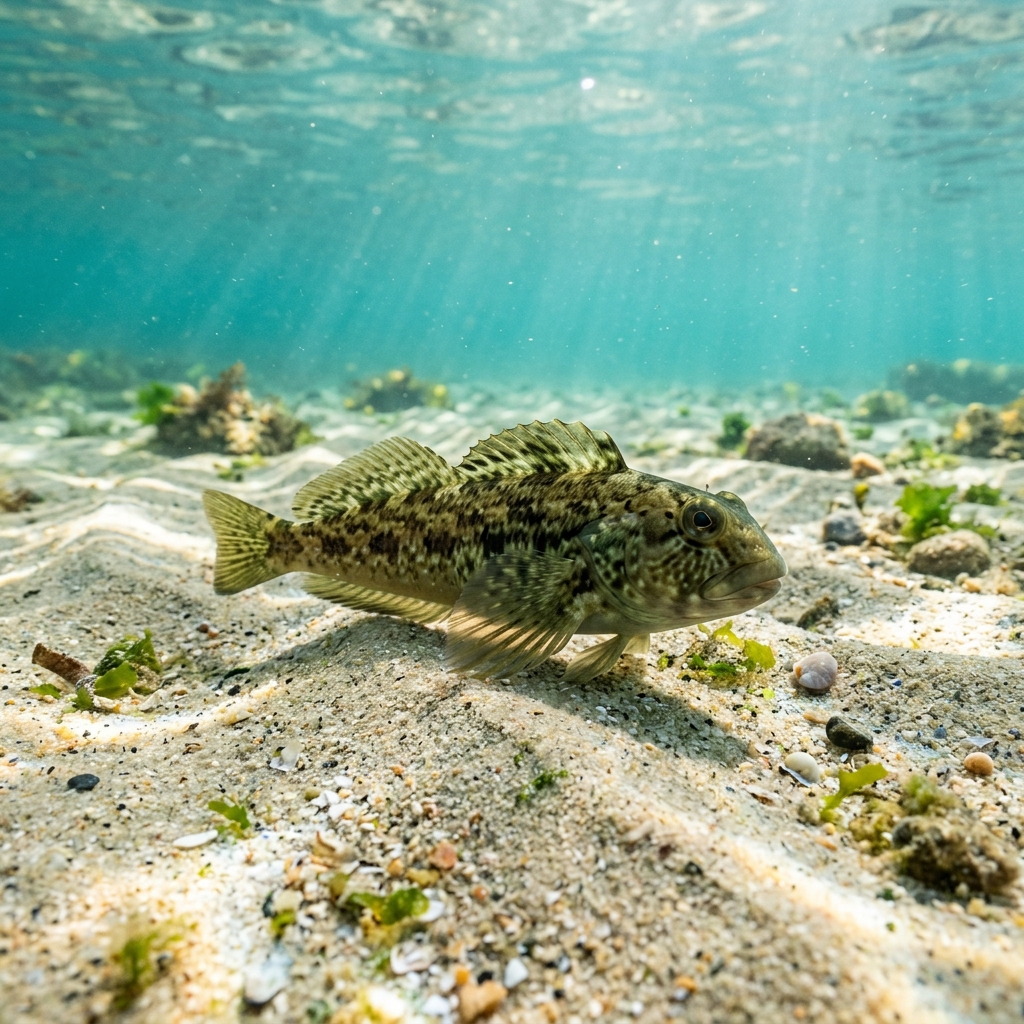
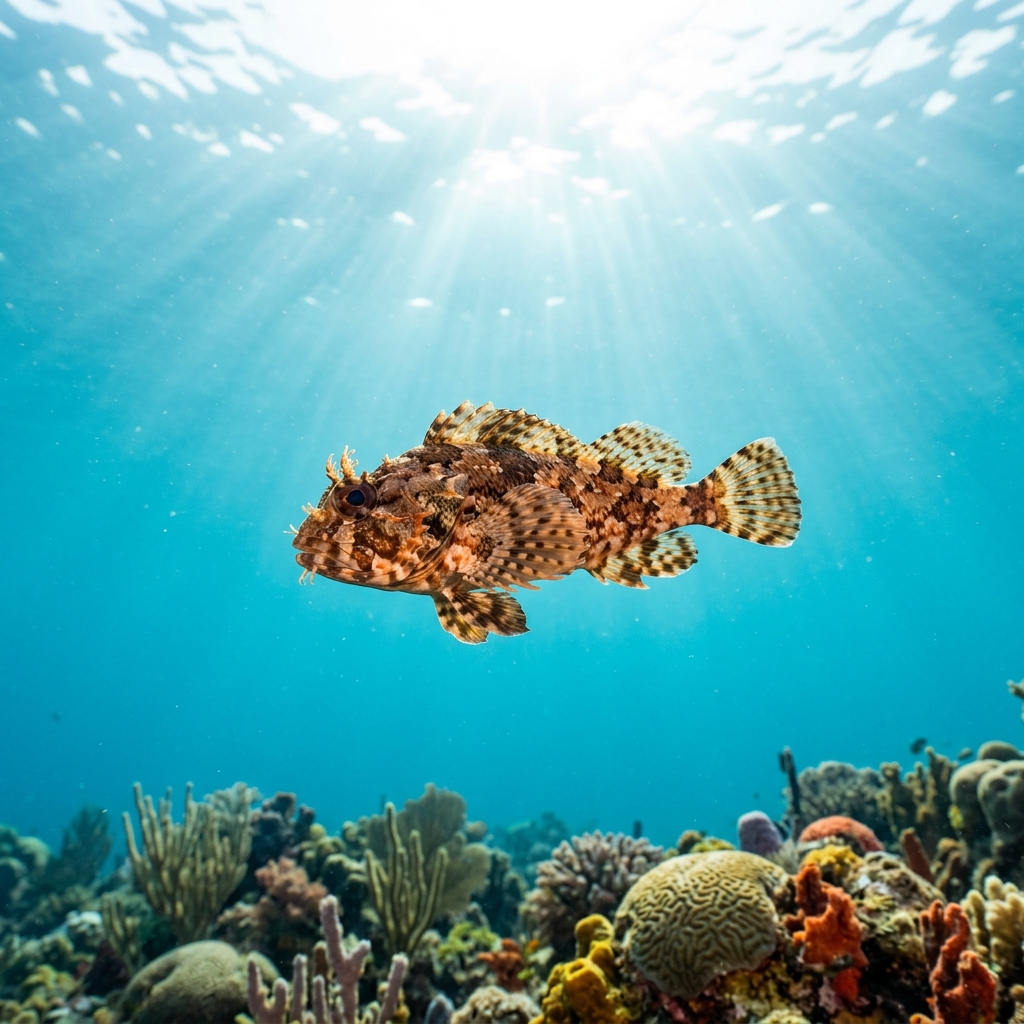
A 3cm reef dweller poking out of a tube worm hole near Grande-Terre, Guadeloupe. Rare, tiny, and easy to swim right past.
Barely 3cm long, this blenny spends almost all its time with just its head sticking out of an old worm tube or borehole in dead coral, so the whole body is rarely visible. Look for the tufted, branching appendages (cirri) above the eyes, giving it a spiky, almost eyelash-like crown, and a mottled brown-and-cream face pattern that breaks up its outline against the rock. The size alone rules out most reef fish confusion; the real challenge is noticing it at all.
This is a homebody: once it claims a tube or hole in dead coral or rock, it tends to stay put, popping just its head out to feed and retreat at the first sign of disturbance. Divers who find one usually do so by slow, deliberate scanning of coral rubble and old worm holes rather than by spotting movement in open water. It shows little reaction to divers beyond ducking back into its burrow if approached too fast.
Like other members of its family, it almost certainly feeds by darting brief distances from its burrow to snatch passing plankton or small invertebrates before retreating, a strategy that lets a fish this small avoid most predators.
Sightings show no clear seasonal pattern, and with a comfortable temperature range of roughly 24.6 to 30.6 C, conditions stay suitable year-round. Plan around good visibility and calm conditions for close-focus searching rather than a particular month.
Nearly every logged sighting comes from Grande-Terre in Guadeloupe, making it the place to look if you want a real shot at finding one. A single record also exists from the Leeward Coast of Bonaire, so it is worth scanning old coral rubble and dead coral heads there too, but Guadeloupe is by far the stronger bet.
Mapping where Medusa Blenny is logged…
Grande-Terre in Guadeloupe is the strongest known location, with a single additional record from the Leeward Coast of Bonaire. Outside these spots it has not been reliably logged.
There is no detected season, and water temperatures in its range stay within a comfortable 24.6 to 30.6 C year-round, so sightings are not tied to a particular month.
Look for a tiny, 3cm fish poking its head out of an old worm tube or hole in dead coral, with tufted branching cirri above the eyes and a mottled brown face. The body is almost never fully visible, so the head and cirri are the key clues.
They stay tiny, reaching only around 3cm in length, which is one reason they are so easy to overlook on a reef.
No, they pose no danger to divers. They are small, shy, and retreat into their burrow rather than interact with anything nearby.
Like related blennies, it likely darts short distances from its burrow to grab passing plankton or tiny invertebrates before retreating back inside, a feeding style suited to its small size and stationary lifestyle.
Site and sighting data is aggregated from diver logs, iNaturalist and GBIF. For taxonomy and conservation status:
Rusty Blenny
2,605 sites