Ostorhinchus multilineatus
Spot this small striped cardinalfish on reefs in the Visayas and Dili, in warm 27-29C water year-round.
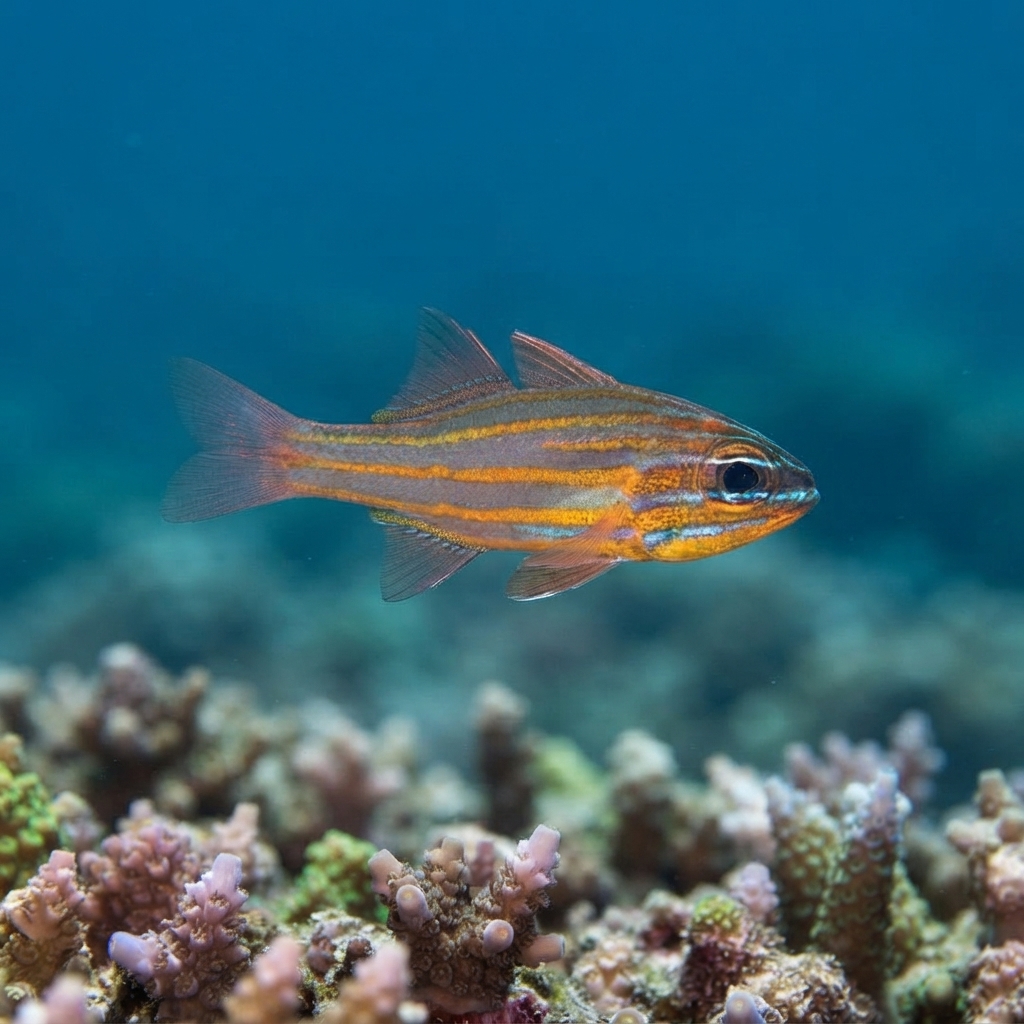
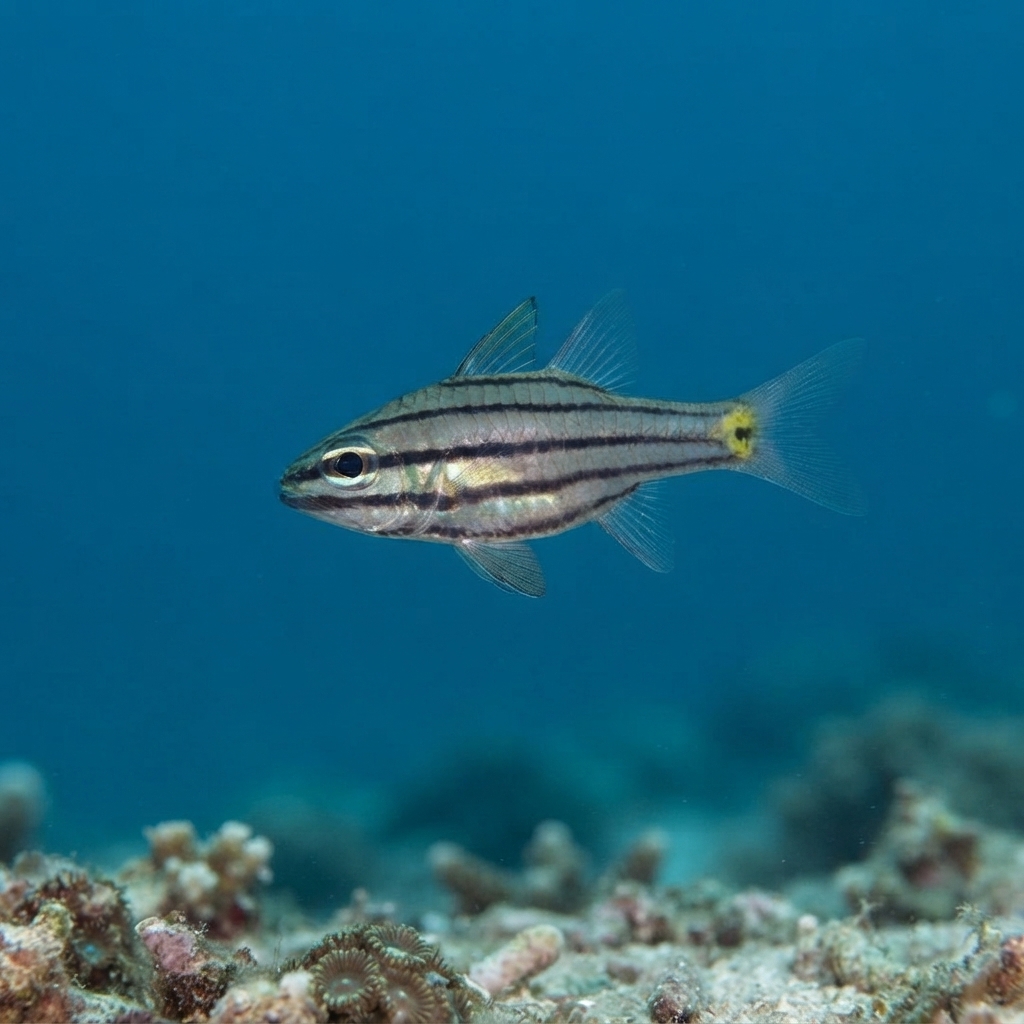
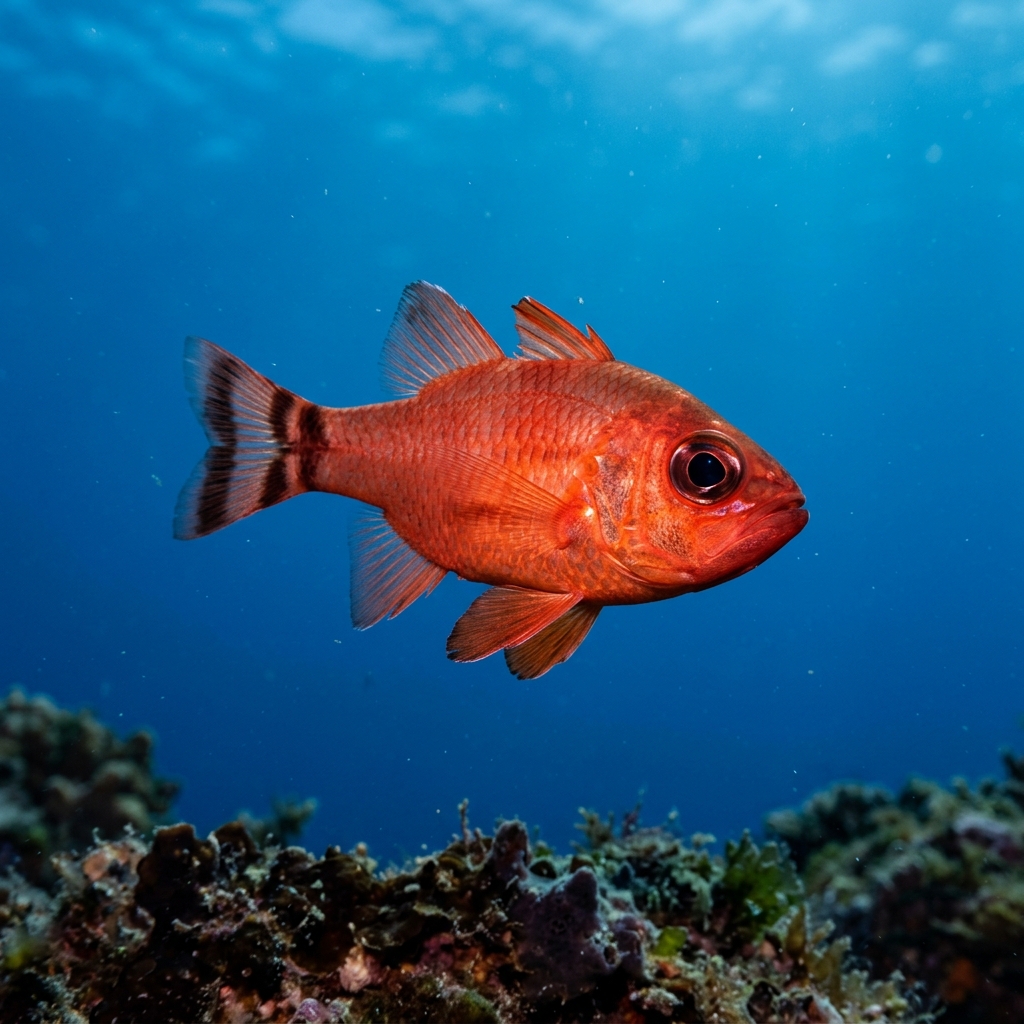
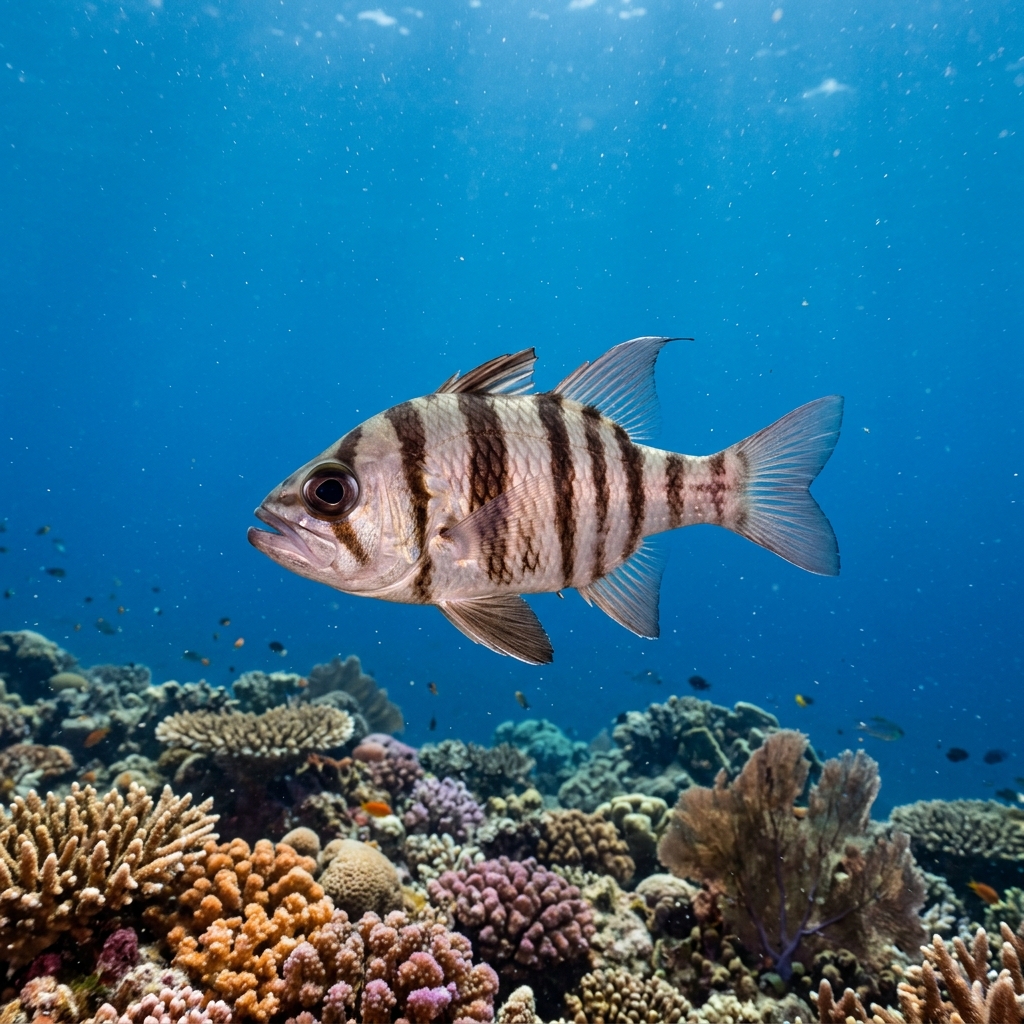
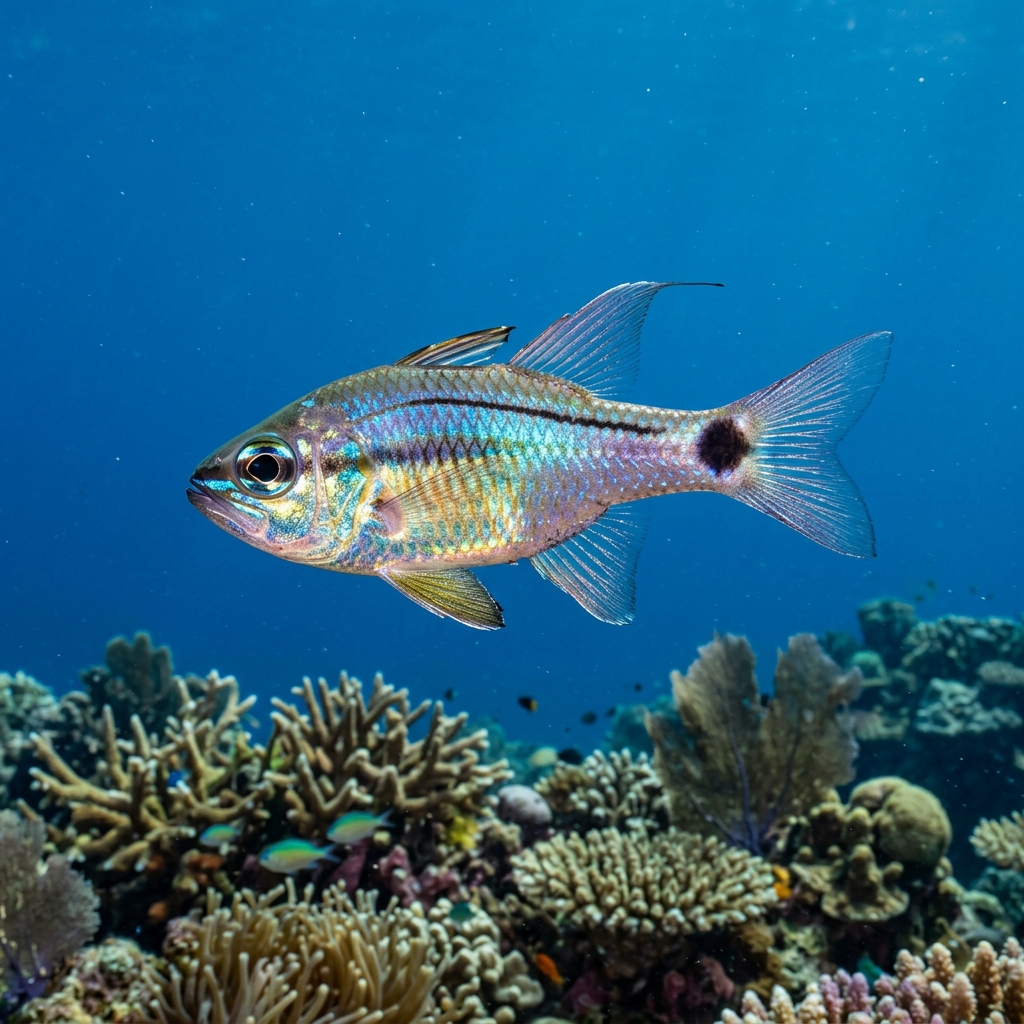
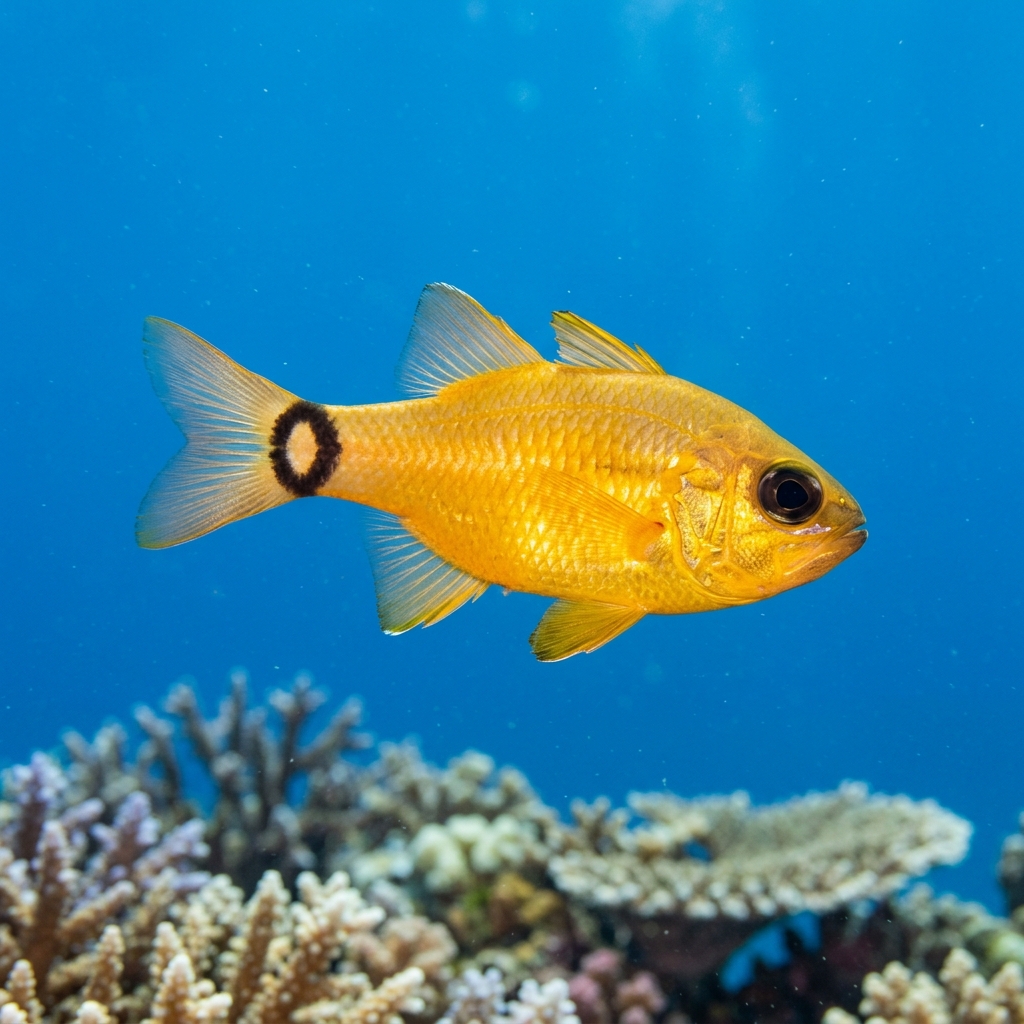
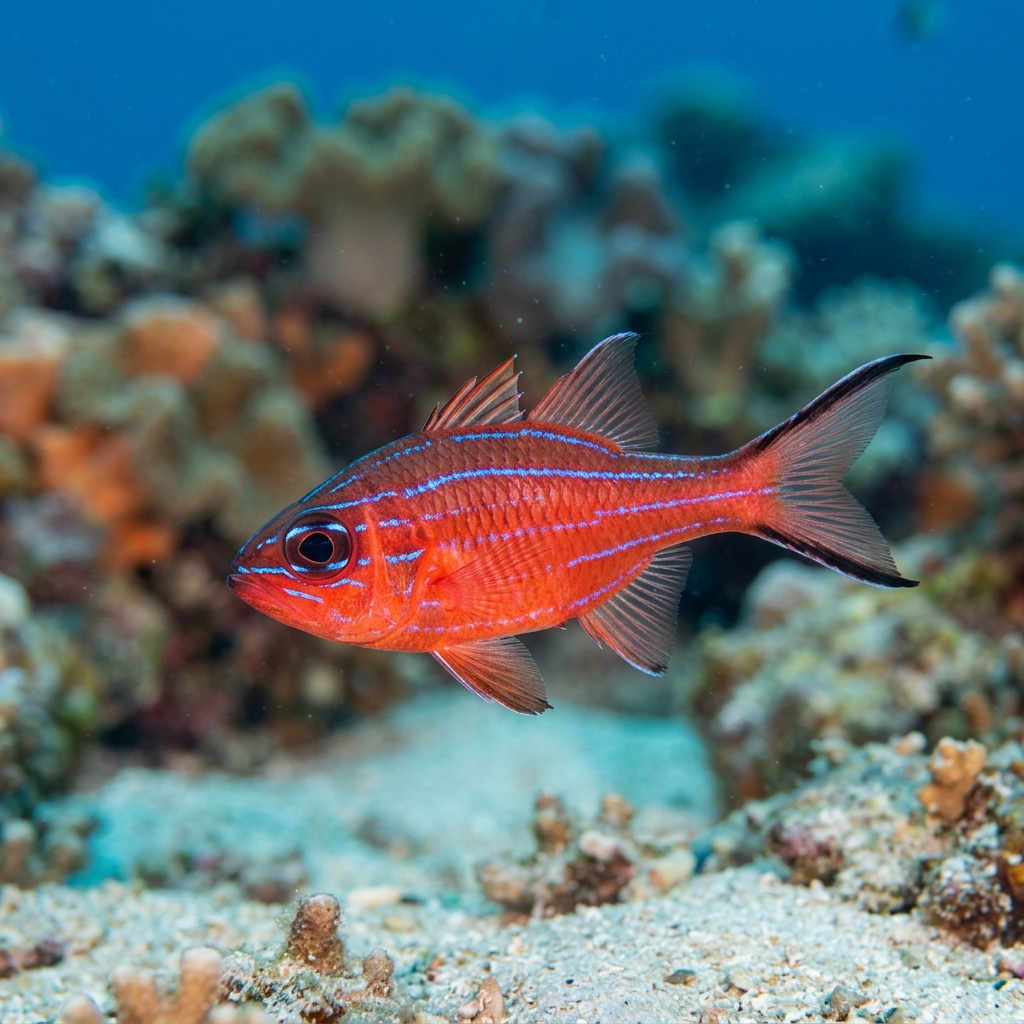
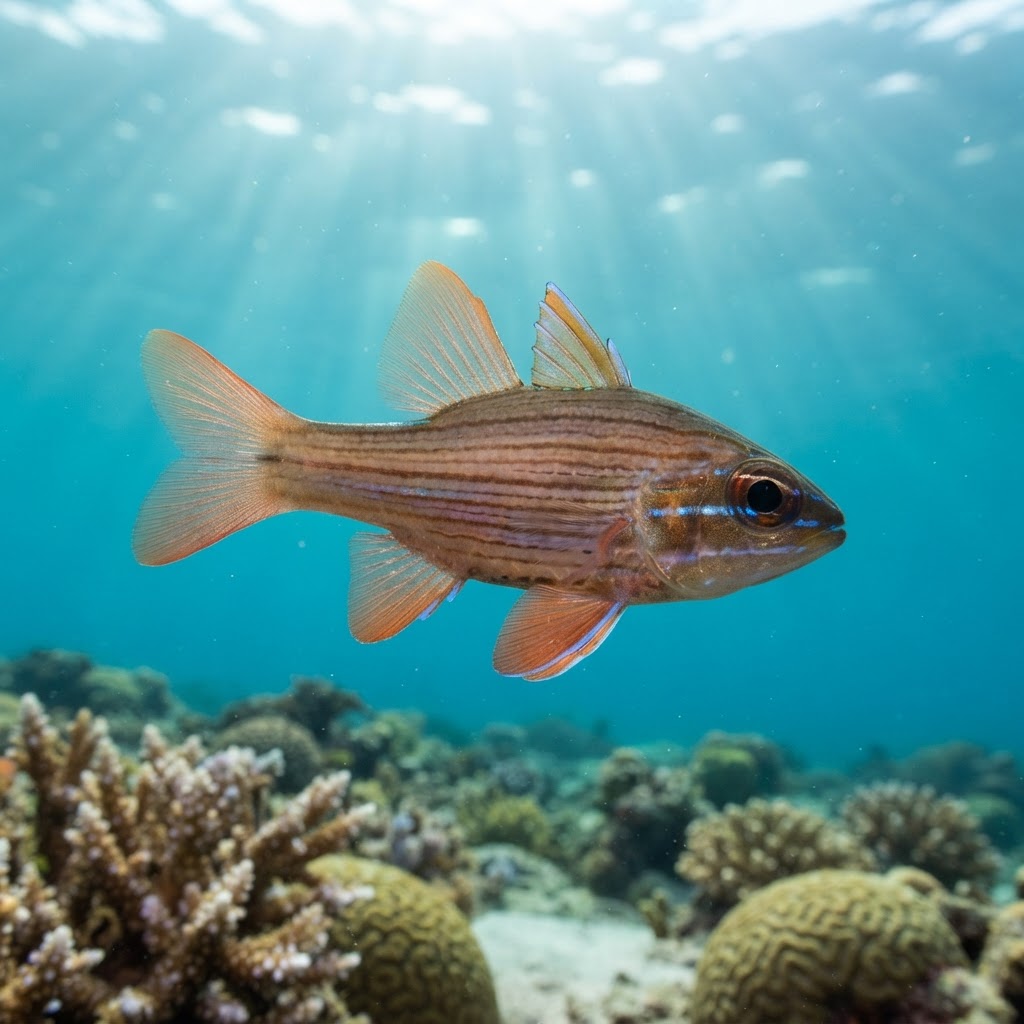
A small, slender cardinalfish reaching about 7cm, with a series of narrow horizontal stripes running along a pale to brownish body. Look for the large eyes and slightly forked tail typical of the genus, and the way it hangs almost motionless in small groups near shelter rather than swimming out over open reef. The stripe count and fine detail are the real giveaway, so a close look or photo helps separate it from similarly patterned cardinalfish nearby.
Usually seen hovering in small, loose groups tucked close to coral heads, crevices or under ledges rather than out in open water. Like most cardinalfish it stays fairly still by day and becomes more active feeding on plankton after dark, and it tends to hold position rather than bolt when a diver approaches slowly.
Cardinalfish in this genus are mouth-brooders, with males carrying fertilised eggs in their mouth until the young hatch, a trait shared across the whole Apogonidae family.
No clear seasonal pattern shows up in the sightings, and with a comfortable range of 27.6 to 29.3C this fish is present on Visayas and Dili reefs all year round.
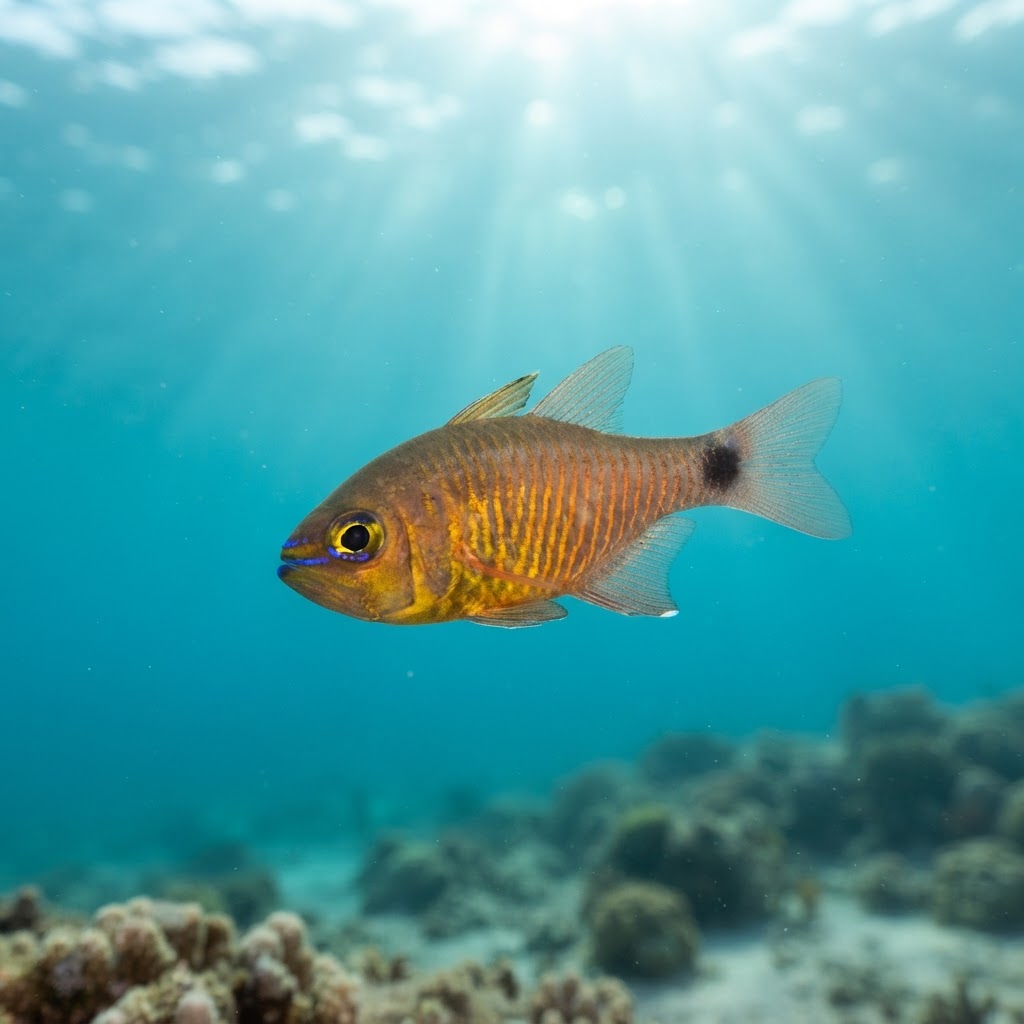
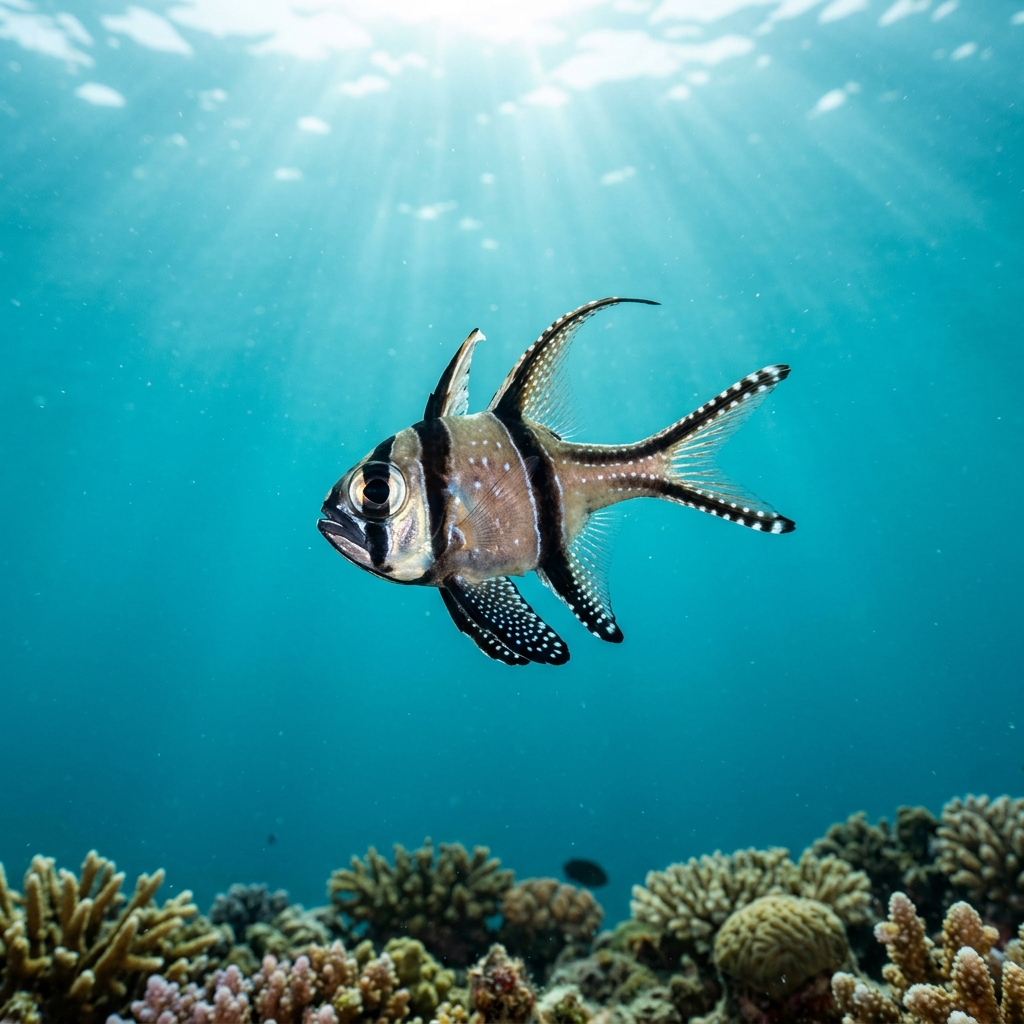
Reef neighbours a diver could mistake it for. Use the identification notes above to tell them apart.
Most consistently logged in the Philippines, especially across the Visayas region, with a smaller but reliable presence around Dili in Timor-Leste. Divers searching muck and reef sites in these two areas have the best documented odds of a sighting.
Mapping where Many-lined Cardinalfish is logged…
Sightings cluster in the Philippines, particularly the Visayas region, with a smaller number of logged sightings around Dili in Timor-Leste. It is considered an uncommon find even at these sites, so it takes a patient look.
There is no detected season, so any time of year works. Warm water between roughly 27.6 and 29.3C on Visayas and Dili reefs keeps it present year-round.
Check for a small slender body around 7cm with multiple fine horizontal stripes, large eyes and a habit of hovering near shelter in small groups. Comparing stripe pattern against similar species like the Fivelined or Blue-striped Cardinalfish is the safest way to confirm it.
They stay small, typically around 7cm in length, which is normal for cardinalfish in this genus.
No, they pose no danger to divers. They are small, shelter-loving fish that simply hold position near reef structure as you pass.
Like other cardinalfish, males brood fertilised eggs in their mouth until the young are ready to hatch, protecting the next generation until they can fend for themselves.
Site and sighting data is aggregated from diver logs, iNaturalist and GBIF. For taxonomy and conservation status:
Iridescent Cardinalfish
1,781 sites