Amphichaetodon howensis
An uncommon cool-water butterflyfish logged around North Island, New Zealand, in waters as cold as 16.7C. Here's how to spot one.
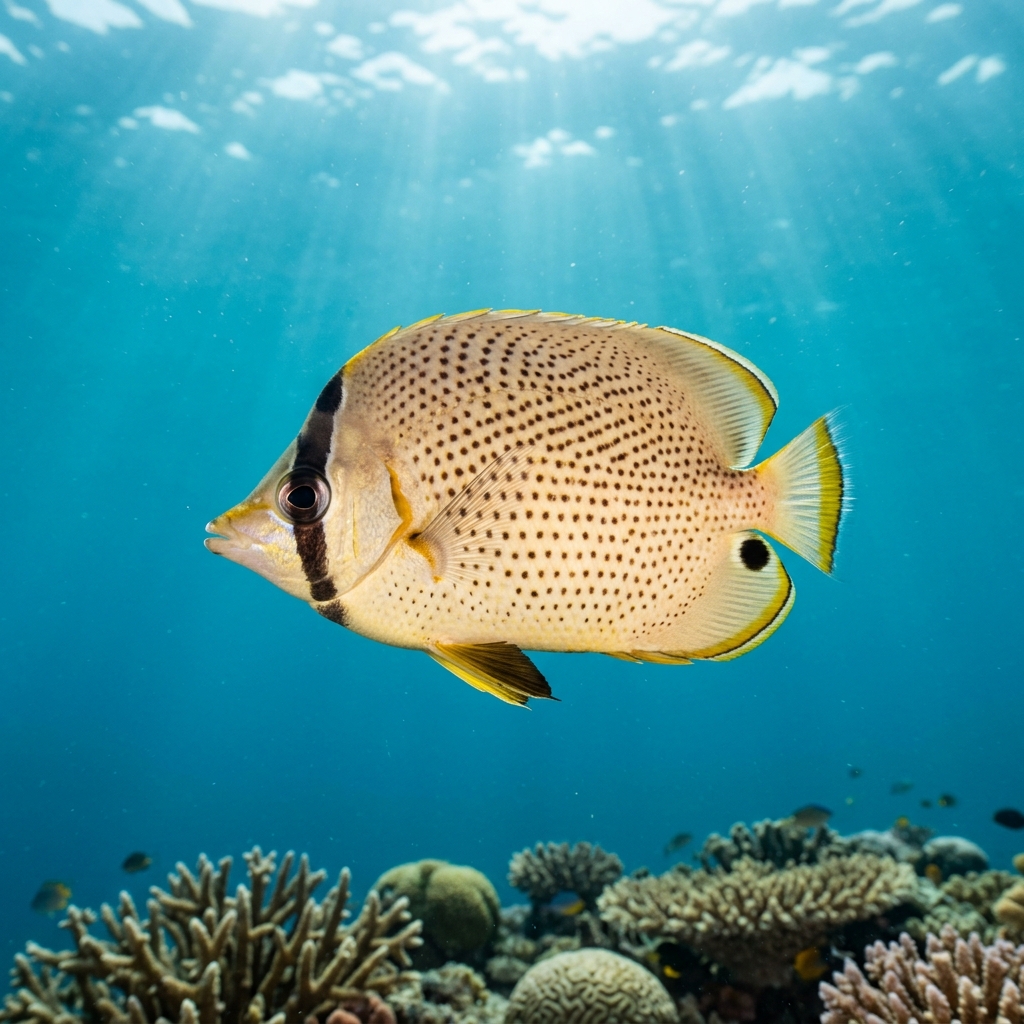
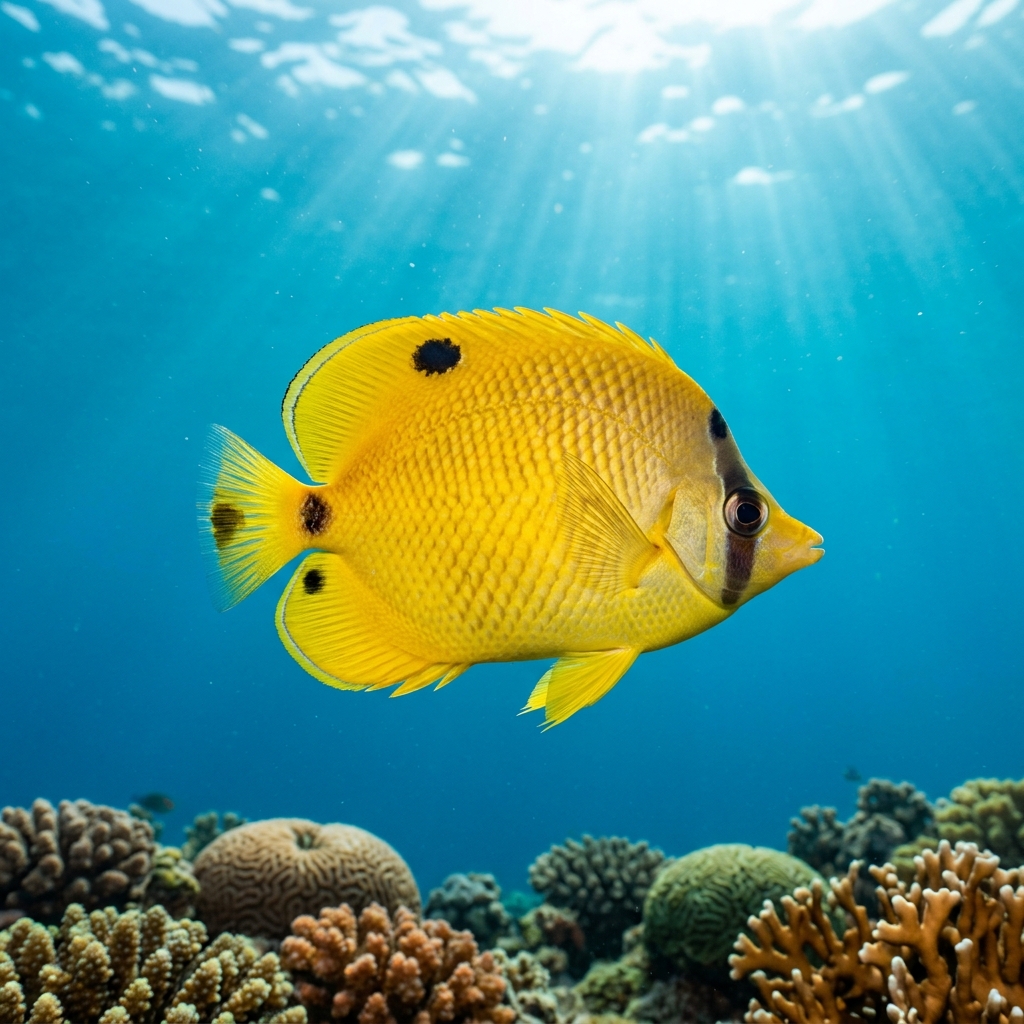
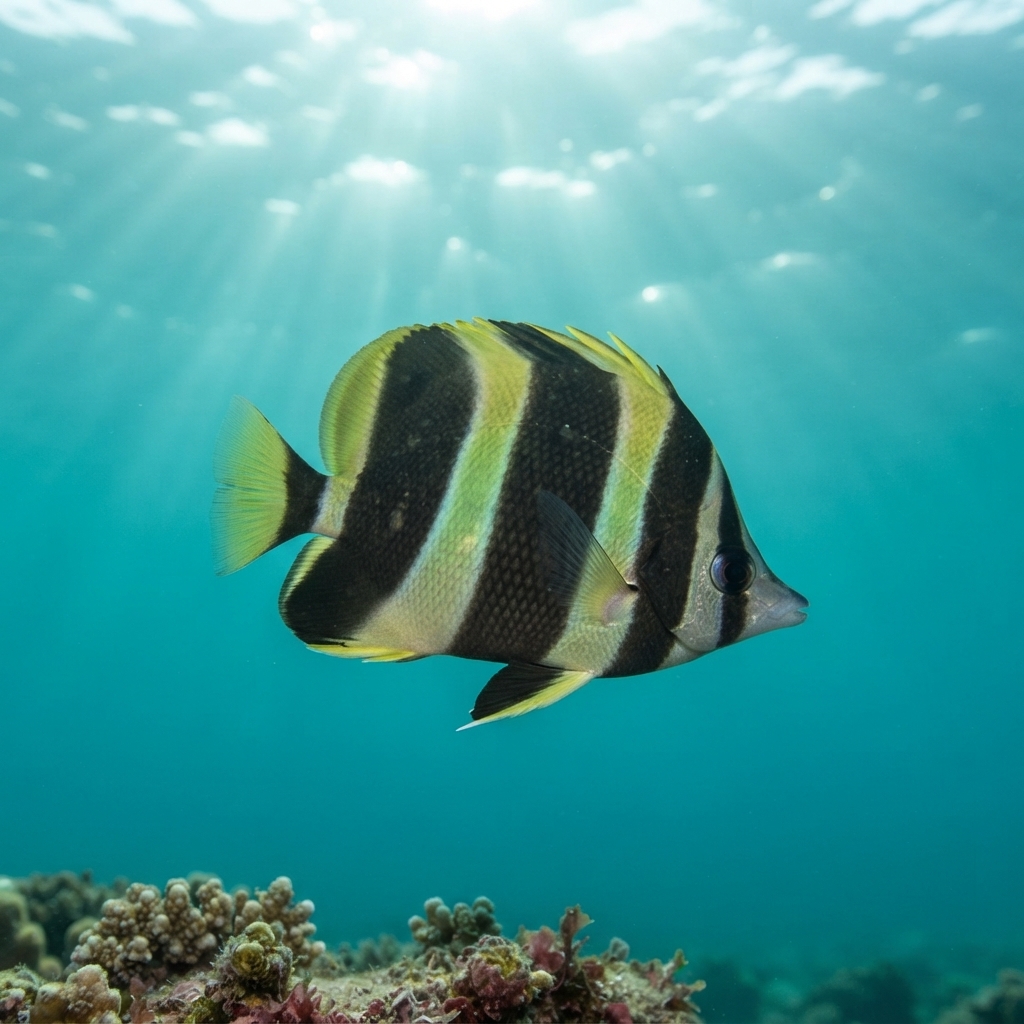
A pale, silvery-white body with faint dark cross-hatching along each scale gives it a subtly checkered look rather than bold blocks of colour. A dark band runs through the eye and another crosses near the tail base, both narrower and less contrasty than on tropical butterflyfish. At 13 cm it sits smaller and drabber than most reef butterflyfish, which suits its cooler, rockier habitat.
Divers log it as an uncommon find, usually solitary or in loose pairs, picking around rocky reef structure rather than open sand. It's not a fish that schools or shows off, so expect brief, low-key encounters rather than a fish that lingers for photos. Its cooler-water range means it's often found tucked among reef crevices rather than cruising open water.
It belongs to a small genus of butterflyfish that has broken from the family's tropical mould entirely, adapting to temperate reefs in the southwest Pacific where most of its relatives can't survive.
Sightings show no detected seasonal pattern, and the wide observed range of 16.7 to 24.7C suggests it tolerates New Zealand's temperate swings well enough to be found across the year. Treat it as a year-round possibility rather than a seasonal target.
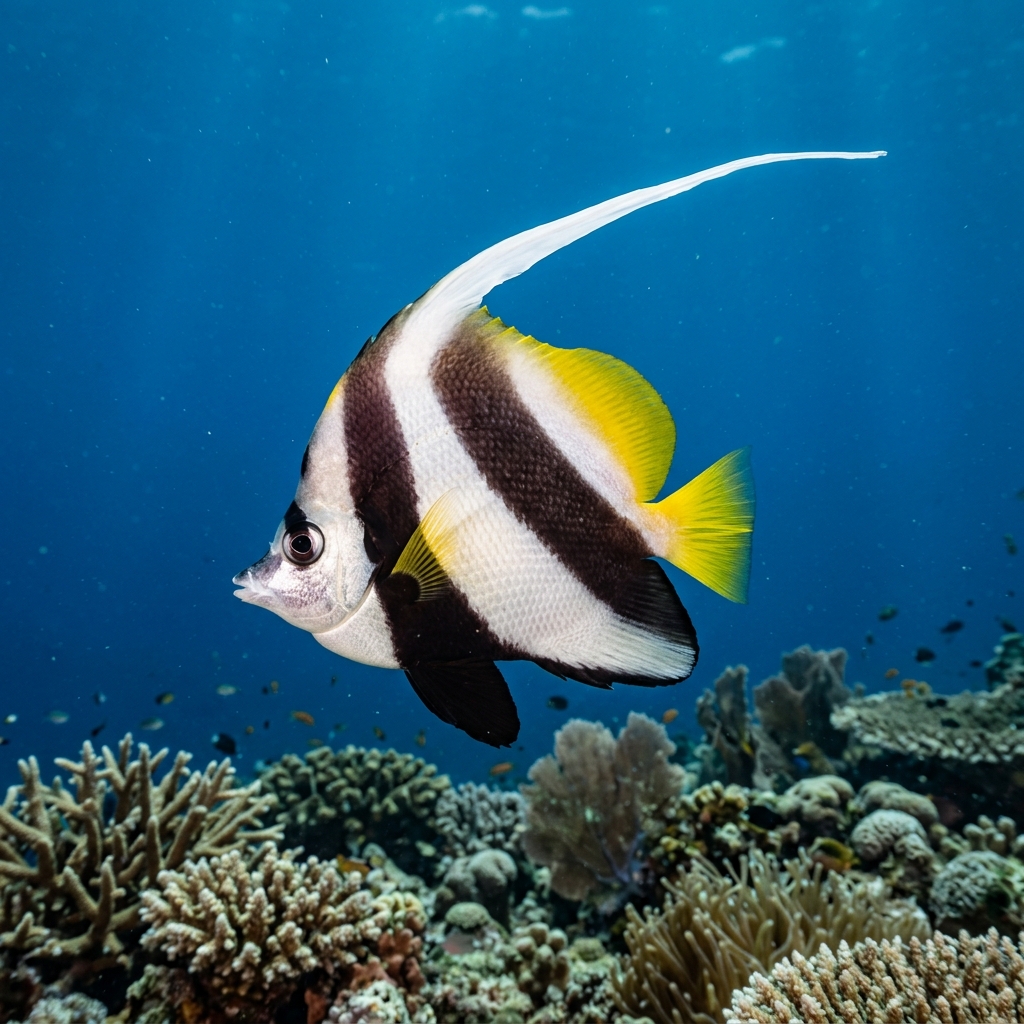
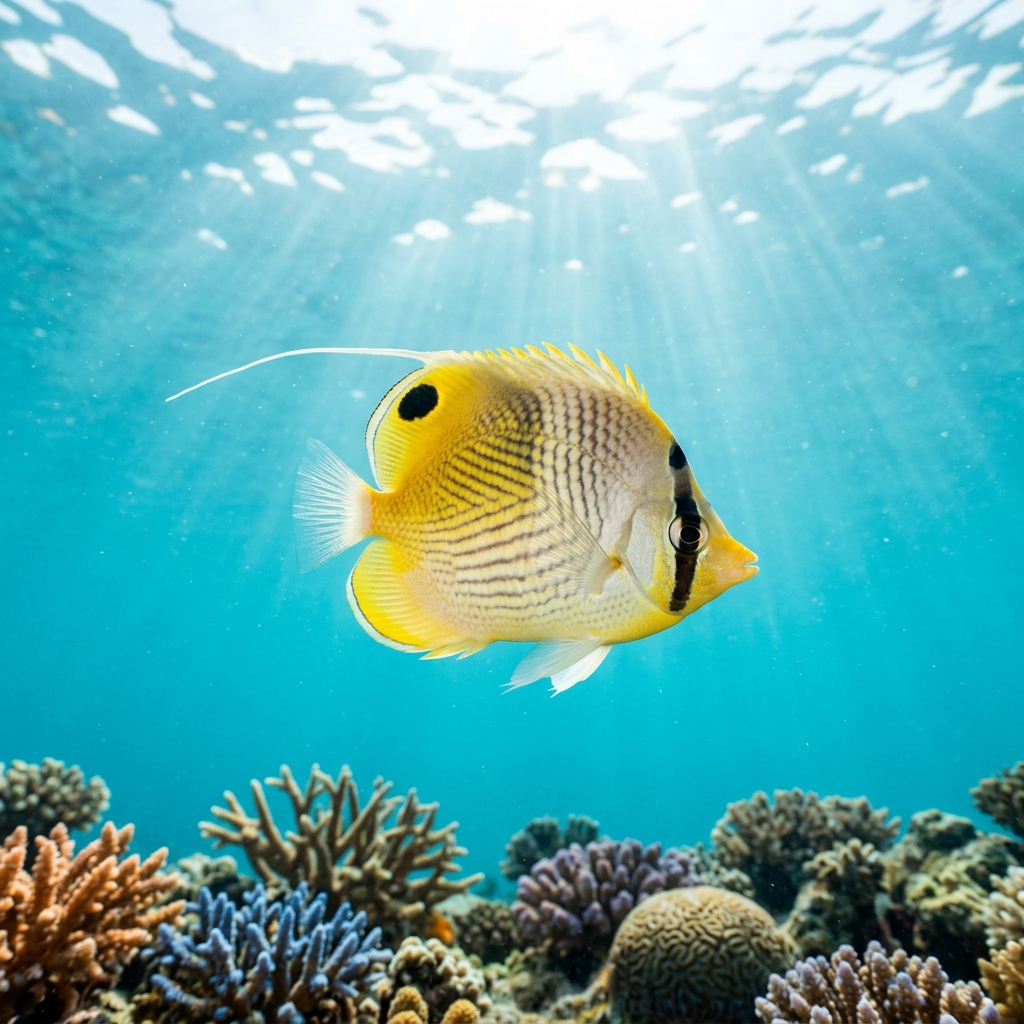
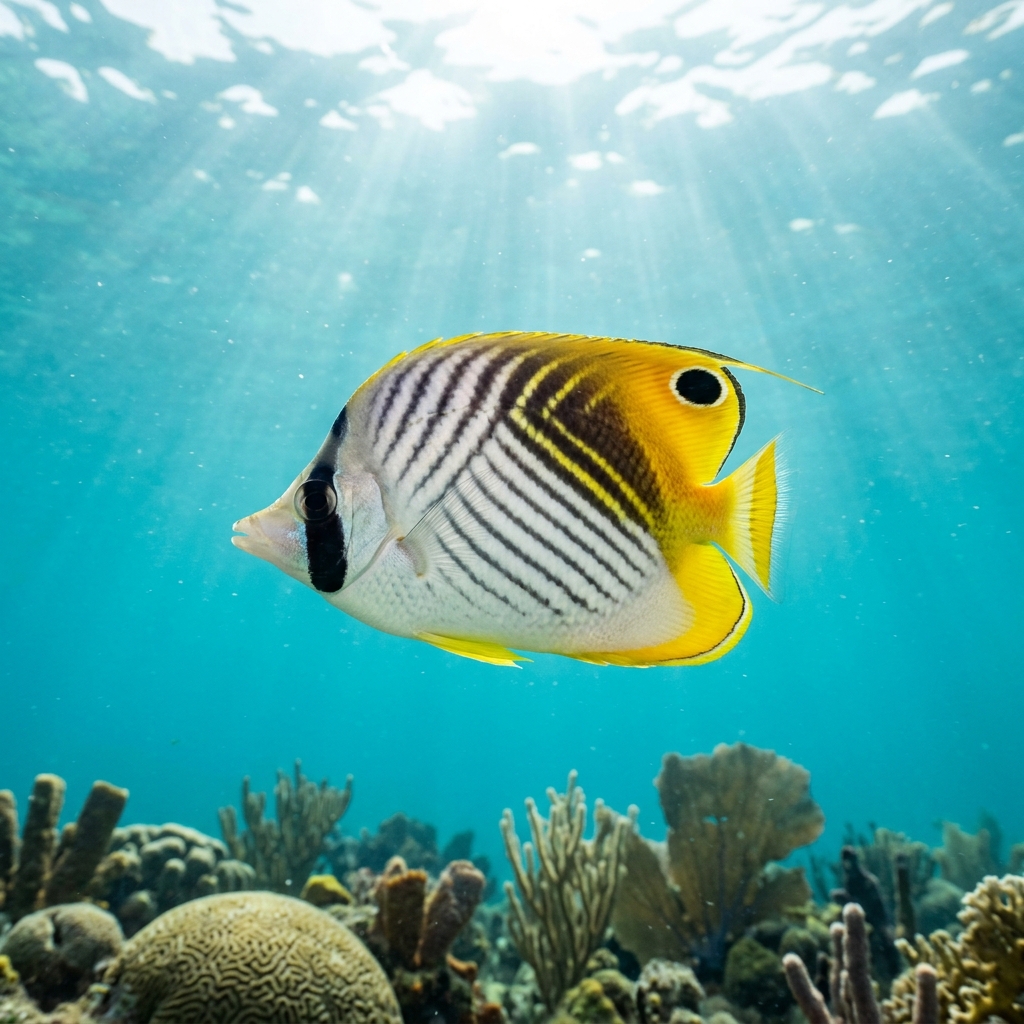
Reef neighbours a diver could mistake it for. Use the identification notes above to tell them apart.
This is very much a New Zealand fish on the data: it turns up almost exclusively around North Island sites, with a single logged record across the Tasman in New South Wales, Australia. If you're chasing one specifically, plan your dive around North Island's temperate reefs rather than tropical Australian sites.
Mapping where Lord Howe Butterflyfish is logged…
Almost all logged sightings come from North Island, New Zealand, with a single record from New South Wales, Australia. It's the go-to region if you want a realistic shot at finding one.
There's no clear season in the sighting data, and it's recorded across a wide temperature range from 16.7 to 24.7C, so it's considered a year-round sighting in New Zealand waters.
Look for a small, pale butterflyfish around 13 cm with faint cross-hatched scale markings and a dark eye band, found on rocky temperate reef rather than coral. Its muted colouring compared to tropical butterflyfish is a key clue.
They typically reach about 13 cm, making them a small, easy-to-overlook member of the butterflyfish family.
It's logged as uncommon at every site where it's been recorded, so sightings happen but aren't guaranteed even on repeated dives in its known range.
Site and sighting data is aggregated from diver logs, iNaturalist and GBIF. For taxonomy and conservation status: