Berthellina citrina
A rare 2cm yellow slug logged on reefs in Victoria, Australia and North Island, New Zealand in cool 15.6-22C water.
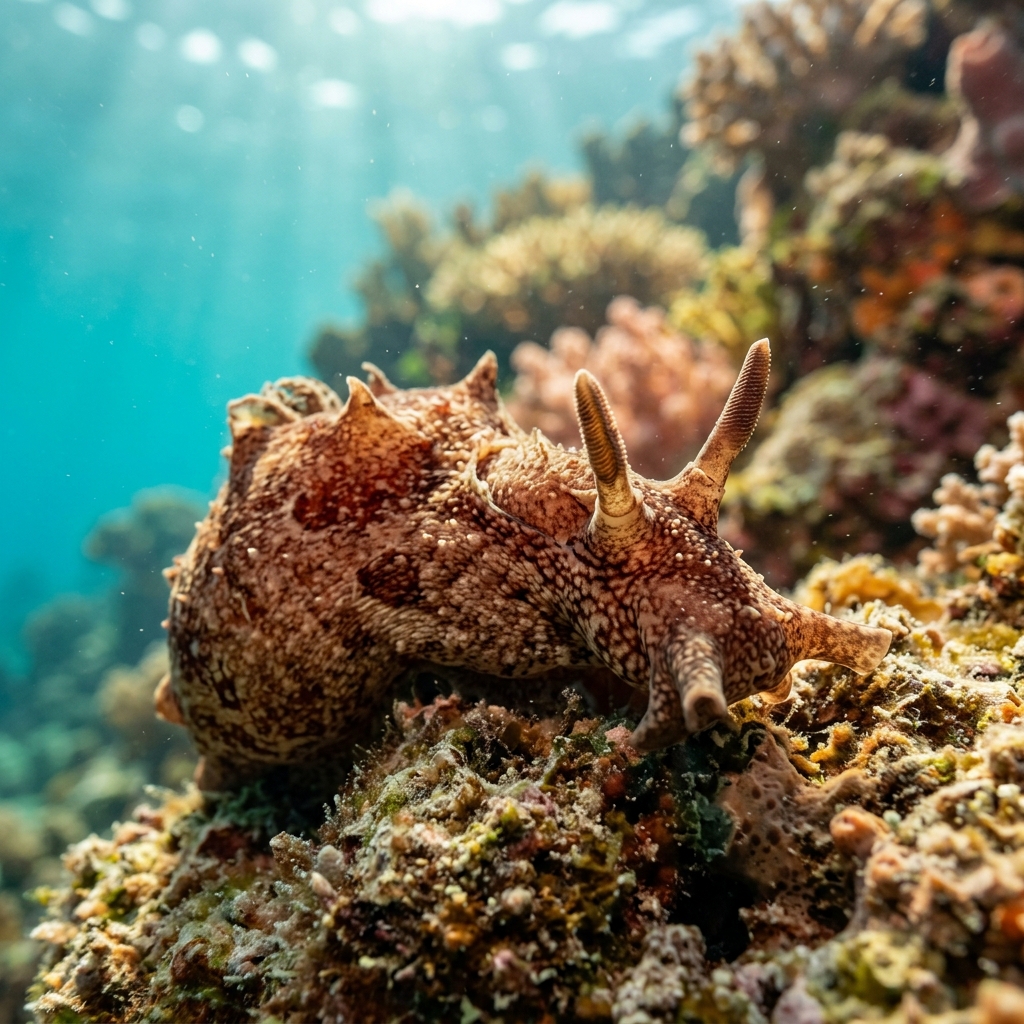
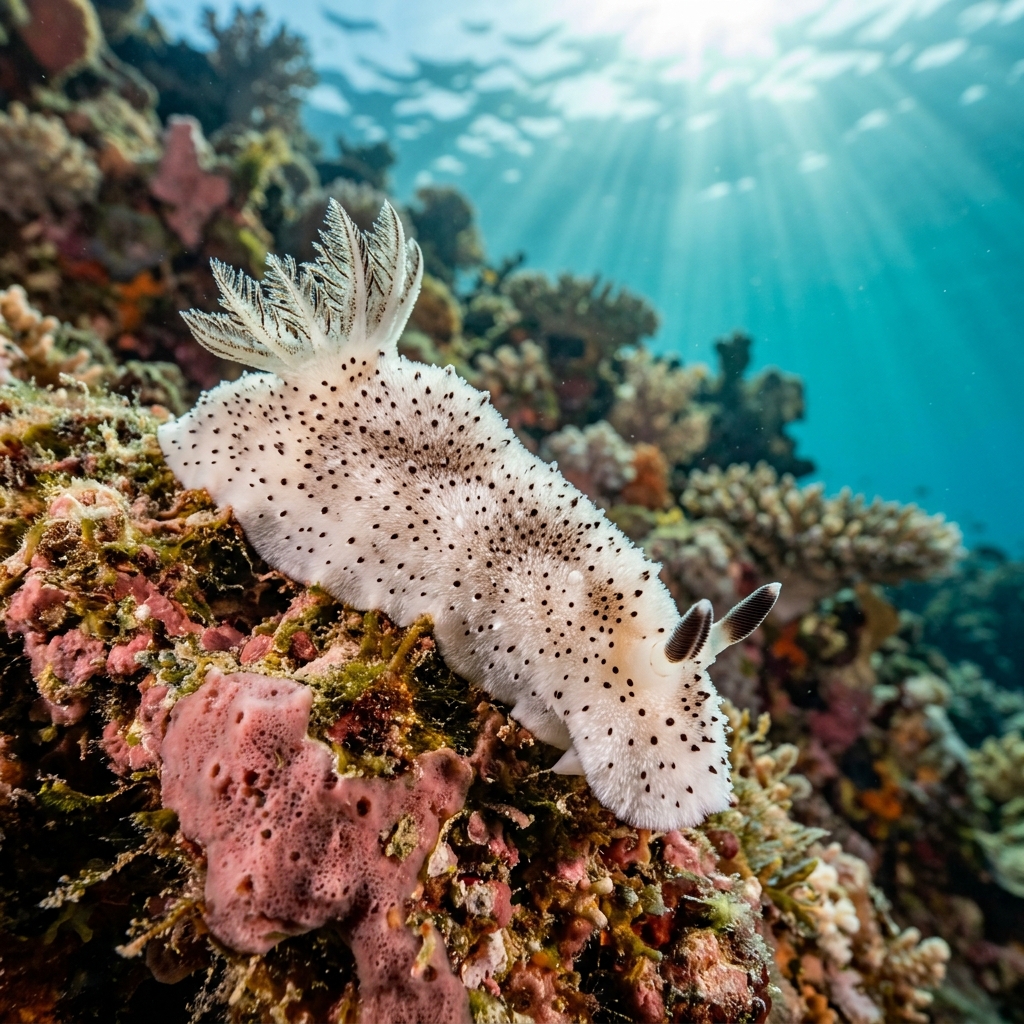
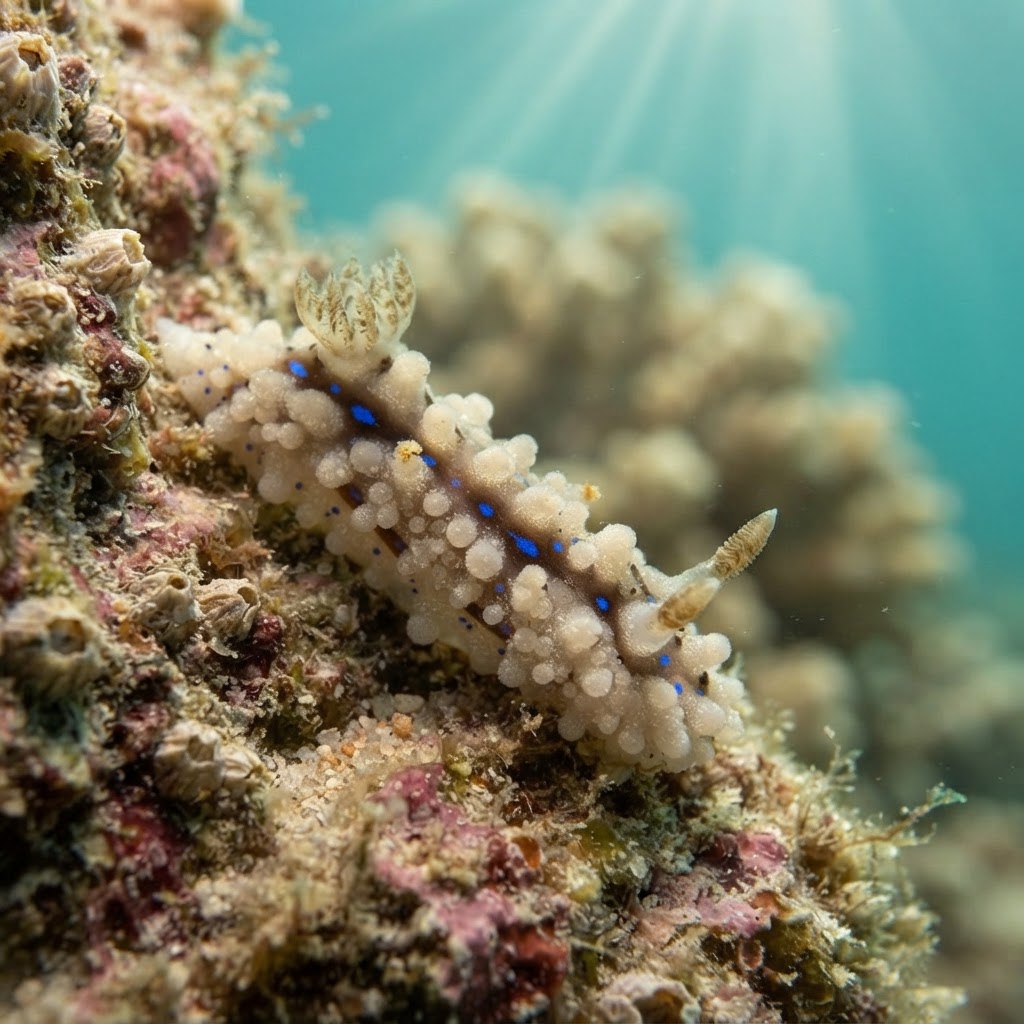
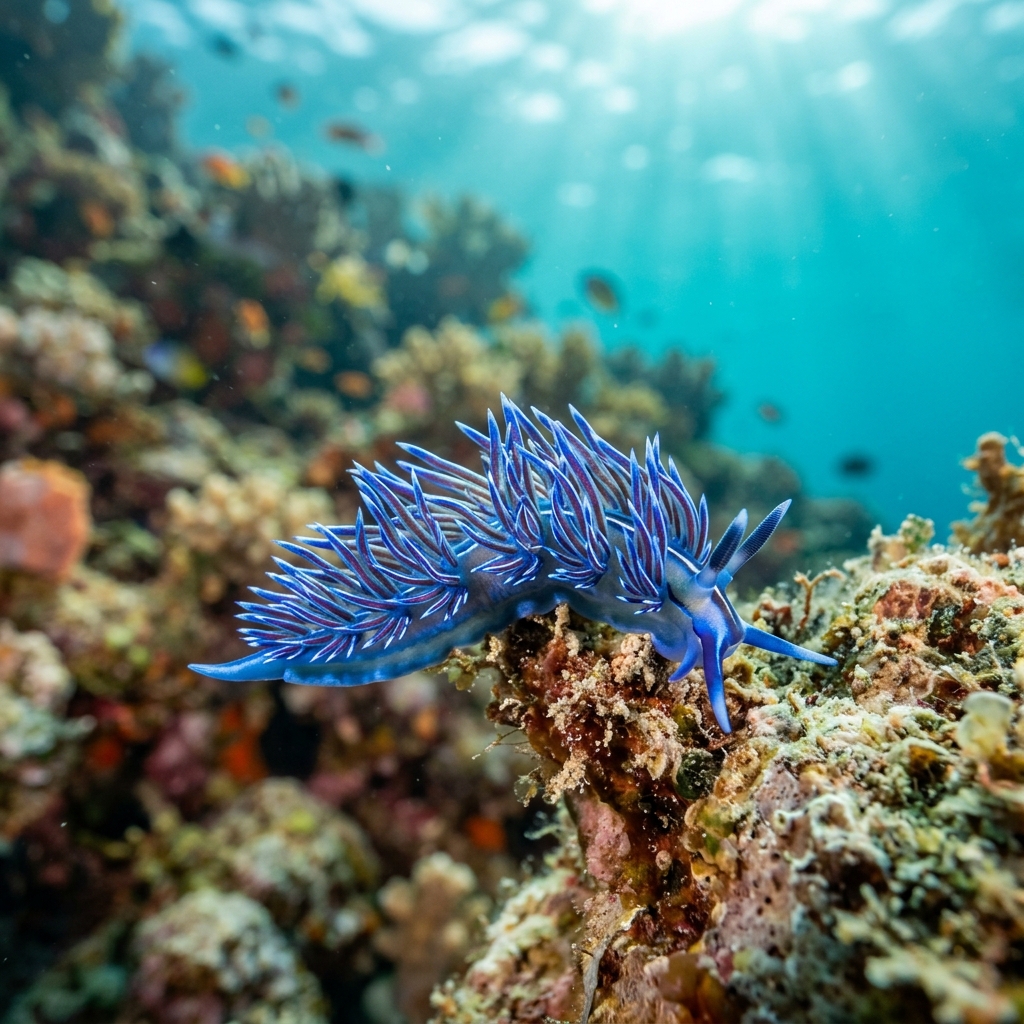
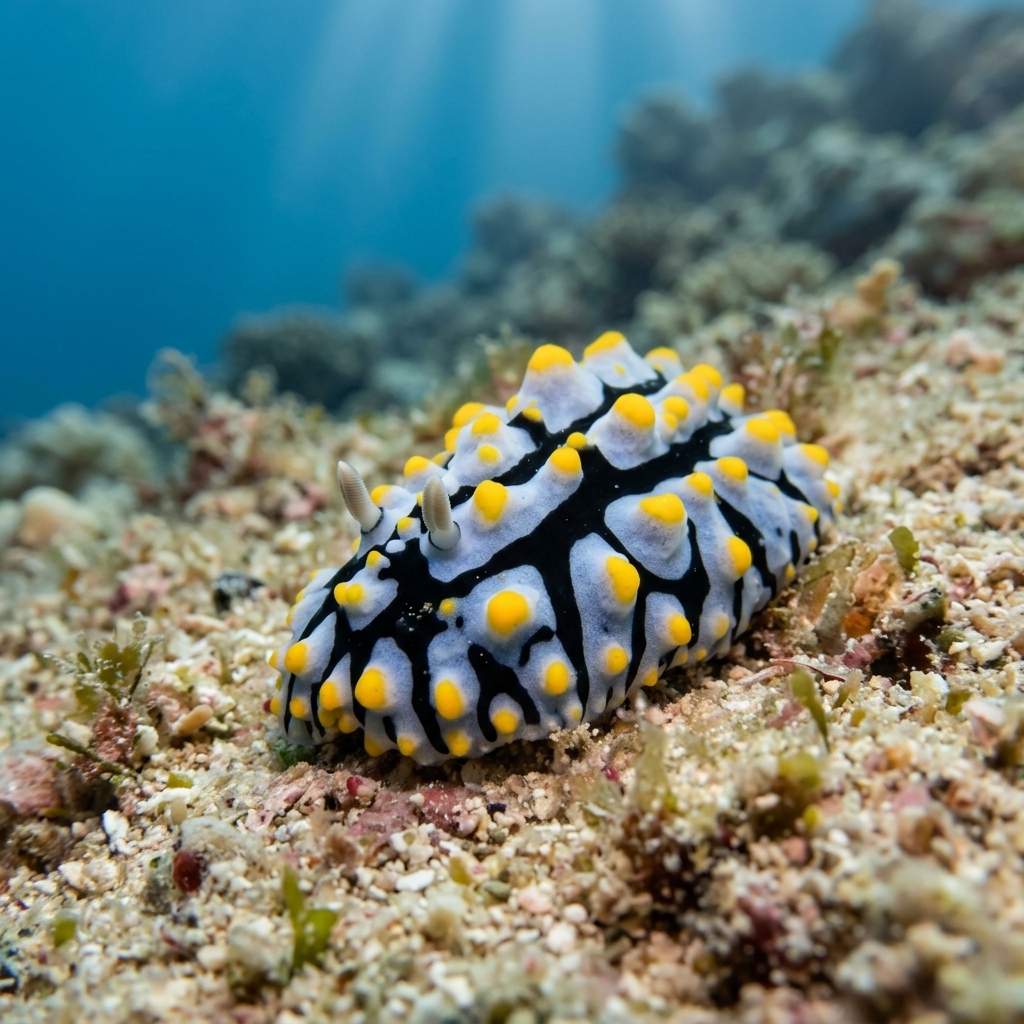
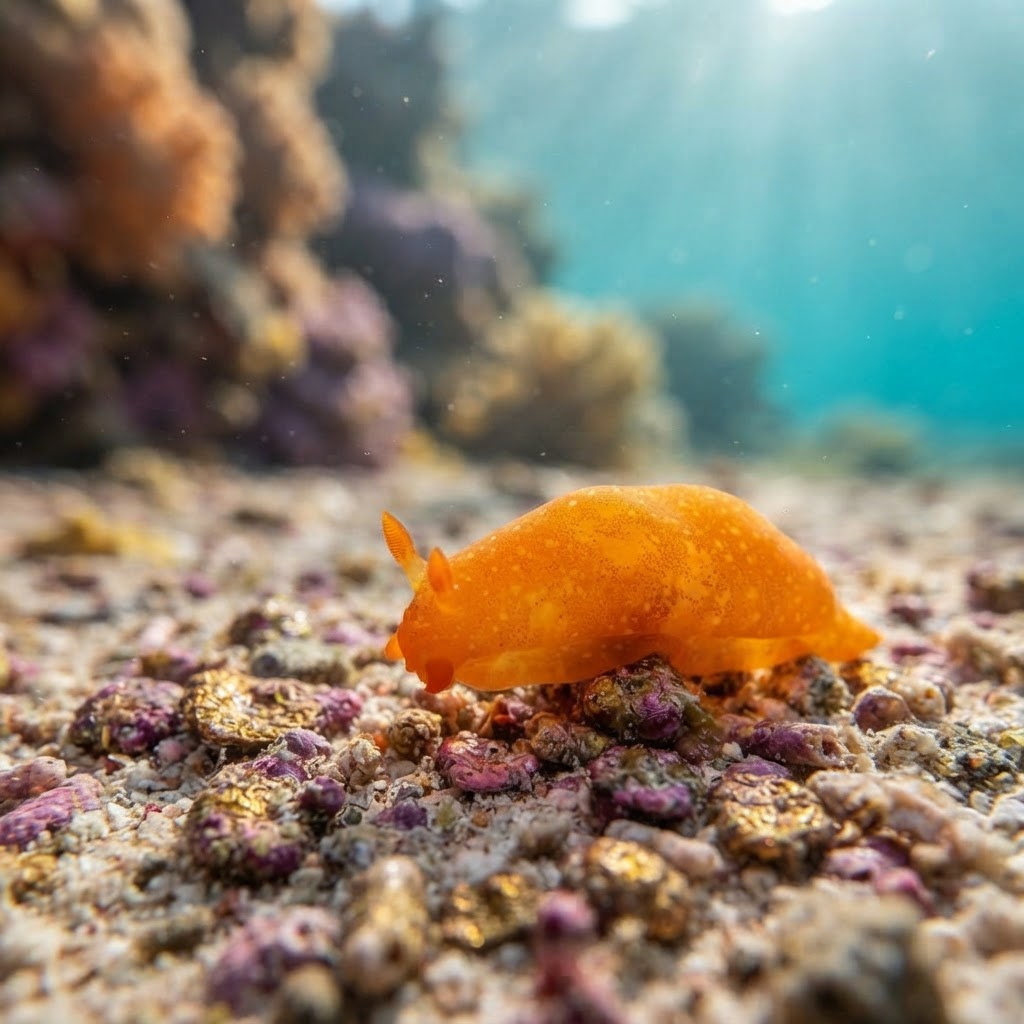
A small, smooth-bodied slug barely 2cm long, coloured a solid lemon to golden yellow with no obvious pattern breaking up the body. The mantle is soft and rounded, almost slug-like rather than frilly, lacking the branching gills or bright racing stripes seen on many nudibranchs. Its plain, uniform colour and low profile against rock or algae are the main things to key on, since there is nothing flashy to spot until you are close.
Divers typically find this one sitting still on rock, algae, or reef rubble in cool temperate water, moving slowly if at all when approached. It shows no defensive reaction to divers and is easy to pass right over given its small size and plain colouring, so a slow, close look at likely surfaces is usually needed to spot one.
Like other pleurobranchs, it lacks the exposed feathery gill cluster of true nudibranchs, instead breathing through a gill hidden under the mantle edge, which is part of why it looks smoother and less showy underwater.
Sighting data does not show a clear season, so treat it as a year-round possibility within its cooler temperature niche of roughly 15.6 to 22C. Divers in southern Australia and New Zealand waters have logged it across different times of year without an obvious peak month.
Logged sites cluster in Victoria, Australia and North Island, New Zealand, making these two regions the most reliable places to look. It is not a species you will find on every dive even there, with most sightings coming through as rare rather than a guaranteed find.
Mapping where Lemon Pleurobranch is logged…
The most consistent logged sightings come from Victoria in Australia and North Island in New Zealand. Even in these regions it is considered a rare find, so it is worth searching rock and algae surfaces closely rather than expecting an easy spot.
There is no strong seasonal pattern in the sighting data, so it can turn up year-round in its cool water range of about 15.6 to 22C. Temperate reef dives in southern Australia and New Zealand at any time of year have a chance of one.
Look for a small, smooth-bodied slug around 2cm long, coloured a uniform lemon yellow with no strong pattern. It has a rounded mantle rather than the frilly gill plumes seen on many nudibranchs, so it looks plainer and lower-profile than most slugs divers photograph.
They stay small, typically around 2cm in length, making them an easy species to miss on a reef or rock wall unless you are looking closely.
No, this species poses no danger to divers. It has no sting or bite of concern and simply sits on the reef surface, safe to observe and photograph up close.
Unlike true nudibranchs, it does not carry an exposed feathery gill on its back. Instead its gill sits hidden beneath the edge of the mantle, giving it the smoother, less ornate look divers notice compared to typical nudibranch finds.
Site and sighting data is aggregated from diver logs, iNaturalist and GBIF. For taxonomy and conservation status:
Light-spotted Aegires
3,168 sites