Jorunna tomentosa
Spot the Grey Sea Slug in Zeeland, Northern Ireland or Brittany. A cold-water nudibranch found mainly Jan, Aug in 5-17°C seas.
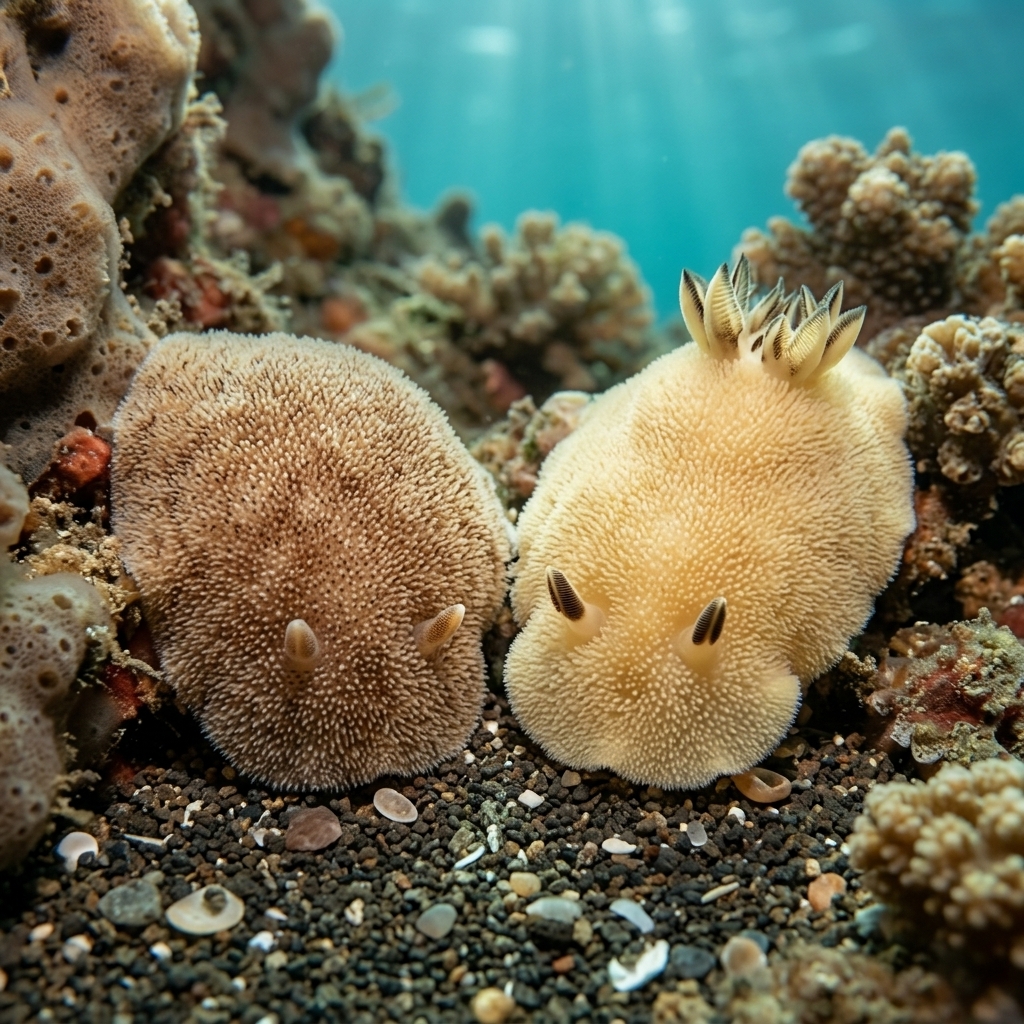
A small, flattish nudibranch covered in a dense mat of tiny caryophyllidia (soft sensory tubercles) that give the mantle a distinctly velvety or fuzzy texture, this is the feature to lock onto underwater. Overall colour is pale grey to creamy white, sometimes with faint brown speckling, and the gill plume at the rear is typically darker at the tips. Body shape is oval and low-profile, hugging the rock surface as it moves. Because the texture is the key field mark, look closely: if it looks like a tiny grey suede cushion, you are almost certainly looking at this species.
You will most often find this slug moving slowly across rock, kelp holdfasts, or encrusting sponge, the likely food source, at close range to the substrate. It shows little reaction to diver approach, making it a cooperative photographic subject as long as you move carefully to avoid disturbing the surrounding reef. Most encounters are solitary, though two individuals are occasionally found in proximity during breeding periods.
The velvety surface texture comes from hundreds of caryophyllidia, which are stiff club-tipped structures thought to have a sensory function. This is the same structural feature that inspired the internet comparison to a tiny bun (or 'sea bunny'), though the grey sea slug is far less often photographed than its Japanese relative.
In the Northern Hemisphere, sightings concentrate between January and August, suggesting late winter through summer is the most productive window to look. This aligns with the species' preference for cold water, typically 5-17°C, so temperate Atlantic dive seasons are the sweet spot.
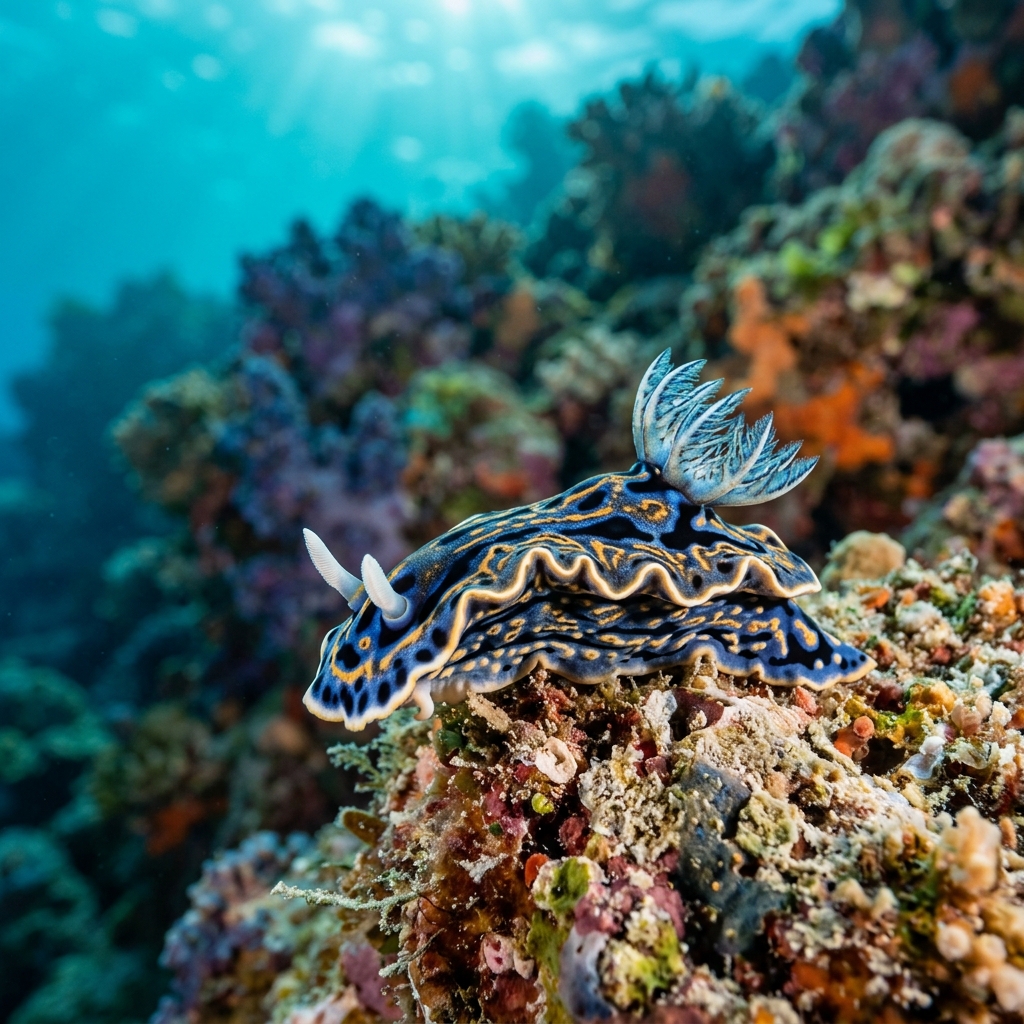
Reef neighbours a diver could mistake it for. Use the identification notes above to tell them apart.
Most consistently logged across the Netherlands, particularly Zeeland, along with Northern Ireland and the coasts of Brittany and Normandy in France. The United Kingdom as a whole accounts for a large share of all records, with South Coast England and South West England & Wales both contributing meaningful sightings. Southern Norway, Galicia in Spain, and Portugal round out the European range, and a smaller cluster of records comes from South Africa.
Mapping where Grey Sea Slug is logged…
The strongest concentration of records comes from Zeeland in the Netherlands, Northern Ireland, and the Brittany and Normandy coasts of France. The United Kingdom overall is the most-logged country, with further sightings from Norway, Spain, Portugal, Ireland, and a small number from South Africa.
Northern Hemisphere sightings are concentrated from January through August, so late winter to mid-summer gives the best odds. The species favours cold water between about 5°C and 17°C, meaning the typical temperate Atlantic dive season lines up well with activity periods.
Look for a small, oval nudibranch with a pale grey or creamy white mantle that appears distinctly velvety or fuzzy due to dense sensory tubercles covering its surface. The gill plume at the rear is usually darker-tipped. That suede-like texture is the single most reliable field mark.
At most sites where it has been recorded, the grey sea slug is logged as rare, so finding one requires deliberate searching of rocky substrate and sponge patches rather than a chance encounter in open water. At a smaller number of well-known sites it does turn up regularly enough to be considered common.
Site and sighting data is aggregated from diver logs, iNaturalist and GBIF. For taxonomy and conservation status:
Blue Dragon
3,163 sites