Tergipes tergipes
A tiny cold-water nudibranch turning up across Zeeland, Norway and Denmark in 8-14C water, year-round if you know where to search.
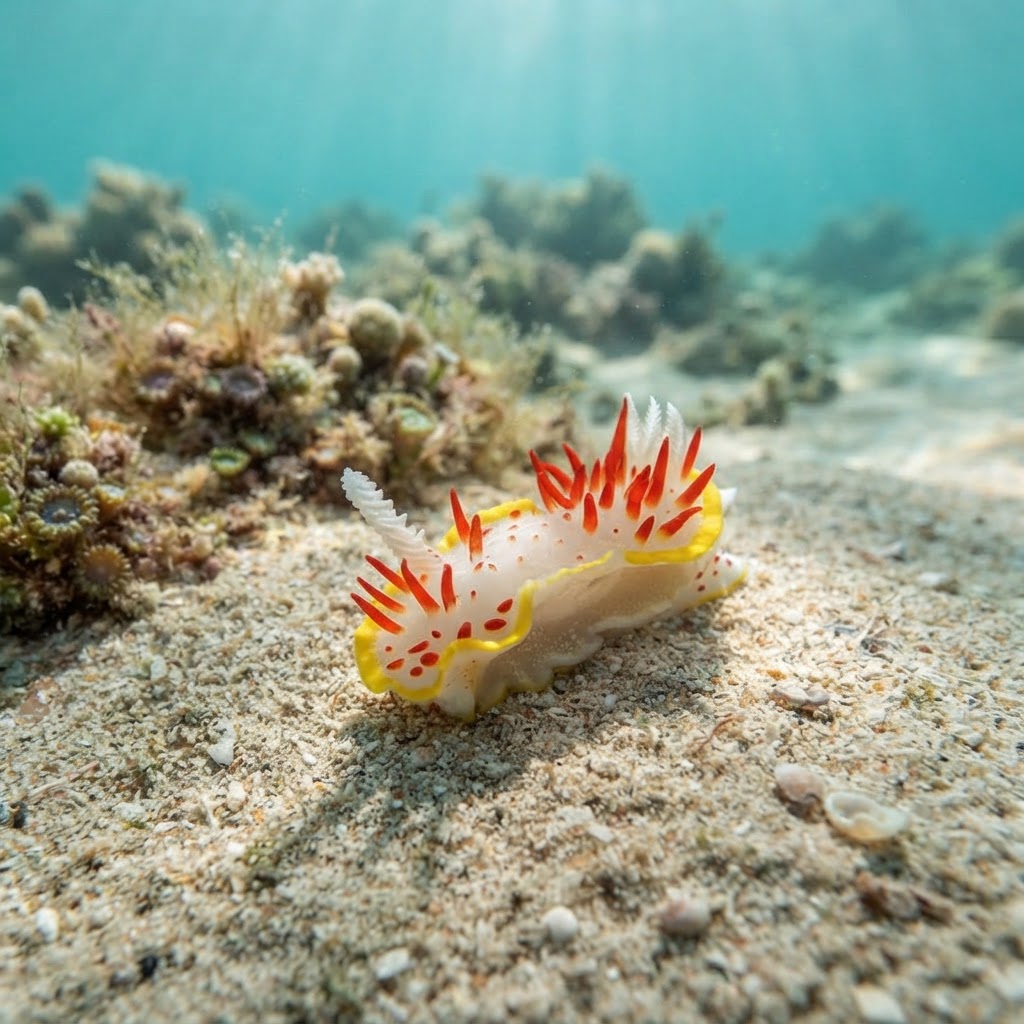
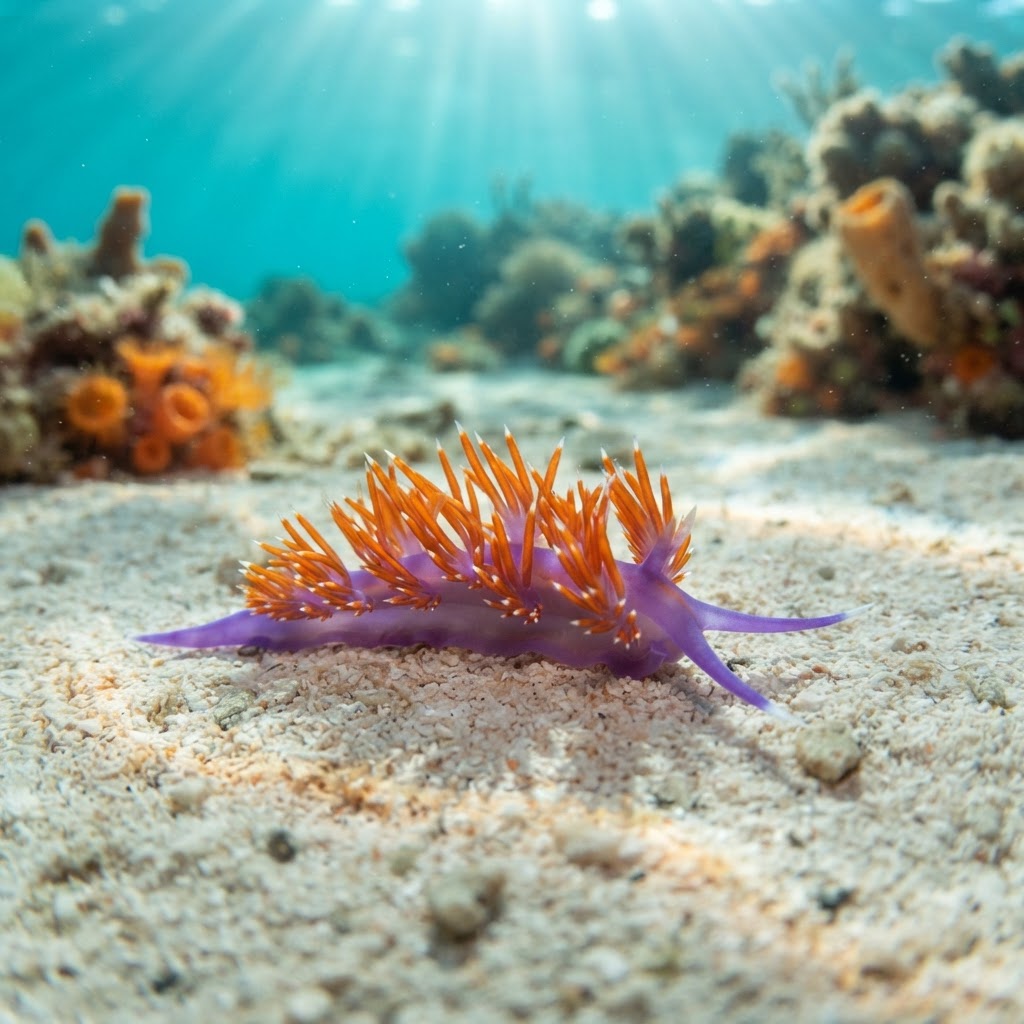
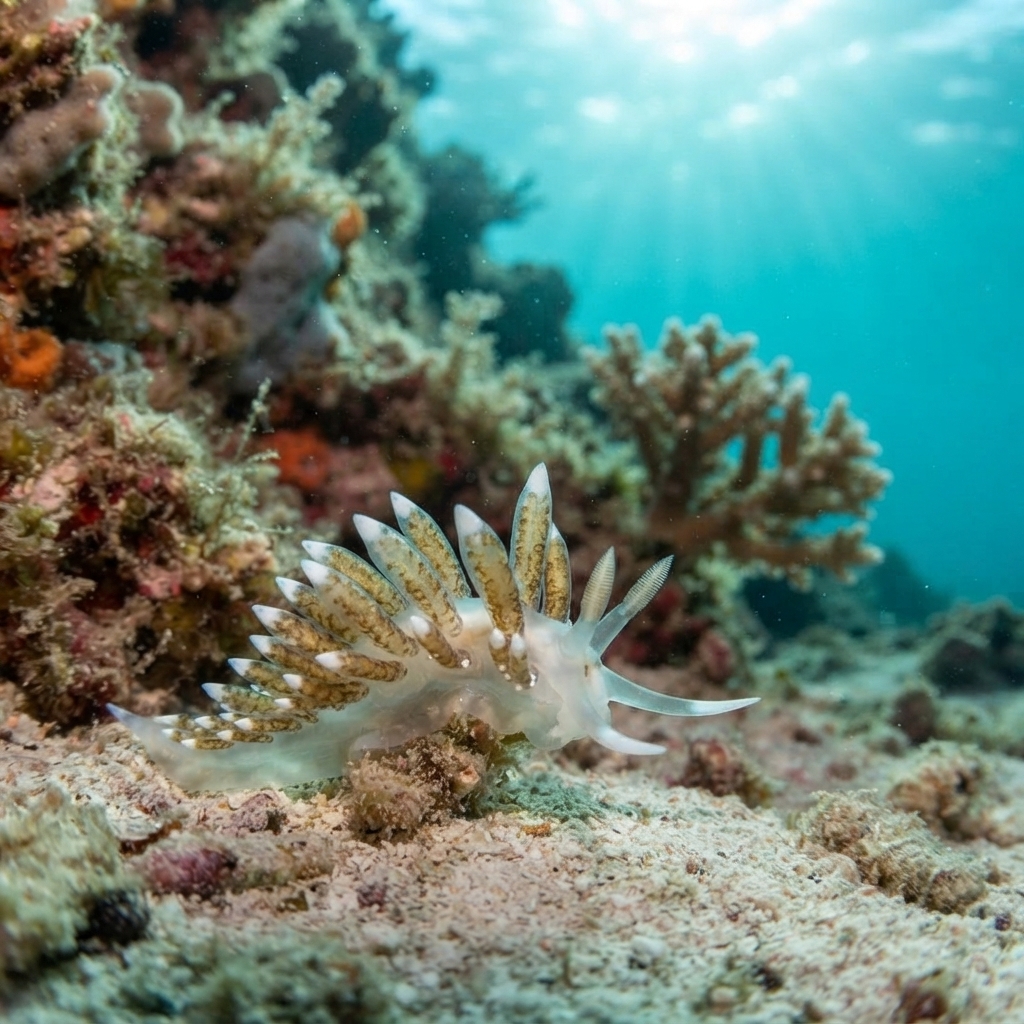
A very small sea slug, easy to miss without a macro lens, with a translucent to pale body covered in club-shaped projections (cerata) that often show an orange or brownish tip. It has no shell and moves slowly over rock and weed, relying on camouflage rather than colour to stay hidden. There is no reliable size given in the data, so treat it as a search-the-substrate species rather than something you will spot from a distance.
Divers find it moving slowly over rock, algae and hard structure while grazing, rather than out in the open water column. It shows no reaction to divers beyond continuing its slow crawl, so a careful, close look at likely surfaces is what actually produces a sighting. Most logs describe it as uncommon rather than something you stumble on by chance.
Like other members of its family, it almost certainly feeds on hydroids and stores stinging cells from its prey in those cerata tips as a defence, a trick common across this nudibranch group.
Sightings are not seasonal in the data, and with a temperature niche of 8 to 14.1C it seems to tolerate the cooler months in these regions just as well as the warmer ones, so treat it as a year-round find if you are diving these cold-water sites.
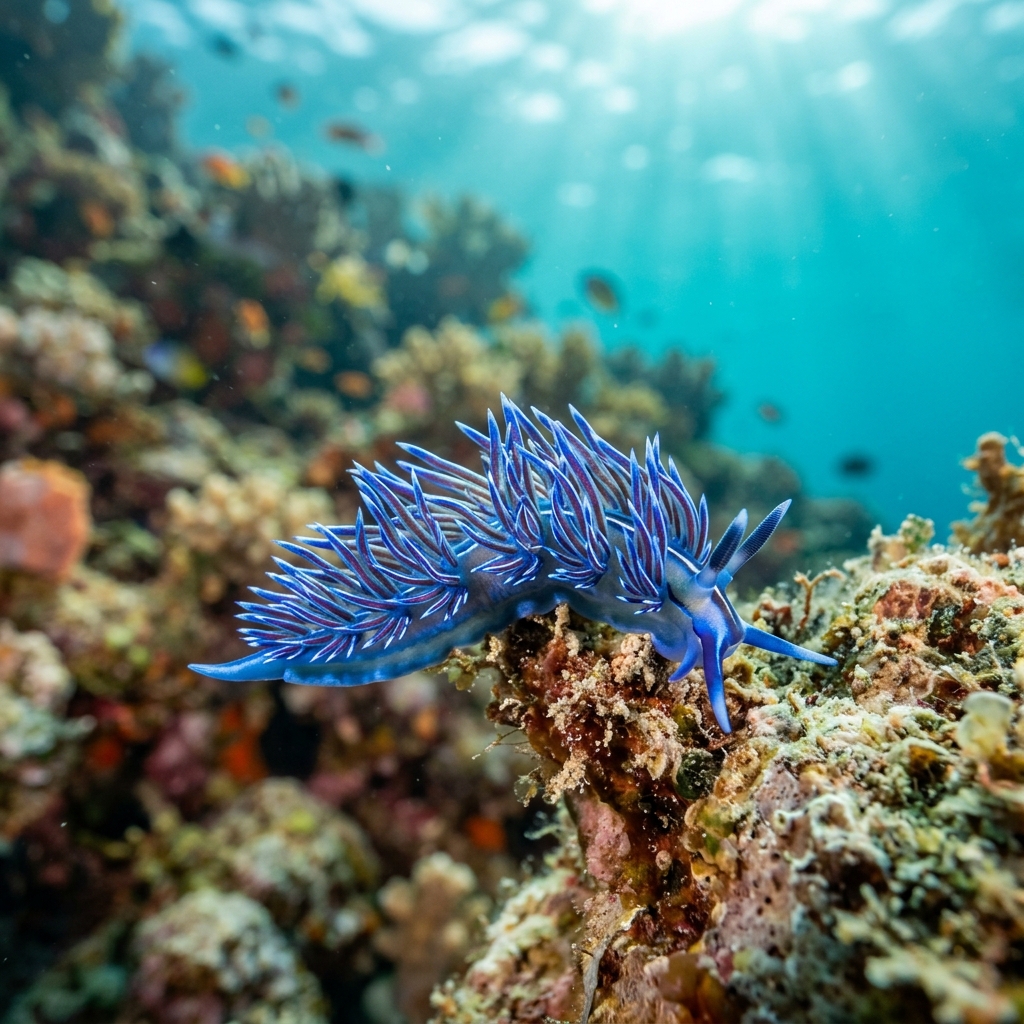
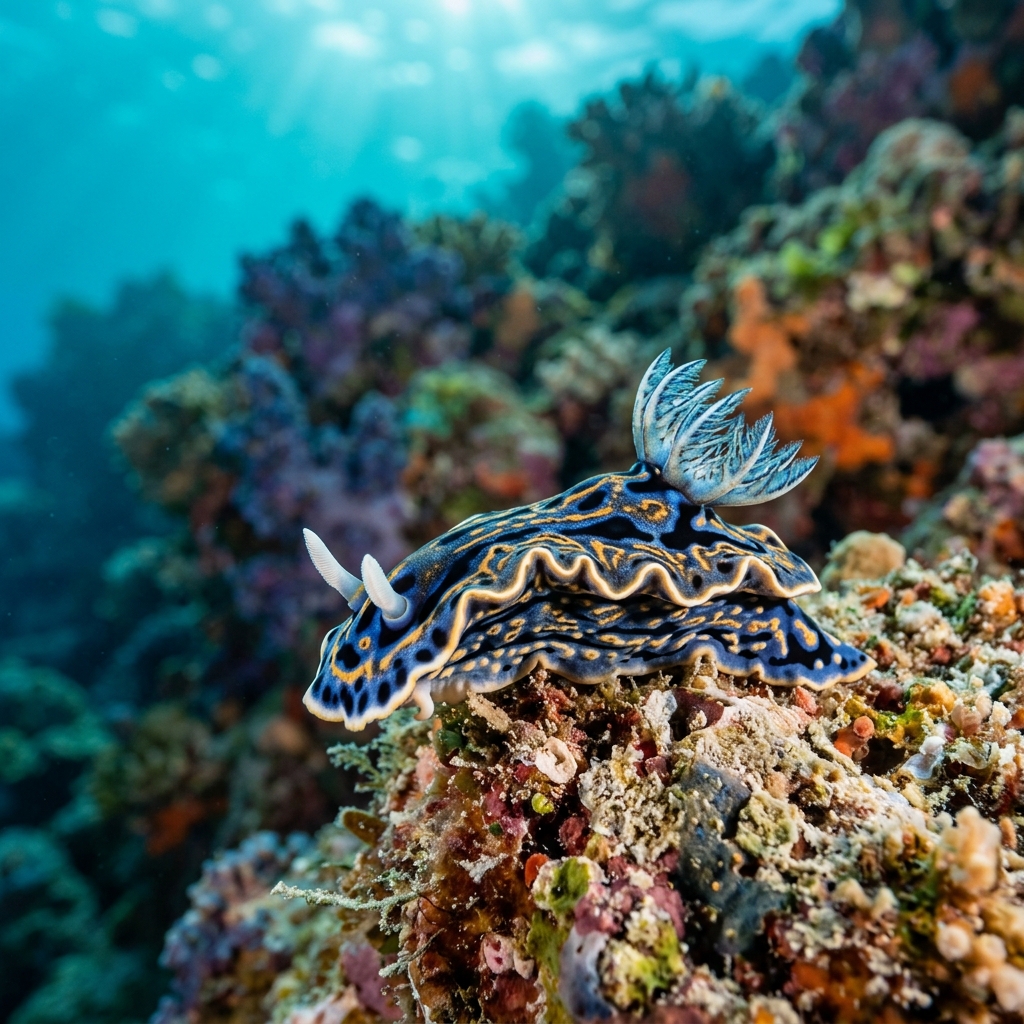
Reef neighbours a diver could mistake it for. Use the identification notes above to tell them apart.
Most reliably logged in Zeeland in the Netherlands, which dominates the sightings, followed by Østlandet in Norway and Jutland in Denmark. It also turns up on cold-water sites in Nova Scotia in Canada, Brittany in France, and in smaller numbers in Sligo, Ireland and England in the UK.
Mapping where Johnston's Balloon Eolis is logged…
It is most consistently found in Zeeland in the Netherlands, with further populations in Østlandet in Norway, Jutland in Denmark and Nova Scotia in Canada.
There is no clear season in the sighting data, so it can turn up year-round at cold-water sites within its 8 to 14.1C temperature range.
Look for a small translucent slug with club-shaped cerata along its back, often with orange or brownish tips, crawling slowly over rock or weed rather than swimming.
Exact size data is not confirmed for this species, but like most tergipedid nudibranchs it is very small, best searched for with a macro lens rather than spotted from a distance.
No, it poses no risk to divers. It has no means of harming anyone and simply crawls slowly over the substrate while feeding.
It likely feeds on hydroids and repurposes their stinging cells within its cerata for its own defence, a strategy shared across this family of sea slugs.
Site and sighting data is aggregated from diver logs, iNaturalist and GBIF. For taxonomy and conservation status:
Blue Dragon
3,163 sites