Jason mirabilis
Jason mirabilis is a rare nudibranch logged almost entirely in Northland & Auckland and Central New Zealand, in cool 12-20 °C waters.
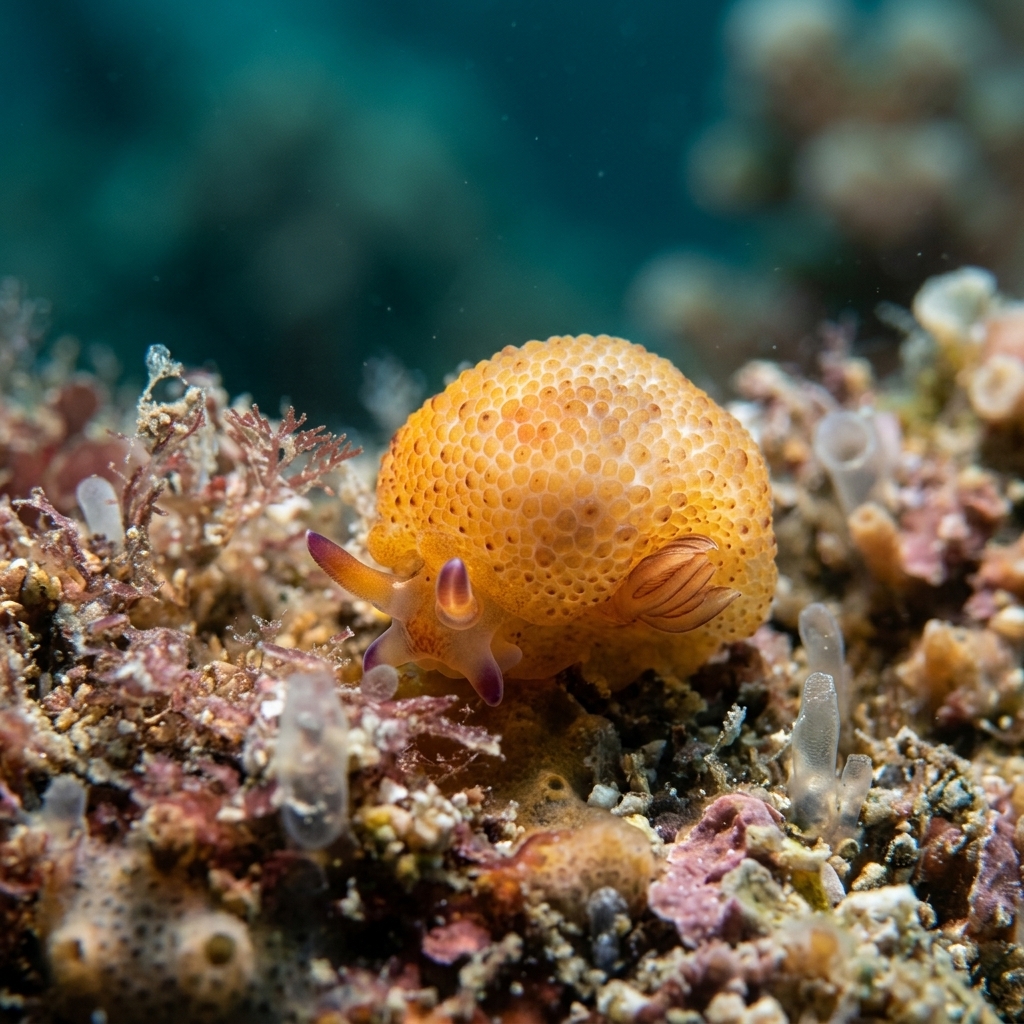
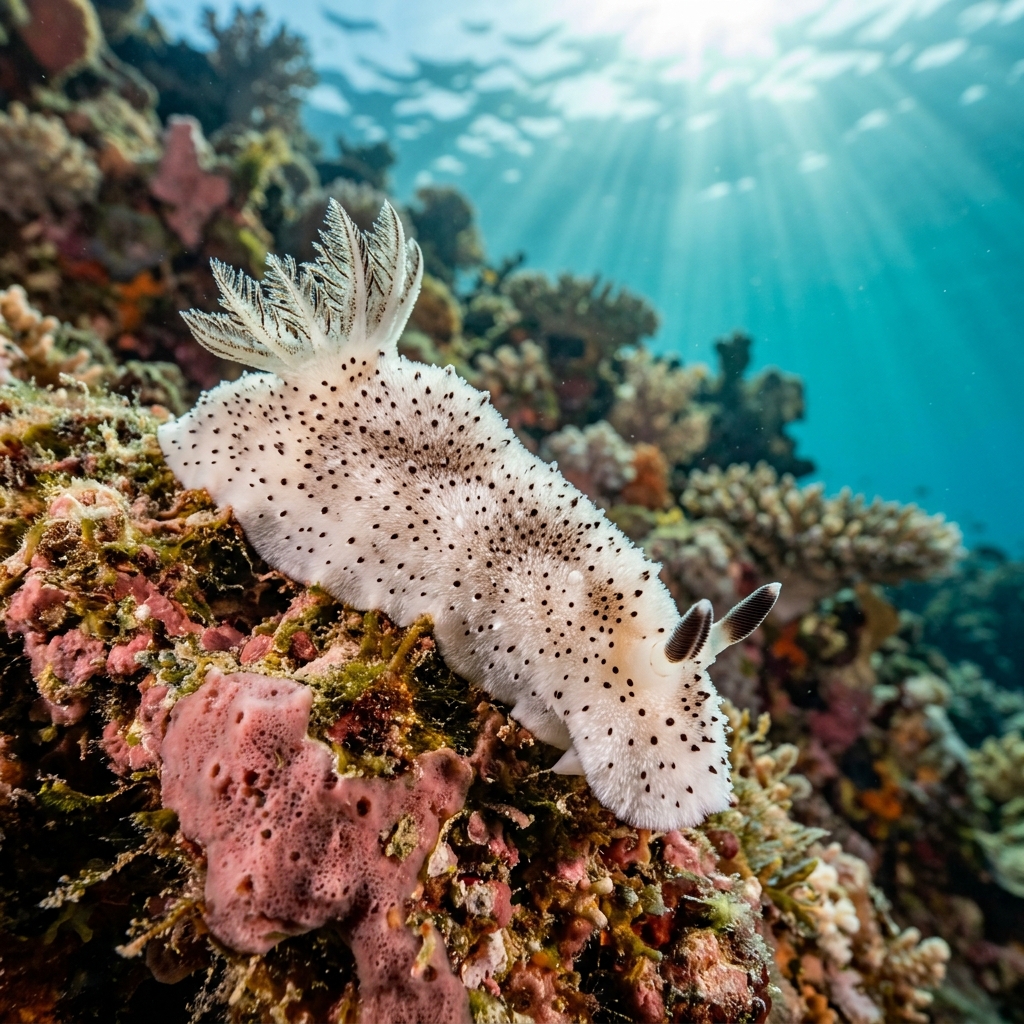
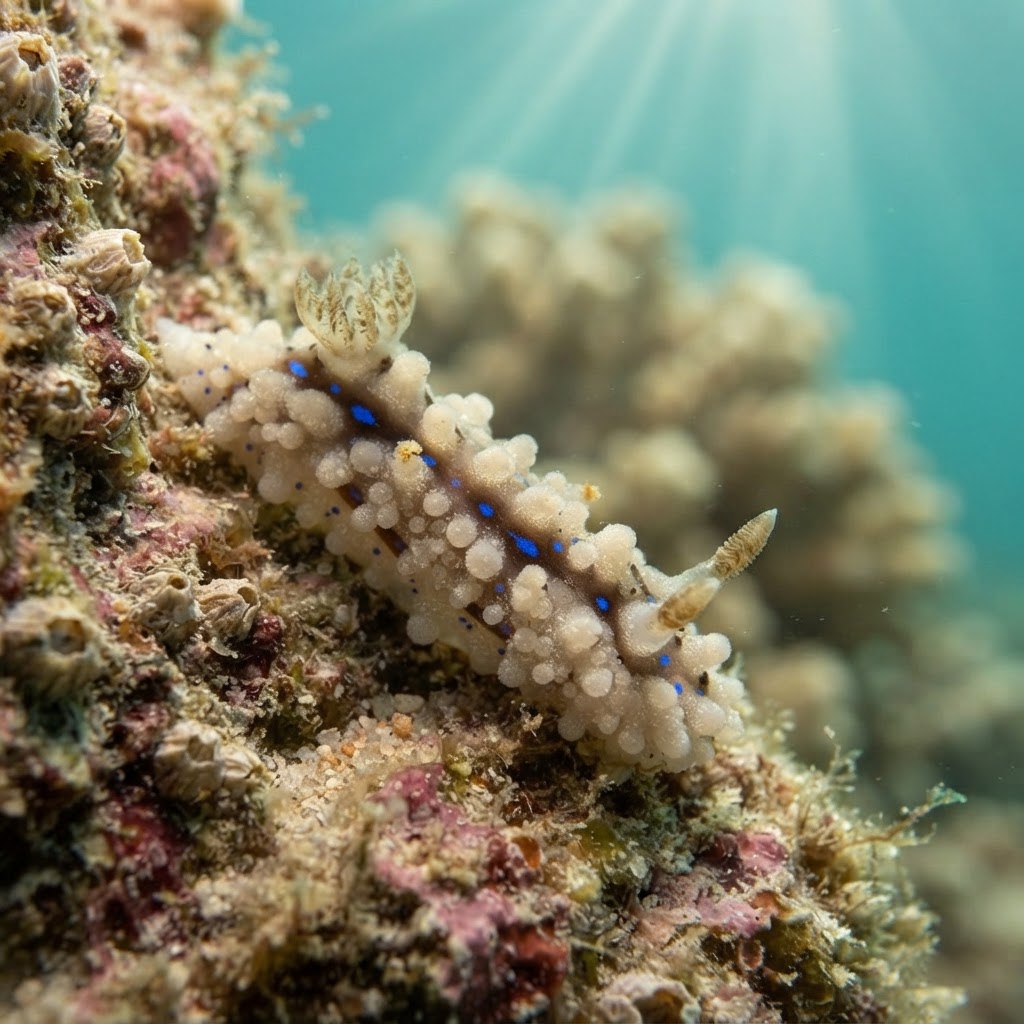
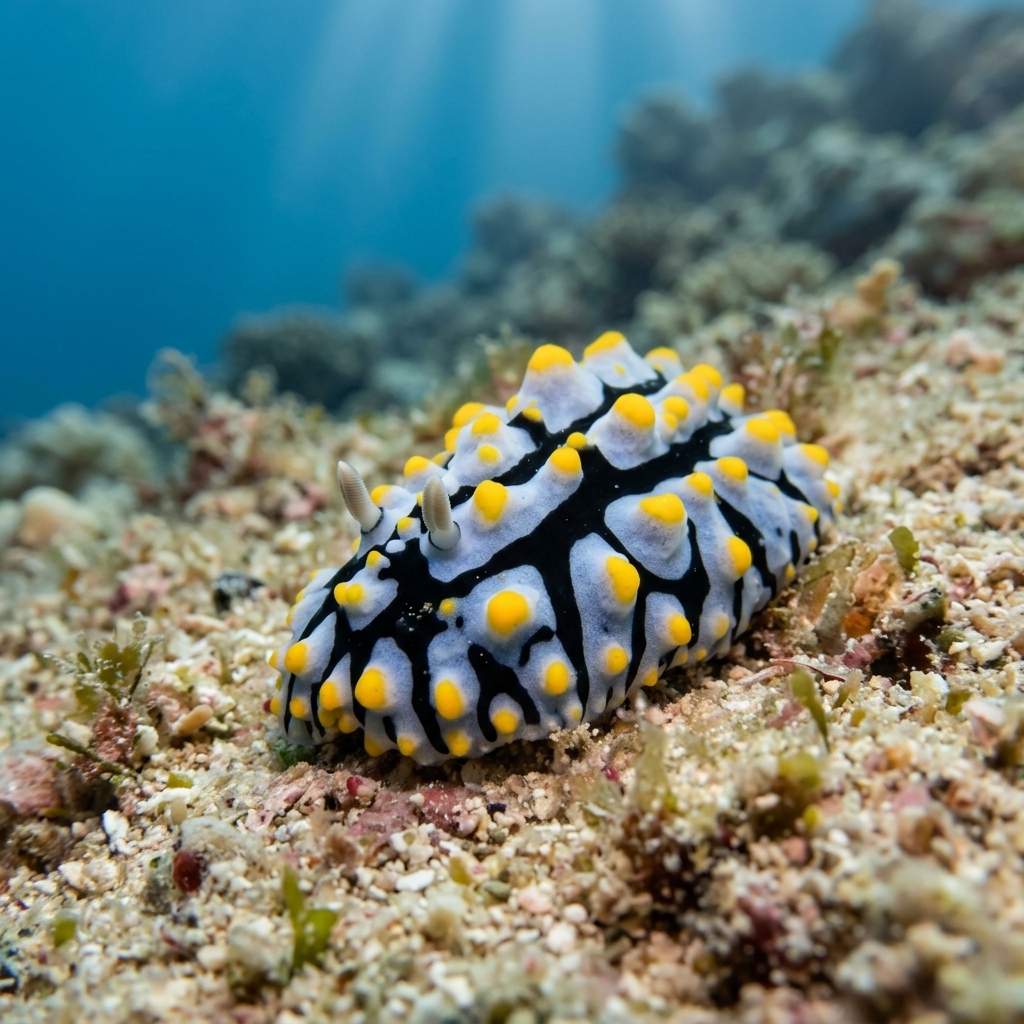
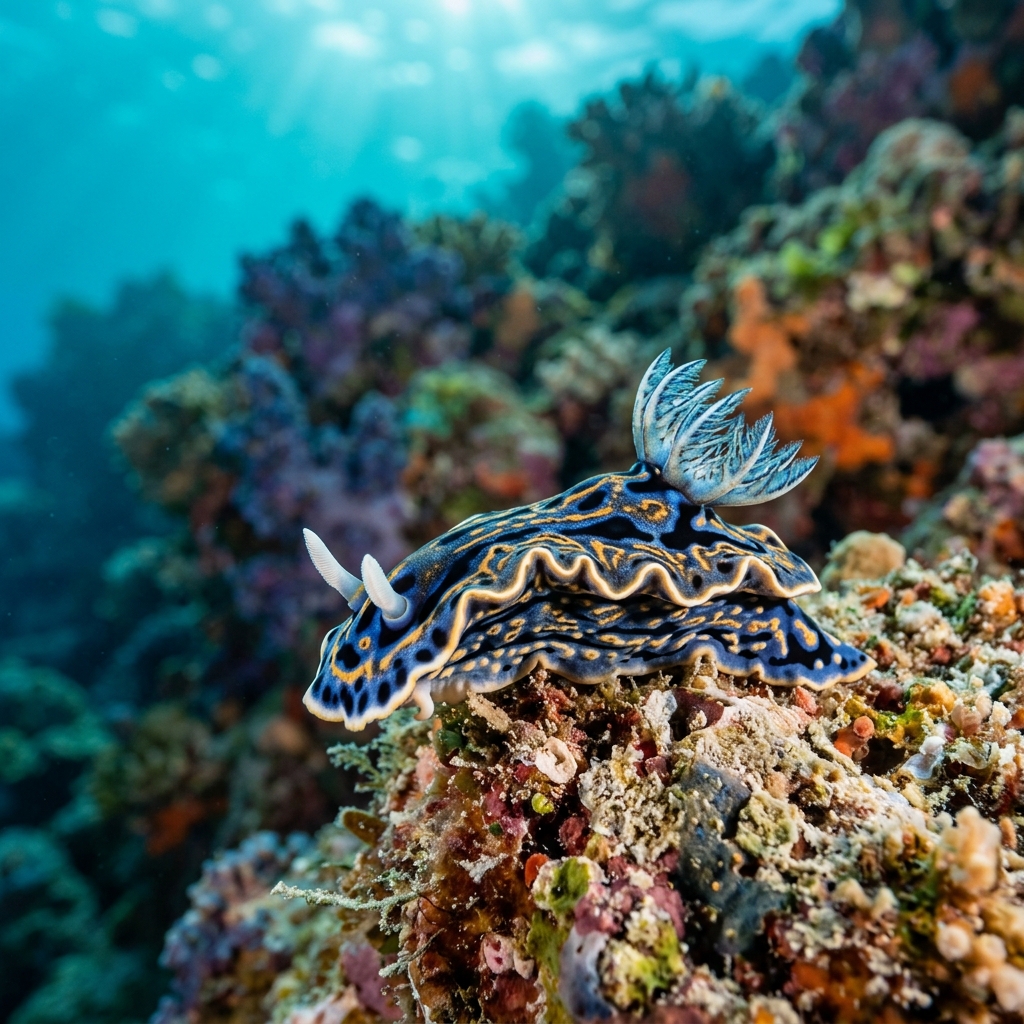
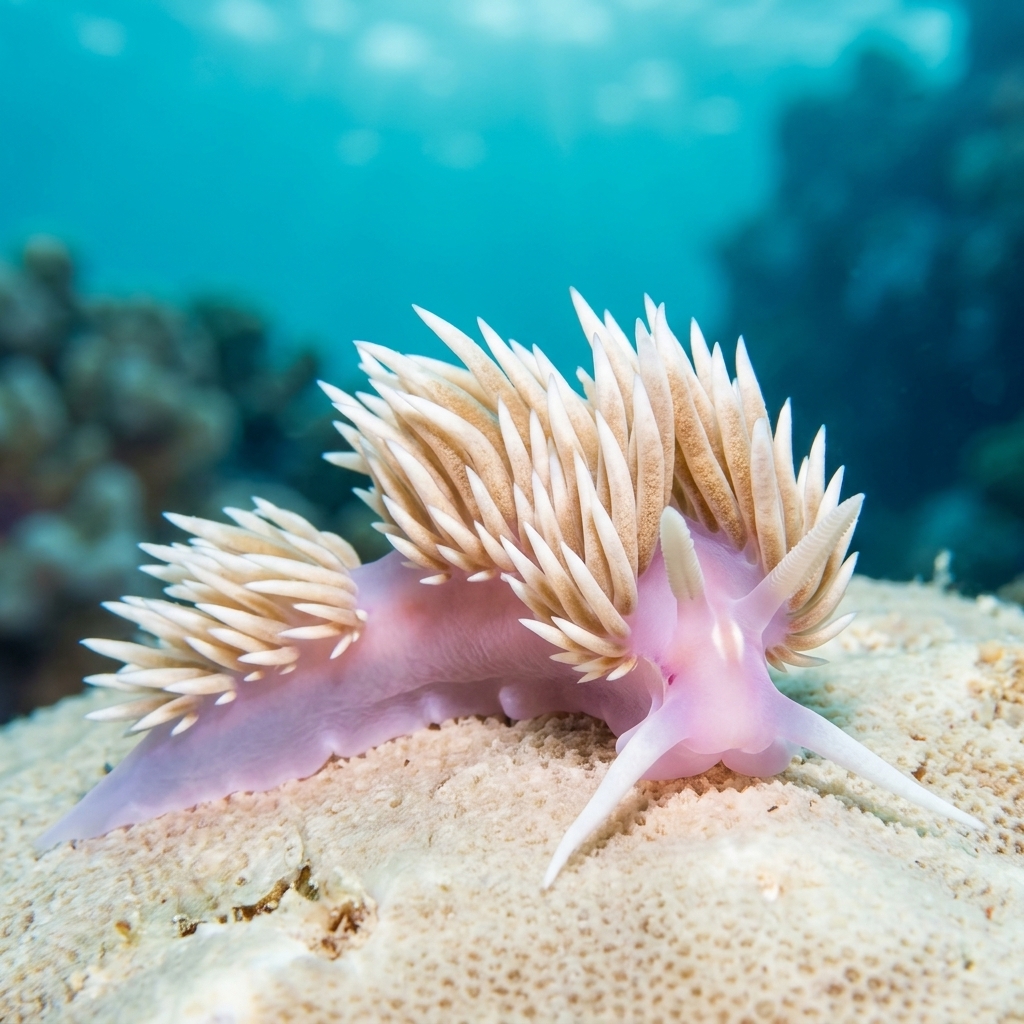
Jason mirabilis belongs to the family Facelinidae, which means it carries clusters of elongated cerata (finger-like projections on the back) rather than a smooth or skirted body. Look for a slender, translucent body with cerata arranged in rows along each side; the colouration typically involves pale or whitish base tones with pigmented cerata tips that can appear orange or brown. At depth on New Zealand reefs this small nudibranch will most often be found moving slowly across encrusting growth, and its cerata will help separate it from the broader-skirted dorid nudibranchs sharing the same habitat.
Like most facelinid nudibranchs, Jason mirabilis is a slow, deliberate crawler, typically seen moving across rocky reef surfaces or encrusting invertebrates in search of hydroids or similar prey. It shows little active response to divers and is more likely to be overlooked than to retreat. Its small size means you will usually spot it only by scanning slowly and close to the substrate.
Facelinidae nudibranchs have the remarkable ability to sequester nematocysts (stinging cells) from the hydroids they eat and store them in the tips of their cerata, repurposing their prey's own defences for protection.
There is not enough monthly sighting data to identify a peak season, so treat it as a year-round possibility. Water temperatures at observed sites run from around 12 °C to just under 20 °C, consistent with New Zealand's temperate diving conditions throughout the year.
Almost all logged sightings come from New Zealand, making it essentially an endemic find for visiting divers. Northland and Auckland account for the largest share of records, followed by Central New Zealand, so sites in those two regions give you the best realistic chance of an encounter. Sightings are rare across most sites, so treat any observation as a bonus rather than a planned target.
Mapping where Jason mirabilis is logged…
Virtually all diver records come from New Zealand. The Northland and Auckland region holds the most logged sites, with Central New Zealand accounting for the rest. No confirmed sightings have been recorded outside New Zealand, so it is best treated as a local speciality for divers exploring the country's temperate reefs.
There is not enough seasonal data to pinpoint a best month. Observed water temperatures range from about 12 °C to 20 °C, which covers much of the New Zealand diving calendar, suggesting it can turn up year-round. Keep expectations modest regardless of season, as it is logged as rare at most sites.
It is a facelinid nudibranch, so the key feature is rows of elongated cerata projecting from each side of the back rather than a broad dorid skirt. The body is slender and translucent, with pigmented cerata tips. Finding it on a New Zealand temperate reef and confirming the cerata arrangement is the most reliable field identification approach.
It is considered rare at the large majority of sites where it has been observed, with only occasional records classed as uncommon and just one site where it has been logged as common. Sightings are infrequent even for divers actively searching for nudibranchs in its known regions.
No. Jason mirabilis poses no threat to divers. Like other facelinid nudibranchs it may store stinging cells from its prey in its cerata as a defence against predators, but this has no practical effect on humans unless the animal is deliberately handled roughly.
Site and sighting data is aggregated from diver logs, iNaturalist and GBIF. For taxonomy and conservation status:
Blue Dragon
3,163 sites