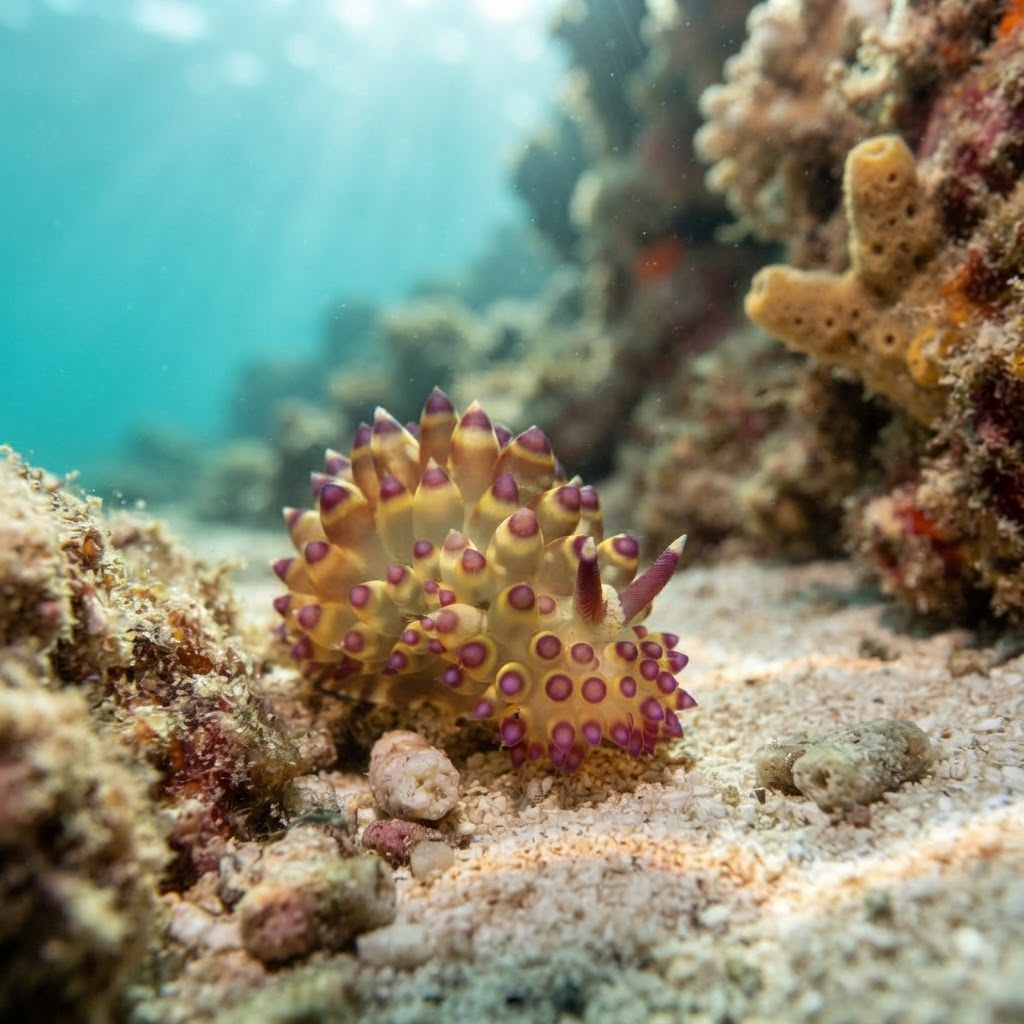
Janolus flavoanulatus
A rare Queensland find: this translucent nudibranch turns up warm reefs of 24-30C, best spotted on slow, careful reef scans.
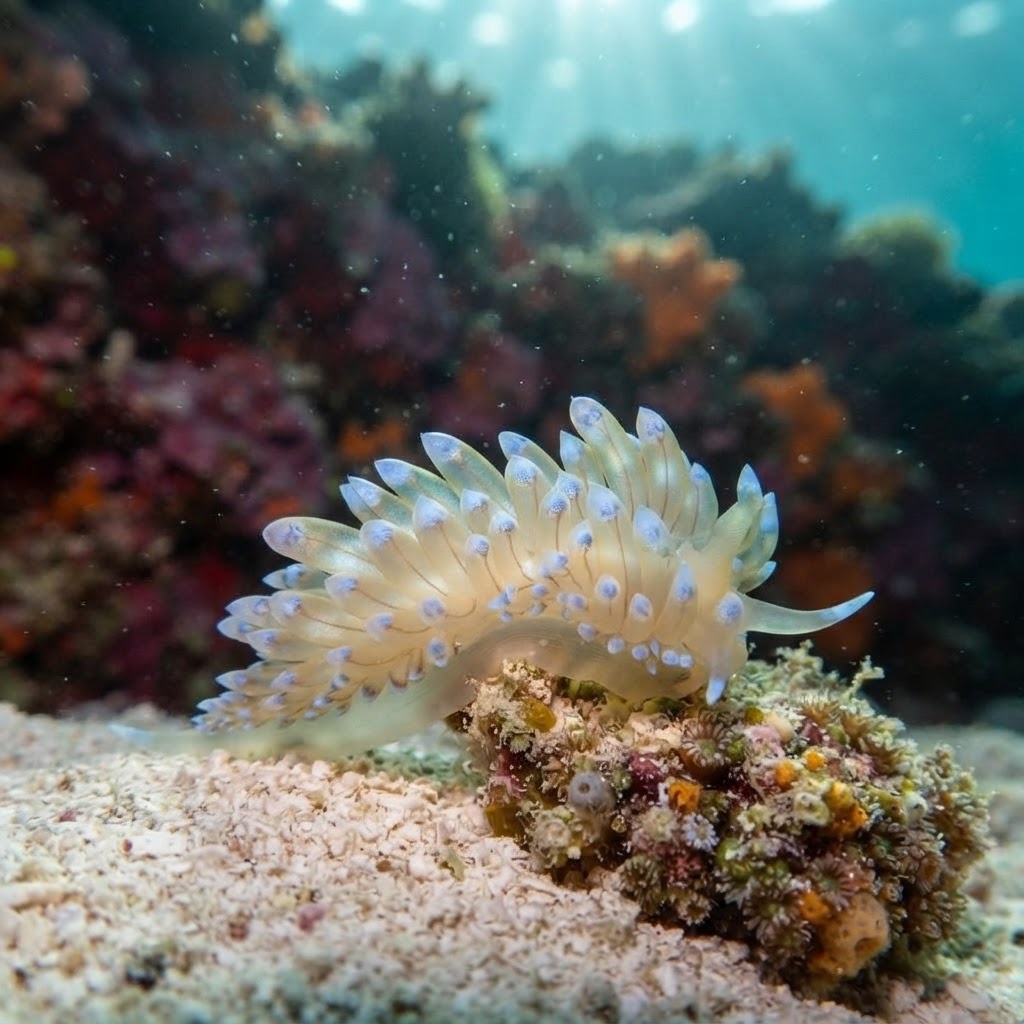
Small, soft-bodied sea slug with a translucent, almost see-through body that lets internal organs show through faintly. The finger-like projections covering its back (cerata) are tipped with a distinctive yellow ring, which is the main feature to key on against the pale body. It sits low and slow on the substrate, easy to miss unless you are scanning close range.
Divers encounter it moving slowly across reef substrate or among encrusting growth, doing what most janolid nudibranchs do: grazing quietly and unhurried. It shows no reaction to divers beyond its usual slow pace, and it is logged as an uncommon find even at the one site where it has been recorded, so patient, close-focus searching is what turns it up.
Like other janolids, it almost certainly feeds on hydroids and bryozoans, using its cerata both for digestion and, in many related species, for storing stinging cells lifted from its prey as a defence.
Sighting data does not show a clear season, and the recorded temperature range of 23.6 to 29.9C spans most of the year on tropical Queensland reefs, so there is no strong reason to target one month over another.
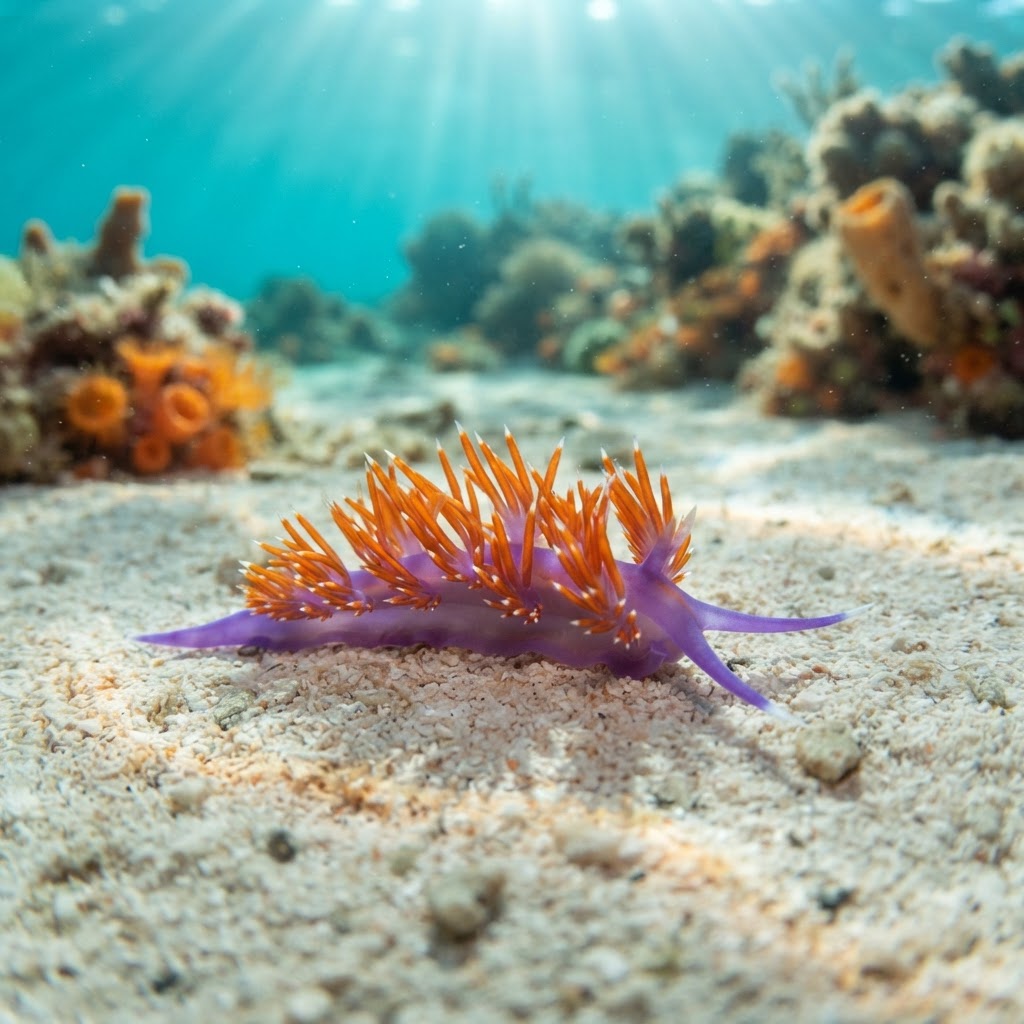
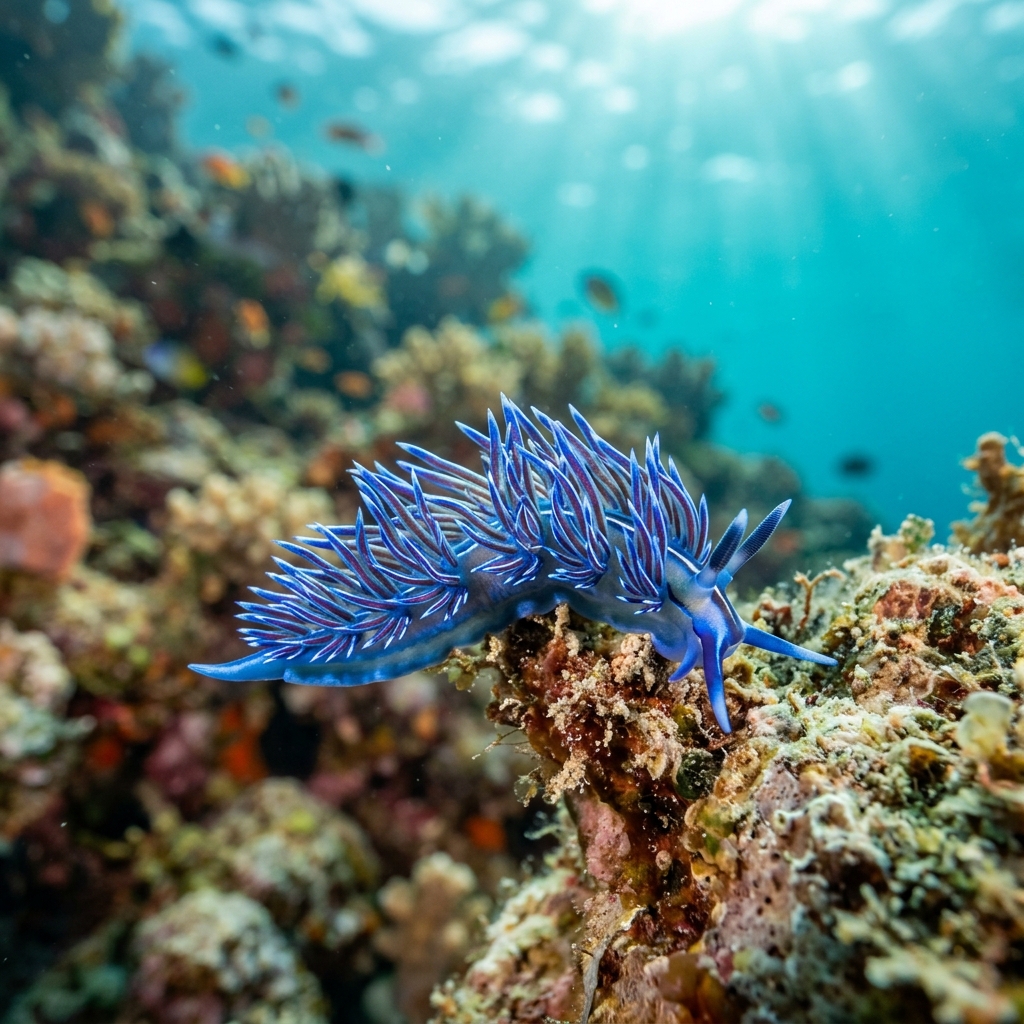
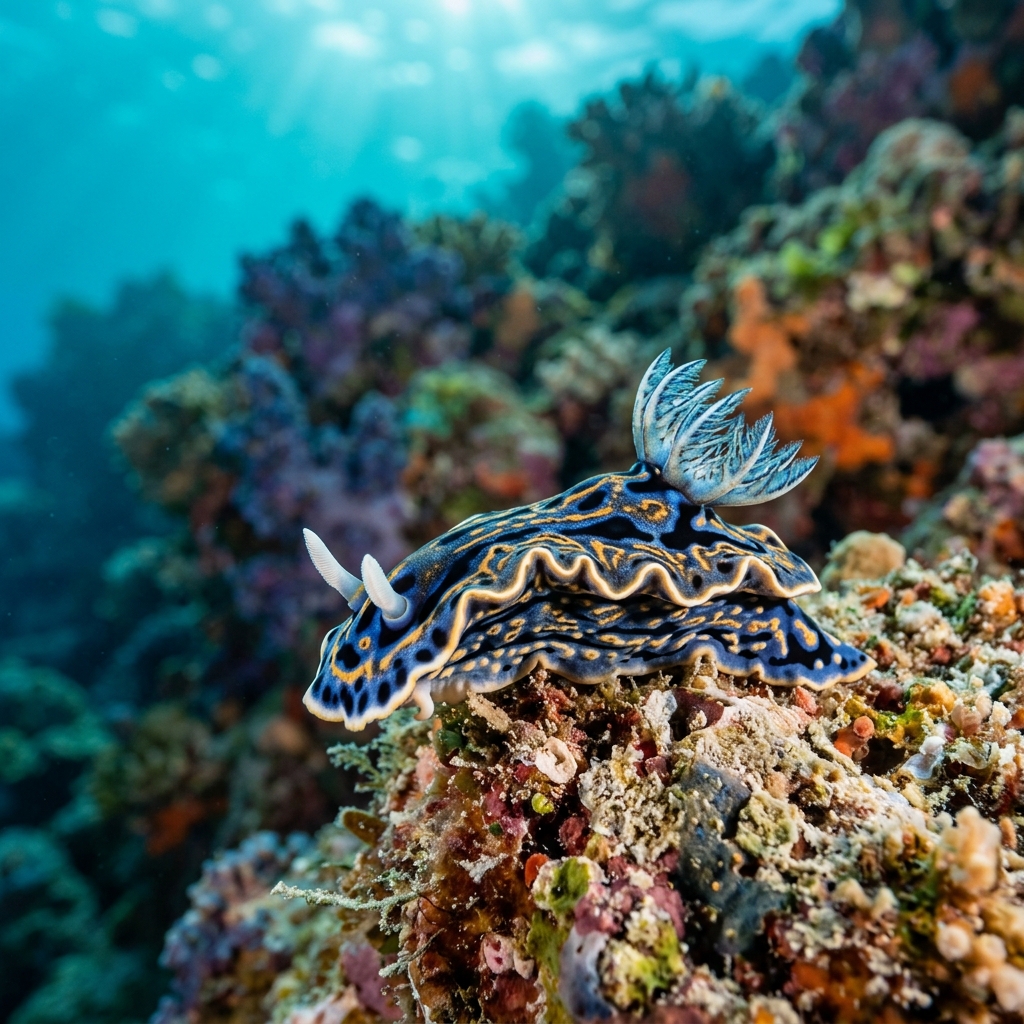
Reef neighbours a diver could mistake it for. Use the identification notes above to tell them apart.
Currently logged from a single site in Queensland, Australia, making it a strictly niche target rather than a species you can plan a trip around. If you are hunting nudibranchs on Queensland's reefs, this is one to keep on your radar during close macro searches rather than something to expect on a checklist dive.
Mapping where Janolus flavoanulatus is logged…
The only confirmed sighting comes from a site in Queensland, Australia. It is not a species with an established range of dive destinations yet, so treat any encounter as a bonus find rather than a planned target.
There is no detected season in the sighting data. It has been recorded in water between 23.6 and 29.9C, a range common on Queensland reefs most of the year, so timing your dive around temperature is not really useful here.
Look for a small, translucent-bodied nudibranch with cerata (the finger-like back projections) tipped in yellow rings. The see-through body and yellow-ringed tips together are the main giveaway against similar pale nudibranchs.
Exact size data is not documented for this species, but like most janolid nudibranchs it is small, likely only a few centimetres long, and easy to overlook without a close macro search.
No. It poses no threat to divers and has no recorded defensive behaviour towards humans; any sting-related defences it has evolved are aimed at predators, not people.
Site and sighting data is aggregated from diver logs, iNaturalist and GBIF. For taxonomy and conservation status:
Blue Dragon
3,163 sites