Ceratosoma ingozi
An uncommon dorid found across Western Cape dive sites, in cool water from 13.7 to 19.7C, spotted year-round.
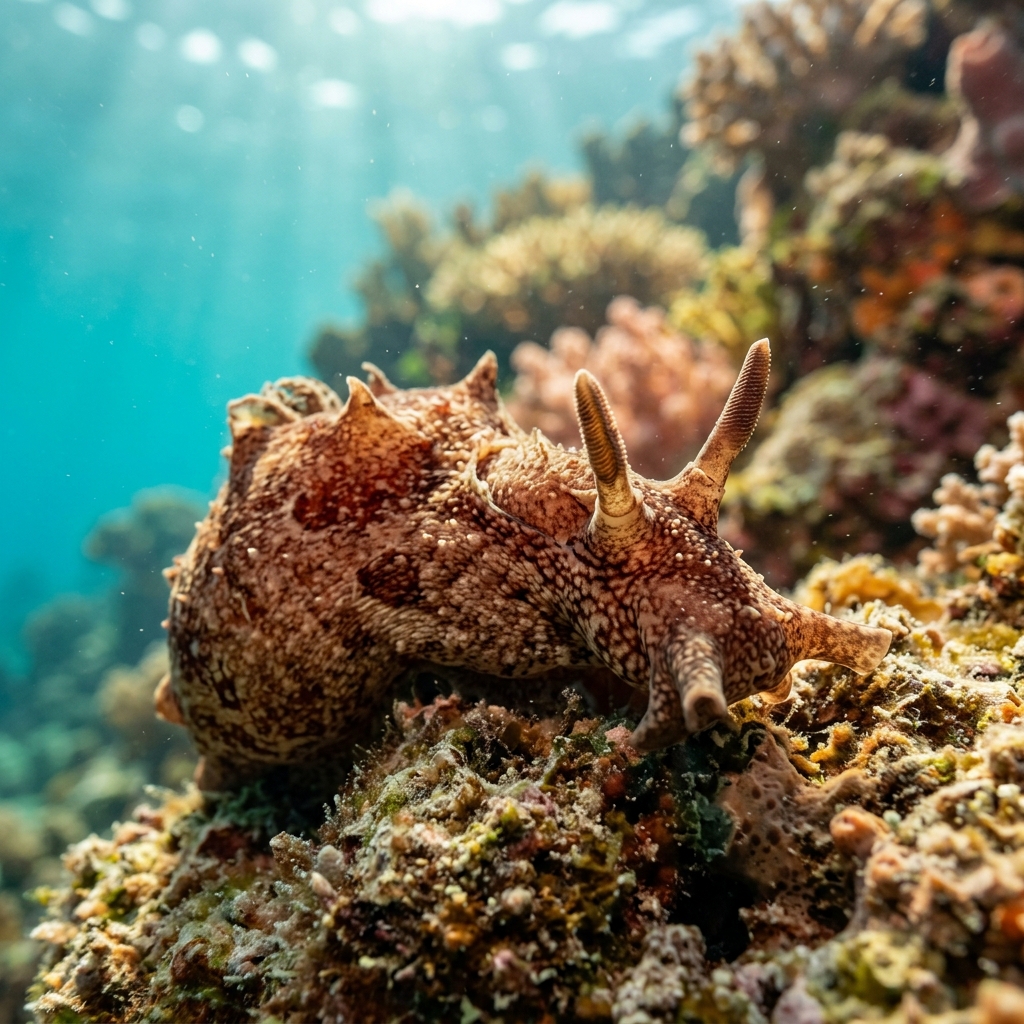
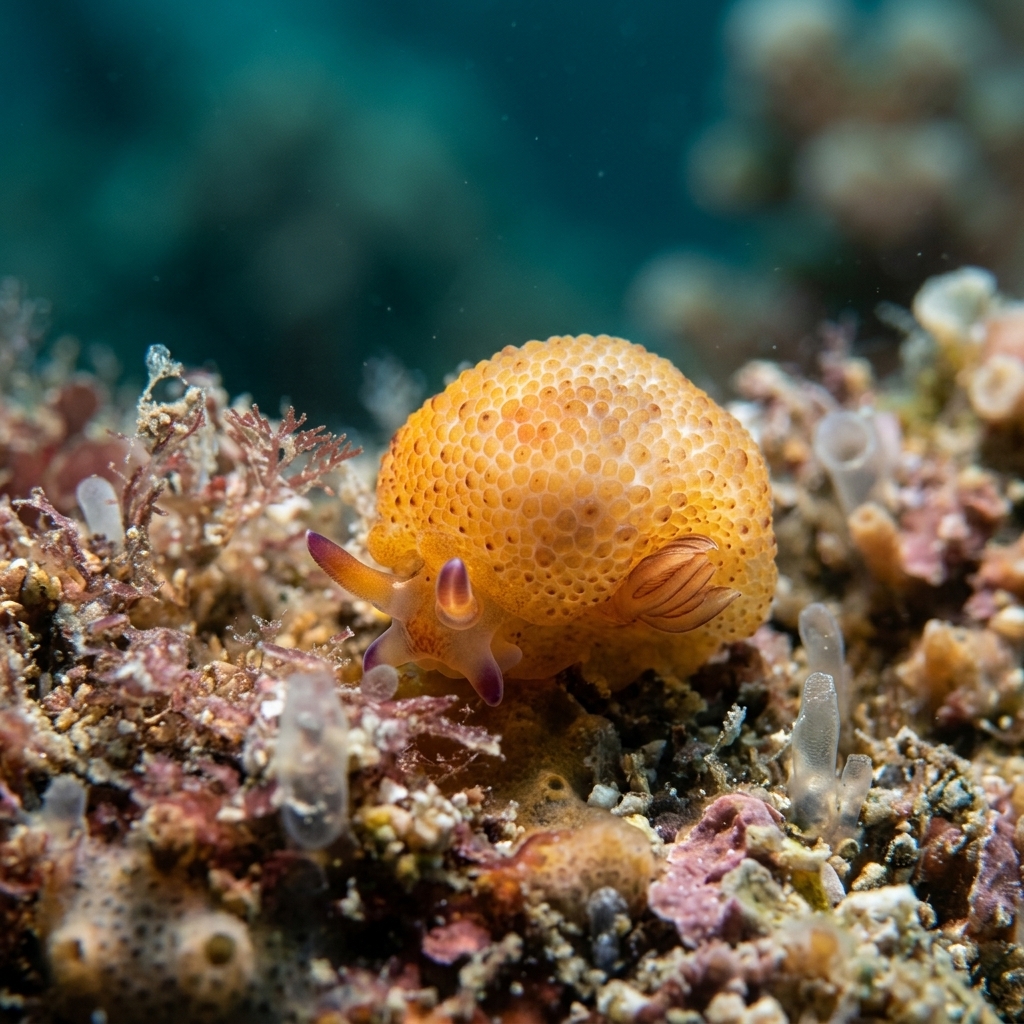
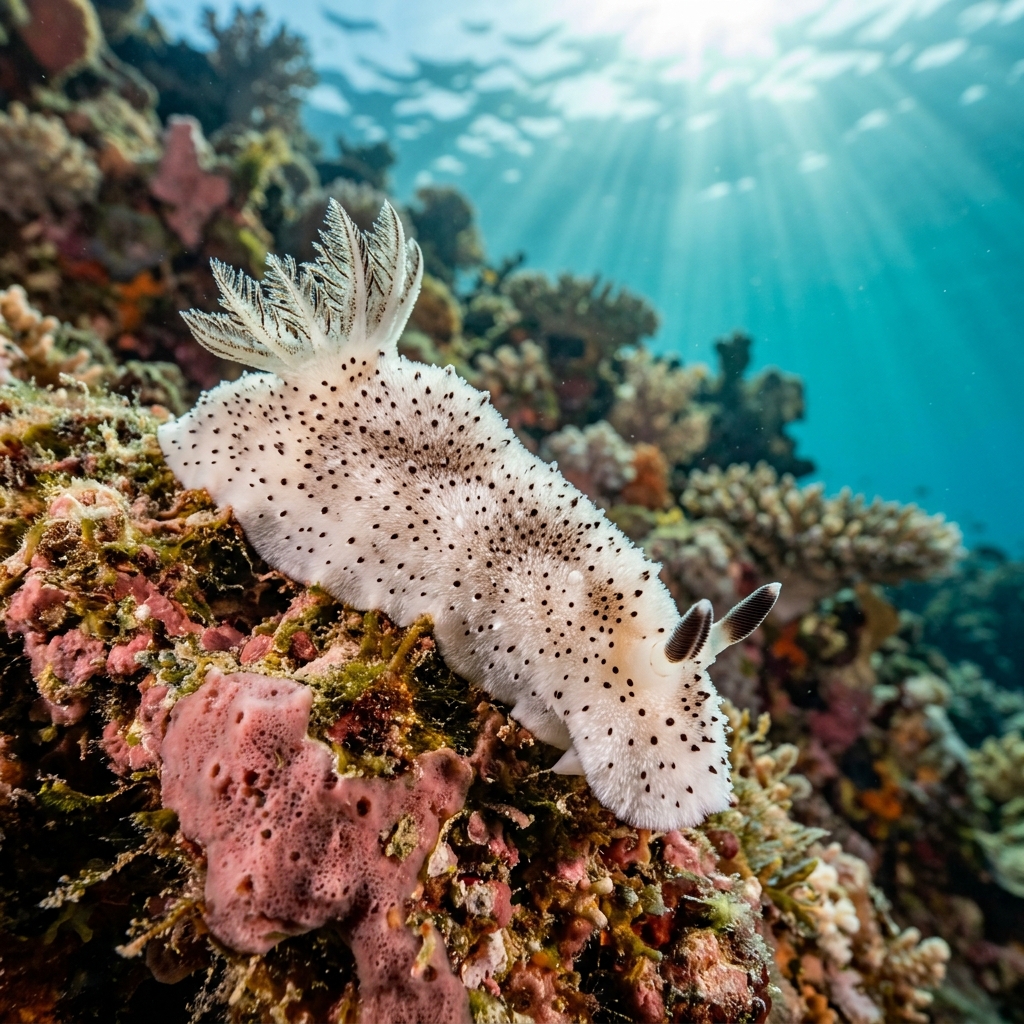
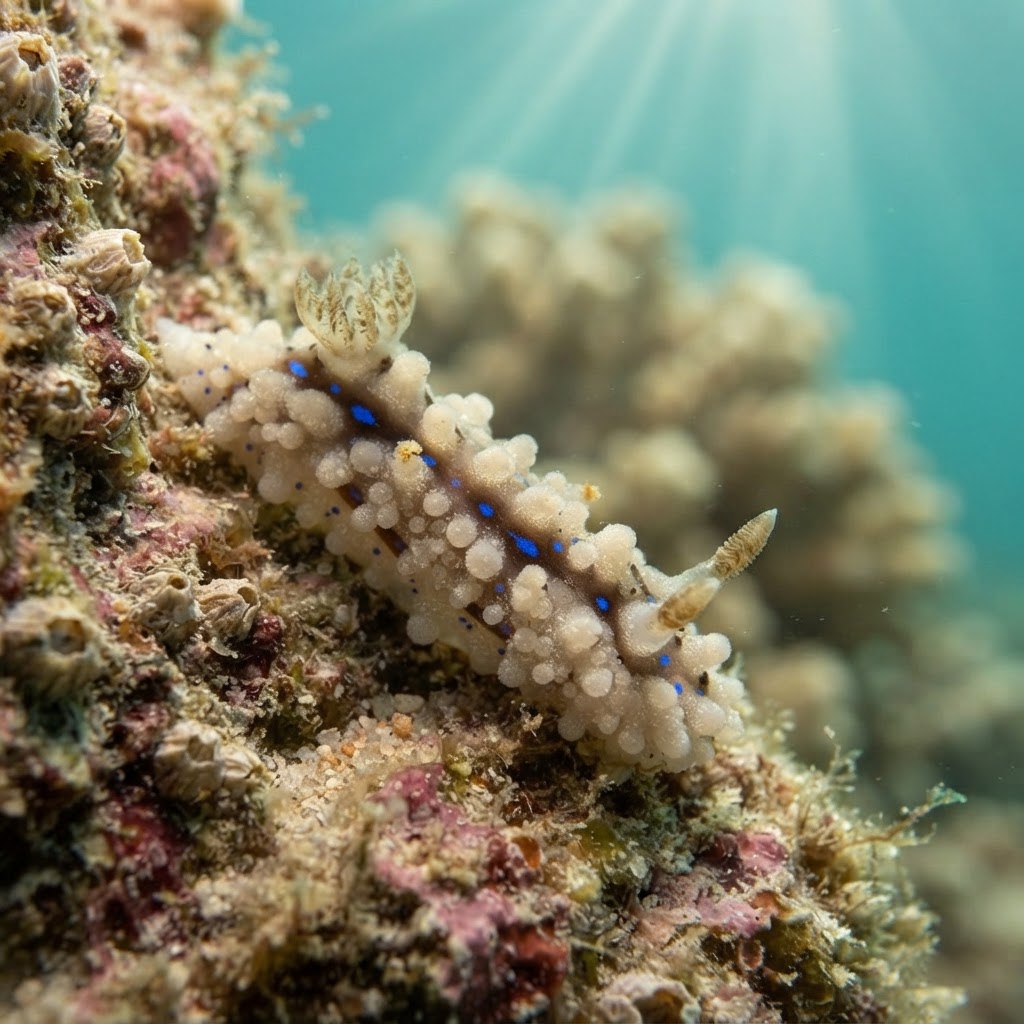
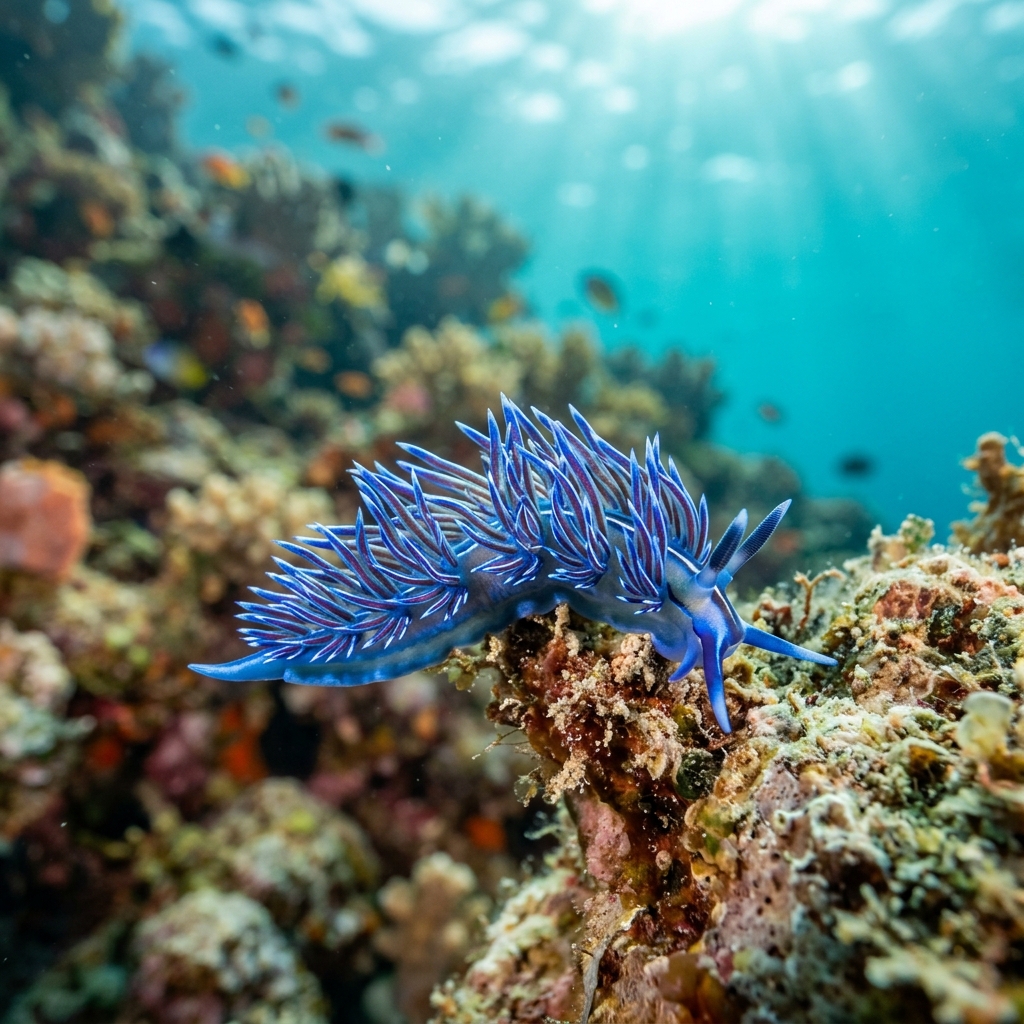
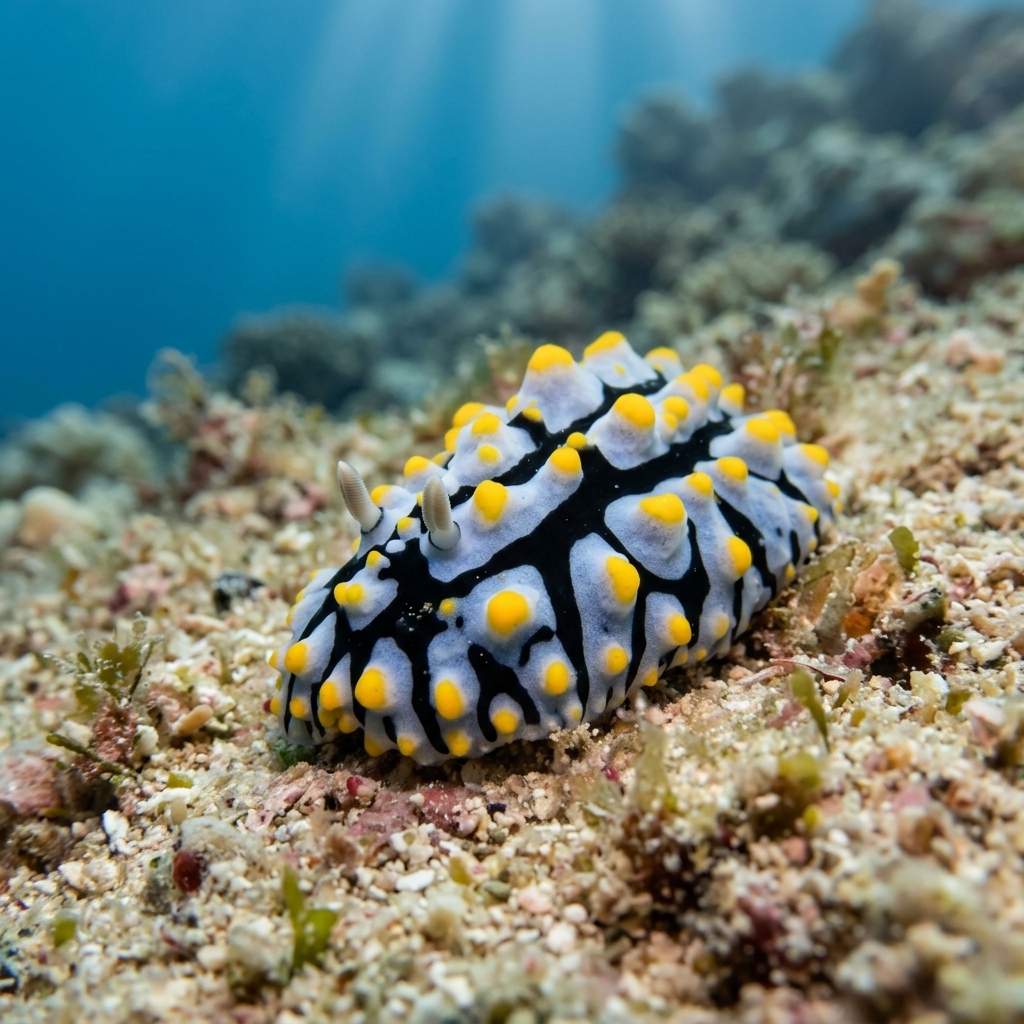
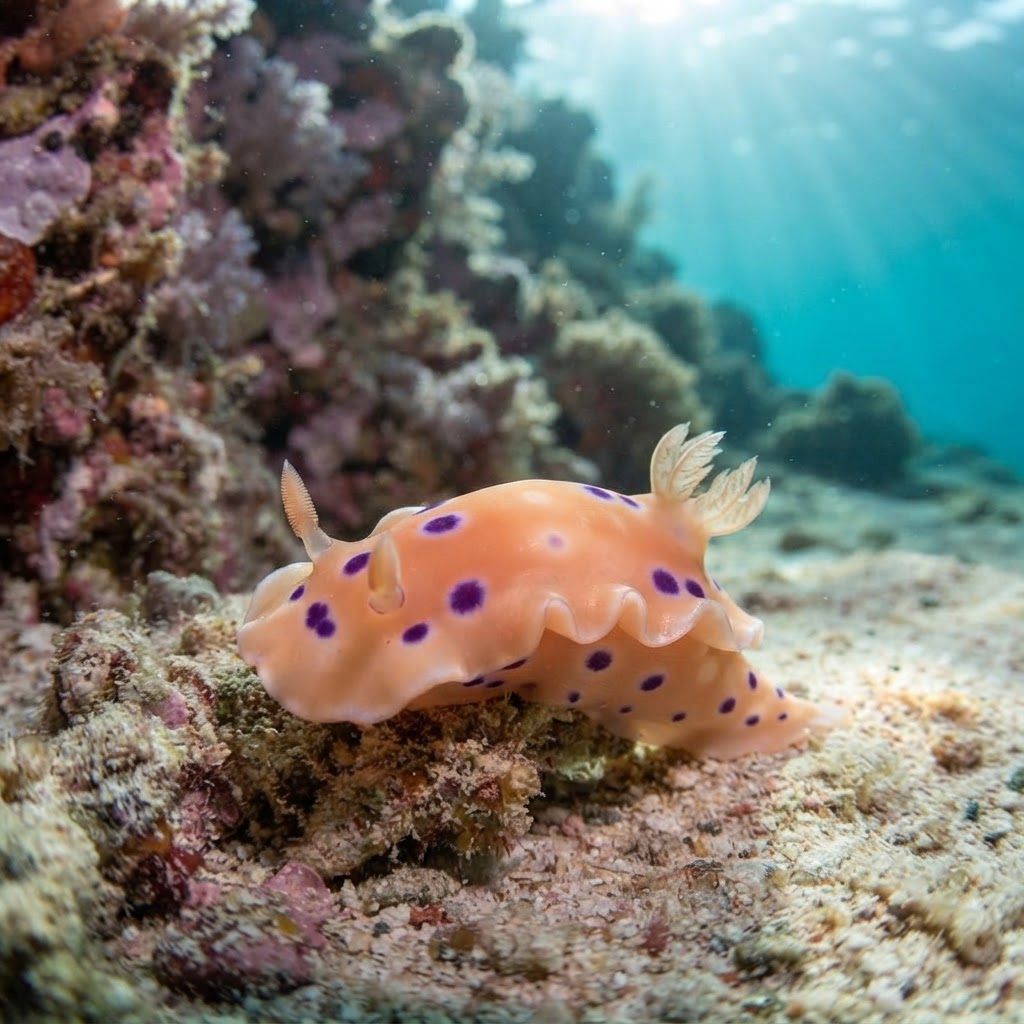
Look for a chunky, soft-bodied nudibranch (a sea slug with feathery gills on its back) with a bumpy, warty mantle in muted tones broken up by dark ink-like spots, giving it the blotched look its name refers to. It carries the raised, textured surface typical of the ceratosoma group rather than a smooth back, and the gills sit exposed near the rear rather than tucked into a pocket. Size in the water tends toward the modest end for the family, so divers usually spot it while working slowly over reef structure rather than at a glance.
Divers typically find it sitting still or grazing slowly across reef surfaces, holding position rather than making any dash for cover when a torch or camera gets close. Like other dorids it moves at its own unhurried pace over encrusting growth, and it is usually picked out during a careful, slow-paced macro-style dive rather than spotted from a distance. It shows no particular preference for time of day noted in diver logs, so daytime dives are as productive as any other.
Nudibranchs like this one lack a protective shell as adults and instead rely on chemical defences absorbed from their diet, often the same sponges or soft-bodied prey they graze on, to deter predators.
Sightings do not show a clear seasonal pattern, so it is best treated as a year-round find on Western Cape reefs. Its observed temperature range of 13.7 to 19.7C matches the cool water this region holds through most of the year, which likely explains the lack of a sharp season.
Every logged sighting of this dorid comes from South Africa, concentrated almost entirely in the Western Cape, making it a regional specialty rather than a species you will stumble on elsewhere. Within the Western Cape it turns up across a spread of sites at an uncommon to rare frequency, so it rewards divers doing repeat dives on the same reefs rather than a single visit.
Mapping where Inkspot Pantechnicon Dorid is logged…
Every recorded sighting comes from South Africa, almost entirely within the Western Cape region, spread across a number of individual dive sites there. It has not been logged outside this area, making it a Western Cape specialty.
There is no strong seasonal pattern in the sighting data, so it is considered a year-round find. Its comfort range of roughly 13.7 to 19.7C lines up with typical Western Cape water temperatures across most months.
Look for a soft-bodied, warty-textured nudibranch with dark, ink-blot markings across a bumpy mantle and exposed gills toward the rear. Its coarse, raised surface rather than a smooth back is a useful first clue underwater.
Exact size figures are not well documented for this species, but it sits at a modest size typical of dorid nudibranchs, meaning divers usually need to look closely at reef surfaces to spot one.
No, it poses no danger to divers. Like most nudibranchs it relies on chemical defences against predators rather than any threat to humans, so it is entirely safe to observe and photograph.
As an adult it has no shell, and instead borrows chemical defences from the sponges or soft prey it grazes on, using absorbed compounds to deter would-be predators. This trick is shared across many dorid nudibranchs.
Site and sighting data is aggregated from diver logs, iNaturalist and GBIF. For taxonomy and conservation status:
Light-spotted Aegires
3,168 sites