Janolus savinkini
A rarely-logged nudibranch found on Luzon reefs in the Philippines, in warm water between 25 and 31C. Here's how to spot one.
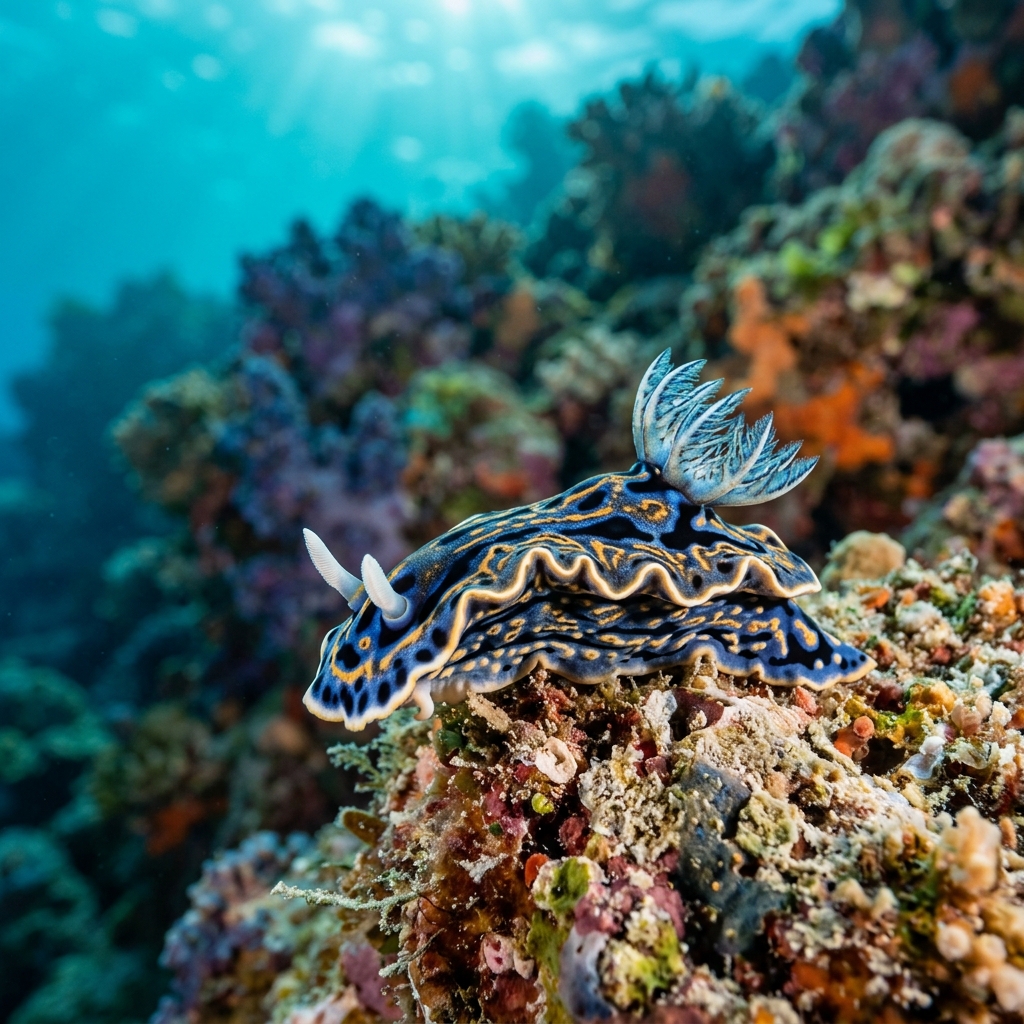
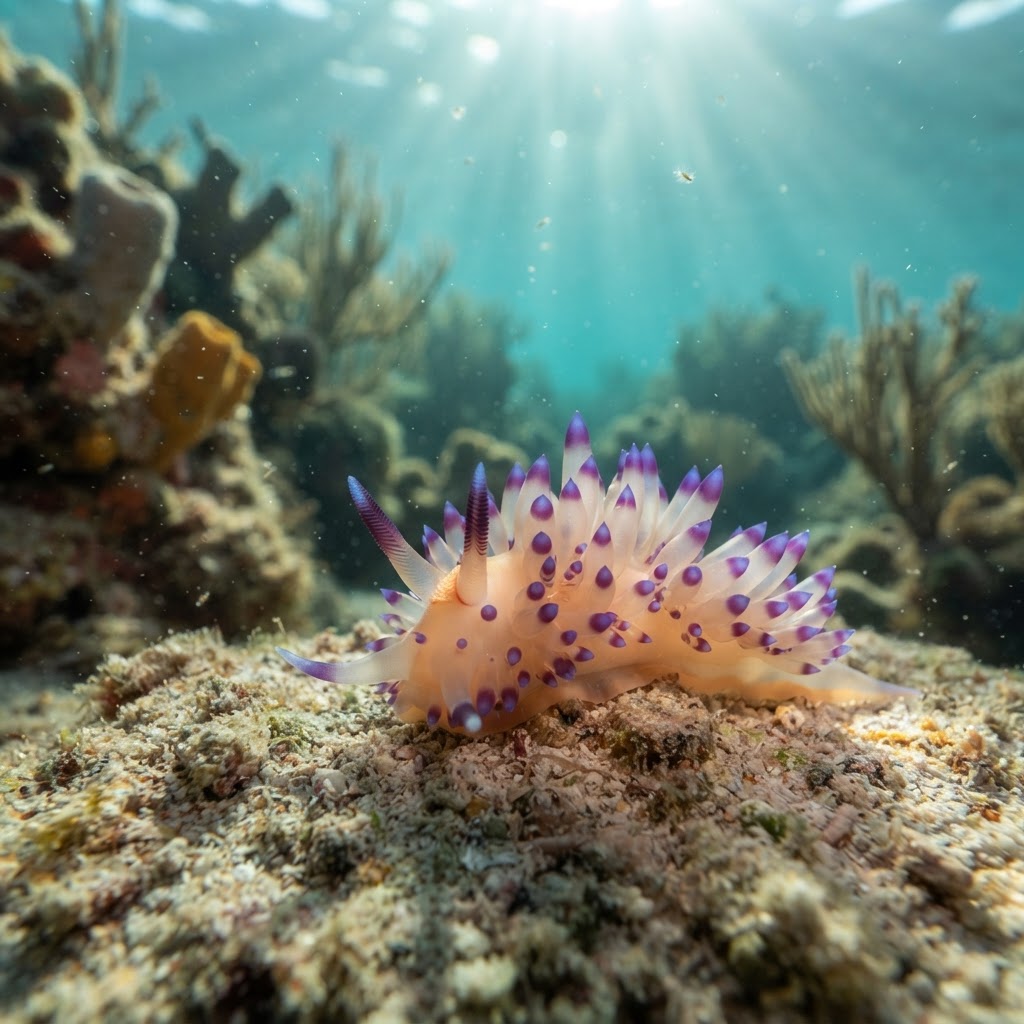
A small soft-bodied sea slug (nudibranch) recognised by the branching, finger-like projections called cerata that cover its back, often tipped in contrasting colour against the body. It moves slowly across reef rubble and encrusted surfaces, with no shell and a pair of sensory tentacles (rhinophores) on the head. Size in the water is small enough that most divers only notice it once they are already looking closely at the substrate.
Found slowly grazing over reef substrate, typically spotted by divers doing deliberate macro and muck dives rather than encountered on a reef swim-through. It shows little reaction to divers and will simply keep moving at its own pace when a light or camera gets close. Logged as uncommon at every site where it has been recorded, so this is a patient-search species, not a guaranteed find.
Like other members of its family, it likely gets its colour and some of its chemical defence from the food it eats, incorporating pigments and stinging cells from prey into those branching cerata on its back.
Sightings don't show a clear seasonal pattern, and with a water-temperature niche of 25.4 to 31.4C, it's sitting in year-round tropical conditions on Luzon's reefs. Plan around good visibility and a dedicated macro dive rather than a specific month.
Every logged sighting of this one comes from the Philippines, specifically Luzon, which is currently the only place divers have reliably recorded it. If you are hunting for it, treat Luzon's dive sites as the starting point rather than a wider regional search.
Mapping where Harlequin Flame is logged…
All confirmed sightings come from Luzon in the Philippines, making it currently the only known region for this species. Divers looking for it should focus on Luzon's macro and muck-diving sites.
There's no detected seasonal pattern, so it's considered a year-round find. Water temperatures at recorded sites range from 25.4 to 31.4C, consistent with typical tropical reef conditions in Luzon throughout the year.
Look for a small nudibranch with branching cerata covering its back, moving slowly across reef rubble or encrusted rock. It lacks a shell and has a pair of rhinophores on its head, typical of its family.
Exact size data isn't confirmed for this species, but like most nudibranchs in its family it is small, generally the sort of animal spotted only during a slow, close look at the reef surface.
It's logged as uncommon at every site where divers have recorded it, all within Luzon in the Philippines. It's not a species you should expect on every dive, more one for patient macro hunters.
Site and sighting data is aggregated from diver logs, iNaturalist and GBIF. For taxonomy and conservation status:
Blue Dragon
3,163 sites