Pristotis obtusirostris
A rare damselfish find off New South Wales, Australia, in 24 to 29C water, with no clear seasonal pattern year-round.
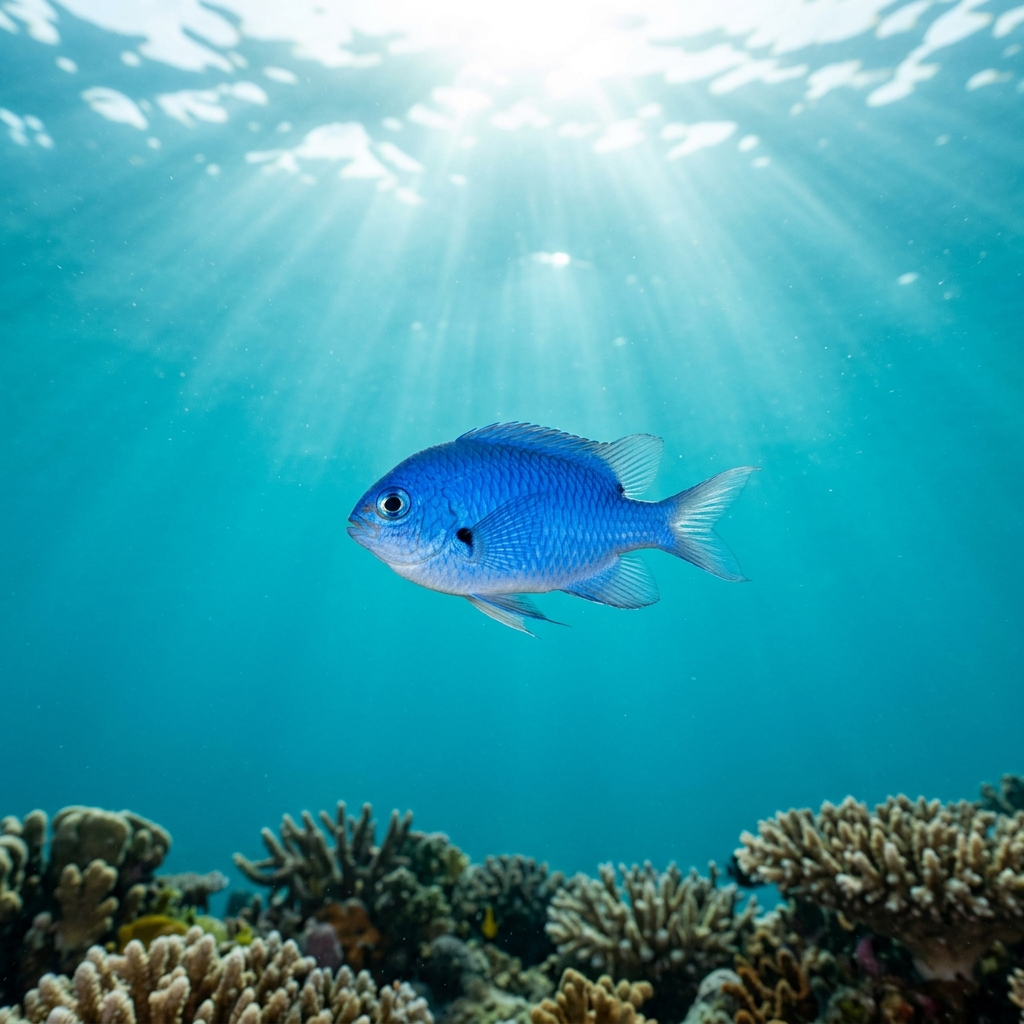
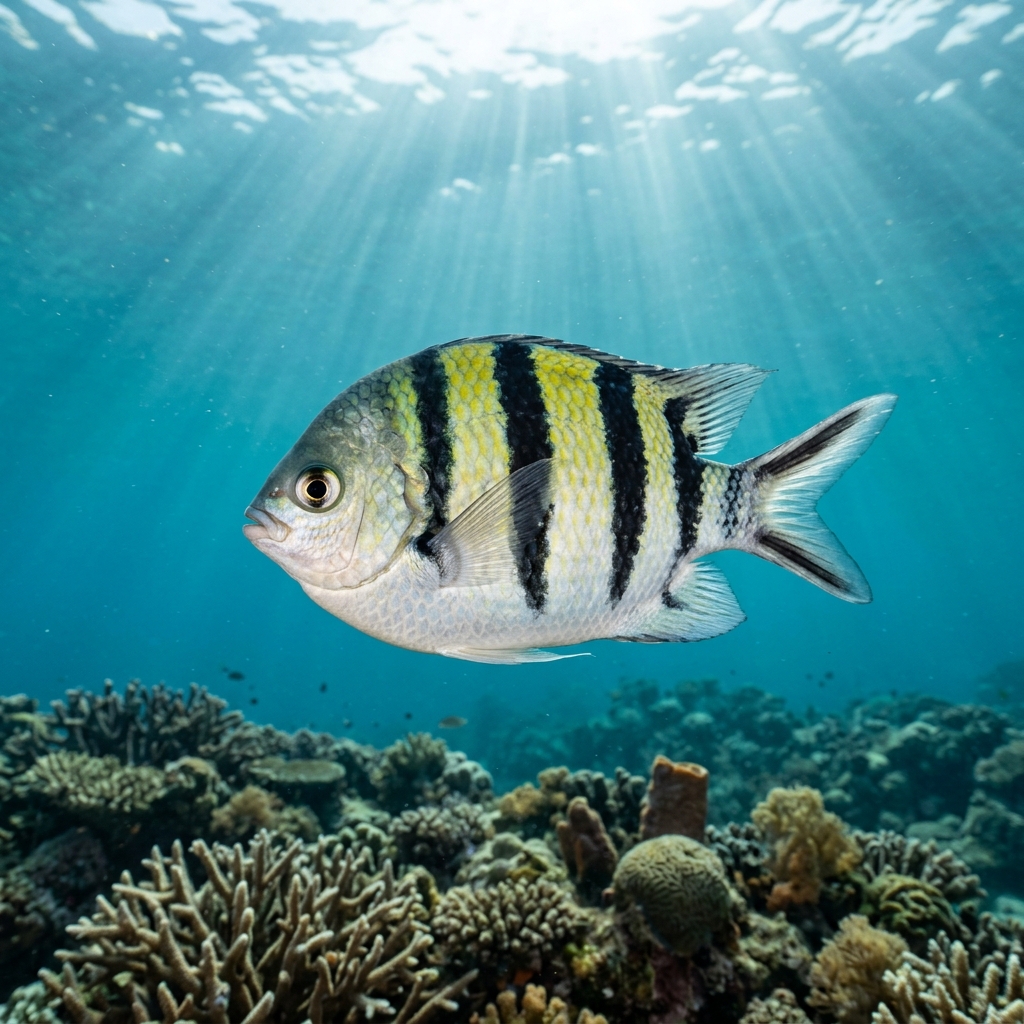
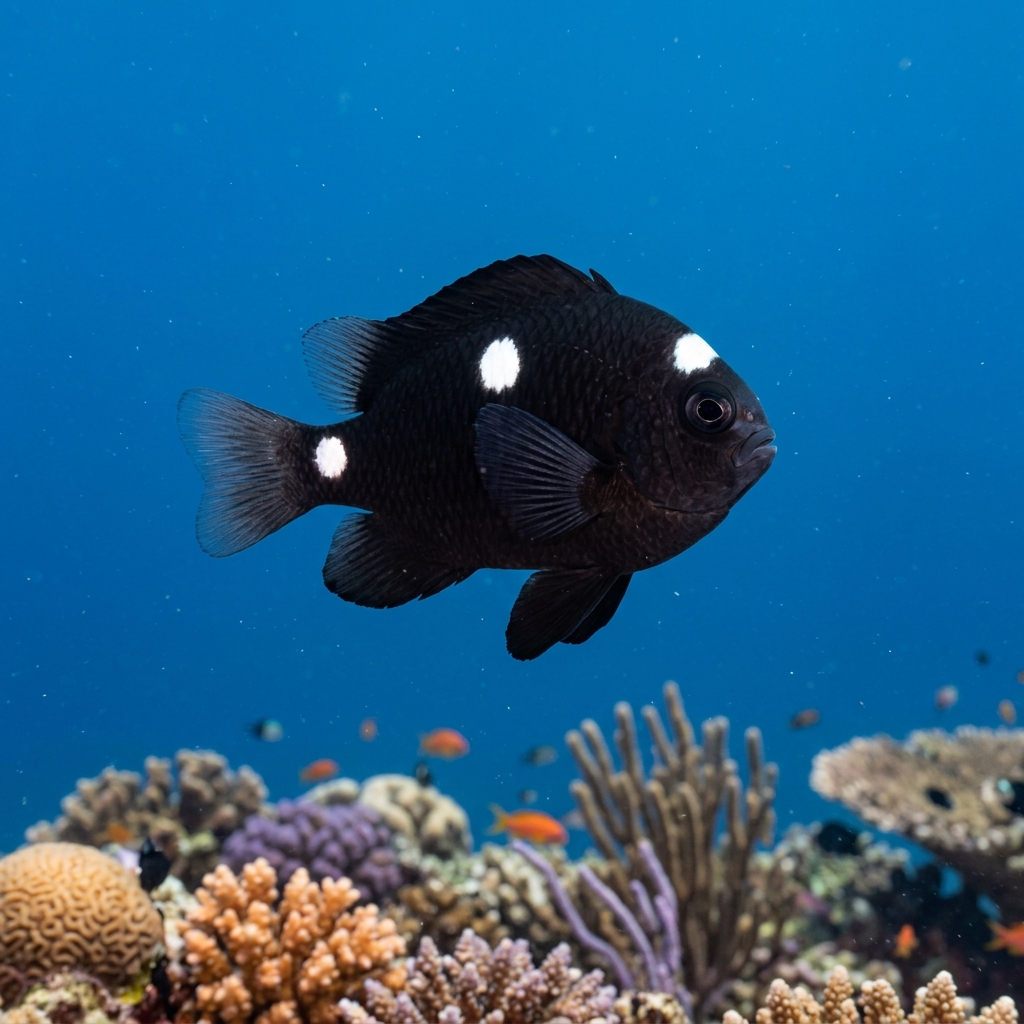
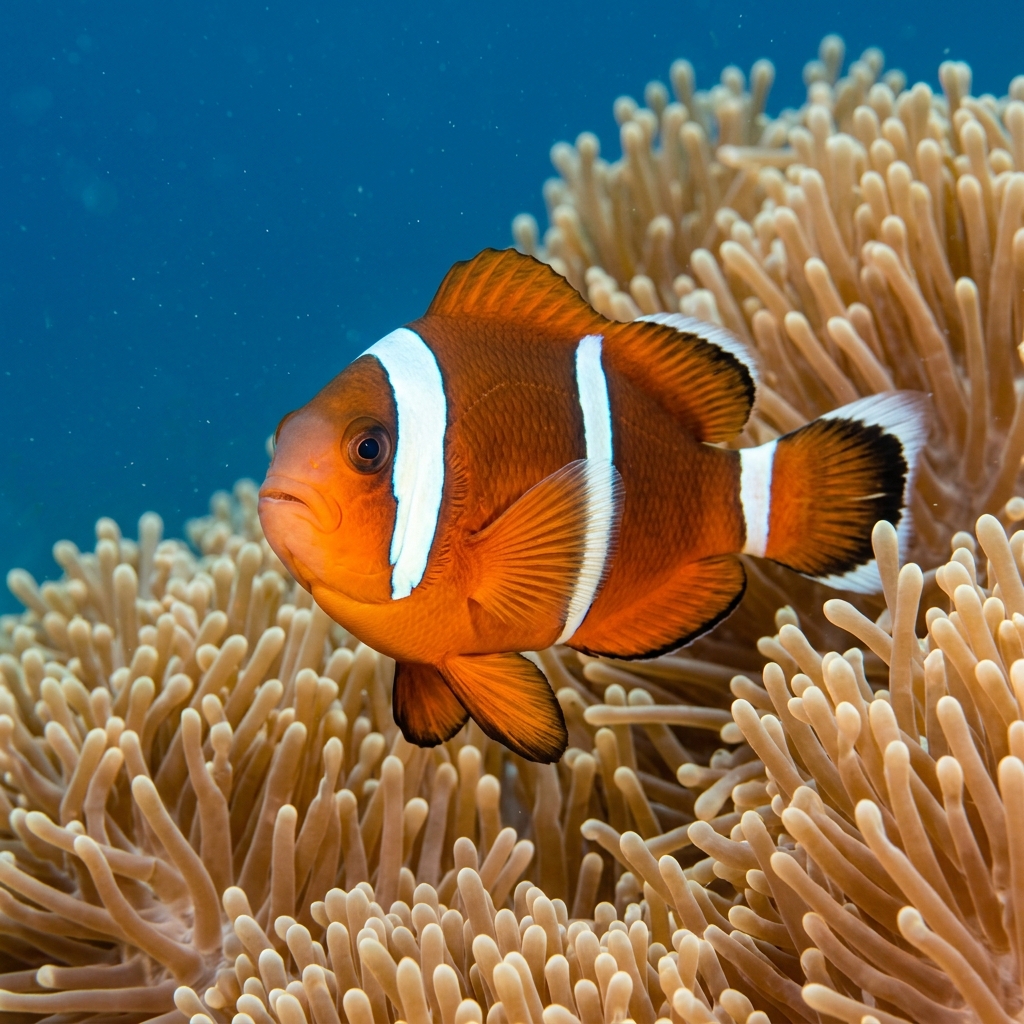
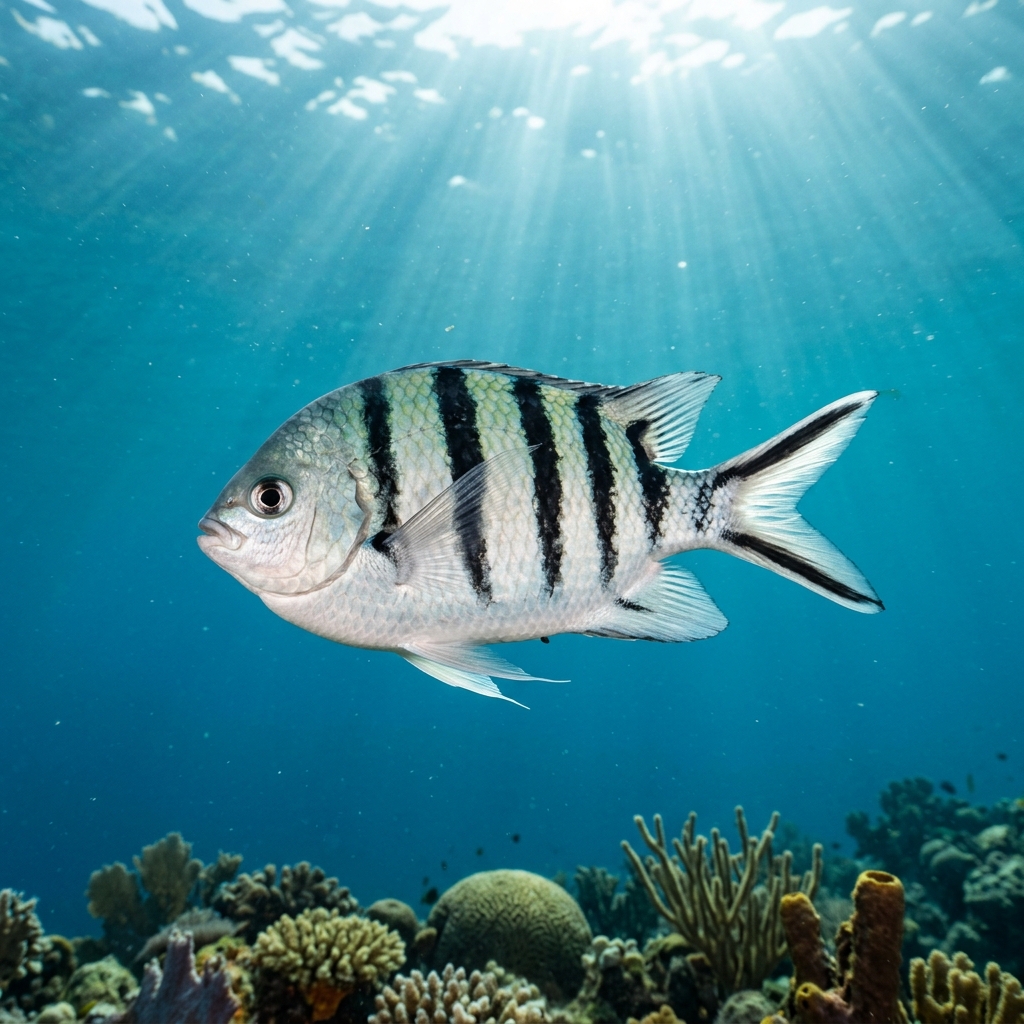
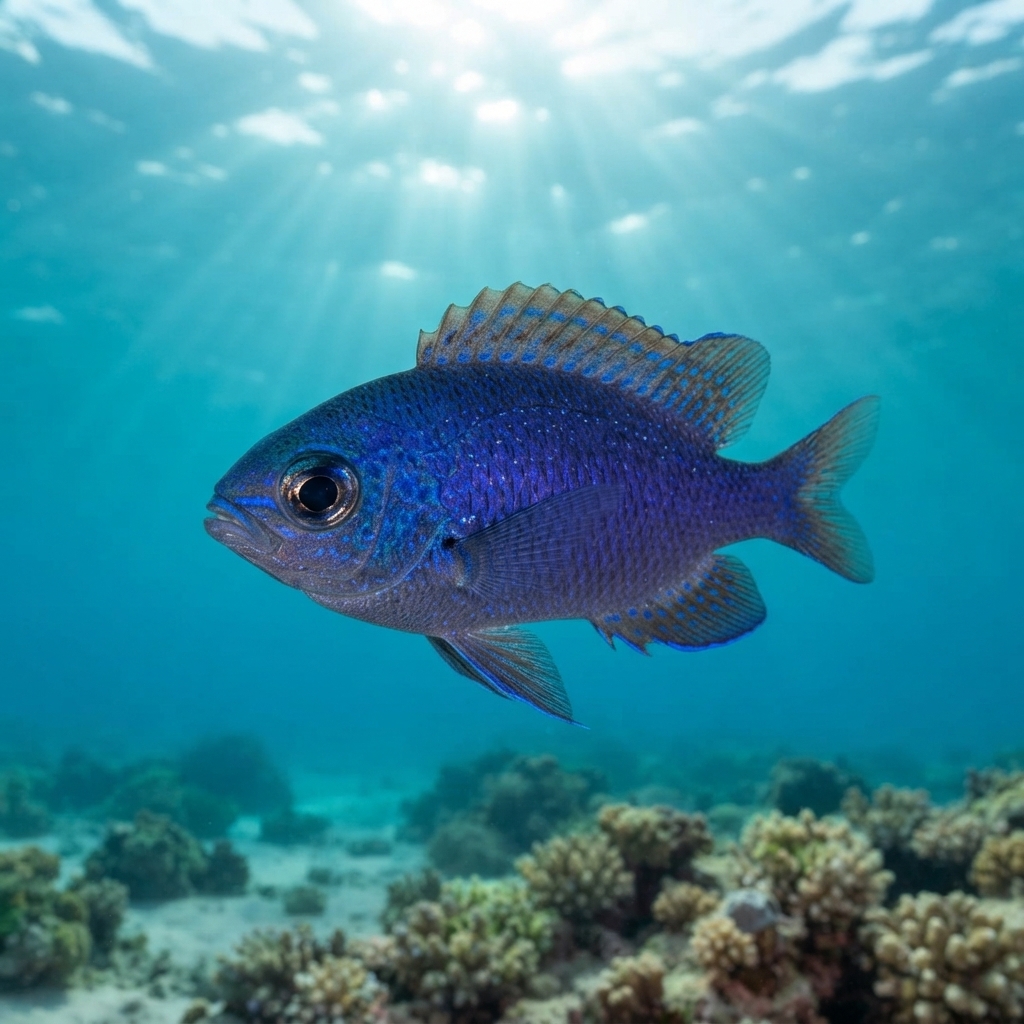
A small, slender damselfish reaching around 10 cm, with a pale grey to bluish-grey body that lacks the bold bars or spots seen on many reef damselfish. Look for the slightly rounded, blunt snout that gives it its scientific name (obtusirostris means blunt-nosed) and a plain, unmarked dorsal fin. It sits well up off the substrate in open water more often than it hugs the reef, which helps separate it from bottom-hugging damsels.
Divers log it as a rare find, generally seen hovering singly or in loose small groups above rocky reef structure rather than darting into crevices. It does not appear to show the territorial, diver-nipping attitude typical of many damselfish, and tends to stay at a cautious distance rather than approach.
Its rarity in diver logs, despite being recorded across seven separate NSW sites, suggests it is a scarce or easily overlooked species on these reefs rather than one confined to a single spot.
There is not enough logged data to pin down a season, and the recorded water temperature range of 24.3 to 29.0C spans most of the year on NSW reefs, so treat sightings as possible year-round rather than tied to a particular month.
Every logged sighting so far comes from New South Wales, Australia, making it the only confirmed region for this species on diver records. If you are hunting for it specifically, temperate NSW reef and rocky-shore sites are currently your one real option.
Mapping where Gulf Damselfish is logged…
All current diver records come from New South Wales, Australia, spread across several sites. It has not been logged as a reliable sighting anywhere else so far.
There is no detected season in the data, and its temperature range of 24.3 to 29.0C covers most of the year, so sightings are possible year-round rather than in one particular month.
Look for a small, plain grey-blue damselfish around 10 cm long with a blunt, rounded snout and no strong stripes or spots. It tends to hover above the reef rather than hug crevices like many of its relatives.
They grow to around 10 cm, making them one of the smaller damselfish species divers might spot in New South Wales waters.
No, they are not considered dangerous to divers. They keep their distance rather than displaying the territorial behaviour some other damselfish are known for.
Site and sighting data is aggregated from diver logs, iNaturalist and GBIF. For taxonomy and conservation status:
Dascyllus
3,697 sites