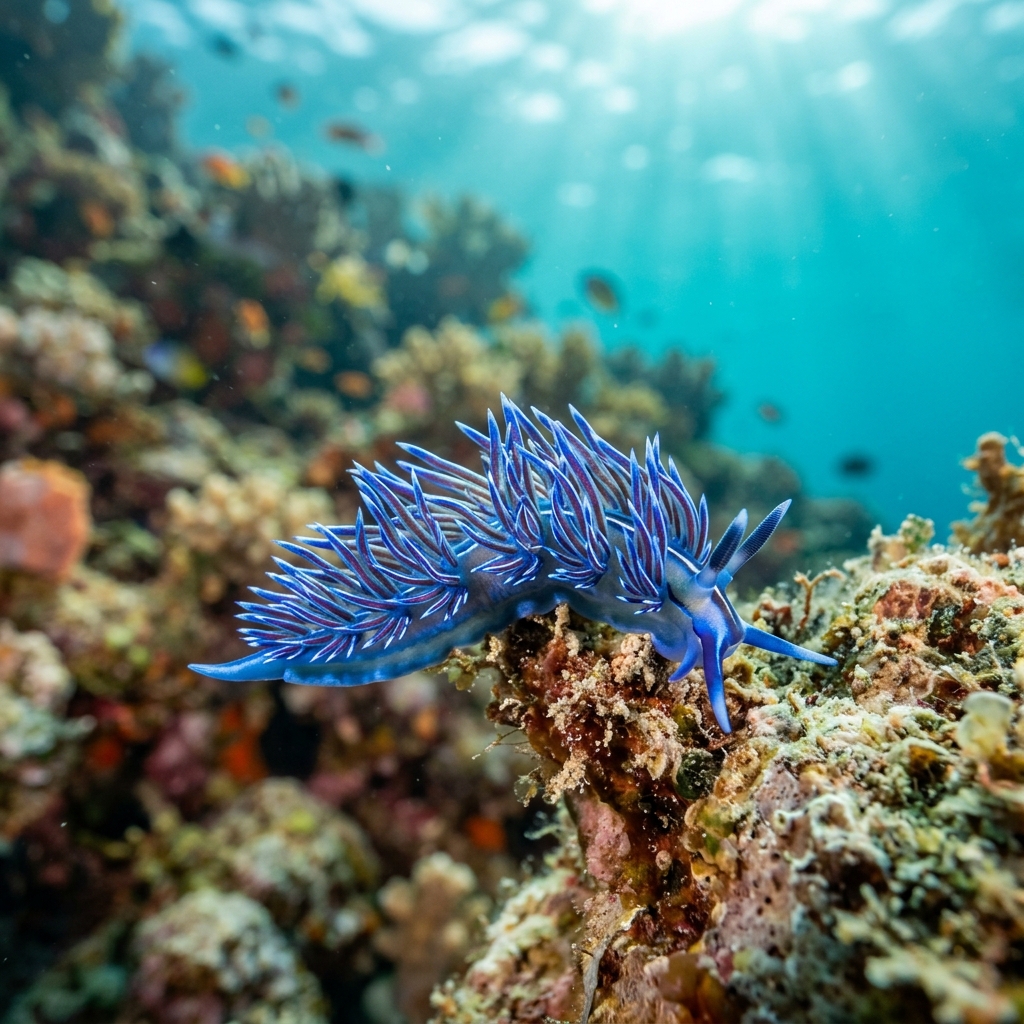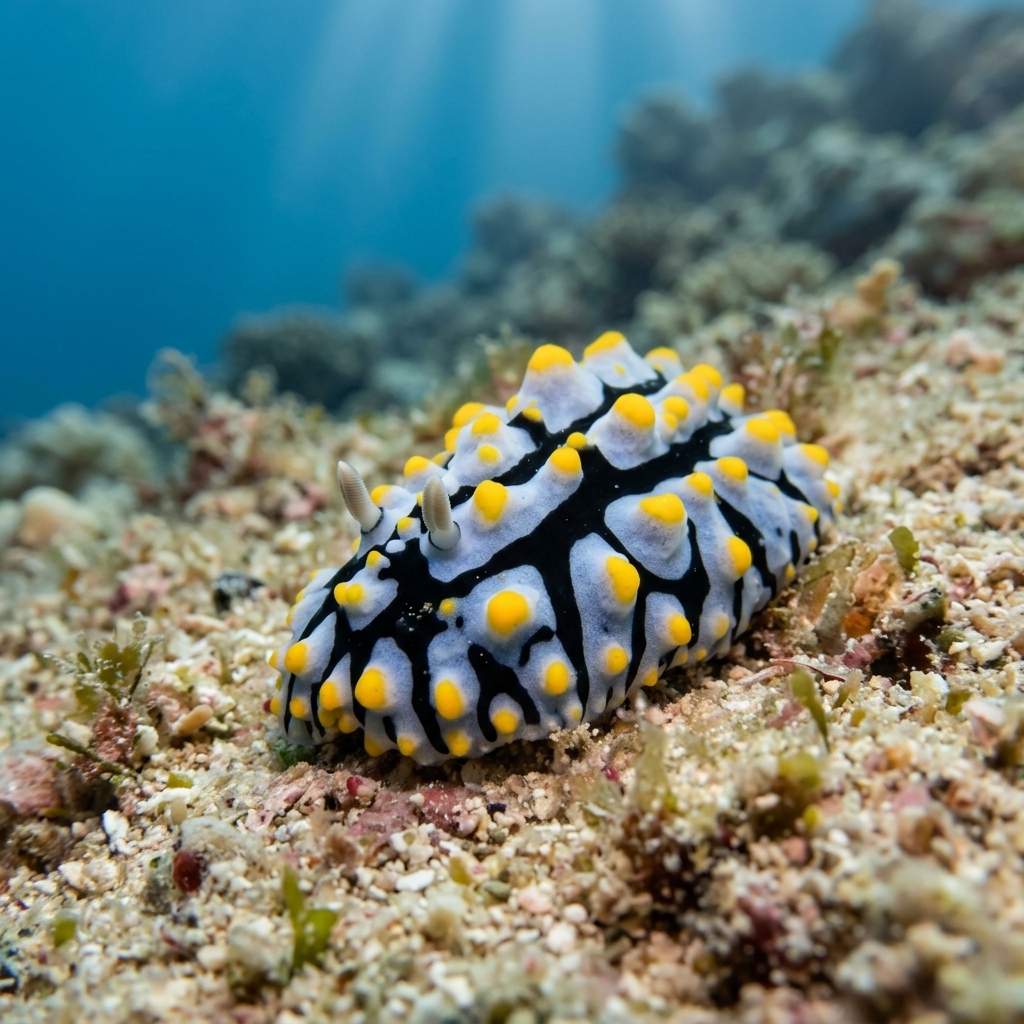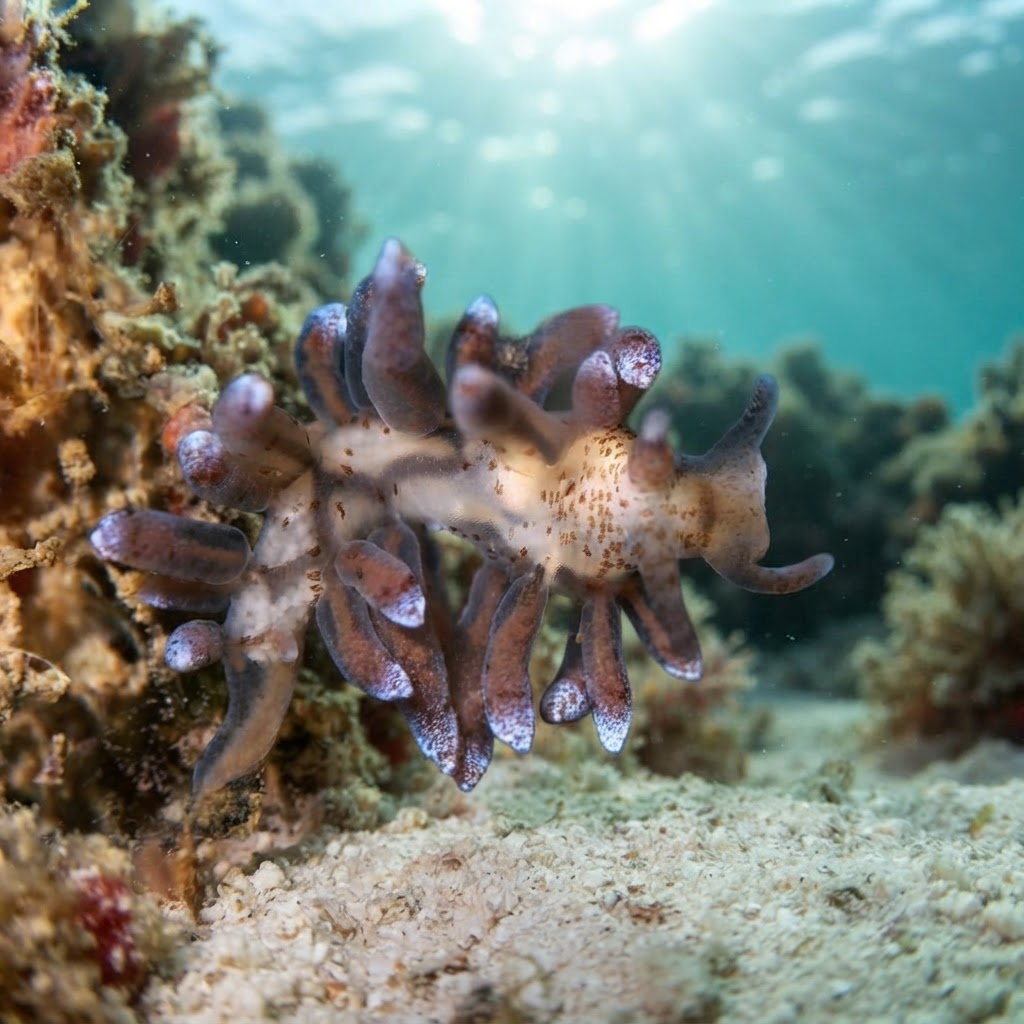
Eubranchulus rupium
A cold-water nudibranch logged most often in Østlandet, Norway and Jutland, Denmark, in water as cold as 6.5C.
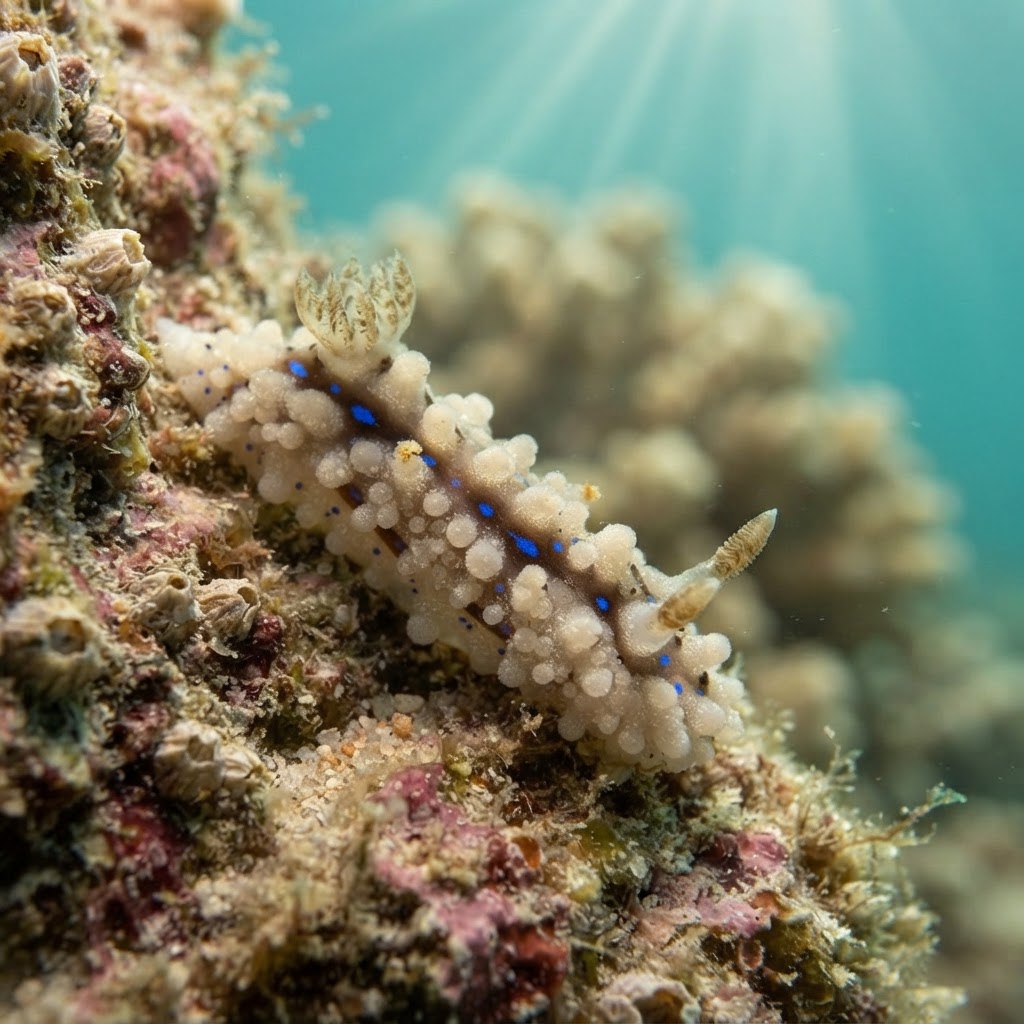
A small, slender sea slug built for cold rocky reefs rather than tropical coral, with the finger-like projections (cerata) on its back typical of the eubranch group. Look for a translucent to pale body against dark rock or algae, since it has no bold banding or bright colour patches to key on. Size in the water is small enough that most divers spot it while searching slowly rather than swimming past, so a torch and close attention to rock crevices helps.
Divers typically find it tucked against rock surfaces or moving slowly over encrusted substrate, doing what most small nudibranchs do: grazing quietly and ignoring the diver entirely. It shows up as an uncommon find rather than something you stumble on every dive, so most logs come from divers deliberately scanning cold rocky reef rather than open water. No time-of-day pattern has been reported.
Like other members of its family, it almost certainly feeds on hydroids, using the cerata on its back to store stinging cells from its prey as a defence, a common trick among aeolid-type nudibranchs.
Sighting records don't show a concentrated season, and given its 6.5 to 12.5C temperature niche it seems to sit in cold water year-round rather than following a warm-season bloom. Plan around site conditions and visibility more than calendar month.
Most reliably logged in Østlandet, Norway and Jutland, Denmark, with a solid secondary presence in Bohuslän, Sweden. It also turns up in the Pacific Northwest and Northeast regions of the United States and has been recorded once in Zeeland, Netherlands, so it spans both sides of the North Atlantic on cold, rocky ground.
Mapping where Rocky Aeolid is logged…
It is most often logged in Østlandet, Norway and Jutland, Denmark, with additional sightings in Bohuslän, Sweden and the Pacific Northwest of the United States. All are cold, rocky-reef locations rather than tropical dive destinations.
There is no clear seasonal pattern in the sighting data, and its temperature niche of 6.5 to 12.5C suggests it stays active in cold water throughout the year rather than appearing only in one season.
Look for a small, pale, slender nudibranch with rows of finger-like cerata along its back, found clinging to rock rather than coral. It lacks bold colour markings, so careful searching on cold rocky substrate is more useful than looking for a distinctive pattern.
Exact size figures are not established for this species, but like most members of its family it is small, the kind of nudibranch divers spot only when scanning rock surfaces closely.
No, it poses no danger to divers. It is a tiny, slow-moving sea slug with no interest in or ability to threaten a diver.
Like related aeolid nudibranchs, it likely feeds on hydroids and repurposes their stinging cells for its own defence, storing them in the cerata along its back.
Site and sighting data is aggregated from diver logs, iNaturalist and GBIF. For taxonomy and conservation status:
Light-spotted Aegires
3,168 sites