Vincentia novaehollandiae
A small, uncommon cardinalfish logged off New South Wales in cool water around 21C, year-round with no clear season.
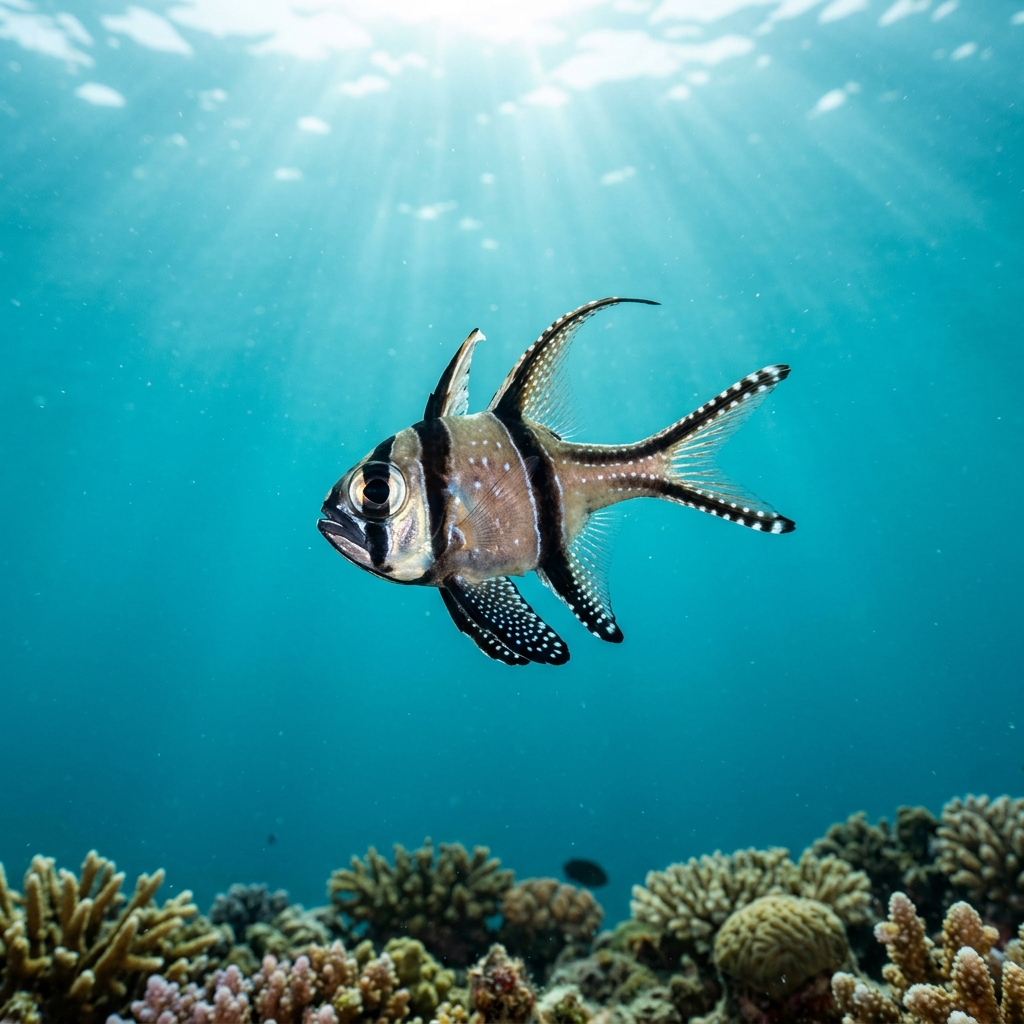
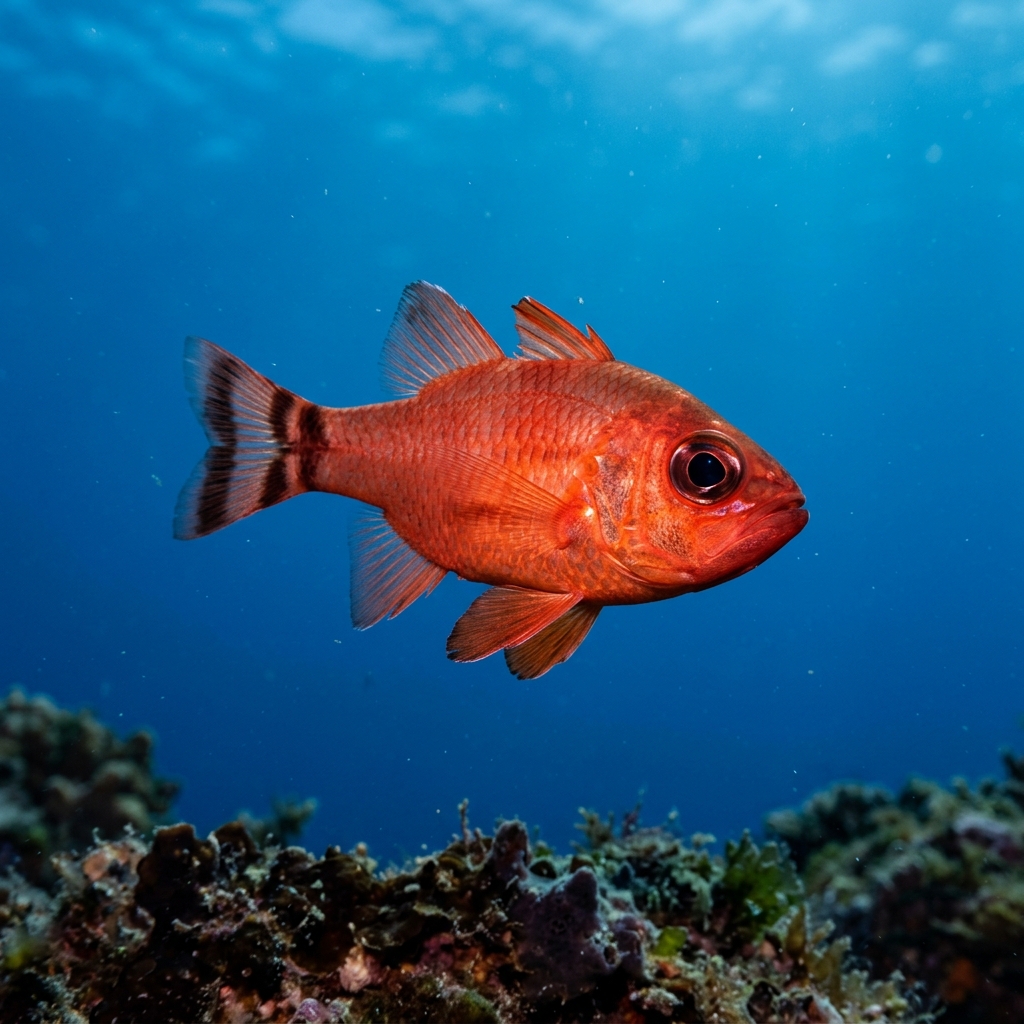
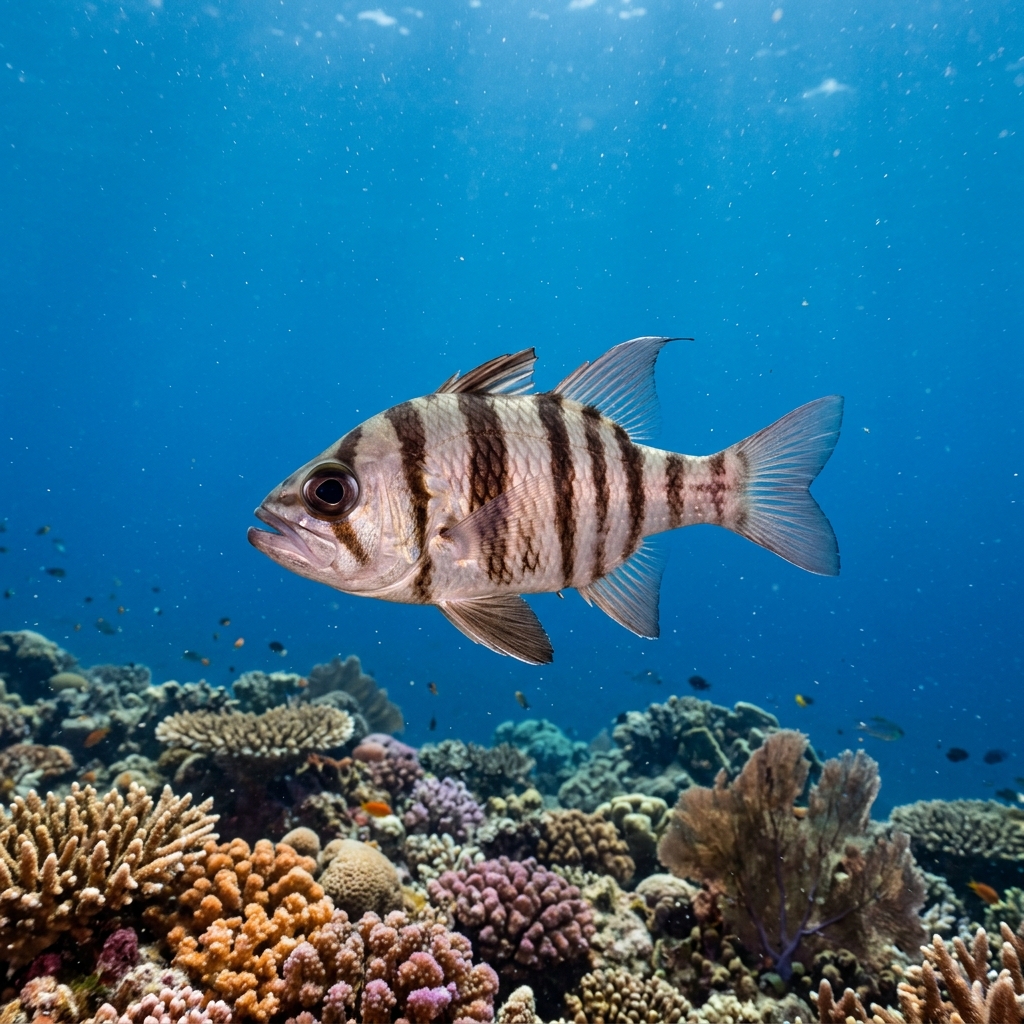
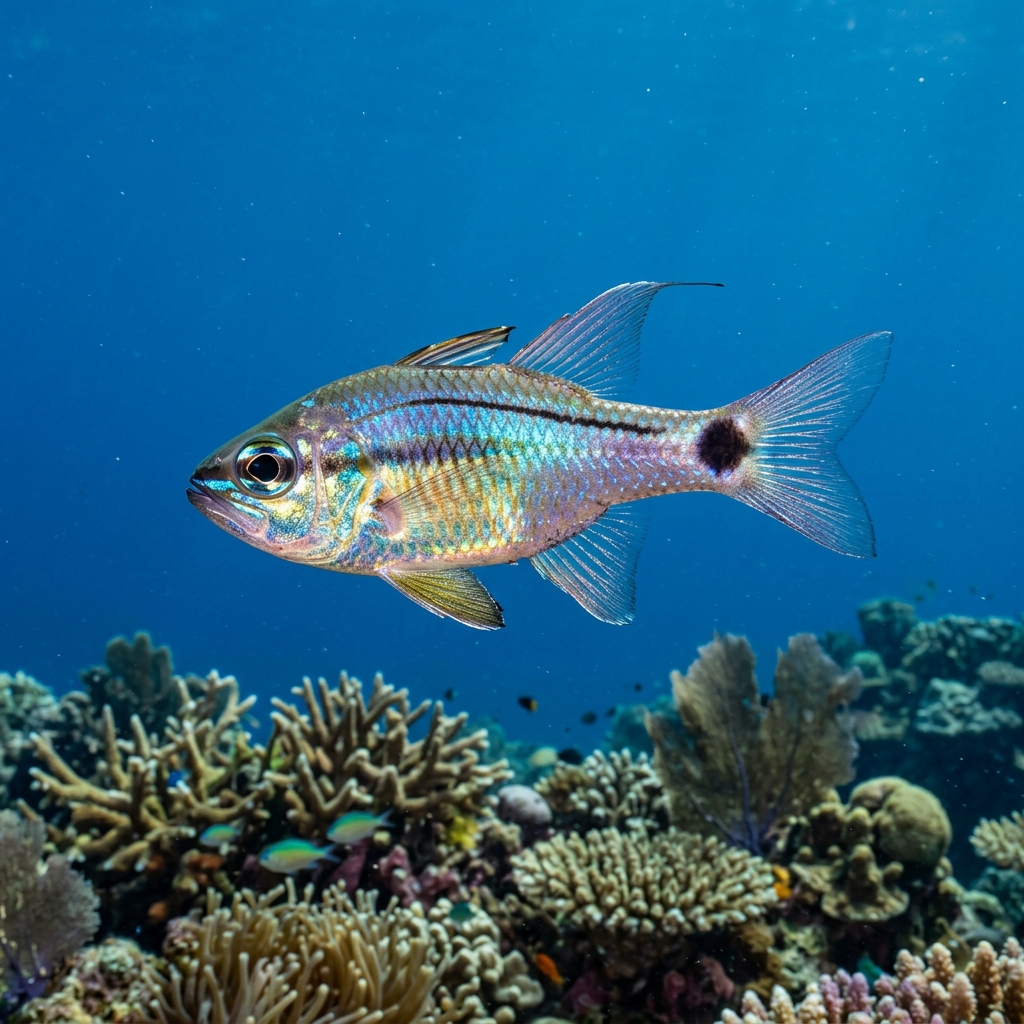
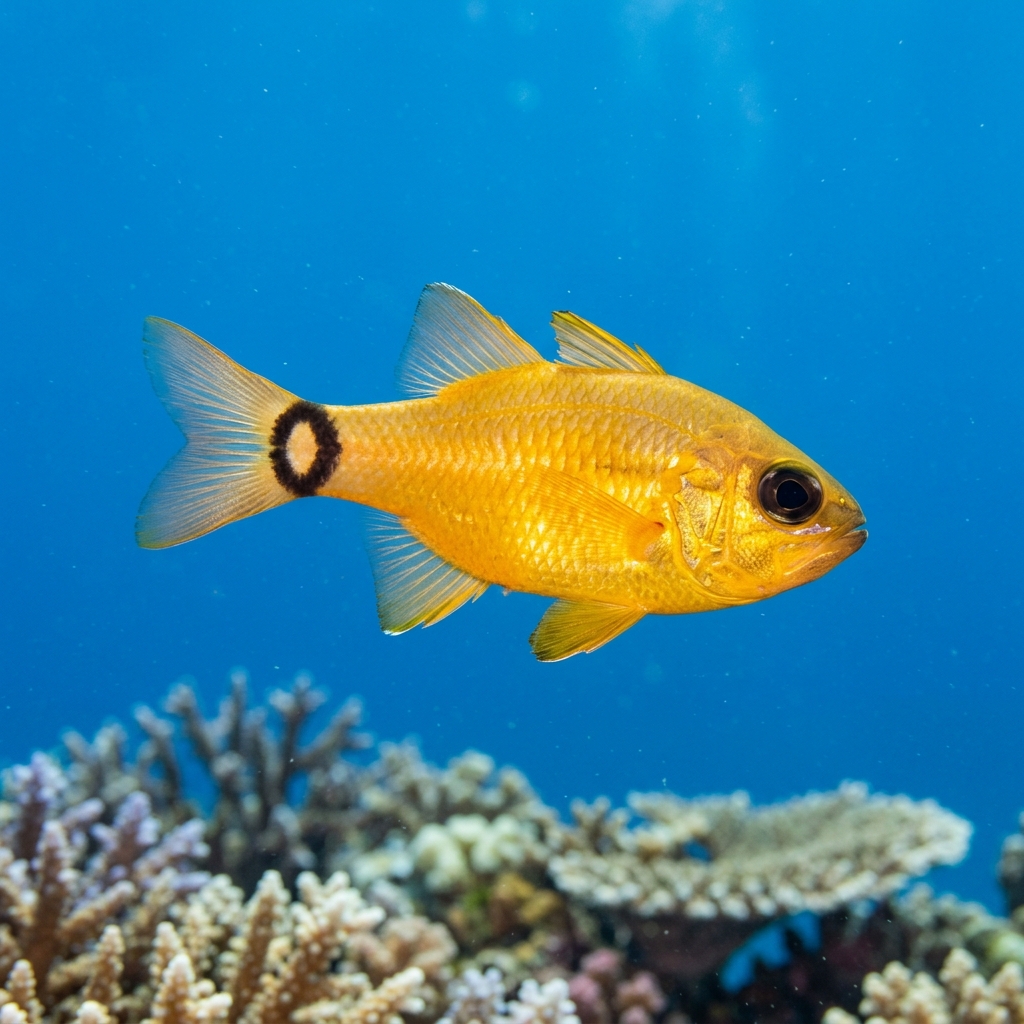
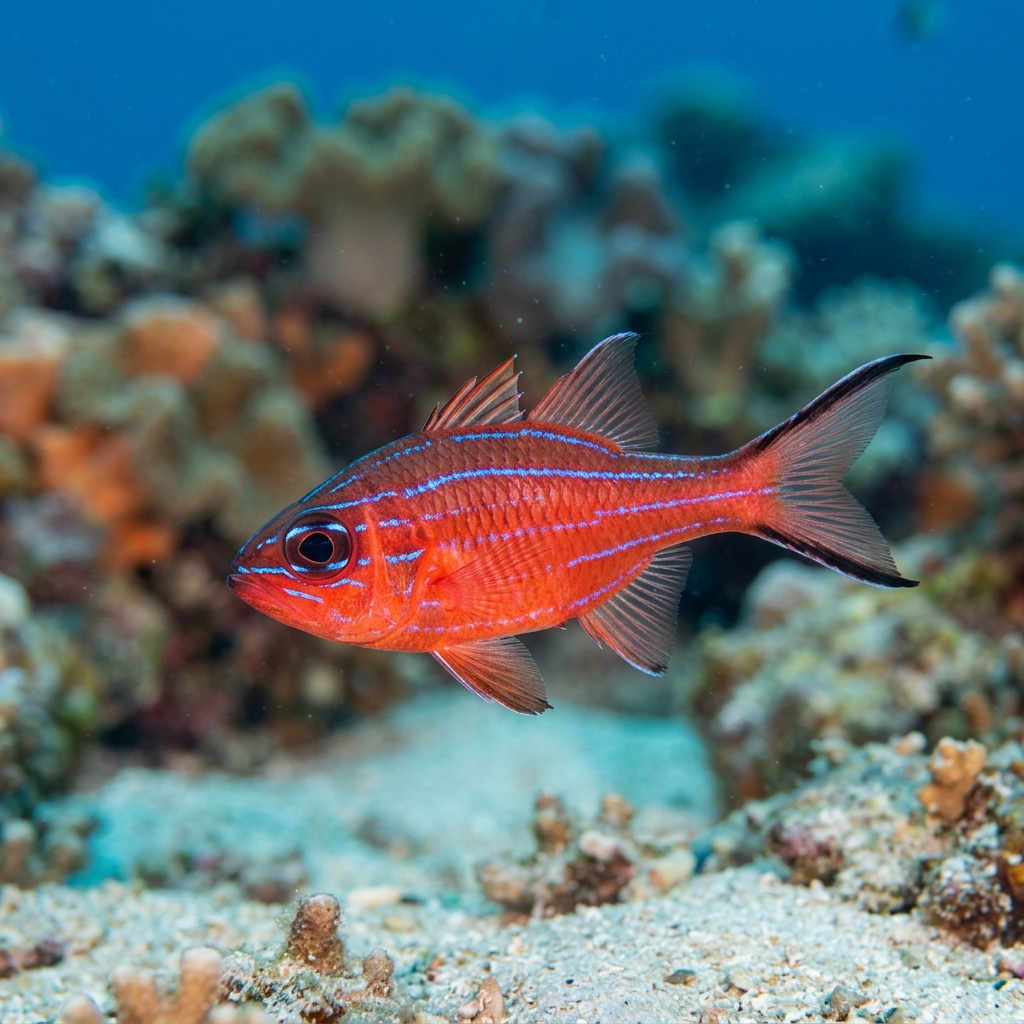
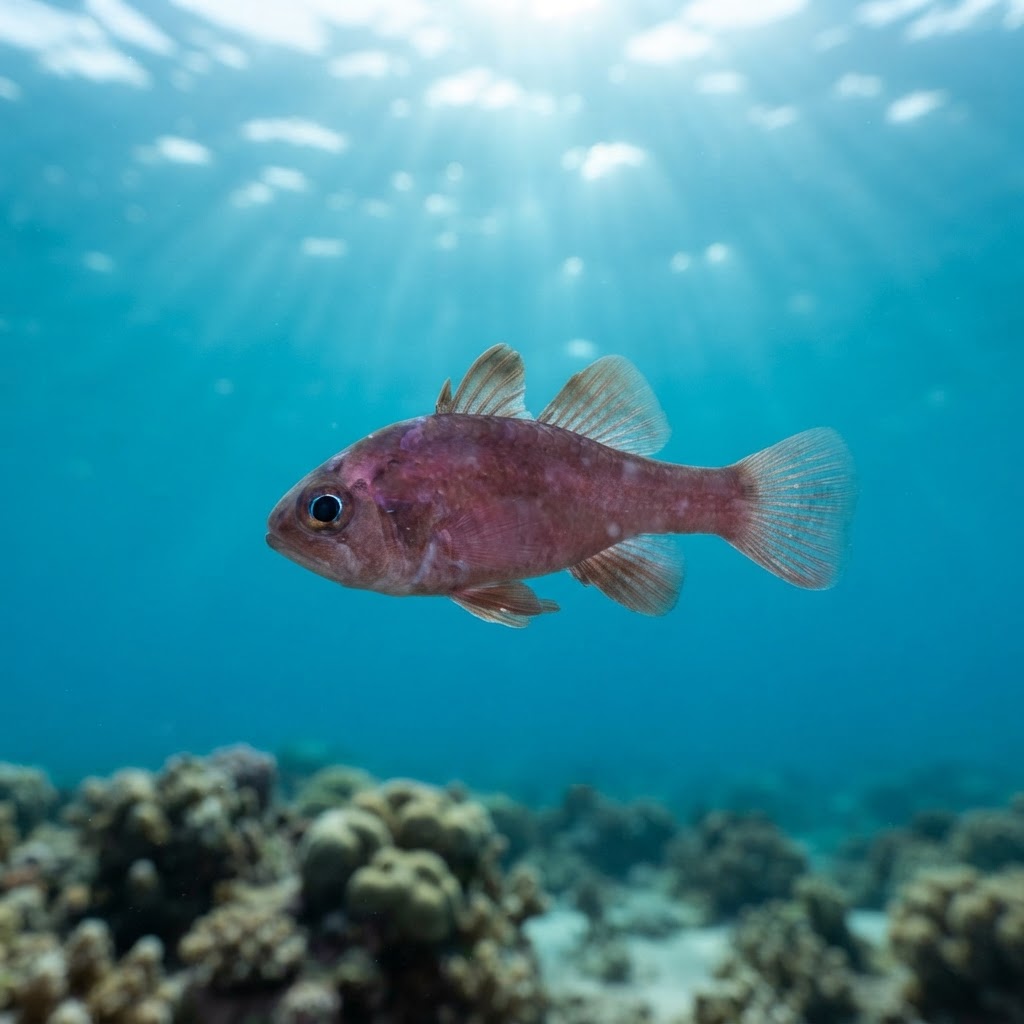
A stubby, big-eyed cardinalfish that tops out around 7 cm, with the compact, deep-bodied shape typical of the family. Colouring runs reddish-brown to olive, usually blending into shaded rock crevices rather than standing out. The large eyes and slightly upturned mouth are the quickest tells at a glance, since this species lacks the bold stripes or spots that make many reef cardinalfish easy to pick out.
Divers who've spotted it describe it hovering close to shelter, ducking under ledges and into crevices rather than swimming out in the open. Like most cardinalfish it is more active around dusk and at night, sheltering by day and becoming easier to notice with a torch. It shows little concern for divers at a respectful distance, tending to hold position rather than bolt.
Cardinalfish in this family are mouthbrooders, meaning one parent carries the fertilised eggs in its mouth until they hatch rather than leaving them exposed on the reef.
Sightings so far don't show a clear seasonal pattern, and the water temperature range logged (20.8 to 21.4C) sits within typical NSW temperate conditions across much of the year, so it is best treated as a year-round possibility rather than tied to a single season.
Logged sightings so far come entirely from New South Wales, Australia, where it has been recorded at a couple of dive sites. It is not yet documented outside Australia in diver observation data, so treat any sighting there as a real local find rather than something to expect on a generic reef dive.
Mapping where Eastern Gobbleguts is logged…
Recorded sightings are concentrated in New South Wales, Australia. It hasn't turned up yet in diver observation data from other countries, so it's currently best known as a New South Wales species.
There's no strong seasonal pattern in the sightings logged so far, and it's been recorded in water around 21C, consistent with typical NSW conditions much of the year, so it's treated as a year-round possibility.
Look for a small, deep-bodied cardinalfish around 7 cm long with large eyes and a reddish-brown to olive colour, usually tucked near rock ledges or crevices rather than out in open water.
They're small, typically reaching around 7 cm in length, which is fairly typical for a cardinalfish.
Like other cardinalfish, it's a mouthbrooder: a parent holds the fertilised eggs inside its mouth until the young hatch, protecting them rather than leaving them on the reef.
Site and sighting data is aggregated from diver logs, iNaturalist and GBIF. For taxonomy and conservation status:
Iridescent Cardinalfish
1,781 sites