Palio dubia
A 1cm nudibranch logged widely in Jutland and Schleswig-Holstein's cold water, 6 to 12C, year-round for patient divers.
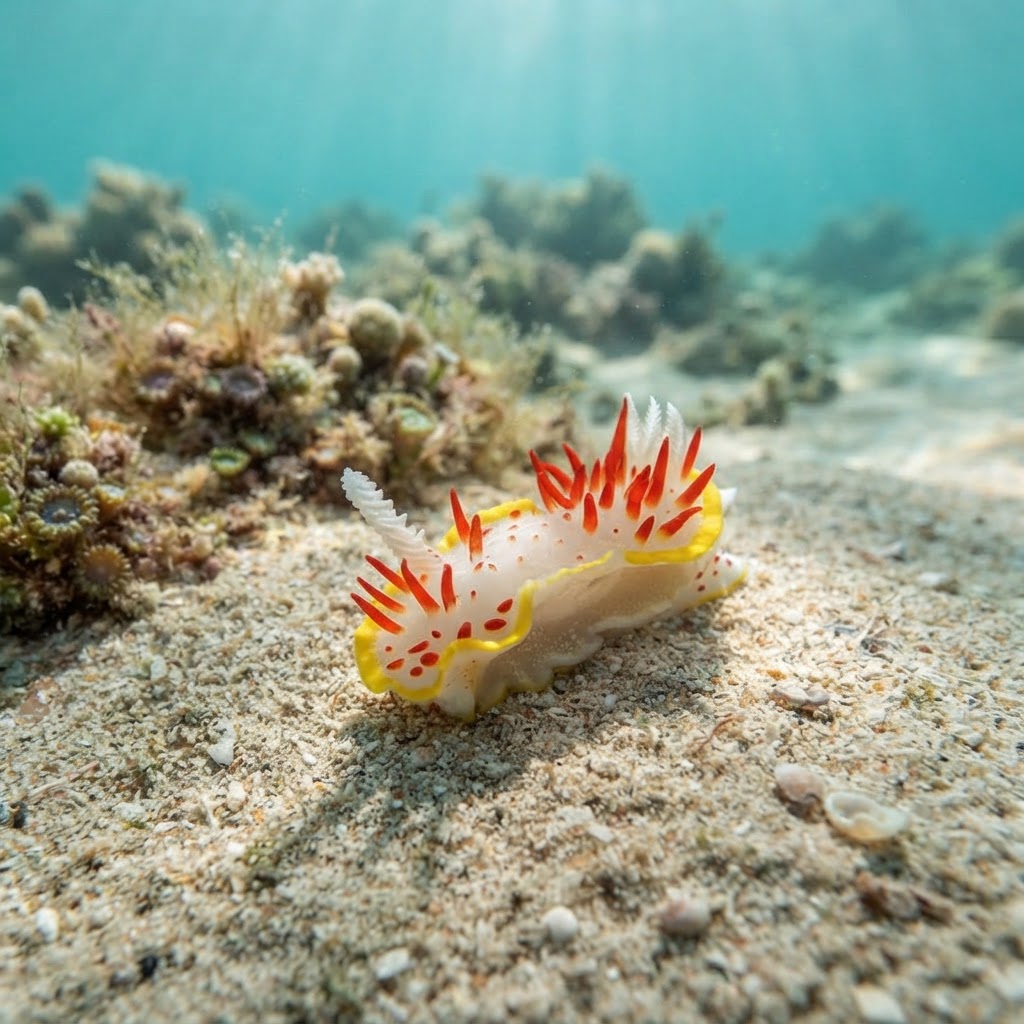
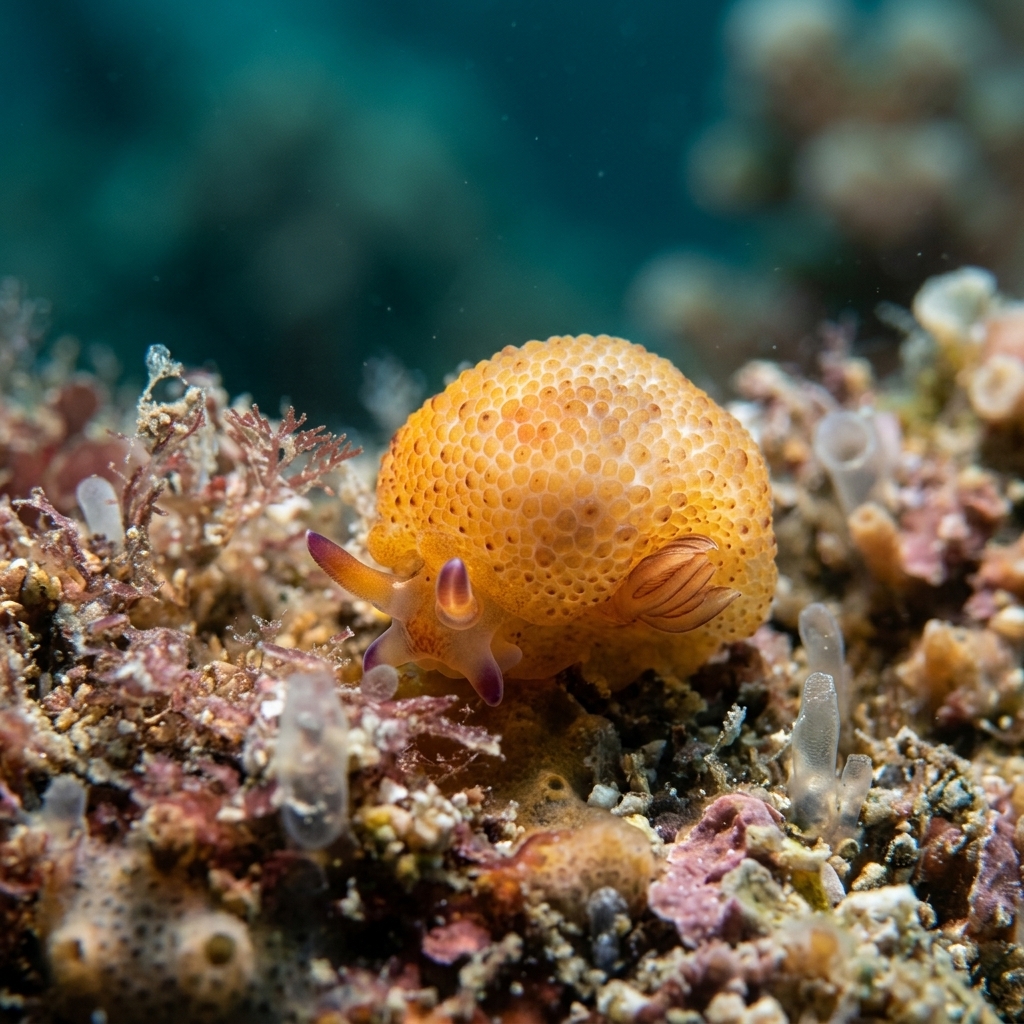
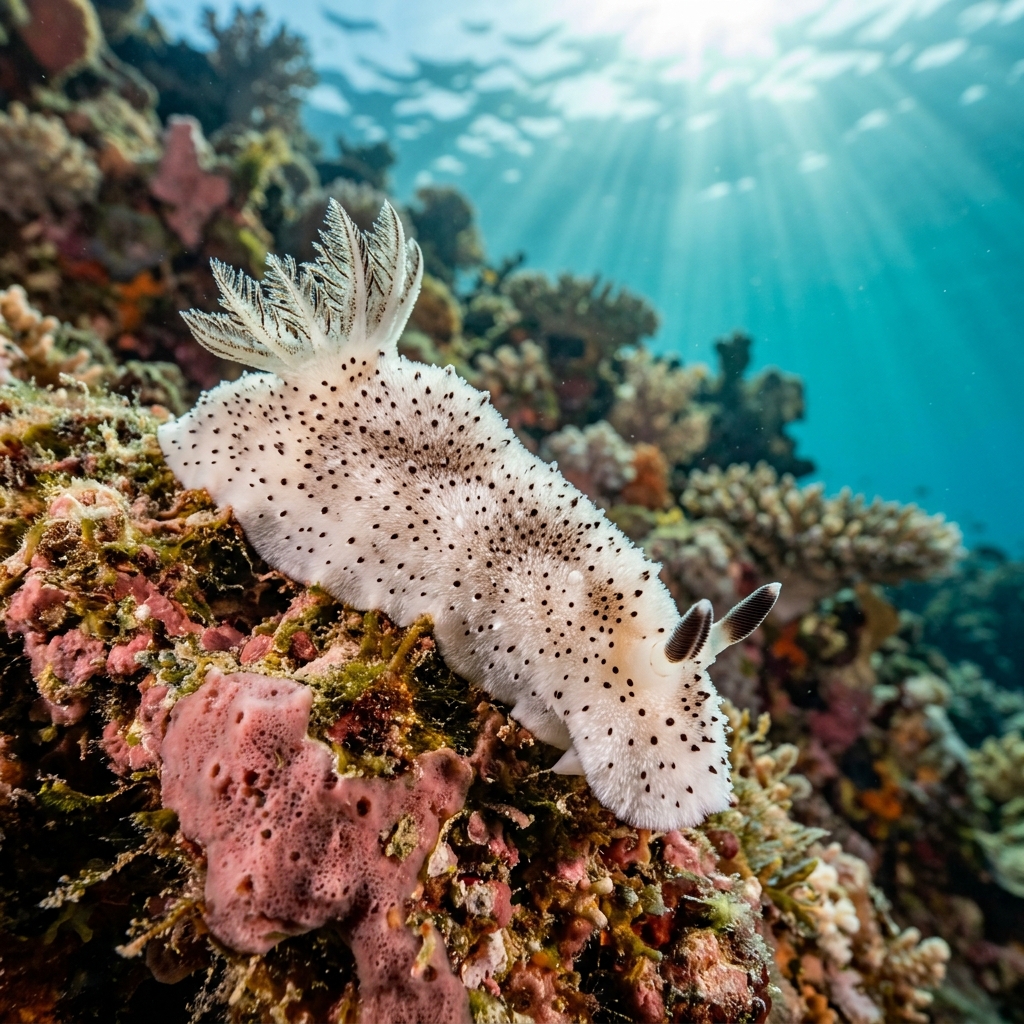
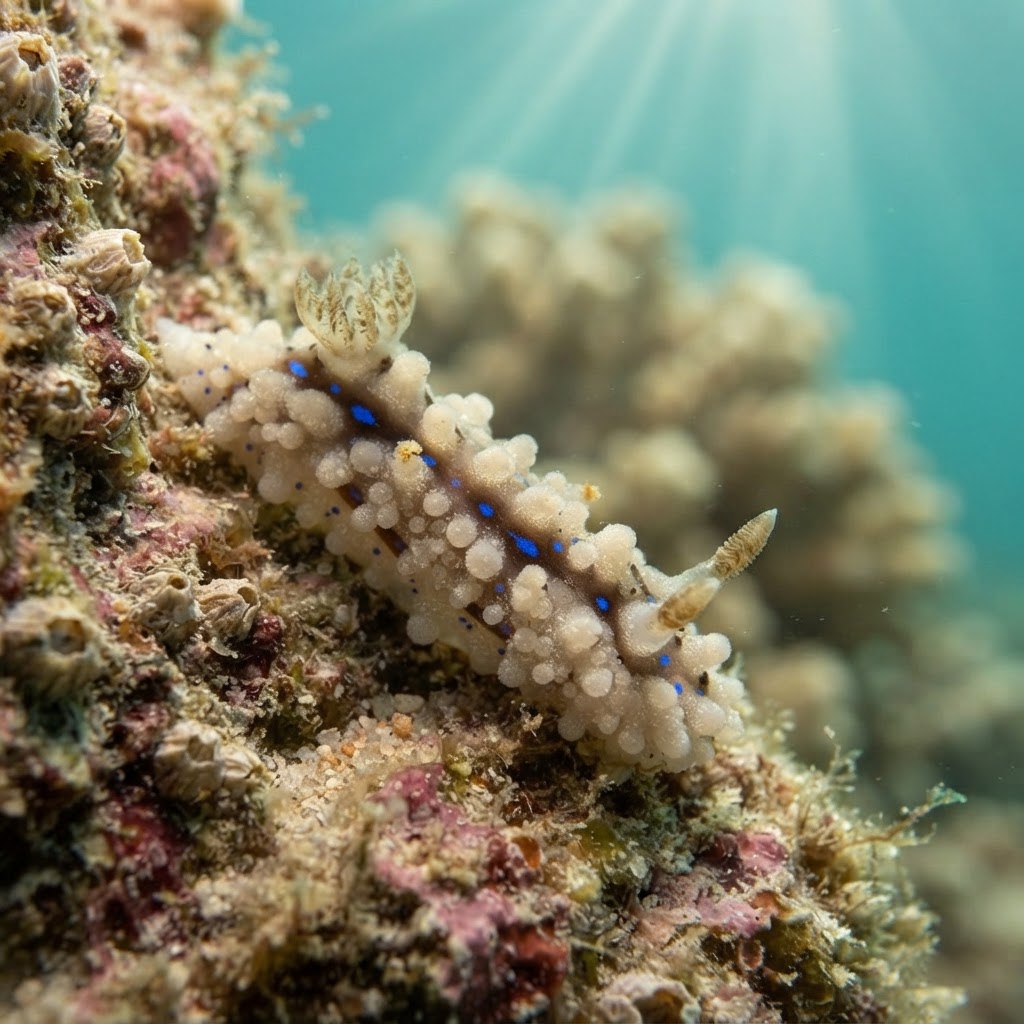
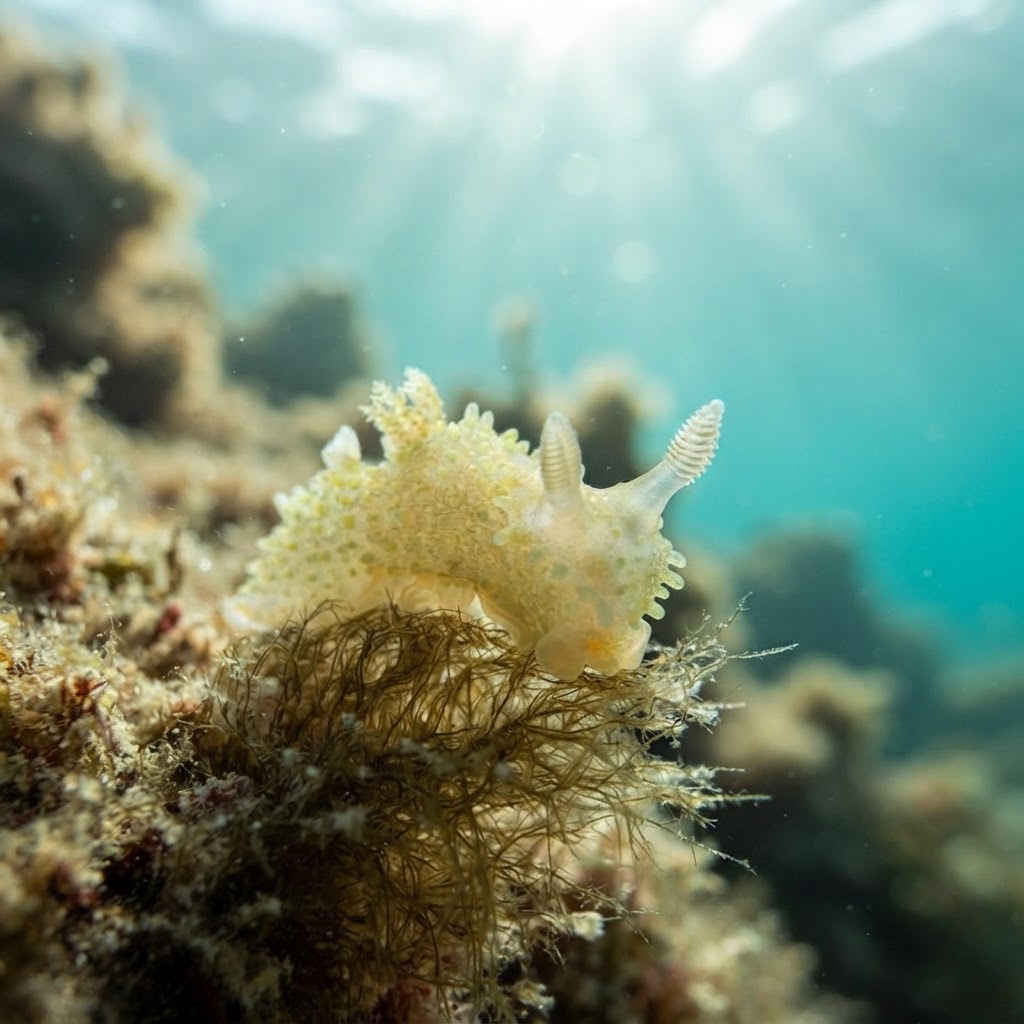
Barely a centimetre long, so it takes a slow eye and a torch to spot against rock and rubble. Body is soft and elongate with a low profile, typical of the dorid nudibranch shape, without the bold contrasting colour blocks that make some tropical dorids easy to call. There's no strong colour signature to key on here, which is exactly why it gets overlooked and why a magnifier or macro lens helps more than memorising a pattern.
Most divers find it sitting on rock, shell debris or low-lying substrate rather than out in the open water column, moving at the unhurried pace typical of small dorid nudibranchs as it grazes. It shows no reaction to divers beyond the usual slow retreat if disturbed, and because it's uncommon at most sites rather than abundant, sightings tend to come from a deliberate close look at the substrate rather than a chance encounter.
Like other dorid nudibranchs, it likely feeds on sponges and uses camouflage rather than speed or toxins as its main defence, blending into the cluttered cold-water seabed it calls home.
Sightings don't show a clear seasonal pattern, so treat this as a year-round find in its cold-water range. It's been logged between 6.3 and 12.3C, temperatures typical of the Baltic and North Sea coasts through most of the year, so timing your dive around the water temperature you're comfortable with matters more than chasing a particular month.
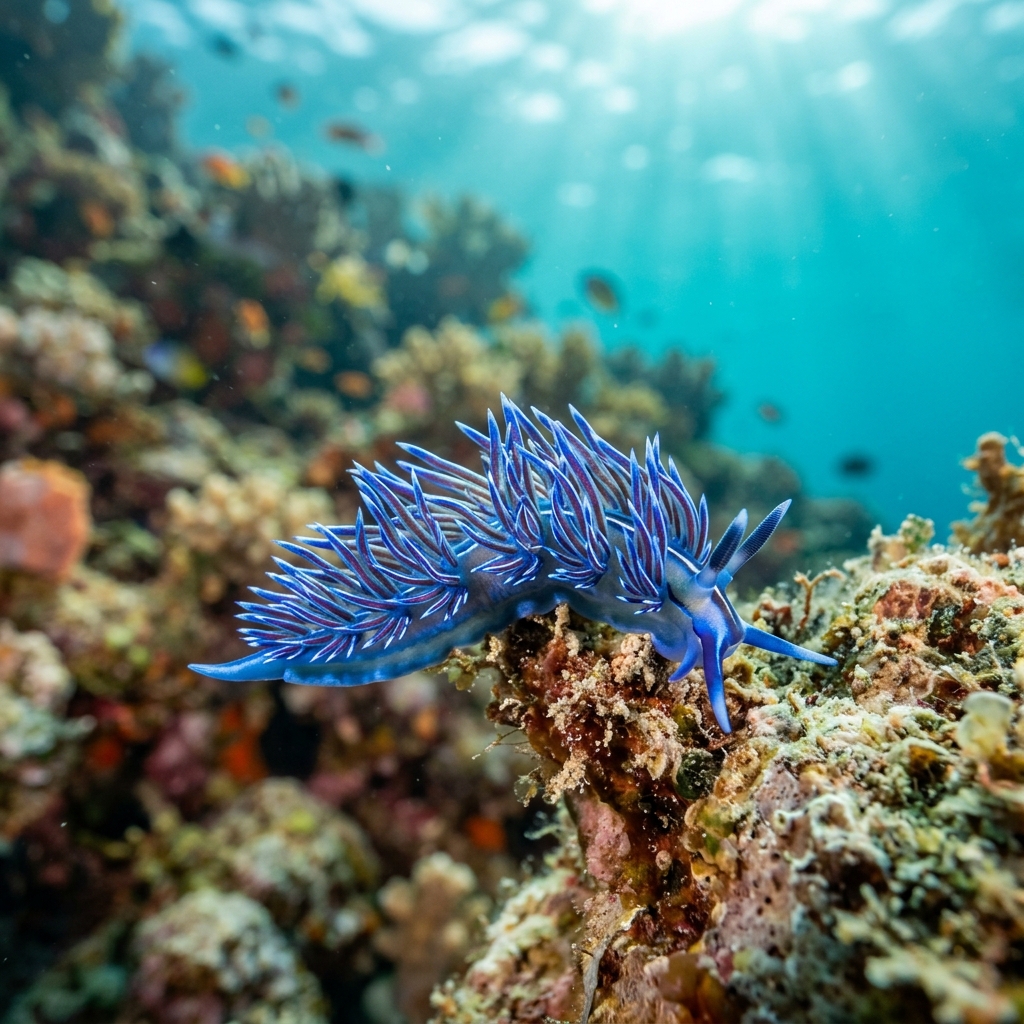
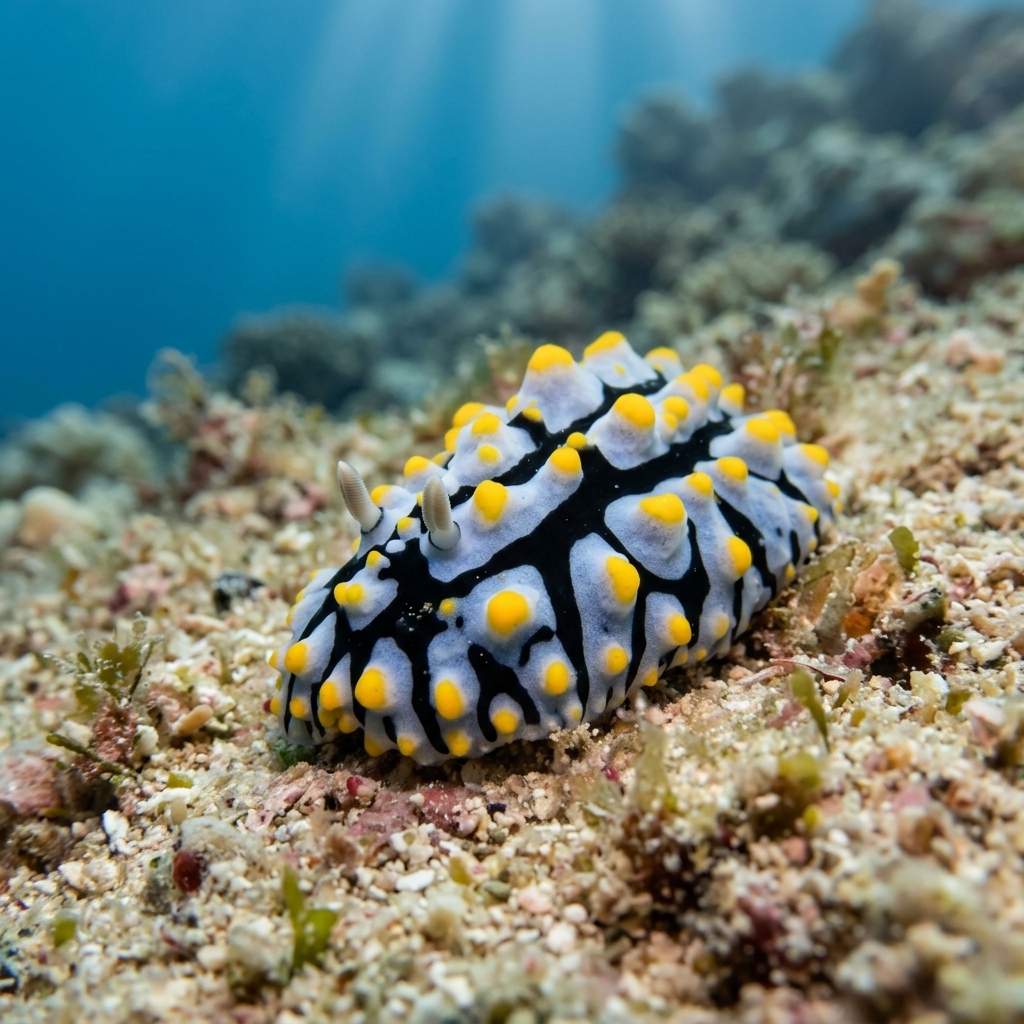
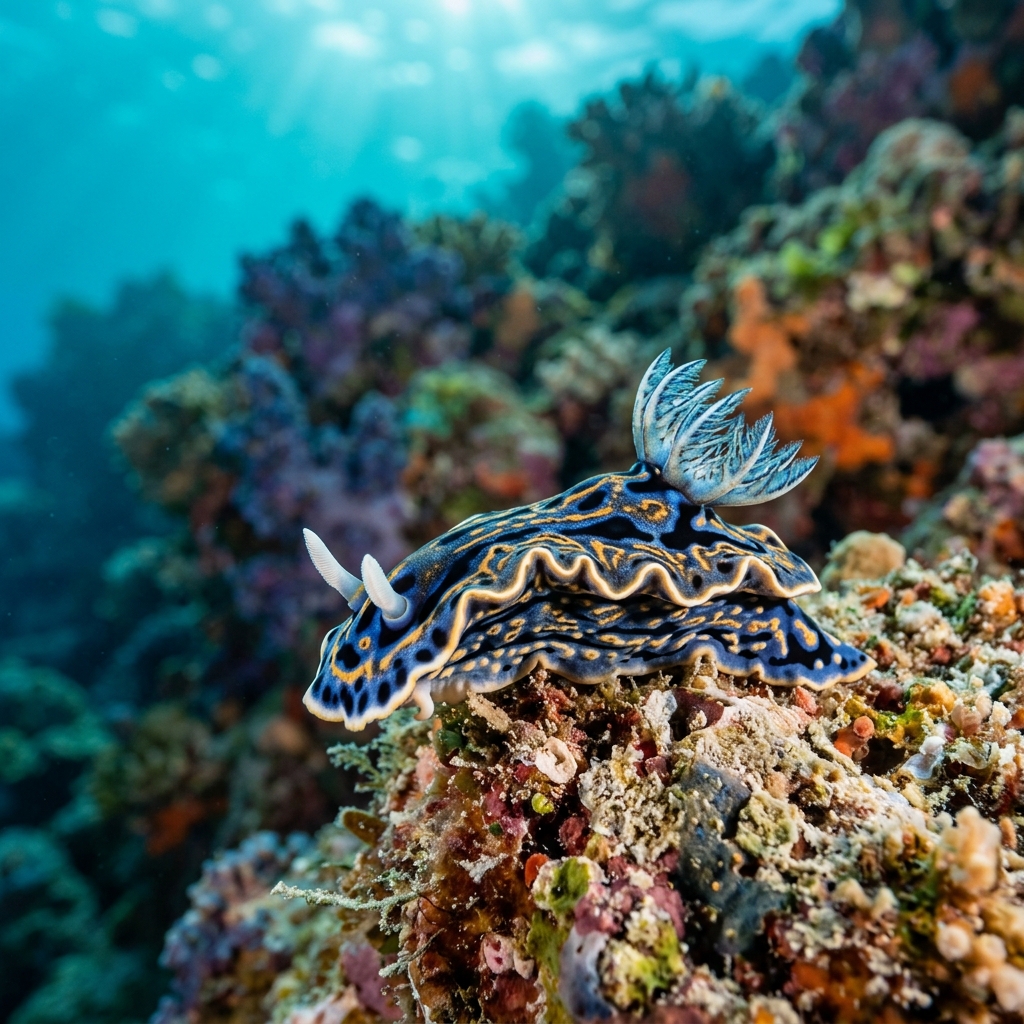
Reef neighbours a diver could mistake it for. Use the identification notes above to tell them apart.
This is a cold-water species most reliably found in Denmark, especially around Jutland, and in Germany's Schleswig-Holstein region, where sites on both sides of the border log it regularly. Smaller numbers turn up further north in Norway's Nordland region and on the northeast coast of the United States, but the Jutland and Schleswig-Holstein sites are where you have the best odds.
Mapping where Dubious Dorid is logged…
It's most consistently logged in Denmark's Jutland region and Germany's Schleswig-Holstein coast, with occasional sightings further north in Norway's Nordland and on the US northeast coast.
There's no strong seasonal pattern in the sightings, so it's considered a year-round find within its cold-water range, typically in water between 6.3 and 12.3C.
Look for a tiny, pale, low-profile dorid nudibranch around 1cm long on rock or sediment in cold water. It lacks bold colour markings, so a close look with a torch or macro lens is usually needed to confirm it.
It stays small, typically around 1 centimetre in length, making it one of the easier nudibranchs to swim straight past without noticing.
No, it poses no danger to divers. It's a small, slow-moving nudibranch with no venom or defence relevant to humans.
As a member of the dorid nudibranch group, it most likely grazes on sponges and relies on camouflage against cold-water substrate rather than speed to avoid predators.
Site and sighting data is aggregated from diver logs, iNaturalist and GBIF. For taxonomy and conservation status:
Blue Dragon
3,163 sites